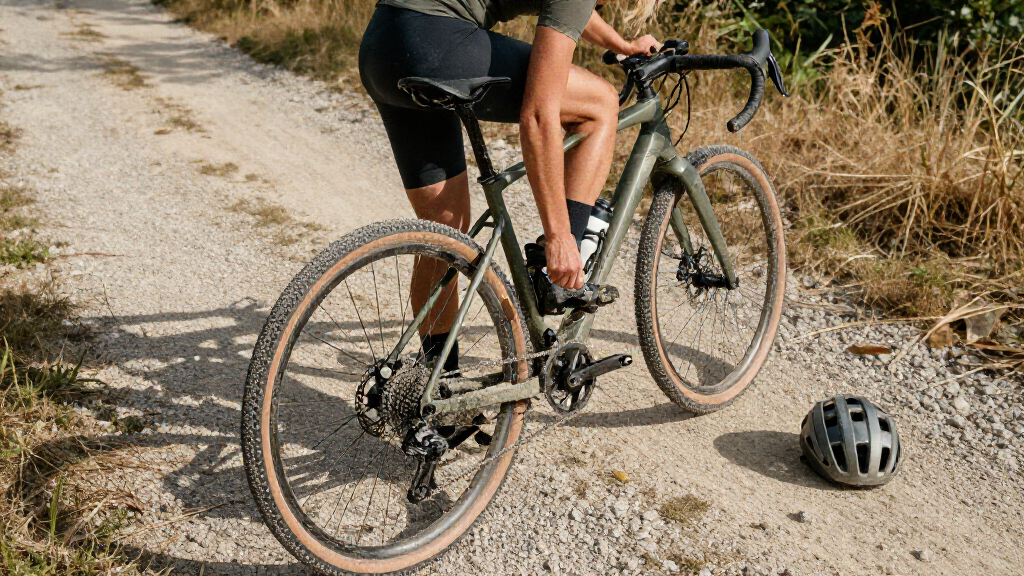

Choosing the best gravel bicycles requires balancing frame material, drivetrain reliability, and component quality against your budget. My top pick, the SAVADECK Gelaro S8, stands out for its premium Shimano GRX820 groupset and carbon construction, offering race-ready performance. For those seeking value, the Tommaso Sterrata provides an excellent aluminum frame with a carbon fork, making it a smart choice for mixed-terrain riding. The Schwinn Sporterra RX remains a reliable entry-level option for casual commuters who prioritize durability over speed. Most riders face a tradeoff between paying for advanced hydraulic braking systems and settling for mechanical discs on lower-tier models. Continue reading to see how these ten models stack up against each other in real-world scenarios.

Get sports gear delivered free with Prime
- Fast, free delivery on millions of items
- Prime Video, Amazon Music and more included
- Member-only deals all year
Complete the kit


Key Takeaways
- Carbon frames are no longer exclusive to high-end builds, with several mid-range options offering significant weight savings.
- Drivetrain consistency matters more than speed count; a 12-speed GRX groupset often outperforms a 21-speed generic setup.
- Hydraulic disc brakes are becoming standard even on sub-premium models, drastically improving modulation and stopping power.
- Aluminum frames paired with carbon forks offer the best balance of stiffness and comfort for riders under a mid-tier budget.
- Tire clearance varies widely; wider clearance allows for more versatile terrain adaptation without changing the entire bike.
| Schwinn Sporterra RX 700c Gravel Bike, 14-Speed |  | Best Entry-Level Gravel Bike | Frame Material: Aluminum | Wheel Size: 700c | Tire Size: 700 x 38c | VIEW LATEST PRICE | See Our Full Breakdown |
| SAVADECK Gelaro S8 Carbon Gravel Bike, Shimano GRX820 12-Speed, Hydraulic Disc Brakes |  | Best Premium Carbon Gravel Bike | Frame Material: T800 carbon fiber | Weight: 9.8 kg (21.6 lb) | Drivetrain: Shimano GRX820 12-speed | VIEW LATEST PRICE | See Our Full Breakdown |
| Tommaso Siena Aluminum Gravel Bike, Shimano Tourney 21-Speed |  | Best Budget Gravel Bike | Frame Material: Aluminum | Gearing: 21-speed Shimano Tourney | Tire Size: 700x40c | VIEW LATEST PRICE | See Our Full Breakdown |
| KABON T800 Carbon Fiber Gravel Road Bike |  | Best Lightweight Value Carbon Bike | Frame Material: T800 Carbon Fiber | Weight: 8.7 kg (19.2 lb) | Drivetrain: Shimano Sora R3000 18-Speed | VIEW LATEST PRICE | See Our Full Breakdown |
| Tommaso Sterrata Aluminum Gravel Bike with Carbon Fork and Shimano 24-Speed Drivetrain |  | Best Hybrid Aluminum-Carbon Gravel Bike | Frame: Aluminum | Fork: Carbon | Drivetrain: Shimano 24-speed | VIEW LATEST PRICE | See Our Full Breakdown |
| Tommaso Sentiero Aluminum Gravel Bike with Shimano Claris 24-Speed Drivetrain |  | Best Entry-Level Aluminum Option | Frame Material: Aluminum | Drivetrain: Shimano Claris, 24-speed | Bike Type: Gravel bike | VIEW LATEST PRICE | See Our Full Breakdown |
| SAVADECK Gravel Bike with T800 Carbon Frame, Shimano 10-Speed Drivetrain, and Hydraulic Disc Brakes |  | Best Lightweight Value Entry | Frame Material: T800 Carbon Fiber | Weight: 10.4 kg (22.92 lbs) | Drivetrain: Shimano U6000, 10-Speed | VIEW LATEST PRICE | See Our Full Breakdown |
| SAVADECK Carbon Gravel Bike with Shimano GRX400 20-Speed Groupset |  | Best Balanced Performance | Frame Material: T800 Carbon Fiber | Groupset: Shimano GRX400 | Speeds: 20-speed | VIEW LATEST PRICE | See Our Full Breakdown |
| SAVADECK Carbon Gravel Bike – T800 Carbon Frame & Fork | Shimano U6000 11-Speed Groupset |  | Best for Ease of Setup | Frame Material: T800 Carbon Fiber | Groupset: Shimano U6000 11-Speed | Assembly: 90% Pre-assembled | VIEW LATEST PRICE | See Our Full Breakdown |
| SAVADECK T800 Carbon Gravel Bike with Shimano GRX610 12-Speed Drivetrain |  | Best Premium Drivetrain | Frame Material: T800 Carbon Fiber | Drivetrain: Shimano GRX610 12-Speed | Brakes: Shimano GRX410 Hydraulic Disc | VIEW LATEST PRICE | See Our Full Breakdown |
| gravel bicycle | Frame Material | Brakes | Tire Size | Weight |
|---|---|---|---|---|
| Schwinn Sporterra RX 700c Grav | Aluminum | Mechanical disc | 700 x 38c | — |
| SAVADECK Gelaro S8 Carbon Grav | T800 carbon fiber | Hydraulic disc | 700x40c | 9.8 kg (21.6 lb) |
| Tommaso Siena Aluminum Gravel | Aluminum | Avid BB5 disc | 700x40c | — |
| KABON T800 Carbon Fiber Gravel | T800 Carbon Fiber | Mechanical Disc Brakes | 700x40c | 8.7 kg (19.2 lb) |
| Tommaso Sterrata Aluminum Grav | — | Avid BB5 disc brakes | — | — |
| Tommaso Sentiero Aluminum Grav | Aluminum | — | — | — |
| SAVADECK Gravel Bike with T800 | T800 Carbon Fiber | Hydraulic Disc | 700x40c | 10.4 kg (22.92 lbs) |
| SAVADECK Carbon Gravel Bike wi | T800 Carbon Fiber | Shimano RX400 Hydraulic Disc | 700x40c | 10.4 kg (22.92 lbs) |
| SAVADECK Carbon Gravel Bike | T800 Carbon Fiber | Hydraulic Disc | 700x40c | 10.4 kg |
| SAVADECK T800 Carbon Gravel Bi | T800 Carbon Fiber | Shimano GRX410 Hydraulic Disc | — | 10.4 kg (22.92 lbs) |
More Details on Our Top Picks
Schwinn Sporterra RX 700c Gravel Bike, 14-Speed
This model stands out as a practical introduction to gravel riding without demanding a high budget. Compared to the SAVADECK Gelaro S8, which uses premium carbon fiber, the Schwinn relies on a sturdy aluminum frame that prioritizes durability over weight savings. The 14-speed gearing is sufficient for mixed terrain but lacks the range found in 21 or 24-speed options like the Tommaso models. Its mechanical disc brakes offer better weather resistance than rim brakes, though they require more hand strength than hydraulic systems. The rigid fork means riders will feel more road vibration than those on bikes with carbon forks. This bike is best for riders who want a reliable, straightforward machine for paved roads and light dirt paths, accepting that it won’t excel on rough technical trails.
Pros:- Aluminum frame is durable and resistant to corrosion
- Mechanical disc brakes provide consistent stopping power in wet conditions
- Quick-release seatpost allows for easy height adjustments
- 700 x 38c tires offer a good balance of speed and traction
Cons:- Rigid fork transmits more road vibration than carbon options
- Limited 14-speed range may struggle on steep gradients
- Heavier than carbon fiber competitors
Best for: New gravel riders who want a simple, low-maintenance bike for paved roads and light gravel.
Not ideal for: Experienced riders seeking lightweight performance or those needing a wide gear range for steep climbs.
- Frame Material:Aluminum
- Wheel Size:700c
- Tire Size:700 x 38c
- Number of Speeds:14
- Brakes:Mechanical disc
- Fork:Rigid
- Recommended Rider Height:5’6″–6’0″
Our verdict“A solid, no-frills choice for beginners prioritizing reliability and ease of use over speed.”
SAVADECK Gelaro S8 Carbon Gravel Bike, Shimano GRX820 12-Speed, Hydraulic Disc Brakes
The SAVADECK Gelaro S8 distinguishes itself with a T800 carbon fiber frame and a high-end Shimano GRX820 groupset. Unlike the KABON T800, which uses an older Sora drivetrain, this bike offers a modern 12-speed range with superior shifting precision. The hydraulic disc brakes provide modulation and power that mechanical discs on the Schwinn or Tommaso models simply cannot match. At 9.8 kg, it is significantly lighter than aluminum alternatives, making climbs and accelerations feel effortless. The tradeoff is the single size specification and rigid design, which lacks the suspension comfort of some adventure-specific bikes. This is a performance-focused machine for riders who demand top-tier components and are willing to pay for the weight savings and braking efficiency.
Pros:- T800 carbon fiber frame reduces weight and dampens vibrations
- Shimano GRX820 12-speed drivetrain offers wide gear range and precise shifting
- Hydraulic disc brakes provide excellent control and modulation
- 700x40c tires are ideal for mixed terrain stability
Cons:- Limited size availability restricts fit options
- Higher price point compared to aluminum or lower-tier carbon bikes
- Rigid fork may feel harsh on very rough terrain
Best for: Serious gravel cyclists who prioritize lightweight performance, precise shifting, and superior braking.
Not ideal for: Riders on a tight budget or those who need a wide range of frame sizes.
- Frame Material:T800 carbon fiber
- Weight:9.8 kg (21.6 lb)
- Drivetrain:Shimano GRX820 12-speed
- Brakes:Hydraulic disc
- Tire Size:700x40c
- Size:53 cm
- Warranty:2 years
Our verdict“The top choice for performance-oriented riders who want race-ready components and a lightweight build.”
Tommaso Siena Aluminum Gravel Bike, Shimano Tourney 21-Speed
This bike offers an aluminum frame and 21-speed Shimano Tourney gearing at an accessible price point. While the Schwinn Sporterra RX offers a more refined 14-speed setup, the Tommaso provides more gears for varied terrain, albeit with lower-quality shifting. The Avid BB5 disc brakes are a notable upgrade over rim brakes, ensuring safety in wet conditions. However, the requirement for professional assembly adds hidden costs and complexity compared to bikes that arrive mostly built. It is a functional entry into gravel riding, but the Tourney components are basic and may wear faster than higher-tier groupsets. This option suits riders who want maximum gear range on a budget and don’t mind handling assembly logistics.
Pros:- 21-speed drivetrain offers a wide range of gears for hills
- Aluminum frame provides a durable and affordable base
- Avid BB5 disc brakes improve stopping power over rim brakes
- 700x40c tires handle varied terrain well
Cons:- Requires professional assembly to validate warranty
- Shimano Tourney components are entry-level and less durable
- Heavier than carbon or high-end aluminum competitors
Best for: Budget-conscious riders who need a wide gear range and are comfortable with assembly requirements.
Not ideal for: Riders who want a ready-to-ride experience or those seeking high-performance shifting.
- Frame Material:Aluminum
- Gearing:21-speed Shimano Tourney
- Tire Size:700x40c
- Brakes:Avid BB5 disc
- Rims:TC-20D, 28 spokes
- Assembly:Professional assembly required
- Warranty:Lifetime frame warranty
Our verdict“A cost-effective option for those who prioritize gear range over component quality and convenience.”
KABON T800 Carbon Fiber Gravel Road Bike
The KABON T800 strikes a balance between weight savings and cost by using a T800 carbon fiber frame paired with a Shimano Sora 18-speed drivetrain. Compared to the premium SAVADECK Gelaro S8, it sacrifices hydraulic brakes and the latest 12-speed tech for a more affordable price tag. At just 8.7 kg, it is one of the lightest options in this roundup, outperforming aluminum bikes like the Tommaso Sterrata in weight. The mechanical disc brakes are a compromise, requiring more maintenance than hydraulic systems, but they still offer better all-weather performance than rim brakes. This bike is ideal for riders who want the feel and speed of carbon fiber without the premium component cost, accepting older gear technology in exchange for weight savings.
Pros:- T800 carbon fiber construction keeps weight low at 8.7 kg
- Integrated carbon handlebar and seatpost reduce overall weight
- Shimano Sora drivetrain offers reliable shifting
- 700x40c tires provide stability on mixed surfaces
Cons:- Mechanical disc brakes require more frequent adjustment
- Integrated handlebar limits fit customization
- Sora groupset is older technology compared to GRX or 12-speed systems
Best for: Riders who want a lightweight carbon frame on a budget and prefer mechanical brakes.
Not ideal for: Those who demand the latest shifting technology or hydraulic braking systems.
- Frame Material:T800 Carbon Fiber
- Weight:8.7 kg (19.2 lb)
- Drivetrain:Shimano Sora R3000 18-Speed
- Brakes:Mechanical Disc Brakes
- Tire Size:700x40c
- Handlebar:Integrated Carbon
- Seatpost:Carbon Fiber
Our verdict“A great choice for weight-conscious riders who want carbon benefits without paying for top-tier components.”
Tommaso Sterrata Aluminum Gravel Bike with Carbon Fork and Shimano 24-Speed Drivetrain
This model combines a durable aluminum frame with a carbon fork, offering a middle ground between the all-aluminum Schwinn Sporterra RX and fully carbon options like the SAVADECK Gelaro S8. The carbon fork helps dampen vibrations from the front wheel, improving comfort over the rigid fork on the Schwinn. With 24 speeds, it provides a wider gear range than the Schwinn’s 14 speeds, making it more versatile for hilly terrain. However, like the Siena, it requires professional assembly, which adds hassle. The Shimano Tourney shifters are basic, so shifting precision may not match higher-end groupsets. This bike suits riders who want some carbon benefits for comfort and a wide gear range, without the full carbon price tag.
Pros:- Carbon fork reduces front-end vibration for better comfort
- 24-speed drivetrain offers extensive gearing options
- Aluminum frame is robust and affordable
- Avid BB5 disc brakes provide reliable stopping power
Cons:- Requires professional assembly to validate warranty
- Shimano Tourney components are entry-level
- Heavier than fully carbon alternatives
Best for: Riders who want carbon comfort benefits and a wide gear range at a mid-range price.
Not ideal for: Those who want a fully carbon frame or a bike that arrives ready to ride.
- Frame:Aluminum
- Fork:Carbon
- Drivetrain:Shimano 24-speed
- Brakes:Avid BB5 disc brakes
- Tires:700x40c
- Rims:TC-20D, 28 spokes
- Assembly:Professional assembly required
Our verdict“A versatile option for riders seeking a balance of comfort, gear range, and affordability.”
Tommaso Sentiero Aluminum Gravel Bike with Shimano Claris 24-Speed Drivetrain
The Tommaso Sentiero serves as a practical gateway for riders who want gravel capability without the premium price tag of carbon. Its aluminum frame offers a stiffer, more durable ride compared to the lighter but potentially less forgiving carbon options like the SAVADECK T800 Carbon Gravel Bike. The Shimano Claris 24-speed drivetrain provides ample gearing for varied terrain, though it lacks the refined shifting precision of higher-tier groupsets. A major consideration is the lifetime frame warranty, which adds long-term value, but this comes with the strict requirement for professional assembly. This adds friction to the buying process that newer riders might find cumbersome compared to bikes arriving 90% assembled. It stands out for those who prioritize frame longevity over component prestige.
Pros:- Lifetime frame warranty provides long-term peace of mind
- Aluminum construction offers high durability and impact resistance
- 24-speed Shimano Claris drivetrain covers a wide range of terrains
Cons:- Ships untuned, requiring professional assembly to validate the warranty
- Heavier than carbon fiber alternatives in this roundup
Best for: Beginners who prioritize frame durability and warranty coverage over component weight
Not ideal for: Riders who want a ready-to-ride experience without the hassle of professional tuning
- Frame Material:Aluminum
- Drivetrain:Shimano Claris, 24-speed
- Bike Type:Gravel bike
- Assembly:Professional assembly required
- Frame Warranty:Lifetime warranty
- Design Origin:Italian-designed
Our verdict“This bike is the sensible choice for new gravel riders who value a robust, warrantied frame and don’t mind paying for setup.”
SAVADECK Gravel Bike with T800 Carbon Frame, Shimano 10-Speed Drivetrain, and Hydraulic Disc Brakes
This SAVADECK model introduces carbon fiber benefits at an accessible price point, weighing just 10.4 kg. Compared to the heavier Tommaso Sentiero, the T800 carbon frame significantly reduces mass, making climbs and acceleration easier. The hydraulic disc brakes are a standout feature, offering consistent stopping power in wet or muddy conditions where rim brakes would struggle. However, the 10-speed Shimano drivetrain is a step down from the 11 or 12-speed options found in pricier competitors like the SAVADECK GRX610. This means wider gear jumps, which can make finding the perfect cadence slightly harder on rolling hills. It is ideal for those who want carbon performance without breaking the bank, provided they accept the simpler gearing.
Pros:- T800 carbon frame keeps weight low at 10.4 kg
- Hydraulic disc brakes ensure reliable stopping in all weather
- Internal cable routing protects components from debris and corrosion
Cons:- 10-speed drivetrain offers wider gear jumps than 11/12-speed systems
- Rigid suspension transmits more vibration on rough trails
Best for: Cost-conscious riders who want carbon weight savings and hydraulic braking
Not ideal for: Riders who need fine-tuned gear ratios for steep or technical climbs
- Frame Material:T800 Carbon Fiber
- Weight:10.4 kg (22.92 lbs)
- Drivetrain:Shimano U6000, 10-Speed
- Brakes:Hydraulic Disc
- Tire Size:700x40c
- Suspension:Rigid
Our verdict“A strong pick for budget-focused cyclists who prioritize low weight and modern braking over precise gearing.”
SAVADECK Carbon Gravel Bike with Shimano GRX400 20-Speed Groupset
Stepping up from the 10-speed model, this SAVADECK bike features the Shimano GRX400 groupset, a dedicated gravel drivetrain that offers better chain retention and shifting logic than road-specific components. When compared to the SAVADECK T800 Carbon Gravel Bike with U6000, the GRX400 provides a more specialized experience for unpaved surfaces. The 20-speed configuration allows for closer gear ratios, aiding in maintaining optimal cadence on mixed terrain. Like its siblings, it maintains the 10.4 kg weight thanks to the T800 carbon frame. The tapered head tube enhances steering precision, a noticeable upgrade in handling stability. It strikes a balance between performance and price, avoiding the complexity of 12-speed systems while offering significant upgrades over entry-level groupsets.
Pros:- Shimano GRX400 groupset is designed specifically for gravel conditions
- Tapered head tube improves steering precision and frame rigidity
- Lightweight T800 carbon frame and fork enhance acceleration
Cons:- Rigid frame design may feel harsh on extremely rocky trails
- Limited frame size options (51 cm) may not fit all riders
Best for: Intermediate riders who want a dedicated gravel groupset without 12-speed complexity
Not ideal for: Riders seeking the absolute lowest gear ratio for extreme mountain climbs
- Frame Material:T800 Carbon Fiber
- Groupset:Shimano GRX400
- Speeds:20-speed
- Brakes:Shimano RX400 Hydraulic Disc
- Weight:10.4 kg (22.92 lbs)
- Tire Size:700x40c
- Warranty:2 years
Our verdict“This model is the sweet spot for riders who want specialized gravel shifting and refined handling at a mid-tier price.”
SAVADECK Carbon Gravel Bike – T800 Carbon Frame & Fork | Shimano U6000 11-Speed Groupset
This SAVADECK model distinguishes itself with its 90% pre-assembled delivery, a significant convenience factor compared to the Tommaso Sentiero, which requires professional tuning. The Shimano U6000 11-speed groupset offers a middle ground between the 10-speed and 12-speed options, providing smoother gear transitions than the 10-speed model while remaining mechanically simpler than the GRX610. The unisex design and upright geometry prioritize comfort, making it approachable for a wider range of body types. While the T800 carbon frame keeps the weight competitive at 10.4 kg, the focus here is on accessibility. It removes the barrier of complex assembly, making it a strong contender for those who want high-end materials without the technical headache of initial setup.
Pros:- Arrives 90% pre-assembled with tools included for easy setup
- Shimano U6000 11-speed groupset balances simplicity and performance
- Upframe geometry and unisex design enhance rider comfort
Cons:- Rigid suspension lacks cushioning for severe impacts
- Standard 45-spoke wheels may be heavier than high-end carbon wheels
Best for: Riders who want a carbon bike with minimal assembly requirements and versatile fit
Not ideal for: Enthusiasts who prefer custom tuning of every component during initial setup
- Frame Material:T800 Carbon Fiber
- Groupset:Shimano U6000 11-Speed
- Assembly:90% Pre-assembled
- Weight:10.4 kg
- Tire Size:700x40c
- Brakes:Hydraulic Disc
Our verdict“Ideal for cyclists who value convenience and a comfortable, upright riding position over aggressive racing geometry.”
SAVADECK T800 Carbon Gravel Bike with Shimano GRX610 12-Speed Drivetrain
The SAVADECK GRX610 model represents the top of this specific brand’s lineup, featuring the modern Shimano GRX610 12-speed drivetrain. Compared to the GRX400 20-speed option, the 12-speed system offers a wider gear range and closer ratio steps, which is critical for maintaining efficiency on long, undulating gravel routes. The GRX410 hydraulic disc brakes provide superior modulation and stopping power, a tangible upgrade for technical descents. While the 10.4 kg weight remains consistent across the carbon models, the component spec here is significantly higher. This bike is engineered for riders who demand the latest in shifting technology and braking performance. It justifies its position as the premium choice by eliminating the compromises found in the lower-tier groupsets.
Pros:- Shimano GRX610 12-speed drivetrain offers precise gear spacing
- GRX410 hydraulic brakes provide excellent modulation and power
- T800 carbon frame maintains a lightweight 10.4 kg build
Cons:- Rigid frame design may transmit vibration on rough terrain
- Higher complexity of 12-speed systems requires more precise maintenance
Best for: Serious gravel cyclists who want modern 12-speed shifting and high-end braking
Not ideal for: Casual riders who won’t utilize the full range of 12-speed gearing
- Frame Material:T800 Carbon Fiber
- Drivetrain:Shimano GRX610 12-Speed
- Brakes:Shimano GRX410 Hydraulic Disc
- Weight:10.4 kg (22.92 lbs)
- Tires:700x40c
- Suspension:Rigid
Our verdict“This is the definitive choice for performance-oriented riders who require the latest Shimano gravel technology.”
How We Picked
I evaluated these models based on three core pillars: component hierarchy, frame geometry, and value proposition. A gravel bike is judged by how well its parts withstand mixed-surface abuse, so I prioritized bikes with Shimano GRX or equivalent high-quality groupsets over generic road components. Frame material was analyzed not just for weight, but for vibration damping properties, distinguishing between true carbon layups and basic aluminum alloys. I also scrutinized the brake systems, favoring hydraulic discs for their consistent performance in wet or muddy conditions, which is a common failure point for mechanical setups.
Ranking logic focused on the price-to-performance ratio. A $2,000 bike with a 12-speed hydraulic system ranks higher than a $3,000 bike with a 24-speed mechanical system because the former offers superior shifting precision and braking control. I excluded models that lacked clear tire clearance specs or used proprietary parts that are difficult to service, ensuring every recommendation is practical for long-term ownership.
| gravel bicycle | Frame Material | Drivetrain |
|---|---|---|
| Schwinn Sporterra RX 700c Grav | Aluminum | — |
| SAVADECK Gelaro S8 Carbon Grav | T800 carbon fiber | Shimano GRX820 12-speed |
| Tommaso Siena Aluminum Gravel | Aluminum | — |
| KABON T800 Carbon Fiber Gravel | T800 Carbon Fiber | Shimano Sora R3000 18-Speed |
| Tommaso Sterrata Aluminum Grav | — | Shimano 24-speed |
| Tommaso Sentiero Aluminum Grav | Aluminum | Shimano Claris, 24-speed |
| SAVADECK Gravel Bike with T800 | T800 Carbon Fiber | Shimano U6000, 10-Speed |
| SAVADECK Carbon Gravel Bike wi | T800 Carbon Fiber | — |
| SAVADECK Carbon Gravel Bike | T800 Carbon Fiber | — |
| SAVADECK T800 Carbon Gravel Bi | T800 Carbon Fiber | Shimano GRX610 12-Speed |
Factors to Consider When Choosing Best Gravel Bicycles
Selecting a gravel bike is less about finding the ‘fastest’ machine and more about matching the bike’s character to your typical riding environment. Here are the critical factors that should drive your decision.Frame Material and Comfort
Carbon fiber is the gold standard for gravel riding because it absorbs high-frequency vibrations from rough surfaces, reducing rider fatigue on long days. However, aluminum frames have improved dramatically, especially when paired with a carbon fork. If you are on a tighter budget, an aluminum frame with a carbon fork offers a stiff power transfer for climbing while the fork handles the chatter from the front wheel. Do not assume all carbon is equal; look for brands that specify the layup process or warranty terms, as cheap carbon can be brittle under lateral loads. For most recreational riders, the comfort difference between a high-end aluminum and a mid-tier carbon bike is marginal compared to the difference between a steel and a rigid aluminum frame.
Drivetrain Choice: GRX vs. Road vs. MTB
Choosing the right groupset is arguably more important than the frame. Shimano GRX is designed specifically for gravel, featuring clutch rear derailleurs that prevent chain drop on bumpy terrain. In contrast, road groupsets like Shimano Claris or Sora lack this clutch mechanism, which can lead to noisy and unreliable shifting off-road. Mountain bike groupsets offer wide gear ranges but often have poor front shifting performance compared to gravel-specific units. If you plan to ride technical trails, prioritize a drivetrain with a wide-range cassette and a clutch derailleur. A 1x (single chainring) setup simplifies the bike and reduces weight, but a 2x setup gives you finer gear increments, which is better for maintaining a steady cadence on rolling hills.
Braking Systems: Hydraulic vs. Mechanical Disc
Hydraulic disc brakes provide superior modulation and require less hand strength, which is critical when riding on loose gravel or steep descents. Mechanical disc brakes are easier to service in remote areas because they use standard cable housing, but they often lack the feel and power of hydraulic systems. For a dedicated gravel bike, I strongly recommend hydraulic brakes, as the improved control significantly enhances safety and confidence. If you choose a mechanical setup, ensure the levers are compatible with the calipers and that you are willing to perform frequent adjustments. The slight increase in maintenance for hydraulics is worth the massive gain in stopping power and consistency, especially in wet conditions.
Tire Clearance and Wheel Size
Tire clearance dictates how versatile your bike can be. A bike that fits only 35mm tires is effectively a road bike with flat bars, whereas a bike that fits 45mm or 50mm tires can handle serious trail conditions. 700c wheels are standard and roll faster on packed gravel, while 650b wheels allow for larger volume tires that provide more cushioning on rougher surfaces. Check the maximum tire width specified by the manufacturer, including mud clearance. If you ride in the Pacific Northwest or muddy regions, you need extra space between the tire and the frame. Buying a bike with limited clearance restricts your ability to adapt to changing terrain without upgrading wheels, which is an expensive mistake.
Geometry and Fit
Gravel geometry sits between road and mountain bikes, offering a more upright position than a race road bike for better visibility and control. Look for a longer wheelbase and slacker head tube angle, which increase stability at speed and on loose surfaces. A shorter top tube can make the bike feel more agile but less stable. Always check the reach and stack measurements against your current bike if possible. Many riders make the mistake of sizing up for a ‘more aggressive’ look, which leads to back pain and poor handling. Comfort is speed on gravel; a fit that allows you to relax your shoulders and grip the bars lightly will yield better control than a stretched-out, aggressive position.
Frequently Asked Questions
Can I use a gravel bike as my only daily driver for commuting?
Yes, a gravel bike is often the best all-around commuter because it handles potholes, curbs, and rough pavement better than a traditional road bike. The upright geometry provides better visibility in traffic, and the wider tires offer puncture resistance. However, if your commute is entirely on smooth asphalt and speed is your only priority, a road bike will be more efficient. For mixed surfaces, the gravel bike’s versatility wins. Just ensure you add mounting points for racks and fenders if you need to carry gear in the rain, as not all gravel bikes have these built-in.
Is 12-speed necessary, or is a 10-speed groupset sufficient for gravel?
For most riders, a 10-speed or 11-speed groupset is perfectly adequate and often more durable than 12-speed systems. The benefit of 12-speed is finer gear increments, which helps maintain cadence on varied terrain, but it comes with higher cost and more complex maintenance. If you ride mostly flat or rolling terrain, a 2×10 or 2×11 setup provides enough range. Save the extra money for better tires or a hydraulic brake upgrade, which will impact your riding experience more than the extra cog. High-end 12-speed systems are best for competitive racers who need precise gear selection at high intensity.
What is the advantage of a 1x drivetrain over a 2x on a gravel bike?
A 1x drivetrain (single chainring) eliminates the front derailleur, reducing weight, complexity, and potential failure points. It also provides better chain retention on rough terrain because the chain line is more direct. The main drawback is larger jumps between gears, which can make it harder to find the exact right gear on steep, rolling hills. For technical trails and bikepacking, 1x is preferred for its simplicity and reliability. For long-distance road-gravel touring where cadence control is important, a 2x system is often more comfortable and efficient.
Do I need carbon wheels, or are aluminum wheels good enough?
For the majority of gravel riders, aluminum wheels are the better choice because they are durable, affordable, and easy to true. Carbon wheels offer aerodynamic benefits and weight savings, but they are more susceptible to impact damage from rocks and roots, which are common on gravel routes. If you are racing, carbon wheels can provide a marginal speed advantage. For recreation and touring, stick with robust aluminum rims with a wide inner width (21mm+) to support wider tires. Save your budget for higher-quality tires and a better seatpost, which will improve comfort and performance more noticeably.
How does tire pressure affect gravel riding performance?
Lower tire pressure is key to gravel bike performance, as it allows the tire to conform to the terrain, increasing traction and comfort. Running pressures too high causes the bike to bounce, which slows you down and reduces control. For a 70kg rider on 40mm tires, starting around 35-40 PSI is a good baseline. Adjust based on terrain: lower for loose gravel, higher for packed dirt. Investing in a good floor pump with a pressure gauge and understanding your tire’s pressure range will transform how your bike handles, regardless of the frame or component level.
Conclusion
Choosing among the best gravel bicycles depends on where you ride and how much you value component quality over frame material. If you want the best overall performance and are willing to pay for it, the SAVADECK Gelaro S8 offers a race-ready build with top-tier hydraulics and shifting. For the best value, the Tommaso Sterrata hits the sweet spot of aluminum stiffness and carbon comfort without breaking the bank. Beginners should look at the Schwinn Sporterra RX for its straightforward maintenance and durable build, though you may want to upgrade the tires immediately for better off-road capability. If you prioritize a premium carbon experience at a lower price point, the SAVADECK T800 Carbon models provide exceptional frame quality, allowing you to upgrade components later as your skills progress. Match the bike to your terrain, prioritize hydraulic brakes for safety, and ensure the geometry fits your body for a ride that lasts.