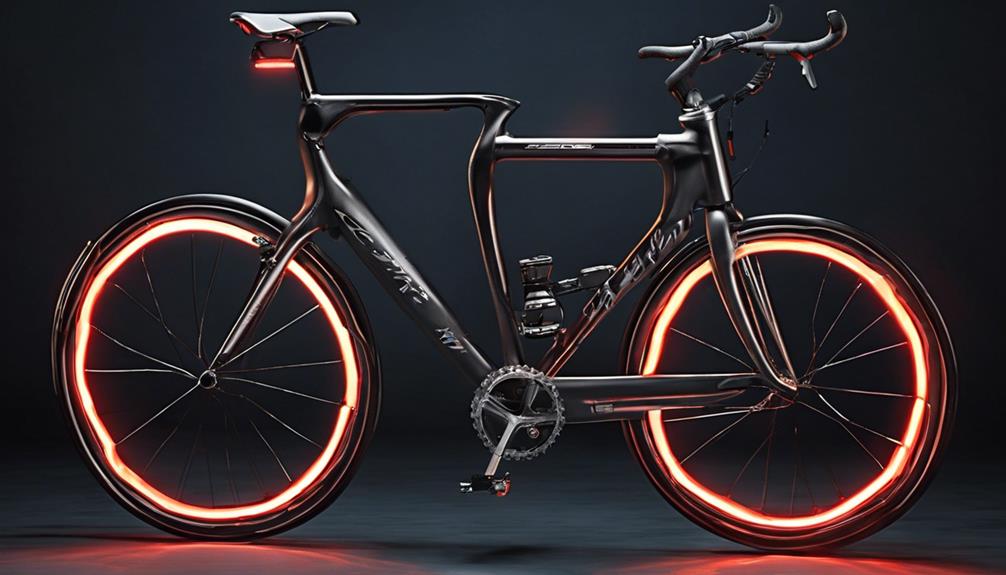
The SAVADECK Carbon Road Bike with Shimano 105 R7120 is my best overall pick among the best cycling bikes because it pairs a light carbon platform with a modern electronic drivetrain and dependable hydraulic braking. The Tommaso Forcella offers better value for newer road riders, while the Canyon Spectral 125 CF 7 is the standout choice for technical trail riding. The main choice is between road speed, gravel versatility, and off-road control; buyers must also weigh carbon against aluminum and advanced components against easier maintenance. No single model serves every surface equally well, so intended terrain matters more than an impressive specification sheet. Continue reading for the full breakdown of which bike fits each rider and where every option compromises.

Get sports gear delivered free with Prime
- Fast, free delivery on millions of items
- Prime Video, Amazon Music and more included
- Member-only deals all year
Complete the kit


Key Takeaways
- The SAVADECK Carbon Road Bike with Shimano 105 R7120 ranks first because its electronic shifting, hydraulic brakes, and carbon construction form the strongest all-around road package.
- The Tommaso Forcella delivers the roundup’s clearest road-bike value, but its mechanical Claris equipment lacks the refinement of the Shimano 105 models.
- The Canyon Spectral 125 CF 7, Exceed CF 5, and Stoic 4 serve distinctly different dirt riders: technical trail, cross-country speed, and durable hardtail riding, respectively.
- The SAVADECK Carbon Gravel Bike provides the broadest mixed-surface flexibility, although its 1x drivetrain gives road-focused riders wider jumps between gears.
- Carbon appears across many leading picks, but the comparison shows that fit, terrain match, and component quality matter more than frame material alone.
| SAVADECK Carbon Road Bike with Shimano 105 R7120 Groupset and Hydraulic Disc Brakes |  | Best for Fast Road Racing | Bike Type: Road racing bike | Frame Material: T800 carbon fiber | Weight: 8.8 kg (19.4 lbs) | VIEW LATEST PRICE | See Our Full Breakdown |
| Tommaso Forcella Sport Bike Aluminum Road Bike with Shimano Claris 24 Speeds |  | Best for Beginner Road Cyclists | Bike Type: Road sport bike | Frame Material: Aluminum | Fork Material: Carbon | VIEW LATEST PRICE | See Our Full Breakdown |
| Mongoose Men’s Elroy Adventure Bike 700C Wheel Bicycle |  | Best for Loaded Commuting and Touring | Bike Type: Adventure touring bike | Wheel Size: 700C | Frame Size: 54 cm | VIEW LATEST PRICE | See Our Full Breakdown |
| SAVADECK A7L Carbon Road Bike |  | Best Overall Road Bike | Bike Type: 700C road racing bike | Frame Material: T800 carbon fiber | Weight: 8.9 kg (19.6 lbs) | VIEW LATEST PRICE | See Our Full Breakdown |
| Canyon Spectral 125 CF 7 | 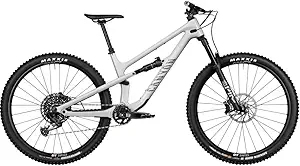 | Best for Technical Trail Riding | Bike Type: Full-suspension trail mountain bike | Frame Material: Carbon fiber | Front Suspension: RockShox Pike Select+ | VIEW LATEST PRICE | See Our Full Breakdown |
| Canyon Exceed CF 5 |  | Best XC Race Hardtail | Frame: Carbon | Suspension layout: Hardtail | Front travel: 100mm | VIEW LATEST PRICE | See Our Full Breakdown |
| Schwinn Fastback Carbon 105 |  | Best for Petite Road Racers | Bike type: Road bike | Frame material: Carbon | Speeds: 22 | VIEW LATEST PRICE | See Our Full Breakdown |
| SAVADECK Carbon Disc Road Bike with Shimano SORA R3000, 18-Speed, Integrated Design |  | Best Carbon Road Bike for Beginners | Bike type: Road bike | Frame, fork, rims and seat post: Japanese Toray T800 carbon fiber | Drivetrain: Shimano SORA R3000 | VIEW LATEST PRICE | See Our Full Breakdown |
| AVASTA Earth 26/27.5 inch Mountain Bike with 21-Speed, Aluminum Frame, Dual Disc Brake |  | Best Budget Trail Starter | Wheel sizes: 26 inches or 27.5 inches | Tire width: 1.95 inches | Frame material: Aluminum alloy | VIEW LATEST PRICE | See Our Full Breakdown |
| SAVADECK Carbon Gravel Bike – T800 Carbon Frame & Fork, Shimano U6000 11-Speed, Hydraulic Disc Brakes, 700x40mm All-Terrain Tires |  | Best All-Surface Pick | Frame: T800 carbon fiber | Fork: T800 carbon fiber | Weight: 10.4kg (22.92lb) | VIEW LATEST PRICE | See Our Full Breakdown |
| Canyon Stoic 4 |  | Best Aggressive Trail Hardtail | Frame Material: Aluminum | Fork: RockShox Pike Select, 140mm travel | Drivetrain: Shimano Deore 12-speed | VIEW LATEST PRICE | See Our Full Breakdown |
| cycling bike | Frame Material | Brakes | Bike Type | Drivetrain |
|---|---|---|---|---|
| SAVADECK Carbon Road Bike with | T800 carbon fiber | Hydraulic disc | Road racing bike | — |
| Tommaso Forcella Sport Bike Al | Aluminum | — | Road sport bike | Shimano Claris |
| Mongoose Men’s Elroy Adventure | Alloy | Mechanical disc | Adventure touring bike | Shimano Tourney 2×7 |
| SAVADECK A7L Carbon Road Bike | T800 carbon fiber | Hydraulic disc | 700C road racing bike | — |
| Canyon Spectral 125 CF 7 | Carbon fiber | SRAM Code RS | Full-suspension trail mountain bike | SRAM GX Eagle 12-speed |
| Canyon Exceed CF 5 | — | SRAM Level T | — | SRAM SX Eagle |
| Schwinn Fastback Carbon 105 | Carbon | — | Road bike | Shimano 105 |
| SAVADECK Carbon Disc Road Bike | — | — | Road bike | Shimano SORA R3000 |
| AVASTA Earth 26/27.5 inch Moun | Aluminum alloy | Dual disc | — | — |
| SAVADECK Carbon Gravel Bike | — | Hydraulic disc | — | — |
| Canyon Stoic 4 | Aluminum | SRAM hydraulic disc brakes | — | Shimano Deore 12-speed |
More Details on Our Top Picks
SAVADECK Carbon Road Bike with Shimano 105 R7120 Groupset and Hydraulic Disc Brakes
I rank the SAVADECK Carbon Road Bike as the racing-focused road choice because its 19.4-pound T800 frame, carbon wheelset, and Shimano 105 2×12 drivetrain favor quick acceleration and sustained speed. It is marginally lighter than the SAVADECK A7L and has a clearer emphasis on stiffness, making it better suited to competitive rides and fast group sessions. Hydraulic discs also offer stronger, more controlled braking than the mechanical systems on the Tommaso Forcella and Mongoose Elroy. The tradeoff is a firmer, less forgiving character than a comfort-led endurance bike, while 25C tires provide less rough-road cushioning than the SAVADECK gravel bike’s 40mm tires. I would also budget for skilled assembly, since this is not a beginner-friendly setup.
Pros:- 19.4-pound T800 carbon frame supports rapid acceleration
- Shimano 105 2×12 drivetrain provides closely spaced road gearing
- Hydraulic disc brakes offer controlled stopping in changing weather
- Carbon wheels and internal routing support an aerodynamic build
Cons:- Stiff frame and 25C tires may feel harsh on broken pavement
- Assembly can be challenging for riders without bike-mechanic experience
- Premium components are excessive for occasional recreational use
Best for: Competitive road cyclists and fast group riders who want a lightweight carbon platform with precise 12-speed shifting
Not ideal for: Casual riders and rough-road cyclists who would benefit more from wider tires, a softer ride, and simpler setup
- Bike Type:Road racing bike
- Frame Material:T800 carbon fiber
- Weight:8.8 kg (19.4 lbs)
- Groupset:Shimano 105 R7120
- Gearing:2×12, 24 speeds
- Brakes:Hydraulic disc
- Wheel and Tire Size:700x25C
- Tires:Continental
- Cable Routing:Internal
Our verdict“I recommend this model to speed-focused road riders who value low weight and race-oriented stiffness over comfort and easy ownership.”
Tommaso Forcella Sport Bike Aluminum Road Bike with Shimano Claris 24 Speeds
I place the Tommaso Forcella ahead of cheaper entry bikes for new road cyclists because its aluminum frame, carbon fork, and Shimano Claris drivetrain form a sensible foundation for fitness rides and first group outings. Compared with either SAVADECK 105 model, it sacrifices carbon-frame lightness, hydraulic braking, and sharper 12-speed performance, but its less exotic build is easier to justify while learning road-bike fit and shifting technique. The 24 gears give beginners useful range for hills without forcing them straight into premium equipment. Its biggest complication is professional assembly: that adds cost and is tied to warranty validation. I see it as a stepping-stone rather than a forever race bike, since ambitious riders may eventually want lighter wheels, stronger brakes, and higher-tier shifting.
Pros:- Shimano Claris drivetrain offers dependable entry-level shifting
- Carbon fork can reduce front-end weight and road vibration
- 24-speed gearing supports both climbing and flat-road riding
- Aluminum frame provides a practical balance of durability and cost
Cons:- Professional assembly adds expense and is required for warranty validation
- Claris components are less refined than the Shimano 105 systems on the SAVADECK models
- Serious riders may outgrow its entry-level performance
Best for: New road cyclists who want a credible Shimano-equipped bike for fitness rides, hills, and early group riding
Not ideal for: Experienced racers seeking a sub-20-pound carbon bike, hydraulic braking, or competition-grade drivetrain performance
- Bike Type:Road sport bike
- Frame Material:Aluminum
- Fork Material:Carbon
- Drivetrain:Shimano Claris
- Gearing:24 speeds
- Wheels:Standard road bike wheels
- Assembly:Professional assembly required
Our verdict“I recommend the Forcella as a well-equipped first road bike for riders willing to pay for professional setup.”
Mongoose Men’s Elroy Adventure Bike 700C Wheel Bicycle
I give the Mongoose Elroy the utility role because it arrives prepared to carry far more than the speed-focused SAVADECK road bikes. Its large front rack, frame bag, rear-rack mount, and multiple bottle mounts make daily commuting and self-supported rides easier without an immediate accessory hunt. The 2×7 Shimano Tourney drivetrain is simpler and less refined than the Tommaso Forcella’s Claris setup, yet it supplies a useful gear spread for carrying cargo. A steel fork can absorb some road chatter and handle practical use, though the racks and mixed alloy-steel construction add weight. Mechanical disc brakes are serviceable and easier to work on than hydraulic systems, but they usually demand more hand effort and adjustment. I would choose it for carrying capacity, not speed or technical trails.
Pros:- Integrated front rack and frame bag provide immediate cargo capacity
- Rear-rack and multiple bottle mounts support longer trips
- 2×7 Shimano drivetrain offers practical gearing for loaded riding
- Mechanical disc brakes are relatively straightforward to service
Cons:- Racks, steel fork, and utility hardware make it heavier than the road bikes
- Shimano Tourney shifting is less precise than Claris or Shimano 105
- Lack of suspension limits comfort and control on rough trails
Best for: Urban commuters and budget tourers who need built-in cargo capacity and several mounting points
Not ideal for: Speed-focused road cyclists or technical mountain bikers who need low weight, suspension, and trail-specific handling
- Bike Type:Adventure touring bike
- Wheel Size:700C
- Frame Size:54 cm
- Frame Material:Alloy
- Fork Material:Steel
- Drivetrain:Shimano Tourney 2×7
- Brakes:Mechanical disc
- Cargo Features:Front rack, frame bag, and rear-rack mount
- Bottle Mounts:Multiple
Our verdict“I recommend the Elroy to riders who place cargo versatility and touring mounts above low weight and outright speed.”
SAVADECK A7L Carbon Road Bike
I rank the SAVADECK A7L as the best all-around road choice in this group because it combines a 19.6-pound T800 frame, Shimano 105 R7100 shifting, and hydraulic discs without being framed solely as a race machine. It is only 0.2 pound heavier than the SAVADECK R7120 model, yet its stated emphasis on stable handling and ride comfort gives it broader appeal for long training days. The included clipless pedals also reduce the number of immediate upgrades. Compared with the Tommaso Forcella, the A7L offers a lighter chassis, more refined gearing, and stronger braking, though its higher price and maintenance demands make less sense for a first-time or occasional rider. Internal routing cleans up airflow and appearance, but it also makes cable and brake servicing more labor-intensive.
Pros:- Lightweight T800 carbon construction balances speed and stable handling
- Shimano 105 R7100 24-speed groupset suits varied road gradients
- Hydraulic disc brakes provide strong, predictable braking
- Included clipless pedals reduce initial accessory spending
Cons:- Premium pricing is difficult to justify for infrequent rides
- Internal routing complicates routine cable and brake service
- Narrow 25C tires offer less comfort on poor roads than a gravel setup
Best for: Committed road cyclists who want one lightweight carbon bike for fast training, long rides, and spirited group sessions
Not ideal for: Occasional cyclists who would rather have a lower purchase price and simpler workshop maintenance
- Bike Type:700C road racing bike
- Frame Material:T800 carbon fiber
- Weight:8.9 kg (19.6 lbs)
- Groupset:Shimano 105 R7100
- Gearing:24 speeds
- Brakes:Hydraulic disc
- Wheel Size:700C
- Tire Size:700x25C
- Included Accessory:Clipless pedals
Our verdict“I recommend the A7L as the most balanced road option for committed riders who want carbon performance without an exclusively race-led focus.”
Canyon Spectral 125 CF 7
I select the Canyon Spectral 125 CF 7 for riders who want aggressive trail control rather than road efficiency or cross-country speed. Its 140mm RockShox Pike fork, 125mm rear travel, dropper post, and SRAM Code RS brakes support steep descents, rocks, and repeated hard braking. Compared with the Canyon Exceed CF 5, the Spectral trades climbing sharpness and low weight for far more suspension and descending confidence; against the Canyon Stoic 4, its rear shock adds traction and comfort on rough lines. The GX Eagle 12-speed drivetrain still supplies a broad climbing range, while tubeless-ready wheels help riders run lower pressures for grip. The costs are greater mechanical complexity, regular suspension service, and less lively pedaling on smooth terrain. I see this as a technical-trail specialist, not a general-purpose bike.
Pros:- Carbon frame combines trail-ready strength with controlled weight
- 140mm front and 125mm rear suspension support demanding terrain
- SRAM GX Eagle 12-speed drivetrain provides a broad climbing range
- Dropper post, tubeless-ready wheels, and Code RS brakes are trail-ready
Cons:- Full-suspension components require regular and potentially costly servicing
- Less efficient on smooth climbs than the Canyon Exceed CF 5
- Premium build may exceed the needs and budget of occasional trail riders
Best for: Experienced trail riders who prioritize descending control, technical-terrain traction, and full-suspension comfort
Not ideal for: Road riders, casual commuters, and cross-country racers who value pedaling efficiency, low maintenance, or pavement speed
- Bike Type:Full-suspension trail mountain bike
- Frame Material:Carbon fiber
- Front Suspension:RockShox Pike Select+
- Rear Suspension:RockShox Deluxe Select+
- Suspension Travel:140 mm front, 125 mm rear
- Drivetrain:SRAM GX Eagle 12-speed
- Brakes:SRAM Code RS
- Wheels:Tubeless-ready
- Seatpost:Dropper post
Our verdict“I recommend the Spectral 125 CF 7 to skilled trail riders who will use its descending control enough to justify the price and upkeep.”
Canyon Exceed CF 5
I rank the Canyon Exceed CF 5 highest for riders chasing cross-country speed rather than downhill capability. Its stiff carbon frame turns pedal effort into forward motion, while the 100mm RockShox Recon RL Remote fork takes the sting out of roots and rocks without adding the weight of rear suspension. Compared with the Canyon Stoic 4, the Exceed is lighter and more efficient on climbs and flowing trails, but less forgiving on steep, rough descents. The SRAM SX Eagle drivetrain supplies a broad gear range, although it sits below SRAM’s higher-tier groupsets in refinement. Tubeless-ready wheels also support lower tire pressures for better grip. I see this as a focused race and endurance machine, not an all-purpose mountain bike: limited suspension travel is the price paid for its sharp efficiency.
Pros:- Stiff carbon frame supports efficient acceleration and climbing
- Remote-controlled 100mm RockShox fork suits fast cross-country terrain
- Wide-range SRAM SX Eagle drivetrain helps on steep ascents
- Tubeless-ready wheels allow lower pressures and improved trail grip
Cons:- Hardtail design transfers more impact to the rider on rough descents
- 100mm fork is too limited for aggressive downhill riding
- SRAM SX Eagle is heavier and less refined than higher-tier race drivetrains
Best for: Cross-country racers and fitness-focused trail riders who prioritize low weight, climbing speed, and precise handling
Not ideal for: Enduro and downhill riders who need rear suspension and more than 100mm of front travel for large impacts
- Frame:Carbon
- Suspension layout:Hardtail
- Front travel:100mm
- Fork:RockShox Recon RL Remote
- Drivetrain:SRAM SX Eagle
- Brakes:SRAM Level T
- Wheels:Tubeless-ready
Our verdict“I recommend the Exceed CF 5 to speed-minded XC riders who will trade downhill comfort for climbing efficiency and race-focused handling.”
Schwinn Fastback Carbon 105
The Schwinn Fastback Carbon 105 earns a specialized place in my ranking because its listed 5-foot to 5-foot-3-inch fit serves petite riders who often struggle to find performance road bikes. Its carbon frame and 22-speed Shimano 105 drivetrain offer a more refined, race-oriented package than the Tommaso Forcella and its Shimano Claris setup, with closer gear steps and smoother shifting for fast group rides. Caliper brakes keep the build simple and light, but they lack the wet-weather control of the hydraulic discs on the SAVADECK A7L. The rigid frame and narrow road focus reward efficient riding on good pavement, while rough surfaces expose the absence of suspension. I would shortlist it for serious road training, but the restricted rider-height range makes fit the deciding factor rather than component quality alone.
Pros:- Carbon frame keeps the bike light and responsive
- Shimano 105 drivetrain offers smooth shifting across 22 speeds
- Performance-focused cockpit and saddle suit fast road riding
- Sizing provides a rare race-oriented option for shorter adults
Cons:- Listed rider-height range is exceptionally restrictive
- Caliper brakes provide less all-weather control than hydraulic discs
- Rigid road setup is poorly suited to gravel or heavily damaged pavement
Best for: Advanced petite riders between 5 feet and 5 feet 3 inches seeking a lightweight carbon bike for road training and fast group rides
Not ideal for: Taller cyclists or riders who regularly encounter broken pavement and wet descents, due to the narrow fit range, rigid design, and caliper brakes
- Bike type:Road bike
- Frame material:Carbon
- Speeds:22
- Drivetrain:Shimano 105
- Brake style:Caliper
- Suspension:None
- Shifter style:Drop-bar
- Suggested rider height:5’0″–5’3″
Our verdict“I would choose the Fastback Carbon 105 for a petite, experienced road rider who values low weight and Shimano 105 more than disc-brake control.”
SAVADECK Carbon Disc Road Bike with Shimano SORA R3000, 18-Speed, Integrated Design
I place the SAVADECK Carbon Disc Road Bike here as an accessible step into carbon road cycling. At 9.6kg, its T800 carbon frame, fork, rims, and seat post create a lighter package than many entry-level aluminum bikes, including the Tommaso Forcella. The Shimano SORA R3000 18-speed drivetrain is straightforward and dependable for recreational rides, though the Schwinn Fastback Carbon 105 offers finer gearing and a more performance-driven groupset. Disc brakes bring stronger stopping confidence than traditional calipers, while Continental 700x25C tires favor speed over comfort on coarse pavement. Nearly complete assembly lowers the setup barrier, and internal cable routing gives the bike a clean profile. The compromise is clear: entry-level gearing and narrow tires may feel limiting as pace, distance, or road quality demands more.
Pros:- Extensive T800 carbon construction keeps listed weight to 9.6kg
- Shimano SORA R3000 provides approachable and dependable shifting
- Disc brakes offer confident stopping across varied weather
- Near-complete assembly reduces the work required before the first ride
Cons:- 18-speed SORA drivetrain offers fewer ratios than Shimano 105 alternatives
- 700x25C tires transmit more vibration on rough pavement than wider tires
- Limited customization and warranty information makes long-term ownership harder to judge
Best for: New and intermediate road cyclists who want a light carbon platform, disc braking, and minimal initial assembly
Not ideal for: Competitive racers and comfort-focused riders who need a higher-tier groupset, wider tires, or extensive fit customization
- Bike type:Road bike
- Frame, fork, rims and seat post:Japanese Toray T800 carbon fiber
- Drivetrain:Shimano SORA R3000
- Speeds:18
- Brake style:Bilateral disc
- Tires:Continental 700x25C
- Size:54cm
- Weight:9.6kg
- Cable routing:Fully internal
Our verdict“I favor this SAVADECK for newer road riders who want carbon-bike weight and disc braking without paying for a race-level drivetrain.”
AVASTA Earth 26/27.5 inch Mountain Bike with 21-Speed, Aluminum Frame, Dual Disc Brake
The AVASTA Earth fills the affordable, recreational slot in my lineup. Buyers can choose 26- or 27.5-inch wheels, while the switchable suspension fork can soften uneven paths or firm up for smoother ground. That flexibility makes it friendlier for casual mixed-terrain riding than the race-focused Canyon Exceed CF 5, although its aluminum frame, basic 21-speed system, and added weight cannot match the Canyon’s speed or precise trail response. Dual disc brakes provide useful control on loose surfaces, and 1.95-inch tires balance rolling ease with moderate grip. The bike arrives 75% assembled, which is convenient but still leaves safety-sensitive setup work to the buyer. I rank it below the carbon models because value takes priority over refinement; the basic drivetrain and partial assembly suit occasional riding better than demanding trail mileage.
Pros:- Choice of 26- or 27.5-inch wheels helps accommodate different riders
- Switchable fork adapts between smoother surfaces and light trails
- Dual disc brakes provide better dirt-trail control than rim brakes
- Aluminum frame and all-terrain tires suit varied recreational routes
Cons:- Likely heavier and less responsive than carbon hardtails
- Basic 21-speed drivetrain is less precise under demanding trail use
- Remaining assembly may require mechanical knowledge or shop assistance
Best for: Budget-conscious beginners who want a versatile mountain bike for neighborhood rides, bike paths, and light trails
Not ideal for: Experienced trail riders seeking a lightweight frame, high-grade shifting, or suspension built for technical descents
- Wheel sizes:26 inches or 27.5 inches
- Tire width:1.95 inches
- Frame material:Aluminum alloy
- Gear system:21-speed derailleur
- Brakes:Dual disc
- Suspension:Switchable suspension fork
- Assembly:75% pre-assembled
Our verdict“I recommend the AVASTA Earth as a low-cost first mountain bike for light trails, provided the buyer accepts extra weight and basic components.”
SAVADECK Carbon Gravel Bike – T800 Carbon Frame & Fork, Shimano U6000 11-Speed, Hydraulic Disc Brakes, 700x40mm All-Terrain Tires
I give the SAVADECK Carbon Gravel Bike the all-surface role because it blends road efficiency with enough tire volume and braking power for dirt routes. Its 10.4kg T800 carbon frame and fork keep it lighter than the aluminum Mongoose Elroy, while 700x40mm tires offer more grip and comfort than the SAVADECK SORA road bike’s 25mm tires. Shimano’s U6000 11-speed setup favors a simple, broad-range riding experience, though riders who want closely spaced road gears may prefer the 24-speed SAVADECK A7L. Hydraulic disc brakes make wet or loose-surface stopping more controlled, and internal routing reduces cable clutter. My main reservations are the likely premium price and setup demands: carbon construction and hydraulic braking raise capability but also complicate maintenance. The unusual 45-spoke wheels may add durability, yet they can carry a weight and replacement-parts penalty.
Pros:- T800 carbon frame and fork balance low weight with gravel capability
- 700x40mm tires add traction and comfort on loose or broken surfaces
- Hydraulic disc brakes support controlled stopping in wet conditions
- Shimano U6000 11-speed drivetrain simplifies shifting across varied terrain
Cons:- Carbon construction and hydraulic components may raise purchase and service costs
- Some assembly may require tools and mechanical skill
- 45-spoke wheels may be heavier and harder to source replacements for than common wheel designs
Best for: Mixed-surface riders who split time between paved roads, gravel tracks, and longer all-weather adventures
Not ideal for: Pure road racers who want narrow tires and closely spaced gearing, or home mechanics seeking the simplest low-cost maintenance
- Frame:T800 carbon fiber
- Fork:T800 carbon fiber
- Weight:10.4kg (22.92lb)
- Groupset:Shimano U6000 11-speed
- Brakes:Hydraulic disc
- Tires:700x40mm all-terrain
- Wheel construction:45-spoke
- Cable routing:Internal
- Head tube:Tapered
Our verdict“I would pick this SAVADECK for riders who want one light bike for pavement and gravel and accept added cost and maintenance complexity.”
Canyon Stoic 4
I rank the Canyon Stoic 4 as the strongest hardtail here for riders who favor steep descents, jumps, and rough technical trails. Its 140mm RockShox Pike Select fork offers far more impact control than the race-focused Canyon Exceed CF 5, while the long, slack geometry adds confidence when speed rises. Compared with the full-suspension Canyon Spectral 125 CF 7, the Stoic 4 is simpler, lighter on maintenance, and likely more direct under pedaling, but it cannot match the Spectral’s rear-wheel grip or comfort across repeated hits. The Shimano Deore 12-speed drivetrain, hydraulic brakes, and dropper post give riders useful control for both climbs and descents. I would skip it for relaxed paths or road-heavy riding: its aggressive setup and premium parts add cost without providing much benefit away from demanding terrain.
Pros:- Lightweight aluminum frame balances durability with responsive handling
- 140mm RockShox Pike Select fork provides strong control on rough, technical trails
- Shimano Deore 12-speed drivetrain offers a useful range for steep climbs and fast descents
- Long, slack geometry and a dropper post support confident descending
Cons:- Hardtail frame provides less traction and comfort than the Canyon Spectral 125 CF 7 on repeated impacts
- Aggressive trail geometry is poorly matched to relaxed cruising and road-heavy routes
- Premium component package may exceed the budget of entry-level riders
Best for: I recommend it for intermediate and advanced mountain bikers seeking a durable hardtail for technical trails, jumps, and occasional urban riding.
Not ideal for: I would steer casual cyclists, road-focused riders, and buyers wanting maximum comfort on rocky descents toward a less aggressive bike or a full-suspension model.
- Frame Material:Aluminum
- Fork:RockShox Pike Select, 140mm travel
- Drivetrain:Shimano Deore 12-speed
- Wheel Size:27.5 or 29 inches, size-dependent
- Brakes:SRAM hydraulic disc brakes
- Dropper Post:Included
- Warranty:6 years
- Assembly:95% pre-assembled
Our verdict“I recommend the Canyon Stoic 4 to trail riders who want hardtail simplicity without giving up aggressive descending capability.”

How We Picked
I ranked these bikes by matching their design to a clear riding purpose, then comparing drivetrain performance, braking control, frame construction, and fit potential. Road models received more credit for efficient gearing and low weight, gravel bikes for tire clearance and stability, and mountain bikes for geometry, suspension capability, and control on rough ground. I also examined whether each specification creates a useful rider benefit rather than merely increasing cost.
Value, maintenance demands, versatility, and upgrade needs shaped the final order. A sophisticated bike ranked highly only when its components supported the way it is meant to be ridden. I placed the SAVADECK Shimano 105 R7120 model first for its balanced road package, followed by specialist options that excel within narrower roles. Entry-level bikes sit lower when their brakes, gearing, sizing, or long-term upgrade path impose clearer limits, even if their purchase price is attractive.
| cycling bike | Frame Material | Brakes |
|---|---|---|
| SAVADECK Carbon Road Bike with | T800 carbon fiber | Hydraulic disc |
| Tommaso Forcella Sport Bike Al | Aluminum | — |
| Mongoose Men’s Elroy Adventure | Alloy | Mechanical disc |
| SAVADECK A7L Carbon Road Bike | T800 carbon fiber | Hydraulic disc |
| Canyon Spectral 125 CF 7 | Carbon fiber | SRAM Code RS |
| Canyon Exceed CF 5 | — | SRAM Level T |
| Schwinn Fastback Carbon 105 | Carbon | — |
| SAVADECK Carbon Disc Road Bike | — | — |
| AVASTA Earth 26/27.5 inch Moun | Aluminum alloy | Dual disc |
| SAVADECK Carbon Gravel Bike | — | Hydraulic disc |
| Canyon Stoic 4 | Aluminum | SRAM hydraulic disc brakes |
Factors to Consider When Choosing Best Cycling Bikes
I would start by defining where most rides will happen, how long they will be, and how much upkeep feels reasonable. The best cycling bikes in this lineup range from fast road machines to rugged trail hardtails, so comparing them by price alone leads to poor matches. The following factors help separate useful upgrades from features that may never benefit a particular rider.
Choose the Bike Category Before the Component Level
A premium road bike can still be the wrong purchase for a rider who regularly encounters loose gravel or rocky trails. Road geometry and narrow tires favor efficient pavement riding, while gravel bikes trade some speed for grip, comfort, and room for larger tires. Cross-country mountain bikes suit sustained climbing and fast dirt routes, whereas trail bikes place more emphasis on descending confidence. Hardtails are usually lighter and simpler than full-suspension bikes, but they transmit more impact to the rider. I recommend choosing the category that fits at least 70 percent of expected riding, then comparing drivetrains and frame materials within that category. Buying for a rare dream ride often creates compromises on every routine outing.
Treat Fit as a Performance Feature
Correct frame size affects comfort, handling, pedaling efficiency, and confidence more than a small reduction in bike weight. Two models labeled with the same nominal size can have different reach, stack, and standover measurements. A low, stretched road position may suit fast group rides but feel tiring during relaxed weekend mileage. Mountain-bike reach and wheelbase also alter stability, especially on steep terrain. I would compare the manufacturer’s geometry chart with a bike that already feels comfortable, paying close attention to reach and stack rather than height charts alone. Riders between sizes should seek fitting advice because stems and saddle positions cannot correct every mismatch.
Match Gearing to Terrain and Fitness
More gears do not automatically create a better bike; gear range and spacing are the useful measures. Closely spaced road gearing helps riders maintain a steady cadence, while a wide-range gravel or mountain drivetrain makes steep climbs more manageable. A 1x system removes the front derailleur and simplifies shifting, but its larger jumps can frustrate riders who prefer precise cadence changes on pavement. A 2x setup offers finer steps and a broad range, though it adds adjustment and another control. Beginners in hilly areas should prioritize a low climbing gear over a high theoretical top speed. I would pay extra for better shifting under load when frequent climbing, racing, or fast group riding is part of the plan.
Know When Carbon Is Worth the Premium
Carbon frames can reduce weight and shape ride feel, making them attractive for climbing, acceleration, and long performance-focused rides. Aluminum remains a sensible choice when purchase cost, everyday durability, or a first-bike budget carries more weight. Frame material alone does not determine quality; wheels, tires, geometry, and component selection can make a well-built aluminum bike more satisfying than a poorly matched carbon model. Carbon also calls for careful torque settings and inspection after a hard impact. I see the extra cost as easier to justify for committed riders who already know their preferred discipline. New riders may gain more from professional fitting, suitable tires, and quality contact points than from upgrading the frame material.
Budget for Setup, Maintenance, and Future Parts
The purchase price is only the start of bike ownership. Hydraulic brakes and electronic shifting offer strong control and crisp operation, but servicing them may require tools or skills that casual riders do not have. Mechanical drivetrains are easier to understand and often cheaper to repair, though they need periodic cable adjustment. Mountain bikes add suspension servicing, and tubeless tire setups require sealant checks. Direct-to-consumer models may also arrive needing assembly, brake alignment, or drivetrain tuning before the first serious ride. I would reserve part of the budget for initial setup, pedals, safety equipment, and the first service instead of spending every dollar on the bike itself.
Frequently Asked Questions
Should I Buy a Road Bike, Gravel Bike, or Mountain Bike for Mixed Riding?
I would choose based on the roughest surface ridden regularly, not the occasional route. A gravel bike is the most flexible option for pavement, bike paths, and unpaved roads, but it cannot match a trail bike on rocks, drops, or steep technical descents. Road bikes feel faster and more responsive on smooth pavement, while mountain bikes provide greater grip and control off-road. Riders splitting time between streets and mild dirt will usually find gravel geometry and wider tires more practical. If true singletrack appears frequently, the Canyon Stoic 4 or Spectral 125 CF 7 is a safer match.
Is Shimano 105 Worth Paying More for Than Claris or Sora?
Shimano 105 makes the most sense for riders who want lighter action, more refined shifting, and a platform suited to sustained road riding. Claris and Sora remain capable for fitness rides, commuting, and riders learning what they want from a road bike. The performance gap becomes easier to feel during quick shifts, climbs, and fast group rides, especially when 105 is paired with hydraulic brakes. A beginner with a limited budget may get more value from the Tommaso Forcella or SAVADECK Sora model. I would pay for 105 when long-term road performance matters enough to avoid a costly drivetrain upgrade later.
Do I Need Hydraulic Disc Brakes for Recreational Cycling?
Hydraulic discs are not mandatory for calm rides on flat, dry roads, but they offer stronger modulation and lower hand effort than many mechanical systems. Their advantage grows on long descents, wet surfaces, loose gravel, and technical trails. Riders carrying extra weight or riding in changing weather may also appreciate the added control. The tradeoff is more specialized maintenance and a higher replacement cost. For frequent hills or off-road use, I would favor hydraulic brakes; for occasional fair-weather pavement rides, well-adjusted mechanical brakes can be adequate.
Is a Carbon Bike a Good Choice for a Beginner?
A beginner can ride a carbon bike, but carbon is not a shortcut to better fit or skills. It becomes a sensible purchase when the rider has a clear discipline, a suitable budget, and access to proper assembly and torque-controlled maintenance. Someone still deciding between road, gravel, and trail riding may be better served by a less expensive aluminum model. That approach leaves money for fitting, clothing, repairs, and time on the bike. I would choose carbon early only when the buyer expects to keep the bike for years and the geometry already matches the intended riding.
Which Bike in This Roundup Needs the Fewest Early Upgrades?
For road riding, the SAVADECK Carbon Road Bike with Shimano 105 R7120 presents the most complete package and should leave fewer immediate reasons to replace major components. Its electronic drivetrain and hydraulic brakes sit above the Claris- and Sora-equipped alternatives. The SAVADECK Carbon Gravel Bike is similarly well specified for mixed surfaces, while the Canyon models arrive with more discipline-specific setups. Fit, saddle preference, tires, and pedals may still call for personal changes on any bike. I would avoid choosing solely by upgrade potential because the correct category and size remain more valuable than a higher component tier.
Conclusion
For pavement-focused buyers, my best overall recommendation is the SAVADECK Carbon Road Bike with Shimano 105 R7120 because it combines a carbon frame, electronic shifting, and hydraulic braking without an obvious weak link in its road setup. The Tommaso Forcella is my best-value road choice and the friendlier entry point for beginners who prefer familiar mechanical components. Riders seeking a premium race-oriented road build should look to the SAVADECK A7L, while the SAVADECK Carbon Gravel Bike is the strongest choice for mixed pavement and unpaved routes. For dirt specialists, I favor the Canyon Spectral 125 CF 7 for technical trails, the Exceed CF 5 for cross-country speed, and the Stoic 4 for riders wanting a capable, simpler hardtail. Budget recreational riders can choose the AVASTA Earth, but its component level and off-road limits make it a less convincing long-term performance purchase than the higher-ranked options.
NFL season / tailgating Picks
team gear
As an affiliate, we earn on qualifying purchases.