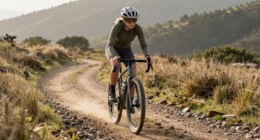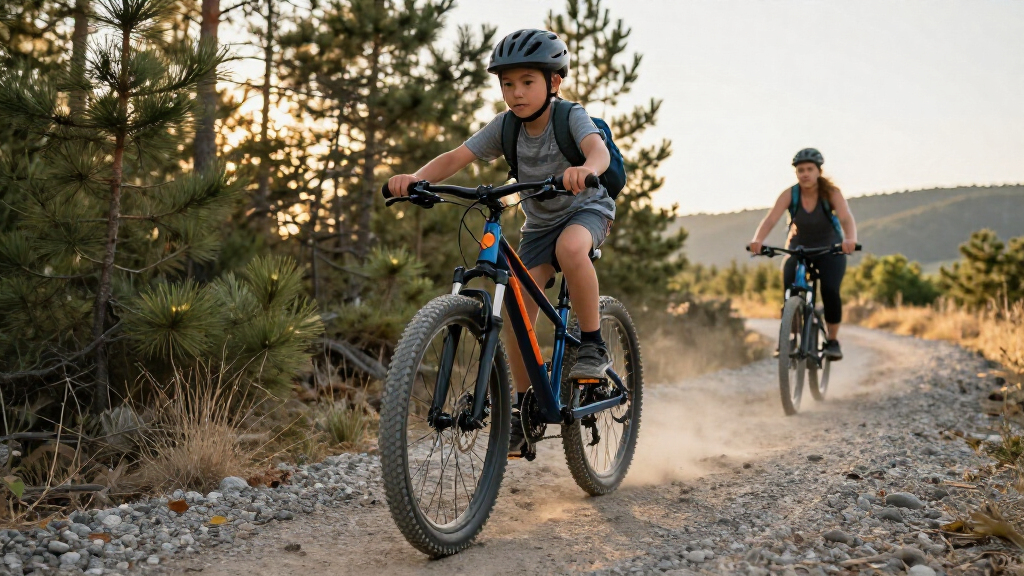

If you’re shopping for kids’ bikes with gears, the real question isn’t whether to get gears — it’s how many, on how light a frame, and with what kind of brakes. The woom GO 4 stands out as the best overall pick because it pairs a genuinely child-friendly 7-speed drivetrain with one of the lightest frames in this lineup, which matters far more than spec sheets suggest. For tougher terrain and older riders, the woom Explore 5 adds disc brakes and all-terrain tires, while the Retrospec Dart delivers a solid 7-speed setup for families who don’t want to spend premium money. The main tradeoff you’ll face: budget models like the WEIZE and CYBIC options cost less but weigh more and use cheaper shifters, which can frustrate smaller kids. Read on for the full breakdown of all 11 bikes and who each one actually suits.
Complete the kit


Key Takeaways
- Frame weight was the single biggest differentiator: the two woom models weighed dramatically less than similarly priced steel-framed options, making their gears far easier for kids to actually use on hills.
- Every bike in this lineup uses a 7-speed drivetrain or similar, but shifter quality varied widely — grip shifters on the woom bikes were noticeably easier for small hands than the twist shifters on budget models like the WEIZE and CYBIC.
- Disc brakes only appeared on the woom Explore 5; every other bike relied on linear pull or coaster-assisted brakes, which is fine for flat neighborhoods but a real limitation on steep trails.
- The Glerc family of bikes (beach cruiser, mountain bike, and Mesa) offered the widest wheel-size range at 20/24/26 inches, making them the strongest fit for tall kids or siblings sharing a bike across years.
- Several budget models arrived requiring meaningful assembly and derailleur adjustment, so the sticker price understates the true cost unless you’re comfortable tuning gears yourself.
| woom GO 4 Kids Bike, 20-Inch 7-Speed, Ages 6-8 |  | Best Overall | Wheel Size: 20 in | Speeds: 7 | Recommended Age: 6-8 years | VIEW LATEST PRICE | See Our Full Breakdown |
| Retrospec Dart 7-Speed Kids Hybrid Bike |  | Best for Growing Riders | Bike Type: Hybrid | Gears: 7-speed | Wheel Sizes: 20 and 24 inches | VIEW LATEST PRICE | See Our Full Breakdown |
| Glerc Girls Beach Cruiser Bike, 20/24/26 Inch, for Ages 6+ |  | Best Style Pick for Casual Riding | Wheel Size: 20 in (also 24 and 26 in) | Recommended Age: 6-12 years | Gears: 6-speed | VIEW LATEST PRICE | See Our Full Breakdown |
| Glerc Kids Mountain Bike, 20, 24, or 26 Inch |  | Best Gear Range for Trails | Frame Material: High-carbon steel | Drivetrain: 21-speed | Brakes: Disc brakes | VIEW LATEST PRICE | See Our Full Breakdown |
| WEIZE 20/24 inch Mountain Bike Trail MTB Bicycle for Teen Girls |  | Best Value Starter Mountain Bike | Frame Material: High carbon steel | Wheel Sizes: 20 and 24 inches | Brakes: Front and rear caliper brakes | VIEW LATEST PRICE | See Our Full Breakdown |
| Air Zone Aftershock 20″ Bike |  | Best Budget Suspension Pick | Wheel Size: 20″ | Suspension: Dual suspension | Speed: 6-speed | VIEW LATEST PRICE | See Our Full Breakdown |
| woom Explore 5 Kids All-Terrain Bike, 24-Inch, Ages 7-11, Disc Brakes |  | Best Premium All-Terrain | Wheel Size: 24 inches | Recommended Age: 7-11 years | Rider Height: 49″ – 57″ | VIEW LATEST PRICE | See Our Full Breakdown |
| CYBIC 20-Inch Kids Mountain Bike, 7-Speed |  | Best First Geared Bike | Wheel Size: 20 inches | Speeds: 7-speed twist grip | Frame Material: High-carbon steel | VIEW LATEST PRICE | See Our Full Breakdown |
| WEIZE Kids Mountain Bike, 20/24 Inch Youth Bicycle for Boys and Girls |  | Best for Growing Riders | Wheel Size: 20 inch / 24 inch | Drivetrain: 6-speed (20-inch) / 18-speed (24-inch) | Suspension: Dual (front fork and rear shock) | VIEW LATEST PRICE | See Our Full Breakdown |
| Glerc Mesa 20-Inch Kids’ Bike, 7-Speed |  | Best Straightforward Value | Wheel Size: 20 inches | Frame Material: High-tensile steel | Gears: 7-speed | VIEW LATEST PRICE | See Our Full Breakdown |
| 20″ & 24″ Kids Mountain Bike for Boys and Girls |  | Best for Growing Riders | Wheel Sizes: 20-inch and 24-inch | Rider Height Range (20-inch): 48-62 inches | Rider Height Range (24-inch): 4 ft 8 in to 5 ft 8 in | VIEW LATEST PRICE | See Our Full Breakdown |
| kids’ bikes with gear | Brakes | Frame Material | Wheel Size |
|---|---|---|---|
| woom GO 4 Kids Bike | Mini V-brakes with kid-sized levers | Aluminum | 20 in |
| Retrospec Dart 7-Speed Kids Hy | V-brakes with adjustable-reach levers | — | — |
| Glerc Girls Beach Cruiser Bike | Aluminum front and rear V-brakes | High-carbon steel | 20 in (also 24 and 26 in) |
| Glerc Kids Mountain Bike | Disc brakes | High-carbon steel | — |
| WEIZE 20/24 inch Mountain Bike | Front and rear caliper brakes | High carbon steel | — |
| Air Zone Aftershock 20" Bike | Front and rear linear pull brakes | — | 20" |
| woom Explore 5 Kids All-Terrai | Hydraulic flat mount disc brakes (160mm/140mm rotors) | Aluminum | 24 inches |
| CYBIC 20-Inch Kids Mountain Bi | Front and rear cable-actuated disc brakes | High-carbon steel | 20 inches |
| WEIZE Kids Mountain Bike | Front and rear V-brakes | High-carbon steel | 20 inch / 24 inch |
| Glerc Mesa 20-Inch Kids’ Bike | Front and rear V-brakes | High-tensile steel | 20 inches |
| 20" & 24" Kids Mountain Bike f | Front and rear disc brakes | — | — |
More Details on Our Top Picks
woom GO 4 Kids Bike, 20-Inch 7-Speed, Ages 6-8
This option stands out for one reason above all: weight. At roughly 17 lbs, the woom GO 4 is nearly half the heft of the Glerc Kids Mountain Bike or the Glerc Beach Cruiser, both of which come in around 30 lbs. For a six- to eight-year-old still building coordination, that difference determines whether the bike feels nimble or like wrestling a small appliance up a curb. The 7-speed twist shifter with a gear indicator is the smartest beginner drivetrain in this lineup — most competitors expect kids to shift blind. Tradeoffs are real, though: a rigid fork means rough trails transmit bumps straight to the handlebars, and the tight height range means kids outgrow it faster than adjustable hybrids like the Retrospec Dart.
Pros:- Featherweight aluminum frame is far easier for small riders to control than the 30-lb steel bikes here
- Twist shifter with a visible gear indicator makes learning to shift intuitive
- Kid-sized mini V-brakes require minimal hand strength
- Adjustable saddle extends useful life across a wide inseam range
Cons:- Rigid fork transmits vibration on rough unpaved surfaces
- Fit window is narrow — taller kids will outgrow it quickly
- Independent front and rear brake levers demand developing coordination
Best for: Parents of kids aged 6-8 who prioritize easy handling and want the easiest possible introduction to geared riding on pavement and light trails
Not ideal for: Families on rocky, rooty trails — the rigid fork and narrow gearing range are outmatched by the 21-speed Glerc mountain bike
- Wheel Size:20 in
- Speeds:7
- Recommended Age:6-8 years
- Frame Material:Aluminum
- Weight:17.2 lbs without pedals or kickstand
- Brakes:Mini V-brakes with kid-sized levers
- Shifter:Twist grip with gear indicator
- Rider Height Range:45-51 in
Our verdict“Buy this if your child is learning to shift and you value low weight over trail capability; skip it if your riding is mostly rough singletrack.”
Retrospec Dart 7-Speed Kids Hybrid Bike
Where the woom GO 4 is precision-fitted to a narrow age band, the Retrospec Dart bets on longevity: both seat height and handlebar position adjust, so the bike can be re-tuned as a child grows through several seasons. Compared with the single-size cruisers and mountain bikes in this lineup, that adjustability is a genuine cost-of-ownership advantage — one bike instead of two. The 7-speed drivetrain with grooved all-terrain tires and a suspension element makes it a solid pavement-to-gravel all-rounder, more versatile than the Glerc cruiser but less hard-core than the Glerc 21-speed mountain bike. The main frustration is informational: Retrospec lists both 20- and 24-inch versions without clear rider-size guidance, and no weight figure is published, which makes it hard to gauge handling for the youngest riders.
Pros:- Adjustable seat and handlebar positioning stretches the usable lifespan
- 7 speeds cover everything from bike paths to moderate hills
- Deep-groove all-terrain tires grip loose surfaces better than cruiser slicks
- Kid-sized V-brake levers with adjustable reach fit smaller hands
Cons:- Wheel-size-to-rider guidance is unclear between the 20- and 24-inch models
- No published weight or assembly details
Best for: Parents who want one bike to carry a child through multiple growth spurts and mixed pavement-and-gravel riding
Not ideal for: Buyers who need precise sizing confidence before ordering — the vague size and weight info makes a sight-unseen purchase risky
- Bike Type:Hybrid
- Gears:7-speed
- Wheel Sizes:20 and 24 inches
- Age Range:6-11 years
- Brakes:V-brakes with adjustable-reach levers
- Tires:All-terrain with deep grooves
- Frame:Lightweight, kid-specific geometry
Our verdict“This pick makes the most sense for families planning around a child’s growth rather than a perfect one-season fit.”
Glerc Girls Beach Cruiser Bike, 20/24/26 Inch, for Ages 6+
Not every geared bike needs to be a mountain machine. The Glerc Beach Cruiser trades trail ambition for personality: a retro frame, wicker-look basket, and leather-look saddle that make it the gift-friendly option here. Its 6-speed drivetrain is the lowest count in this batch — fewer than the Retrospec Dart’s 7 or the Glerc mountain bike’s 21 — which keeps shifting simple but limits steep-hill flexibility. Where the WEIZE and Glerc mountain bikes chase technical terrain, this model targets boardwalks, bike paths, and neighborhood streets, and its short-travel brake levers suit cautious first-time riders. The honest tradeoff: at 30 lbs of high-carbon steel, it weighs nearly twice the woom GO 4, so smaller kids will struggle on hills and when maneuvering it.
Pros:- Simple 6-speed drivetrain is unintimidating for first-time shifters
- Distinctive retro styling with basket and stitched-look saddle
- Short-travel brake levers give cautious beginners gentle speed control
- 85% pre-assembly with included tools and video keeps setup to about 25 minutes
Cons:- 30 lb steel frame is heavy relative to rivals like the 17-lb woom GO 4
- Six gears limit climbing ability on steep terrain
- Synthetic leather saddle may wear faster than genuine leather
Best for: Families wanting a stylish, low-pressure bike for neighborhood and bike-path riding where curb appeal matters
Not ideal for: Small or timid riders who will find 30 lbs unwieldy, and anyone riding hilly routes that expose the limited 6-speed range
- Wheel Size:20 in (also 24 and 26 in)
- Recommended Age:6-12 years
- Gears:6-speed
- Frame Material:High-carbon steel
- Brakes:Aluminum front and rear V-brakes
- Weight:30 lbs
- Height Range:46-59 in
- Assembly:85% pre-assembled, ~25 minutes
Our verdict“Choose this when looks and easy cruising matter more than weight and hill-climbing range.”
Glerc Kids Mountain Bike, 20, 24, or 26 Inch
For kids riding genuinely challenging terrain, the 21-speed drivetrain here is the headline: it triples the gear options of the woom GO 4 or Retrospec Dart, giving steep climbs a bailout gear and descents room to spin. Add disc brakes — the only set in this batch — plus a suspension fork, and the spec sheet reads like a shrunken adult trail bike. Those discs out-stop the caliper brakes on the WEIZE meaningfully in wet or muddy conditions. The catch is the familiar steel-bike tax: at 30 lbs in the 20-inch size, it’s the heaviest youth option here alongside the Glerc cruiser, which makes it a paradox for the smallest riders — capable on trails but exhausting to pedal uphill or load into a car. Sizing details beyond the 20-inch model are thin, so verify fit for 24- and 26-inch buyers.
Pros:- 21-speed drivetrain offers the widest gearing range in this lineup
- Disc brakes deliver stronger, more consistent stopping than V-brakes or calipers in mud and rain
- Suspension fork softens rock and root impacts
- Three wheel sizes let the bike scale up as kids grow
Cons:- 30 lb weight is heavy for the 6-12 age range it targets
- Detailed sizing only published for the 20-inch model
Best for: Trail-riding families whose kids face real hills and dirt, where disc brakes and a wide gear range pay off
Not ideal for: Smaller or lighter riders — 30 lbs is a lot of bike for a 45-inch-tall child to manage
- Frame Material:High-carbon steel
- Drivetrain:21-speed
- Brakes:Disc brakes
- Fork:Suspension fork
- Wheel Sizes:20, 24, and 26 inches
- 20-in Age Range:6-12 years
- 20-in Recommended Height:45-55 in
- 20-in Weight:30 lbs
Our verdict“Pick this for young riders who actually ride mountains; skip it for casual neighborhood use where the weight buys nothing.”
WEIZE 20/24 inch Mountain Bike Trail MTB Bicycle for Teen Girls
The WEIZE occupies the sensible middle of this roundup: it has a front suspension fork and a sturdy high-carbon-steel frame like the pricier Glerc mountain bike, but positions itself as an accessible entry point for girls and teens. The two-size range with published height guidance (42-56 inches for the 20-inch, 54-66 for the 24) is clearer than the Retrospec Dart’s vague sizing — genuinely useful when ordering online. Its weak point relative to the Glerc 21-speed is braking: caliper brakes are a step below both disc brakes and even good V-brakes in wet conditions, and a hard pull from speed takes noticeably longer. Steel also means it’s no lightweight, but with quick ~20-minute assembly and an adjustable saddle, it’s a practical package for a first geared mountain bike.
Pros:- Clear, published height ranges for both wheel sizes remove sizing guesswork
- Front suspension fork smooths rough trails for a confidence-boosting ride
- Height-adjustable saddle grows with the rider
- 85% pre-assembly with instructions and video means setup in about 20 minutes
Cons:- Caliper brakes offer less stopping power than the disc brakes on the Glerc mountain bike
- High-carbon steel frame keeps weight on the heavier side
Best for: Budget-conscious buyers getting a girl or teen her first geared mountain bike with clear size options
Not ideal for: Aggressive trail riders — caliper brakes and modest spec won’t keep pace with the disc-brake Glerc on steep or wet descents
- Frame Material:High carbon steel
- Wheel Sizes:20 and 24 inches
- Brakes:Front and rear caliper brakes
- Suspension:Front suspension fork
- 20-in Age Range:6-11 years (42-56 in tall)
- 24-in Age Range:8-14 years (54-66 in tall)
- Assembly:85% pre-installed, ~20 minutes
Our verdict“A practical, well-sized first mountain bike for casual trail use — as long as you accept its weaker brakes.”
Air Zone Aftershock 20″ Bike
The Air Zone Aftershock stands out for pairing dual suspension with a six-speed drivetrain at an entry-level price point — a combination you won’t find on simpler single-speed 20-inch bikes. The grip shift derailleur gives kids six gears to play with on hills, and the front and rear linear pull brakes offer dependable stopping for a bike in this class. Compared with the Glerc Mesa, the Aftershock trades some drivetrain range (six speeds versus seven) for rear-suspension comfort on bumpy sidewalks and gravel paths. The deluxe paint finish is a nice touch that keeps it looking sharp after scuffs.
The tradeoff is transparency: unlike the woom Explore 5, which publishes exact weights and fit ranges, this bike offers no published rider sizing or weight specs, so buyers are guessing on fit. It’s a sensible budget choice, but not one for detail-driven shoppers.
Pros:- Dual suspension absorbs bumps for a smoother, more comfortable ride
- Six-speed grip shift gearing supports hills and varied terrain
- Front and rear linear pull brakes deliver dependable control
- Deluxe paint finish resists looking worn from everyday scuffs
Cons:- No published rider height, inseam, or bike weight specs make sizing a guessing game
- Very limited product documentation compared with better-documented rivals
Best for: Budget-conscious parents who want suspension comfort and gears for casual neighborhood riding without paying premium prices
Not ideal for: Parents who need precise sizing and weight data before buying — the lack of published fit specs makes confident sizing impossible
- Wheel Size:20″
- Suspension:Dual suspension
- Speed:6-speed
- Shifter:Grip shift
- Brakes:Front and rear linear pull brakes
- Finish:Deluxe paint
Our verdict“A reasonable budget pick for casual rides if you’re comfortable estimating fit, but shoppers who want hard sizing data should look at the woom Explore 5 instead.”
woom Explore 5 Kids All-Terrain Bike, 24-Inch, Ages 7-11, Disc Brakes
This is the benchmark the rest of this lineup is measured against. The woom Explore 5 justifies its premium positioning with a 20.8-lb aluminum frame — dramatically lighter than the 28-lb Glerc Mesa — which translates directly into a child who can climb hills, lift the bike over curbs, and ride longer without fatigue. The 8-speed microSHIFT trigger shifter is easier for small hands than the twist grips on the CYBIC and WEIZE models, and the hydraulic disc brakes with size-matched rotors (160mm front, 140mm rear) offer modulation that cable-actuated discs simply can’t match.
Its honest limitations: the fit range of 49–57 inches is narrow, all-terrain tires drag on smooth pavement compared with a hybrid like the Retrospec Dart, and hydraulic brakes demand more careful maintenance than V-brakes. This pick makes the most sense for families who ride regularly and want a bike that grows skill, not just a bike that rolls.
Pros:- 20.8-lb aluminum frame makes climbing, handling, and carrying far easier than steel rivals
- Hydraulic disc brakes provide strong, responsive, well-modulated stopping power
- Trigger shifter is easier for small hands than twist-grip alternatives
- Kid-optimized geometry and ergonomic touchpoints support all-day comfort
Cons:- Narrow rider height and inseam range limits how long a child fits the bike
- All-terrain tires roll slower on smooth pavement
- Hydraulic brakes require more careful maintenance than V-brakes or cable discs
Best for: Families with committed young riders ages 7-11 who ride mixed terrain and want a lightweight, high-performance bike that rewards developing skills
Not ideal for: Casual sidewalk riders and buyers on tight budgets — the premium build and narrow fit range are wasted on occasional short rides
- Wheel Size:24 inches
- Recommended Age:7-11 years
- Rider Height:49″ – 57″
- Bike Weight:20.8 lbs
- Rider Weight Limit:155 lbs
- Frame Material:Aluminum
- Gears:8-speed microSHIFT Acolyte trigger shifter
- Brakes:Hydraulic flat mount disc brakes (160mm/140mm rotors)
Our verdict“The best-performing bike in this lineup for serious young riders, provided the rider fits the 49–57 inch range and the family will maintain it.”
CYBIC 20-Inch Kids Mountain Bike, 7-Speed
The CYBIC earns its spot as the smart first geared bike: it bundles a 7-speed twist-grip drivetrain, front and rear cable disc brakes, and a front suspension fork into one approachable package for riders ages 6–10. The twist shifter is a deliberate choice here — for kids graduating from single-speed bikes, twisting a grip is more intuitive than a trigger, whereas the woom Explore 5‘s trigger shifter suits riders who already have shifting experience. The wide 20 × 2.125-inch tires add stability that builds confidence on loose surfaces.
Where it falls behind: the high-carbon steel frame makes it noticeably heavier than aluminum options like the woom, which matters on hills and when a tired six-year-old asks to be carried home. Cable-actuated discs also need more frequent adjustment than hydraulics. Compared with the Glerc Mesa, you get disc brakes instead of V-brakes, but at a similar weight penalty. Arriving 85% pre-assembled with a tool kit softens the setup burden.
Pros:- Seven speeds with an intuitive twist-grip shifter suited to first-time gear users
- Front and rear disc brakes provide strong stopping power
- Front suspension fork smooths out bumps and curbs
- Arrives 85% pre-assembled with included tool kit and 1-year warranty
Cons:- High-carbon steel frame is heavy for younger riders in this age range
- Requires some assembly and brake adjustments out of the box
Best for: Kids ages 6-10 getting their first geared bike who want disc brakes and suspension without a complicated trigger shifter
Not ideal for: Small or less athletic riders — the steel frame’s weight makes hills and maneuvering harder than on the aluminum woom Explore 5
- Wheel Size:20 inches
- Speeds:7-speed twist grip
- Frame Material:High-carbon steel
- Suspension:Front fork
- Brakes:Front and rear cable-actuated disc brakes
- Tires:20 × 2.125 inches
- Recommended Age / Height:6-10 years, 4’1″-4’9″ (125-145 cm)
- Warranty:1 year
Our verdict“A well-equipped first geared bike for kids ready to move beyond single-speeds, as long as the steel weight won’t overwhelm a smaller rider.”
WEIZE Kids Mountain Bike, 20/24 Inch Youth Bicycle for Boys and Girls
The WEIZE‘s strongest argument is fit flexibility: it comes in both 20-inch and 24-inch versions covering riders from roughly 48 to 66 inches tall, and the 24-inch model jumps to an 18-speed drivetrain — the widest gear range in this batch. That makes it the practical choice for a child between sizes, or for a family matching siblings to one brand. The dual suspension mirrors the Air Zone Aftershock‘s comfort-first approach, while the responsive V-brakes are easier for parents to adjust at home than the CYBIC’s cable discs.
The compromises are real, though. The steel frame keeps the price down but adds weight, and the plastic wheels raise durability questions that aluminum-rimmed competitors like the woom Explore 5 don’t face. This is a neighborhood-and-light-trail bike, not a true mountain bike — pushing it hard on technical terrain will expose its limits quickly.
Pros:- Two wheel sizes (20 and 24 inch) cover a wide height range of growing riders
- 18-speed drivetrain on the 24-inch model offers the widest gear range in this lineup
- Dual suspension improves comfort on uneven neighborhood terrain
- V-brakes are simple for parents to maintain and adjust at home
Cons:- Steel frame is heavier than aluminum alternatives like the woom Explore 5
- Plastic wheels may be less durable than aluminum rims
- Built for light trails only, not serious mountain biking
Best for: Families with growing riders between sizes who want dual-suspension comfort and a clear upgrade path within the same model line
Not ideal for: Riders who will tackle aggressive trails — the plastic wheels and steel weight make this strictly a light-trail and pavement bike
- Wheel Size:20 inch / 24 inch
- Drivetrain:6-speed (20-inch) / 18-speed (24-inch)
- Suspension:Dual (front fork and rear shock)
- Frame Material:High-carbon steel
- Brakes:Front and rear V-brakes
- Recommended Rider Height:48-55 inches (20-inch) / 52-66 inches (24-inch)
- Warranty:1 year
Our verdict“The smart pick when your child sits between sizes or will outgrow a 20-inch bike soon, provided riding stays on mild terrain.”
Glerc Mesa 20-Inch Kids’ Bike, 7-Speed
The Glerc Mesa is the no-drama choice: a 7-speed drivetrain, front and rear V-brakes, and a durable high-tensile steel frame doing exactly what’s advertised, with none of the complexity of suspension or disc systems. Compared with the CYBIC, the Mesa swaps disc brakes for simpler V-brakes — fewer moving parts, easier home maintenance, and no cable-hydraulic adjustments to worry about. Unlike the Air Zone Aftershock, Glerc publishes full fit specs (45–55 inches tall, 21–25 inch inseam), which takes the guesswork out of ordering. Its wide age range of 6–12 years also gives it longer usable life than more narrowly fitted bikes.
The honest cost of that simplicity is weight: at 28 lbs, it’s over seven pounds heavier than the woom Explore 5, and smaller six-year-olds may struggle on inclines. Some assembly is required, though tools arrive in the box.
Pros:- 7-speed gearing handles varied neighborhood terrain
- V-brakes are dependable and easy for parents to service at home
- Published height and inseam specs take guesswork out of sizing
- Fits a wide 6-12 year age range for longer usable life
Cons:- Weighs 28 lbs, making it one of the heaviest options here
- Requires partial assembly before first ride
Best for: Parents who want a simple, honestly specified 7-speed bike with easy V-brake maintenance and a generous 6-12 year fit range
Not ideal for: Smaller or younger riders in the age range — at 28 lbs, this bike is heavy for a six-year-old to pedal uphill or maneuver
- Wheel Size:20 inches
- Frame Material:High-tensile steel
- Gears:7-speed
- Brakes:Front and rear V-brakes
- Recommended Age:6-12 years
- Recommended Height / Inseam:45-55 inches / 21-25 inches
- Weight:28 lbs
- Assembly:85% pre-assembled with tools included
Our verdict“A dependable, transparently specified value pick for families who prioritize simplicity and long fit life over lightweight performance.”
20″ & 24″ Kids Mountain Bike for Boys and Girls
I’d slot this 20- and 24-inch Kids Mountain Bike as the pick for families who want one bike to cover a changing rider rather than a single-size neighborhood machine. The front suspension fork and disc brakes give it more control on gravel and uneven paths than a simpler hybrid such as the Retrospec Dart 7-Speed Kids Hybrid Bike, while the 20-inch 7-speed setup is easier for a newer rider than the 24-inch 21-speed version. The quick-release seat helps siblings or growing kids share the bike, and the spoke-free mag wheels reduce the chance of bent spokes. The tradeoff is focus: it is built for light trails and casual riding, not hard jumping or rough mountain biking, and buyers should still budget about 20 minutes for final setup.
Pros:- Two wheel sizes cover a broad height range, which helps growing riders or siblings
- Front suspension and disc brakes add control on gravel, grass, and uneven pavement
- Spoke-free magnesium alloy wheels are durable and avoid typical spoke concerns
- Quick-release seatpost makes height changes fast, and 85% pre-assembly shortens setup
Cons:- The light-trail design is not suited to aggressive mountain biking, jumps, or bike-park riding
- The 24-inch 21-speed drivetrain may be too complex for a first-time geared rider
- Final assembly still requires about 20 minutes and basic bike checks
Best for: Families shopping for a growing child who wants a geared bike for neighborhood rides, school trips, and light gravel paths.
Not ideal for: Serious young trail riders who need a tougher bike for jumps, roots, or frequent rough terrain.
- Wheel Sizes:20-inch and 24-inch
- Rider Height Range (20-inch):48-62 inches
- Rider Height Range (24-inch):4 ft 8 in to 5 ft 8 in
- Drivetrain:7-speed on 20-inch, 21-speed on 24-inch
- Brakes:Front and rear disc brakes
- Suspension:Front suspension fork
- Wheels:Magnesium alloy mag wheels
- Assembly:85% pre-assembled, about 20 minutes setup
Our verdict“This is a practical choice for families who want one geared mountain-style bike that can adapt as the rider grows, as long as they keep it to light trails.”

How We Picked
I evaluated these 11 bikes against four criteria that directly affect whether a child will enjoy riding with gears. Drivetrain usability came first: a 7-speed setup is only useful if the shifter is easy for small hands to operate and the derailleur shifts reliably under real-world abuse. Weight-to-size ratio was second, because a heavy bike negates the benefit of gears — a 35-pound bike with a 45-pound rider climbing a hill is a struggle no gear range fixes. Braking system factored in heavily for trail-oriented picks, where disc brakes earned an edge over linear pull brakes. Finally, I weighed fit flexibility and value, including wheel-size range, growth room, and what assembly or maintenance the price implies.
The ranking logic follows a simple principle: bikes that make gears genuinely usable for children placed higher than bikes that simply have gears on the spec sheet. That’s why the woom models lead despite their premium positioning — their combination of low weight and child-scaled components solves the core problem this category exists for. Mid-ranked bikes like the Retrospec Dart and Glerc Mesa balance capability and cost effectively, while budget options ranked lower not because they’re bad purchases, but because they demand compromises (weight, shifter quality, assembly work) that some buyers should know about before choosing them.
| kids’ bikes with gear | Frame Material |
|---|---|
| woom GO 4 Kids Bike | Aluminum |
| Retrospec Dart 7-Speed Kids Hy | — |
| Glerc Girls Beach Cruiser Bike | High-carbon steel |
| Glerc Kids Mountain Bike | High-carbon steel |
| WEIZE 20/24 inch Mountain Bike | High carbon steel |
| Air Zone Aftershock 20" Bike | — |
| woom Explore 5 Kids All-Terrai | Aluminum |
| CYBIC 20-Inch Kids Mountain Bi | High-carbon steel |
| WEIZE Kids Mountain Bike | High-carbon steel |
| Glerc Mesa 20-Inch Kids’ Bike | High-tensile steel |
| 20" & 24" Kids Mountain Bike f | — |
Factors to Consider When Choosing Best Kids’ Bikes With Gears
Choosing a kids’ bike with gears involves more than picking a wheel size and color. These are the factors that most often make the difference between a bike that gets ridden daily and one that gathers dust in the garage.Weight Matters More Than Gears
The most common mistake parents make is buying a geared bike that’s too heavy for the child riding it. A good rule of thumb: the bike should weigh no more than 40% of your child’s body weight, and ideally closer to 30%. Premium kids’ brands engineer frames from aluminum and use lighter components specifically to hit this target, while budget steel-framed bikes can weigh nearly as much as an adult’s bike in a 20-inch size. If your child weighs 50 pounds and the bike weighs 33, gears won’t rescue the experience on anything but flat ground. Before comparing drivetrains, compare weights — this single number predicts riding enjoyment better than any other spec. When a manufacturer doesn’t publish weight, treat that as a warning sign and plan on a heavier machine.
Shifter Type and Reach
Not all 7-speed setups are equal, because the shifter is where your child actually interacts with the gears. Grip shifters that rotate with the wrist tend to work well for kids since they don’t require thumb strength or precise finger reach. Trigger shifters can be crisper but often sit too far from the bars for small hands, causing missed shifts and frustration. Test whether your child can actuate the shifter while seated and gripping normally — if they have to reposition their hand, they’ll abandon the gears entirely and ride in one speed, defeating the purpose. Also check that the derailleur is tuned before the first ride; many mass-market bikes arrive with sloppy shifting that teaches kids gears are ‘broken.’ A ten-minute adjustment at a local shop transforms the experience.
Wheel Size and Growth Room
Buying ‘a size up so they grow into it’ is the most persistent myth in kids’ bikes, and it actively harms riding. An oversized bike forces your child to stretch for the bars and touch the ground on tiptoes, which kills confidence and control — especially dangerous once speeds increase with gears. Match the wheel size to current inseam, not age ranges on the box, since kids vary enormously. 20-inch wheels typically fit ages 6–8, 24-inch fits 8–11, and 26-inch suits taller kids approaching teen sizes. If you’re buying for longevity, choose a model offered in multiple wheel sizes (like the Glerc line) so hand-me-downs work across siblings rather than stretching one bike across too many years for one child.
Brakes: Coaster, Linear Pull, or Disc
Gears raise the speeds kids reach, which raises the stakes on braking. Coaster brakes (pedal backward to stop) are intuitive for beginners but perform poorly on long descents and interfere with learning to reposition pedals. Linear pull rim brakes are the standard middle ground — effective and easy to maintain, though performance drops in wet conditions. Disc brakes, found only on the woom Explore 5 in this lineup, offer the strongest and most consistent stopping, which matters if your family rides real trails. For flat neighborhood riding, rim brakes are perfectly adequate and cheaper to maintain. Reserve disc brake spending for kids who genuinely ride terrain where the extra power gets used; otherwise that money is better spent on a lighter frame.
Assembly and Ongoing Maintenance Reality
Geared bikes introduce maintenance that single-speed bikes never demanded: derailleurs go out of adjustment, cables stretch, and chains wear. Budget bikes frequently arrive partially assembled with unindexed shifters, and if you’re not comfortable adjusting a barrel adjuster or straightening a bent derailleur hanger, budget an extra shop visit on top of the purchase price. Premium brands often ship better-tuned or offer dealer support, which is part of what you’re paying for. Before buying, honestly assess your own wrenching willingness. Also plan for a tune-up after the first month of riding, when cables settle — skipping this step is why so many kids’ geared bikes end up stuck in one gear within a season.
Riding Terrain Should Drive the Decision
A bike that’s excellent on pavement can be miserable on trails, and vice versa. Cruiser-style bikes like the Glerc Girls Beach Cruiser prioritize comfortable upright posture and smooth-rolling tires for sidewalks and bike paths, with gearing tuned for gentle terrain. Mountain-style bikes add knobby tires, wider tire clearance, and sometimes suspension, which helps on dirt but adds weight and rolling resistance on pavement. Hybrid models like the Retrospec Dart split the difference and suit families who ride a mix. Match the bike to where your child actually rides 80% of the time, not the occasional adventure — an over-specced trail bike used for school runs just becomes a heavy, slow commuter.
Frequently Asked Questions
What age should a kid start riding a bike with gears?
Most kids are ready for gears around age 6, once they’ve mastered balance, confident braking, and pedaling without thinking about it. The transition works best on 20-inch wheel bikes like the woom GO 4 or Glerc Mesa, which are built around that developmental stage. Introducing gears too early — before a child brakes instinctively — splits their attention and can create unsafe hesitation at intersections. If your 6-year-old still wobbles or forgets to brake, spend another season on a single-speed first; they lose nothing by waiting a few months. The right signal is when your child starts complaining about hills or wanting to go faster than their legs allow.
Is 7 speeds enough, or should I look for more gears?
For the vast majority of kids, 7 speeds is the sweet spot, and every bike in this roundup uses that configuration for good reason. More gears add weight, complexity, and more things to break, while a well-spaced 7-speed range covers everything from steep climbs to fast descents for child-sized legs and speeds. Drivetrains with 20+ speeds exist mainly for adult racing scenarios kids never encounter. What matters far more than gear count is whether the range is well-spaced and whether the shifter is easy for small hands to operate. A light bike with 7 well-chosen gears outperforms a heavy bike with 21 poorly tuned ones every time.
Are premium kids’ bikes like woom really worth the extra money?
It depends on how much your child rides and whether you’ll resell or hand the bike down. Premium bikes justify their cost through weight savings of 5–10 pounds versus budget steel models, child-scaled components that actually fit small bodies, and better resale value — lightly used woom bikes hold their value unusually well in secondhand markets. If your child rides weekly or daily, the lighter frame translates directly into longer rides and less complaining on hills. For a child who rides occasionally around the neighborhood, a mid-range option like the Retrospec Dart delivers 80% of the experience at a fraction of the cost. The honest answer: premium bikes are worth it for committed riding families and a stretch for casual ones.
Do kids’ mountain bikes need suspension forks?
Usually not, despite how the marketing looks. Cheap suspension forks on budget kids’ bikes add significant weight, bounce under pedaling, and rarely provide meaningful damping — they exist mostly for shelf appeal. A rigid fork with slightly wider, high-quality tires absorbs trail chatter better at kids’ speeds and weights. Genuinely functional suspension exists on high-end kids’ bikes, but at this price range a rigid fork is typically the better-performing choice. If your child rides genuinely rough terrain regularly, prioritize good tires, brakes, and a light frame over suspension badges. The woom Explore 5’s approach — rigid fork plus capable tires and disc brakes — reflects what actually works on real trails.
My child is between wheel sizes — should I size up or down?
Size down, every time. A slightly small bike is agile, confidence-building, and safe — your child can touch the ground, control the bars, and grow into the standover height within a season. A slightly big bike forces tiptoe stops and stretched arms, which undermines the very control that gears demand at higher speeds. Measure your child’s inseam and compare it to the manufacturer’s standover height rather than relying on age labels, which vary wildly between brands. If budgets allow, plan on bikes lasting 2–3 seasons per size, so buying the smaller fit means one extra season of safe riding before the next bike. Growing kids lose far more riding time to fear on an oversized bike than they gain from ‘growing room.’
Conclusion
For most families, the woom GO 4 is the best overall choice — its light frame and child-friendly shifter make gears genuinely usable for 6-to-8-year-olds, which is the entire point of this category. For best value, the Retrospec Dart delivers a capable 7-speed hybrid at a mid-range price, and the WEIZE Kids Mountain Bike undercuts nearly everything if you’re comfortable handling assembly and minor tuning yourself. The woom Explore 5 is the clear premium and trail pick, with disc brakes and all-terrain capability for kids who ride real dirt.
For beginners just graduating from single-speeds, the Glerc Mesa offers a gentle entry point with its approachable gearing, while the Glerc Girls Beach Cruiser suits laid-back sidewalk and bike-path riders who value comfort over speed. Tall kids or families sharing across siblings should look at the Glerc Kids Mountain Bike and Glerc Mesa with their 20/24/26-inch size range, and style-conscious riders will appreciate the Air Zone Aftershock or CYBIC 20-Inch designs. Whatever you choose, match the bike to your child’s current size and actual terrain — those two decisions predict satisfaction more than any spec on the box.