
The best indoor cycling trainer for most riders is the Wahoo KICKR V6, which pairs smart resistance control with broad app compatibility and a practical feature set. For a high-end ride feel, the Garmin Tacx NEO 3M stands out, while the Saris Fluid2 is a simpler wheel-on choice for riders who do not need connected workouts. The main tradeoffs are smart features versus simplicity, direct-drive stability versus wheel-on convenience, and advanced performance versus setup and storage needs. I compared all 13 options across those priorities so you can match a trainer to your bike, training style, and available space. Read on for the full breakdown and a buying guide that clarifies what matters before you choose.

Get sports gear delivered free with Prime
- Fast, free delivery on millions of items
- Prime Video, Amazon Music and more included
- Member-only deals all year
Complete the kit


Key Takeaways
- The Wahoo KICKR V6 is the strongest all-around smart-trainer fit: it offers a useful balance of connected training features and versatility without moving to a dedicated trainer bike.
- The premium choices solve different problems: Garmin Tacx NEO 3M and NEO 2T focus on high-end smart-trainer performance, while the Wahoo KICKR Bike Pro is a complete indoor cycling setup rather than a trainer for your existing bike.
- Wheel-on trainers prioritize simplicity over simulation: the Saris Fluid2, Garmin Tacx Boost, and Alpcour models can suit straightforward indoor riding, but they do not offer the same direct-drive experience as the smart trainers.
- Smart-trainer specifications need context: the ThinkRider XXPRO and CYCPLUS R200 advertise high power and gradient figures, but those numbers alone do not establish app compatibility, ride feel, or setup quality.
- Space and bike fit can outweigh headline performance: a foldable stand may be easier to store, while a direct-drive trainer or dedicated bike can make more sense for frequent structured sessions.
| Alpcour Foldable Magnetic Indoor Bike Trainer Stand |  | Best for Adjustable, Packable Training | Resistance mechanism: Magnetic | Resistance settings: 6 | Compatible wheel sizes: 26–28 inches, 29 inches, and 700c listed | VIEW LATEST PRICE | See Our Full Breakdown |
| Alpcour Fluid Bike Trainer Stand for Indoor Riding |  | Best for Progressive Fluid Resistance | Resistance mechanism: Fluid | Compatible wheel sizes: 26–29 inches and 700c | Frame material: Stainless steel | VIEW LATEST PRICE | See Our Full Breakdown |
| Magnetic Indoor Bike Trainer Stand |  | Best for Quick, No-Tool Setup | Resistance: 6 adjustable levels | Weight capacity: 330 pounds | Compatible wheel sizes: 26–29 inches and 700c | VIEW LATEST PRICE | See Our Full Breakdown |
| Tacx Flux S Smart Direct-Drive Bike Trainer | 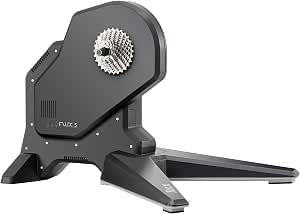 | Best for Smart, Structured Training | Resistance mechanism: Electromagnetic | Power accuracy: Within 3% | Maximum simulated incline: 10% | VIEW LATEST PRICE | See Our Full Breakdown |
| Saris Fluid2 Indoor Bike Trainer for Road and Mountain Bikes |  | Best for Smooth, Low-Fuss Riding | Resistance mechanism: Fluid | Compatible bike types: Hybrid, mountain, and road bikes | Frame material: Aluminum | VIEW LATEST PRICE | See Our Full Breakdown |
| Garmin Tacx Boost Indoor Bike Trainer |  | Best for Simple, Non-Smart Training | Resistance mechanism: Magnetic | Resistance levels: 10 | Maximum power: 1,050 watts | VIEW LATEST PRICE | See Our Full Breakdown |
| ThinkRider XXPRO Smart Bike Trainer, 2500W, 25% Gradient |  | Best for Steep Virtual Climbs | Resistance mechanism: Electromagnetic | Maximum power: 2,500 W | Maximum simulated gradient: 25% | VIEW LATEST PRICE | See Our Full Breakdown |
| ThinkRider X2Max Smart Bike Trainer |  | Best Midrange Smart Direct-Drive Pick | Resistance mechanism: Electromagnetic | Maximum power: Up to 2,000 W | Power-meter error: ±2% | VIEW LATEST PRICE | See Our Full Breakdown |
| Wahoo Fitness KICKR Bike Pro Indoor Trainer |  | Best Premium All-in-One Indoor Bike | Maximum power output: 2,500 W | Power accuracy: ±1% | Connectivity: Wi-Fi | VIEW LATEST PRICE | See Our Full Breakdown |
| Garmin Tacx NEO 3M Smart Trainer |  | Best for Realistic Road Feel | Trainer type: Direct-drive smart trainer | Maximum power: 2,200 watts | Maximum simulated incline: 25% | VIEW LATEST PRICE | See Our Full Breakdown |
| CYCPLUS R200 Smart Bike Trainer, 2200 W, 19% Gradient |  | Best for High-Resistance Climbing | Peak power: 2,200 W | Max torque: 80 N·m | Power accuracy: ±1% | VIEW LATEST PRICE | See Our Full Breakdown |
| Garmin Tacx NEO 2T Smart Trainer |  | Best for Quiet, Smooth Training | Resistance: Magnetic, with 32 neodymium magnets | Foldable: Yes | Wireless connectivity: ANT+ and Bluetooth | VIEW LATEST PRICE | See Our Full Breakdown |
| Wahoo KICKR V6 Smart Indoor Trainer |  | Best for Wi-Fi and Low-Maintenance Calibration | Maximum resistance: 2,200 W | Power accuracy: ±1% | Connectivity: 2.4 GHz Wi-Fi | VIEW LATEST PRICE | See Our Full Breakdown |
| indoor cycling trainer | Resistance mechanism | Warranty | Item weight |
|---|---|---|---|
| Alpcour Foldable Magnetic Indo | Magnetic | — | 9.34 kg |
| Alpcour Fluid Bike Trainer Sta | Fluid | 2 years | — |
| Magnetic Indoor Bike Trainer S | — | — | — |
| Tacx Flux S Smart Direct-Drive | Electromagnetic | 2-year limited warranty | 50 pounds |
| Saris Fluid2 Indoor Bike Train | Fluid | Limited lifetime | 7.3 pounds |
| Garmin Tacx Boost Indoor Bike | Magnetic | 1 year limited warranty | 8.5 kg |
| ThinkRider XXPRO Smart Bike Tr | Electromagnetic | 1 year | — |
| ThinkRider X2Max Smart Bike Tr | Electromagnetic | — | 35.2 pounds |
| Wahoo Fitness KICKR Bike Pro I | Magnetic | 1 year manufacturer | 42 kg |
| Garmin Tacx NEO 3M Smart Train | — | 1 year limited warranty | 52 pounds |
| CYCPLUS R200 Smart Bike Traine | Magnetic | 2 years | — |
| Garmin Tacx NEO 2T Smart Train | — | — | — |
| Wahoo KICKR V6 Smart Indoor Tr | Electromagnetic | 1 year | 22 kg |
More Details on Our Top Picks
Alpcour Foldable Magnetic Indoor Bike Trainer Stand
I’d choose the Alpcour Foldable Magnetic Trainer for riders who want several resistance steps without moving up to a smart direct-drive setup. Its six handlebar-controlled levels let you change effort during a ride, while the included riser block helps keep the front wheel level. Compared with the Alpcour Fluid Bike Trainer, this model gives you manual resistance choices; the fluid trainer instead increases resistance as your pedaling speed rises. The foldable frame and carrying bag make this a practical pick when storage space matters, though its 9.34 kg weight means it is portable rather than especially light. Check your tire size before buying: the compatibility listing uses more than one wheel-size range. Magnetic resistance can also make some noise, especially with rough mountain-bike tires.
Pros:- Six resistance levels adjust from the handlebar
- Folding stainless steel frame and carrying bag support storage and transport
- Front wheel riser block and wide base help stabilize the bike
- Fits several common road and mountain bike wheel sizes
Cons:- Wheel-size compatibility is described inconsistently, so buyers should confirm fit
- Magnetic resistance may be audible, particularly with mountain-bike tires
- At 9.34 kg, it is heavier to carry than its folding design may suggest
Best for: Road or mountain bike owners who want handlebar-adjustable resistance and need to fold away their trainer between rides
Not ideal for: Riders seeking app-controlled workouts, near-silent operation, or a clearly specified wheel-fit range without checking compatibility first
- Resistance mechanism:Magnetic
- Resistance settings:6
- Compatible wheel sizes:26–28 inches, 29 inches, and 700c listed
- Bike types:Road and mountain bikes
- Frame material:Stainless steel
- Dimensions:21.5 × 19 × 16.5 inches
- Item weight:9.34 kg
- Included accessories:Front wheel riser block and carrying bag
Our verdict“Choose this Alpcour if you want manual resistance changes and a foldable stand, but skip it if quiet, app-driven training is your priority.”
Alpcour Fluid Bike Trainer Stand for Indoor Riding
The Alpcour Fluid Bike Trainer suits riders who want resistance to rise naturally as they pedal harder, rather than selecting a fixed level. That gives it a more road-like effort pattern than the six-step magnetic Alpcour Foldable Magnetic Trainer, whose resistance is manually adjusted from the handlebar. The fluid model also lists a 300-pound load capacity, a stainless steel frame, and a dual-lock system, making stability a central part of its appeal. Its foldable design, riser block, and carrying bag help with storage, though it is still a wheel-on trainer and depends on the bike’s tire contacting the roller. There is only one resistance setting, so riders who want quick, discrete resistance changes may prefer the magnetic Alpcour. The noise-reduction claim has no measured level, so tire choice and riding surface still matter.
Pros:- Progressive fluid resistance increases as pedaling speed rises
- Foldable frame, carrying bag, and front wheel riser support practical storage and setup
- Stainless steel frame, anti-slip pads, and dual-lock system support stability
- Listed compatibility covers 26–29-inch and 700c wheels
Cons:- Single resistance setting offers less direct control than the six-level Alpcour magnetic trainer
- Noise reduction is claimed without a measured noise level
- As a wheel-on design, it relies on tire-to-roller contact
Best for: Road and mountain bike riders who prefer resistance that builds with pedaling speed and want a foldable wheel-on trainer
Not ideal for: Riders who want handlebar-selectable resistance levels, direct-drive app control, or documented noise measurements
- Resistance mechanism:Fluid
- Compatible wheel sizes:26–29 inches and 700c
- Frame material:Stainless steel
- Load capacity:300 pounds
- Dimensions:19 × 19 × 18 inches
- Included components:Bike trainer, front wheel riser block, and carrying bag
- Warranty:2 years
- Model:APC-BTSFBK
Our verdict“Pick this model for speed-responsive fluid resistance and a portable frame, but choose the magnetic Alpcour if you want selectable resistance steps.”
Magnetic Indoor Bike Trainer Stand
For a straightforward indoor setup, this folding magnetic trainer pairs six handlebar-adjustable resistance levels with a quick clamp that requires no tools. That ease of setup gives it an edge over the Saris Fluid2 for riders who want to mount a bike and select a resistance level without adding a separate sensor for app use. Its listed 330-pound weight capacity is also higher than the 300-pound capacities stated for the Alpcour fluid trainer and Tacx Flux S. The tradeoff is a familiar wheel-on limitation: tire noise can become pronounced with mountain-bike tread, and smooth tires or a carpet may help reduce sound and vibration. It folds for storage, but the supplied information does not list a carrying bag or dimensions, so its folded footprint is less clear than the Alpcour magnetic stand’s.
Pros:- Six resistance levels adjust from the handlebars
- Quick-clamp folding setup requires no tools
- Listed 330-pound weight capacity
- Fits 26–29-inch and 700c wheels
Cons:- Mountain-bike tires may create substantial noise and vibration
- Smooth tires or a carpet may be needed to reduce sound
- Dimensions and a carrying bag are not listed in the provided product data
Best for: Riders who want a simple, tool-free wheel-on trainer with adjustable resistance and a high listed weight capacity
Not ideal for: Mountain-bike owners who need quiet sessions with knobby tires, or buyers who need stated dimensions and included transport accessories
- Resistance:6 adjustable levels
- Weight capacity:330 pounds
- Compatible wheel sizes:26–29 inches and 700c
- Setup:Folding design with quick clamp; no tools required
- Resistance adjustment:Handlebar control
- Tire noise guidance:Smooth tires or carpet may help reduce noise and vibration
Our verdict“Choose this stand for quick setup and adjustable resistance, but look at the Tacx Flux S if app-connected direct-drive training matters more than simplicity.”
Tacx Flux S Smart Direct-Drive Bike Trainer
The Tacx Flux S is the clear step up for riders who want app-connected workouts and measured power, rather than a basic wheel-on stand. Its direct-drive design removes the rear tire from the resistance unit, and the trainer reports power within 3% accuracy while simulating inclines up to 10%. That makes it better suited to structured sessions on Zwift or Tacx Training than the Saris Fluid2, which needs a separately sold speed or cadence sensor for app use and does not list power accuracy. The Flux S also offers up to 1,500 watts of sprint resistance and a heavy flywheel for a more substantial ride feel. Its main compromise is portability: at 50 pounds, it is far less convenient to move or store than either wheel-on option.
Pros:- Direct-drive setup supports quiet operation without rear-tire roller contact
- Power measurement is specified within 3% accuracy
- Simulates inclines up to 10% and provides up to 1,500 watts of sprint resistance
- Works with Zwift, Tacx Training, and other training apps
Cons:- 50-pound weight makes moving and storing it difficult
- Costs more setup effort than a basic wheel-on stand because the bike connects directly to the trainer
- App-focused functions may be unnecessary for riders who only want casual indoor pedaling
Best for: Dedicated indoor cyclists who want app-based training, power data, and simulated climbs on a direct-drive trainer
Not ideal for: Riders with limited storage or anyone who needs a lightweight trainer that is easy to carry between rooms
- Resistance mechanism:Electromagnetic
- Power accuracy:Within 3%
- Maximum simulated incline:10%
- Maximum sprint resistance:1,500 watts
- Item weight:50 pounds
- Load capacity:300 pounds
- App compatibility:Zwift, Tacx Training, and other training apps
- Warranty:2-year limited warranty
Our verdict“Choose the Tacx Flux S for serious app-based workouts and power feedback, but select a foldable wheel-on trainer if easy storage is the priority.”
Saris Fluid2 Indoor Bike Trainer for Road and Mountain Bikes
The Saris Fluid2 is a sensible fit for riders who value smooth, progressive resistance more than built-in smart features. Its precision-balanced flywheel and fluid mechanism are designed to make harder pedaling feel progressively more demanding, a different approach from the Alpcour Foldable Magnetic Trainer, which offers six manually selected levels. The Fluid2’s foldable frame and broad bike-type compatibility make it practical for households with road, mountain, or hybrid bikes. It can also work with Zwift and Rouvy, but only when paired with a separately sold speed or cadence sensor; unlike the direct-drive Tacx Flux S, it does not provide stated power accuracy or simulated incline figures. The listed 7.3-pound weight supports easier handling, while its wheel-on format means tire noise and roller contact remain part of the experience.
Pros:- Progressive fluid resistance and a balanced flywheel support a smooth, road-like feel
- Foldable frame helps with compact storage
- Compatible with hybrid, mountain, and road bikes
- Limited lifetime warranty
Cons:- Speed or cadence sensor is sold separately for Zwift or Rouvy use
- No power accuracy or simulated incline figures are listed
- Wheel-on design retains tire-to-roller contact and its associated noise
Best for: Road, hybrid, and mountain bike owners who want a foldable fluid trainer for smooth indoor rides and optional sensor-based app tracking
Not ideal for: Structured-training riders who need built-in power measurement, simulated climbs, or app use without buying an extra sensor
- Resistance mechanism:Fluid
- Compatible bike types:Hybrid, mountain, and road bikes
- Frame material:Aluminum
- Item weight:7.3 pounds
- Dimensions:22 × 7 × 20 inches
- App compatibility:Zwift and Rouvy with a separately sold speed or cadence sensor
- Warranty:Limited lifetime
- Model number:SAR9904T
Our verdict“Pick the Fluid2 for smooth, foldable wheel-on riding, but choose the Tacx Flux S if you want direct-drive app workouts with specified power data.”
Garmin Tacx Boost Indoor Bike Trainer
The Tacx Boost suits riders who want adjustable indoor resistance without setting up an app or pairing sensors. Its 10 manually controlled levels let you change effort with a handlebar lever, while the included front wheel support steadies the bike and doubles as a carrying handle. Compared with the app-connected ThinkRider X2Max, the Boost gives up automatic gradient changes and training data, but it also avoids dependence on electronics for basic workouts. The stated 1,050-watt maximum is modest beside the smart trainers in this group, making it a better fit for steady riding than ambitious virtual climbs or high-power intervals. Check bike fit carefully: the supplied specifications list a 24-inch wheel size, and resistance changes require reaching for the lever.
Pros:- Ten manual resistance levels offer simple effort adjustment
- Front wheel support adds stability and serves as a carrying handle
- Closed magnetic resistance unit is designed to reduce noise
- Two-click setup keeps the trainer uncomplicated to assemble
Cons:- Handlebar-lever resistance is less convenient than automatic smart-trainer control
- Maximum power of 1,050 watts is below the smart trainers in this roundup
- Listed 24-inch wheel size may limit compatibility with some bikes
Best for: Riders who want a straightforward trainer for steady indoor rides and do not need app-controlled workouts or power data.
Not ideal for: Zwift-focused riders and cyclists with bikes that do not match the listed 24-inch wheel size, since resistance is manual and compatibility may be limited.
- Resistance mechanism:Magnetic
- Resistance levels:10
- Maximum power:1,050 watts
- Flywheel weight:1.65 kg (3.64 lbs)
- Item weight:8.5 kg
- Listed wheel size:24 inches
- Frame material:Metal
- Warranty:1 year limited warranty
Our verdict“Choose the Tacx Boost for uncomplicated, manually controlled indoor rides, not app-led training or simulated climbs.”
ThinkRider XXPRO Smart Bike Trainer, 2500W, 25% Gradient
The ThinkRider XXPRO is the climb-focused choice here: its 25% gradient simulation matches the steepest figure listed for the Garmin Tacx NEO 3M, while its stated 2,500-watt ceiling gives hard-sprinting riders substantial headroom. Direct drive and ±1% data accuracy suit structured sessions, and the trainer can connect over ANT+ or Bluetooth to devices and platforms such as Zwift. Its self-powered operation can reduce reliance on an outlet, though an adapter is included as another option. Compared with the ThinkRider X2Max, the XXPRO offers a steeper simulated grade and tighter stated accuracy; the tradeoff is a more uncertain fit for bikes because the listed wheel size is 26 inches. A one-year warranty also offers little extra reassurance for a heavily used training setup.
Pros:- Simulates gradients up to 25% for demanding virtual climbs
- Direct-drive design and stated ±1% data accuracy support structured workouts
- ANT+ and Bluetooth connectivity work with Zwift and compatible devices
- Can generate its own power or use the included adapter
Cons:- Listed 26-inch wheel size may restrict compatibility with some bikes
- One-year warranty is limited for a frequently used trainer
- Iron construction and sizable dimensions may make setup less convenient
Best for: Virtual-climb enthusiasts and structured-training riders who want steep grade simulation, accurate power data, and ANT+ or Bluetooth connections.
Not ideal for: Buyers who need clearly broad bike compatibility or a longer warranty; the listed 26-inch wheel size should be checked against the bike before purchase.
- Resistance mechanism:Electromagnetic
- Maximum power:2,500 W
- Maximum simulated gradient:25%
- Data accuracy:±1%
- Connectivity:ANT+, Bluetooth
- Listed wheel size:26 inches
- Load capacity:242 pounds
- Dimensions:19.49 × 18.9 × 20.87 inches
- Warranty:1 year
Our verdict“Pick the XXPRO if steep virtual climbs and precise connected training matter more than broad, clearly specified bike fit.”
ThinkRider X2Max Smart Bike Trainer
The ThinkRider X2Max brings core smart-trainer features together without matching the XXPRO’s steeper climb simulation or tighter stated accuracy. It reaches 2,000 watts, simulates gradients up to 18%, and connects through ANT+ and BLE to cycling software such as Zwift, where automatic resistance changes can make virtual routes feel more varied than the manual Garmin Tacx Boost. Its stated ±2% power-meter error is less precise than the XXPRO and the Tacx NEO 3M, so riders who rely on exact power targets may prefer those alternatives. The listed noise level is about 58 dB at 30 km/h, and its triangular frame is designed for stability. A cassette is not included, adding a compatibility and setup task, while its 35.2-pound weight makes moving it less appealing.
Pros:- ANT+ and BLE support popular cycling software, including Zwift
- Automatic resistance simulates gradients up to 18%
- Provides up to 2,000 watts with stated ±2% power-meter error
- Triangular I-beam frame is designed for stability
Cons:- Cassette is not included
- ±2% stated power accuracy is less precise than the XXPRO and Tacx NEO 3M
- At 35.2 pounds, it is less convenient to move frequently
Best for: Zwift and other app users who want automatic resistance, solid power capacity, and an 18% climb simulation without prioritizing top-tier accuracy.
Not ideal for: Riders who need the steepest gradients, tighter power accuracy, or a trainer that arrives ready to use without sourcing a cassette.
- Resistance mechanism:Electromagnetic
- Maximum power:Up to 2,000 W
- Power-meter error:±2%
- Maximum simulated slope:18%
- Connectivity:ANT+ and BLE
- Noise level:About 58 dB at 30 km/h
- Compatible wheel size:26 inches
- Item weight:35.2 pounds
- Cassette:Not included
Our verdict“Choose the X2Max for connected virtual rides and moderate-to-steep climbs if you accept sourcing a cassette and its less precise power reading.”
Wahoo Fitness KICKR Bike Pro Indoor Trainer
The Wahoo KICKR Bike Pro takes a different approach from the wheel-on Tacx Boost and the direct-drive ThinkRider models: it is a complete indoor bike, not a trainer that mounts your outdoor bike. Its integrated motor, precision flywheel, and virtual shifting aim to make gear changes and gradients feel more like riding outdoors, while Wi-Fi connectivity links it with major training platforms. The listed 2,500-watt output and ±1% accuracy suit demanding workouts, and quiet operation may matter in shared living spaces. That all-in-one setup comes with a serious space and handling tradeoff: at 42 kg and 47 × 37 × 29 inches, it is far less portable than the XXPRO. Its one-year manufacturer warranty is also limited for a substantial piece of indoor equipment.
Pros:- Integrated motor and virtual shifting create an all-in-one training setup
- Up to 2,500 W output and ±1% accuracy support demanding workouts
- Wi-Fi connectivity works with major training platforms
- Quiet, smooth operation suits indoor use around other people
Cons:- At 42 kg, it is difficult to move
- Large 47 × 37-inch footprint takes substantial floor space
- One-year manufacturer warranty is limited for a dedicated indoor bike
Best for: Dedicated indoor cyclists who want an always-ready, app-connected bike with virtual shifting and do not need to use their outdoor bicycle.
Not ideal for: Riders with limited floor space, anyone who needs a portable trainer, or cyclists seeking a stand that attaches to their existing bike.
- Maximum power output:2,500 W
- Power accuracy:±1%
- Connectivity:Wi-Fi
- Resistance mechanism:Magnetic
- Item weight:42 kg
- Dimensions:47 × 37 × 29 inches
- Load capacity:250 lbs
- Frame material:Alloy steel
- Warranty:1 year manufacturer
Our verdict“Choose the KICKR Bike Pro for a permanent, feature-rich indoor cycling station, not for portability or use with your own bike.”
Garmin Tacx NEO 3M Smart Trainer
The Garmin Tacx NEO 3M stands out for adding physical movement to a smart direct-drive setup. Its built-in multidirectional motion can be switched on or off, while the virtual flywheel simulates different road surfaces and the trainer responds to climbs up to 25%. That gives it a more immersive brief than the ThinkRider XXPRO, which reaches the same stated gradient but focuses more plainly on power and connectivity. The NEO 3M measures power, speed, and cadence with accuracy within 1%, and arrives with an 11-speed cassette pre-installed, reducing one setup step compared with the X2Max. The tradeoffs are its 52-pound weight and features that may depend on a compatible smart device or premium subscription. It is a strong fit for riders who value ride feel over easy storage.
Pros:- Multidirectional movement can be toggled on or off
- Virtual flywheel simulates road surfaces and gradients up to 25%
- Measures power, speed, and cadence with accuracy within 1%
- Includes a pre-installed 11-speed cassette
Cons:- Weighs 52 pounds, making storage and relocation less convenient
- Some training features require a compatible smart device or premium subscription
- One-year limited warranty
Best for: App-based cyclists who want realistic surface simulation, built-in movement, accurate ride metrics, and a pre-installed cassette.
Not ideal for: Riders who need a lightweight or frequently moved trainer, or who want every training feature without a compatible device or subscription.
- Trainer type:Direct-drive smart trainer
- Maximum power:2,200 watts
- Maximum simulated incline:25%
- Measurement accuracy:Within 1%
- Measurements:Power, speed, and cadence
- Included cassette:Pre-installed 11-speed cassette
- Item weight:52 pounds
- Warranty:1 year limited warranty
Our verdict“Pick the Tacx NEO 3M for realistic road feel and ready-to-train smart features if its weight and app requirements suit your setup.”
CYCPLUS R200 Smart Bike Trainer, 2200 W, 19% Gradient
The CYCPLUS R200 suits riders who want substantial resistance and steep virtual climbs without stepping up to the ThinkRider XXPRO’s stated 25% gradient simulation. Its 2,200 W peak power, 80 N·m torque, and ±1% power accuracy give hard intervals a capable platform, while gradient simulation reaches 19%. BLE and ANT+ support app connections, and an included cooling fan is a practical extra for longer sessions. The tradeoff is a less ready-to-ride setup: the cassette is not included, and virtual shifting requires a separately sold BC2 Shifter. That shifting also cannot be used in ERG mode. Compared with the Wahoo KICKR V6, the R200 lists similar peak power and accuracy but offers less gradient simulation; its appeal is the climbing focus, not a clear spec advantage across the board.
Pros:- Simulates gradients up to 19% for challenging virtual climbs
- 2,200 W peak power and 80 N·m torque support demanding efforts
- ±1% power accuracy with BLE and ANT+ app connectivity
- Includes a cooling fan for extended training sessions
Cons:- Cassette is not included
- Virtual shifting requires a separately sold BC2 Shifter
- Virtual shifting is not compatible with ERG mode
Best for: Indoor riders who prioritize steep simulated climbs, hard efforts, and app connectivity, and are comfortable sourcing a cassette and any optional virtual-shifting hardware.
Not ideal for: Riders who want virtual shifting built into the initial setup, rely on ERG workouts while using virtual shifting, or need a trainer with a cassette included.
- Peak power:2,200 W
- Max torque:80 N·m
- Power accuracy:±1%
- Gradient simulation:Up to 19%
- Connectivity:BLE and ANT+
- Resistance mechanism:Magnetic
- Load capacity:250 lb
- Warranty:2 years
Our verdict“Choose the R200 for accurate, high-resistance climbing sessions if you are prepared to supply the cassette and accept the limits of its optional virtual shifting.”
Garmin Tacx NEO 2T Smart Trainer
The Garmin Tacx NEO 2T is the pick for riders who put smooth, quiet operation ahead of easy portability. Its magnetic resistance uses 32 neodymium magnets, and the redesigned internals are intended to make responses feel smoother and more immediate during changes in effort. ANT+ and Bluetooth support a broad range of devices and operating systems, while the supplied axle adapters and skewers simplify fitting different compatible bikes. A front wheel support and a month of Tacx Premium software are included, too. Compared with the Wahoo KICKR V6, the NEO 2T’s listed strengths center on its ride feel and broad setup accessories rather than Wi-Fi or automatic calibration. Its major drawback is practical: at 47.4 lb, it is heavy to move, and it still requires a compatible bike and a dedicated indoor setup.
Pros:- Designed for quiet operation and smooth resistance changes
- ANT+ and Bluetooth connectivity with iOS, Android, macOS, and Windows support
- Includes quick-release and thru-axle hardware plus axle adapters
- Front wheel support and one month of Tacx Premium software are included
Cons:- At 47.4 lb, it is cumbersome to move regularly
- Requires a compatible bicycle and indoor training setup
Best for: Riders building a mostly stationary indoor setup who value quiet, smooth resistance and want ANT+ and Bluetooth compatibility with multiple devices.
Not ideal for: People who need to carry or store their trainer frequently, or buyers seeking a specified Wi-Fi connection and automatic calibration like the Wahoo KICKR V6.
- Resistance:Magnetic, with 32 neodymium magnets
- Foldable:Yes
- Wireless connectivity:ANT+ and Bluetooth
- Compatible operating systems:iOS, Android, macOS, and Windows
- Weight:47.4 lb
- Included bike-fit hardware:Quick-release and thru-axle skewers, axle adapters
- Included accessories:Front wheel support and 1-month Tacx Premium software
- Model number:T2875.60
Our verdict“Pick the NEO 2T for a smooth, connected trainer that can stay set up, but look elsewhere if light weight or built-in Wi-Fi is a priority.”
Wahoo KICKR V6 Smart Indoor Trainer
The Wahoo KICKR V6 stands out for riders who want ride data sent over Wi-Fi and less manual upkeep between sessions. Its 2,200-watt resistance and ±1% power accuracy put it on comparable stated performance footing with the CYCPLUS R200, while automatic calibration removes a recurring setup task. AXIS feet add side-to-side movement, giving the trainer a more dynamic feel than a rigid platform; the high-inertia flywheel is aimed at a realistic ride sensation. It also lists compatibility with hybrid, mountain, and road bikes. Unlike the Garmin Tacx NEO 2T, whose listed wireless options are ANT+ and Bluetooth, the KICKR V6 specifies 2.4 GHz Wi-Fi. The compromises are its 22 kg weight and one-year warranty; the supplied data does not list a gradient-simulation figure.
Pros:- 2,200 W maximum resistance with ±1% power accuracy
- 2.4 GHz Wi-Fi transfers ride data to a computer, tablet, or smartphone
- Automatic calibration reduces routine setup work
- AXIS feet add side-to-side movement to the ride feel
Cons:- Weighs 22 kg, making frequent transport less convenient
- Manufacturer warranty is one year
- No gradient-simulation figure is provided in the supplied product data
Best for: Road, mountain, and hybrid bike owners who want Wi-Fi ride-data transfer, automatic calibration, and a more dynamic feel from AXIS feet.
Not ideal for: Riders who need a lightweight trainer for frequent moving, want a longer stated warranty, or are choosing primarily by a published gradient-simulation figure.
- Maximum resistance:2,200 W
- Power accuracy:±1%
- Connectivity:2.4 GHz Wi-Fi
- Calibration:Automatic
- Resistance mechanism:Electromagnetic
- Item weight:22 kg
- Compatible bike types:Hybrid, mountain, and road
- Warranty:1 year
Our verdict“Choose the KICKR V6 if Wi-Fi, automatic calibration, and a moving ride feel matter more than easy portability or a stated climbing-gradient range.”

How We Picked
I compared the 13 trainers by the factors that change everyday indoor riding: resistance and training capability, compatibility with training apps, how the bike connects to the trainer, setup demands, likely storage needs, and the role each model serves. I gave more weight to a balanced experience than to a single large performance claim; a trainer needs to suit the rider’s bike and routine as well as support the intended workouts. I also separated simple wheel-on stands from direct-drive smart trainers and dedicated indoor bikes, since they serve different buyers.
The ranking reflects those differences rather than treating every trainer as interchangeable. Options with broader training utility and fewer compromises lead, while basic stands rank for accessible, uncomplicated riding and premium systems rank for riders who can use their extra capabilities. Where product information highlights power or gradient figures, I treat those as one part of the decision, not proof of overall quality. I also account for tradeoffs: smart features can add setup and compatibility questions, and premium indoor systems demand more space and commitment than a foldable stand.
| indoor cycling trainer | Resistance mechanism |
|---|---|
| Alpcour Foldable Magnetic Indo | Magnetic |
| Alpcour Fluid Bike Trainer Sta | Fluid |
| Magnetic Indoor Bike Trainer S | — |
| Tacx Flux S Smart Direct-Drive | Electromagnetic |
| Saris Fluid2 Indoor Bike Train | Fluid |
| Garmin Tacx Boost Indoor Bike | Magnetic |
| ThinkRider XXPRO Smart Bike Tr | Electromagnetic |
| ThinkRider X2Max Smart Bike Tr | Electromagnetic |
| Wahoo Fitness KICKR Bike Pro I | Magnetic |
| Garmin Tacx NEO 3M Smart Train | — |
| CYCPLUS R200 Smart Bike Traine | Magnetic |
| Garmin Tacx NEO 2T Smart Train | — |
| Wahoo KICKR V6 Smart Indoor Tr | Electromagnetic |
Factors to Consider When Choosing Best Indoor Cycling Trainers
Before choosing, decide how you expect to ride and what your current bike and home setup can support. The biggest source of regret is often buying for a feature you will rarely use—or overlooking fit, noise, storage, or compatibility that affects every session.
Match the Trainer Type to Your Routine
A wheel-on trainer is suited to riders who want a relatively straightforward way to ride indoors with their existing bike. A direct-drive trainer removes the rear wheel and attaches at the drivetrain, making it a different kind of setup that is often aimed at regular smart-training sessions. A dedicated indoor bike, such as the Wahoo KICKR Bike Pro, is a larger commitment because it is not simply a stand for your outdoor bike. Avoid choosing by category label alone: think about how often you ride indoors and whether fast setup or a more integrated training station matters more. If you ride occasionally, an elaborate smart system may add complexity without changing your routine. Frequent structured workouts can make connected resistance and app support more useful.
Check Bike Fit and Compatibility Before Buying
Trainer compatibility is not just about whether a product is called a road or mountain bike trainer. Check your bike’s axle or quick-release setup, wheel size, drivetrain arrangement, and any adapters the trainer may require. Direct-drive models also need a compatible cassette or other drivetrain provisions, so factor that into the equipment you already own. A mismatch can turn a seemingly simple purchase into extra parts and setup work. Do not assume that two smart trainers support the same bikes or accessories. Confirming fit first is more useful than relying on a broad compatibility claim.
Choose Smart Features for a Reason
Smart resistance is most useful when you plan to follow app-led workouts, ride virtual routes, or have resistance adjust during a session. If you mainly want steady indoor spinning, those connections may matter less than a stable stand and a simple setup. App compatibility, connection methods, and the features available in your chosen training platform can differ, so check the full system rather than focusing only on a trainer’s power or gradient figure. Large specifications do not tell you whether your preferred app will work the way you expect. A common mistake is paying for training functions before deciding which software or workout style you will use. Choose the functions you can name, not the ones that merely sound advanced.
Plan for Noise, Floor Protection, and Storage
Noise depends on more than the trainer: tire type and condition, gearing, cadence, the floor, and the room all affect what others hear. A wheel-on setup can also involve tire contact and pressure, while a direct-drive arrangement changes that interface but still transmits sound and vibration through the frame and floor. If you share walls or ride early, consider the entire room setup rather than expecting any trainer to be silent. Check the trainer’s footprint and how it stores before buying, especially if the bike must be moved after every session. Foldable options may suit tight spaces, but a compact stand and a premium permanent setup serve different routines. A protective mat can help manage floor contact, but it will not fix a poor fit or unstable placement.
Pay More Only When the Upgrade Changes Your Riding
Higher-end trainers make the most sense when you will use their smart controls, broader training capabilities, or more integrated setup on a regular basis. Riders who need only a stable platform for occasional sessions may get more value from a simpler wheel-on model. Compare the full cost of ownership, including any cassette, adapters, training subscriptions, or accessories required for your setup, rather than comparing the trainer alone. It is also worth asking whether a dedicated indoor bike’s space and fit flexibility solve a real problem for you. Avoid treating a high maximum power or gradient claim as a guarantee of a better ride. Spend more when the feature changes your training; otherwise, favor fit, convenience, and a setup you will use.
Think About Your Next Bike and Training Setup
A trainer should fit the bike you own now, but it may also need to accommodate a replacement bike or a second rider later. If you expect a change in frame, axle standard, or drivetrain, check whether the trainer can adapt without extensive extra purchases. Riders sharing a trainer should pay attention to how much time bike changes take, since repeated adjustments can discourage regular use. A dedicated trainer bike avoids swapping an outdoor bike, but it calls for more room and a separate fit decision. On the other hand, a simple stand can be easier to put away but may offer less connected functionality. Base the decision on your likely household routine, not just your current bike’s specifications.
Frequently Asked Questions
Should I choose a direct-drive trainer or a wheel-on trainer?
Choose based on how often you train and how much setup complexity you accept. A wheel-on trainer can be a practical fit for occasional riding and riders who want to keep their bike largely intact, while a direct-drive model removes the rear wheel and is better aligned with frequent app-based sessions. Check the direct-drive model’s cassette and axle requirements before purchase. Also account for storage and how quickly you need to move between indoor and outdoor riding. If smart workouts are not part of your plan, a simpler stand may be enough.
Will my road or mountain bike fit any of these trainers?
No: compatibility varies by trainer and by the bike’s axle, wheel, and drivetrain setup. Some models support both road and mountain bikes, but that description does not confirm that your particular frame will fit without adapters. Direct-drive trainers may require a compatible cassette or other drivetrain setup, while wheel-on models depend on the rear wheel and contact arrangement. Compare your bike’s specifications with the trainer’s requirements before ordering. If you are unsure, check the manufacturer’s compatibility information for your exact bike configuration.
Do I need a smart trainer to use indoor cycling apps?
Not necessarily, but a smart trainer can make app workouts more interactive by connecting training data and, on supported setups, adjusting resistance. A basic trainer may still let you ride indoors while using a separate device or sensor to track some information, though the experience will differ by equipment and app. Before buying, check which connection types your chosen app supports and what features it makes available for your trainer. Do not assume every trainer advertised as smart works with every app in the same way. If you only want steady riding, connected resistance may not justify the added complexity.
Are higher power and gradient ratings enough to identify the best trainer?
No: those figures describe only part of a trainer’s stated capability. They do not tell you whether the unit suits your bike, connects to your preferred app, feels stable in your setup, or is convenient to store. Compare the specifications with the workouts you actually plan to do rather than treating the highest number as the automatic winner. A well-matched trainer can be a better choice than one with bigger claims you will not use. Look at compatibility, controls, and the overall setup alongside performance figures.
When does a dedicated indoor bike make more sense than a trainer for my own bike?
A dedicated indoor bike can make sense if you want a permanent indoor setup, share equipment with riders who need different adjustments, or prefer not to move your outdoor bike on and off a trainer. It also requires more floor space and does not use the outdoor bike you already own, so the extra commitment should solve a real problem. A trainer for your own bike is usually a better fit when preserving your riding position and using one familiar bicycle matter most. Check how the indoor bike adjusts to your body and household needs before choosing it. Think through storage, fit, and how often the setup will be used.
Conclusion
For most riders seeking a versatile connected setup, I recommend the Wahoo KICKR V6 as best overall. The Saris Fluid2 is my best value-style pick for riders who want uncomplicated wheel-on training rather than app-led resistance. Beginners who prefer a straightforward stand can start with the Garmin Tacx Boost, while riders after a premium smart-training system should compare the Garmin Tacx NEO 3M and NEO 2T against their space and feature needs. For a dedicated indoor cycling setup, the Wahoo KICKR Bike Pro serves a different purpose from the trainers built around your own bike. Choose the option that matches your bike, workout habits, and room first; then use headline performance features to separate the candidates that remain.