For most mixed-surface riders, the Michelin Power Adventure Classic TS TLR is my best overall pick: its 700x42C size offers a useful balance of paved-road speed and room for rougher routes. The Panaracer GravelKing SK is a stronger match for riders who want more gravel grip, while the Schwalbe Marathon Supreme favors touring durability and road manners. The main choice is between lighter, more capable gravel tires and tougher or narrower tires that prioritize puncture resistance, pavement efficiency, or lower replacement cost. Wheel size, frame clearance, and whether your rims support tubeless setups can narrow the field quickly. Read on for how all eight options compare and which one best fits your riding.

Get sports gear delivered free with Prime
- Fast, free delivery on millions of items
- Prime Video, Amazon Music and more included
- Member-only deals all year
Complete the kit


Key Takeaways
- The Michelin Power Adventure is the most balanced all-road choice in this group, with a 42 mm width that suits mixed pavement and gravel better than the narrower road-oriented options.
- The Panaracer GravelKing SK and Kenda Alluvium Pro lean further toward gravel. Their tread and wider-format intent make them more suitable for loose surfaces than tires designed mainly for paved roads.
- Touring protection and all-road speed are different priorities. The Marathon Plus Tour emphasizes durability, while the Marathon Supreme offers a touring-oriented alternative with a folding construction.
- Wheel and tire dimensions can rule out an otherwise appealing pick. The Kenda is a 650B tire, while several other options are 700c; riders must also check frame and fork clearance.
- Multipacks are not automatically the best value for every rider. The QiYueZaiYe, Continental Gatorskin, and Fincci options are sold as pairs, but their fit, intended surface, and construction still need to match the bike and route.
| Michelin Power Adventure Classic TS TLR Gravel Tire, 700x42C |  | Best Overall for Mixed All-Road Riding | Size: 700x42C | Tire type: Tubeless-ready | Bead: Folding | VIEW LATEST PRICE | See Our Full Breakdown |
| QiYueZaiYe 700x38C Road and Gravel Bike Tire Replacement Kit, 2-Pack |  | Best Complete Replacement Kit | Tire size: 700 x 38C (ETRTO 40-622) | Tire width: 38 mm (1.50 in) | Tire type: Folding | VIEW LATEST PRICE | See Our Full Breakdown |
| Continental Gatorskin 700×23/25/28/32 Road Tire 2 Pack, PolyX Breaker |  | Best for Puncture-Prone Pavement Commuting | Quantity: 2 tires | Supplied size: 700×25 (ISO 25-622) | Tire type: Clincher; inner tube required | VIEW LATEST PRICE | See Our Full Breakdown |
| Schwalbe Marathon Plus Tour Trekking Bike Tire, 700x35C |  | Best for Puncture Protection on Touring Routes | Size: 700x35C | ISO size: 37-622 | Tire type: Clincher | VIEW LATEST PRICE | See Our Full Breakdown |
| Schwalbe Marathon Supreme HS 382 Touring Road Bike Tire, 700 x 35 mm, Folding, Reflex |  | Best Lightweight Slick for Road-Heavy Routes | Size: 700 x 35 mm | Tire type: Clincher | Bead: Folding | VIEW LATEST PRICE | See Our Full Breakdown |
| Fincci 700 x 32c Foldable City Bike Tires, Pair |  | Best for Commuting on Pavement | Quantity: 2 tires | Size: 700 x 32c | ETRTO: 32-622 | VIEW LATEST PRICE | See Our Full Breakdown |
| Kenda Alluvium Pro 650B x 45 Tubeless Gravel Tire |  | Best for Loose Gravel and Low-Light Rides | Size: 650B x 45 | Wheel size: 27.5 inches | Tire type: Tubeless-ready | VIEW LATEST PRICE | See Our Full Breakdown |
| Panaracer GravelKing SK Tubeless Ready Folding Gravel Tire |  | Best for Fast 700c Mixed-Surface Riding | Size: 700 x 30C | Tire type: Tubeless | Tread type: Semi-slick | VIEW LATEST PRICE | See Our Full Breakdown |
| all-road bike tire | Tire type | Size | Bead | Weight |
|---|---|---|---|---|
| Michelin Power Adventure Class | Tubeless-ready | 700x42C | Folding | 1.1 pounds |
| QiYueZaiYe 700x38C Road and Gr | Folding | — | — | — |
| Continental Gatorskin 700×23/2 | Clincher; inner tube required | — | Folding | — |
| Schwalbe Marathon Plus Tour Tr | Clincher | 700x35C | Wire | 890 g |
| Schwalbe Marathon Supreme HS 3 | Clincher | 700 x 35 mm | Folding | 440 g |
| Fincci 700 x 32c Foldable City | Clincher | 700 x 32c | Kevlar | — |
| Kenda Alluvium Pro 650B x 45 T | Tubeless-ready | 650B x 45 | — | 1.2 pounds |
| Panaracer GravelKing SK Tubele | Tubeless | 700 x 30C | Folding aramid | 15.2 oz |
More Details on Our Top Picks
Michelin Power Adventure Classic TS TLR Gravel Tire, 700x42C
For riders splitting time between pavement, gravel, and dirt roads, the Michelin Power Adventure offers the most balanced fit in this group. Its 700x42C width gives more room for comfort and rough-surface control than the narrower Continental Gatorskin, while the tread and GUM-X compound are designed to retain rolling efficiency on pavement. Tubeless-ready construction and Bead To Bead Shield protection add flexibility and a layer of defense against debris. That combination makes it a stronger all-road choice than the road-focused Gatorskin or the heavily protected, heavier Schwalbe Marathon Plus Tour. The tradeoff is that Michelin lists a broad 29–73 PSI range, so riders will need to set pressure for their weight, rims, and route rather than expect one setting to suit every surface. It is also a single tire, not a pair.
Pros:- 42 mm width suits a broad mix of pavement and unpaved roads.
- Tubeless-ready folding construction supports a lighter, flexible setup.
- GUM-X compound and tread are designed to balance grip with rolling efficiency.
- Bead To Bead Shield adds puncture protection across the tire.
Cons:- The wide recommended pressure range calls for careful setup across different surfaces.
- Sold as one tire, so replacing both wheels requires a second purchase.
- Its mixed-surface tread is less specialized than a dedicated road tire on pavement or a more aggressive gravel tread on loose ground.
Best for: Riders with tubeless-compatible wheels who want one tire for pavement, gravel paths, and occasional dirt-road detours.
Not ideal for: Commuters who prioritize maximum puncture protection above weight and mixed-surface handling, or buyers who need a matched pair in one package.
- Size:700x42C
- Tire type:Tubeless-ready
- Bead:Folding
- Casing:3×100 TPI
- Rubber compound:GUM-X
- Puncture protection:Bead To Bead Shield Technology
- Recommended pressure:29–73 PSI
- Weight:1.1 pounds
Our verdict“Choose the Michelin Power Adventure if you want a versatile, tubeless-ready 42 mm tire for routes that regularly mix pavement and gravel.”
QiYueZaiYe 700x38C Road and Gravel Bike Tire Replacement Kit, 2-Pack
The QiYueZaiYe kit is the practical pick for riders replacing both tires and wanting the small parts included. It supplies two 700x38C tires, tubes, rim strips, and tire levers, so it covers more of a basic changeover than the single Michelin Power Adventure. Its micro-diamond center tread is aimed at pavement and light gravel, with grooved sides intended to help in wet conditions; that makes it a commuter-oriented all-road option rather than a tire for rough, loose routes. The included tubes use 48 mm Presta valves and fit the stated 700x35C–700x43C range. Compared with the Michelin, this kit gives up tubeless compatibility and a wider tire profile, but brings greater out-of-the-box convenience. Buyers should check their wheel and valve compatibility, and skip it for MTB or BMX use.
Pros:- Includes two tires, two tubes, rim strips, and two metal tire levers.
- 38 mm width and micro-diamond tread suit pavement and light gravel.
- Puncture-resistant layer is intended to guard against road debris.
- Tubes cover a stated 700x35C–700x43C tire range.
Cons:- Not tubeless-ready, unlike the Michelin Power Adventure.
- The stated use excludes MTB and BMX bikes and does not target rough gravel.
- Included tubes require compatible 48 mm Presta-valve rims.
Best for: Commuters and hybrid-bike riders who want to replace both tires and tubes for pavement, light gravel, and wet-weather errands.
Not ideal for: Tubeless riders, mountain-bike or BMX owners, and cyclists who regularly ride rough or loose gravel beyond the kit’s stated use.
- Tire size:700 x 38C (ETRTO 40-622)
- Tire width:38 mm (1.50 in)
- Tire type:Folding
- Valve type:48 mm threaded Presta
- Tube compatibility:700x35C–700x43C
- Included components:2 tires, 2 inner tubes, 2 rim strips, 2 metal tire levers
- Recommended use:Gravel, hybrid, touring, and commuter bikes
- Warranty:180 days
Our verdict“Pick this kit for a convenient two-wheel refresh on a commuter or hybrid bike that sees pavement and light gravel.”
Continental Gatorskin 700×23/25/28/32 Road Tire 2 Pack, PolyX Breaker
The Continental Gatorskin is the pavement specialist in this all-road group, not the choice for riders seeking a true gravel tire. Its PolyX Breaker layer resists road debris, while DuraSkin protects the sidewalls against scuffs and cuts from curbs and rough urban streets. That makes it better suited to hard daily mileage than the wider Michelin Power Adventure, whose 42 mm profile is more at home when routes leave the pavement. The supplied pair also lets riders replace front and rear together or keep one as a spare. But the listed pair is 700×25 clincher for use with inner tubes, and it is not tubeless. Its narrow footprint and road-focused design limit comfort and grip on loose gravel, so I would choose it for rough city roads and touring on pavement, not mixed-terrain adventures.
Pros:- PolyX Breaker layer is designed to resist punctures from road debris.
- DuraSkin fabric helps protect sidewalls from cuts and scuffs.
- Two tires are included for a matched replacement or spare.
- Folding bead is easier to store than a wire-bead alternative.
Cons:- The supplied pair is 700×25 and intended for inner-tube use, not tubeless.
- Narrow road profile is less suited to loose gravel and rough dirt than the Michelin Power Adventure.
- The road-focused tread and fit offer less versatility for mixed-surface riding.
Best for: Urban commuters and touring riders who mainly ride pavement and want two tires with tread and sidewall protection against everyday road hazards.
Not ideal for: Riders who regularly tackle gravel or dirt roads, want a tubeless setup, or need the wider footprint of an all-road tire.
- Quantity:2 tires
- Supplied size:700×25 (ISO 25-622)
- Tire type:Clincher; inner tube required
- Bead:Folding
- Puncture protection:PolyX Breaker
- Sidewall protection:DuraSkin
- Available sizes stated:700×23, 700×25, 700×28, or 700×32
- Intended use:Commuting, training, touring, and urban riding
Our verdict“Choose the Gatorskin pair for debris-prone pavement commuting, but look to wider tires for regular gravel and dirt-road riding.”
Schwalbe Marathon Plus Tour Trekking Bike Tire, 700x35C
For loaded touring and daily riding where a flat can disrupt the whole trip, the Marathon Plus Tour puts protection ahead of low weight. Its SmartGuard layer and trekking tread are aimed at varied routes, making it a sturdier choice for debris-strewn commutes and touring than the lighter Schwalbe Marathon Supreme. The 700x35C size is narrower than the Michelin Power Adventure, so it gives up some volume for rough gravel, while the wire-bead construction and 890 g weight make it the heaviest-feeling option in this lineup. That weight is the clear cost of its protection-focused design, especially for riders who climb or accelerate often. I would favor it for dependable mixed-route mileage on a practical bike, but not for a fast, lightweight all-road build.
Pros:- SmartGuard layer is designed to provide substantial puncture protection.
- Trekking tread is intended for varied routes.
- 35 mm width offers more volume than a narrow road tire such as the Gatorskin.
- Wire clincher construction suits a conventional inner-tube setup.
Cons:- At 890 g, it is considerably heavier than the Schwalbe Marathon Supreme.
- Wire bead offers less packability than a folding tire.
- Its 35 mm width is less accommodating on rough gravel than the 42 mm Michelin Power Adventure.
Best for: Touring cyclists and daily commuters who value puncture protection and a trekking tread more than low weight or a lively ride.
Not ideal for: Performance-focused riders, frequent climbers, or gravel cyclists who want a wider, lighter tire for rougher terrain.
- Size:700x35C
- ISO size:37-622
- Tire type:Clincher
- Bead:Wire
- Tread:Trekking
- Puncture protection:SmartGuard
- Maximum pressure:85 psi
- Weight:890 g
Our verdict“Choose the Marathon Plus Tour if puncture resistance for touring and commuting matters more to you than weight and speed.”
Schwalbe Marathon Supreme HS 382 Touring Road Bike Tire, 700 x 35 mm, Folding, Reflex
The Marathon Supreme suits riders whose all-road routes are mostly paved, with only occasional smooth paths or compact gravel. At a listed 440 g, it is far lighter than the 890 g Marathon Plus Tour, and its folding construction makes it easier to carry as a spare. The slick tread favors efficient rolling on roads, while the 35 mm width offers more room than the Continental Gatorskin’s supplied 25 mm tire. That makes it the more comfortable road-oriented option of the two, though its description gives less emphasis to puncture protection than the Marathon Plus Tour or Gatorskin. It is still a clincher, and the stated size is limited to 700 x 35 mm. I would not choose it for loose or technical gravel, where the Michelin Power Adventure’s wider, mixed-surface design is a better match.
Pros:- Listed 440 g weight is much lower than the Marathon Plus Tour’s 890 g.
- Folding construction is easier to carry or store than a wire-bead tire.
- 35 mm width is broader than the supplied Continental Gatorskin 700×25.
- Slick tread is suited to road-heavy routes.
Cons:- The slick tread is less suited to loose gravel than the Michelin Power Adventure’s mixed-surface design.
- The product data does not specify a dedicated puncture-protection layer.
- Listed size is limited to 700 x 35 mm, with one tire included.
Best for: Touring and road riders who want a relatively light 35 mm tire for pavement, smooth paths, and occasional firm gravel.
Not ideal for: Riders who prioritize maximum puncture protection, need multiple tire-width choices, or frequently ride loose and rough gravel.
- Size:700 x 35 mm
- Tire type:Clincher
- Bead:Folding
- Tread:Slick
- Material:Kevlar
- Weight:440 g
- Color:Reflex
- Items included:1 tire
Our verdict“Pick the Marathon Supreme for a lighter, slick 35 mm touring tire when most of your mileage is on pavement or smooth hardpack.”
Fincci 700 x 32c Foldable City Bike Tires, Pair
The Fincci pair is the practical choice for riders whose all-road routes are mostly pavement with occasional light trails. Its 32c width and grooved tread suit hybrid and urban bikes, while the 1 mm puncture-resistant belt adds a buffer against everyday road debris. The foldable Kevlar bead also makes storage and carrying a spare easier than with a rigid-bead tire. Compared with the Kenda Alluvium Pro, this is a narrower, pavement-oriented option rather than a tire with gravel-focused side knobs; it is also supplied as a pair, which suits a full replacement. The tradeoff is limited rough-terrain ambition: its 50 psi maximum and 30 TPI construction favor everyday use over demanding gravel riding. Choose it for mixed city routes, not technical or especially rocky trails.
Pros:- Pair of tires covers both wheels in one purchase.
- 1 mm nylon belt is designed to help reduce punctures from road debris.
- Foldable Kevlar bead makes storage and carrying a spare more convenient.
- Grooved tread is suited to pavement and light trails.
Cons:- Tread and construction are not intended for demanding off-road terrain.
- The listed maximum pressure is 50 psi.
- At 450 g per tire, it is not a particularly light option.
Best for: Urban and hybrid-bike commuters who ride paved streets, touring paths, and occasional smooth dirt trails and want a matched pair.
Not ideal for: Riders regularly tackling rocky gravel or rough trails, or those seeking a tire with a higher listed pressure limit.
- Quantity:2 tires
- Size:700 x 32c
- ETRTO:32-622
- Tire type:Clincher
- Puncture protection:1 mm nylon belt
- Bead:Kevlar
- Weight per tire:450 g
- Maximum pressure:50 psi
Our verdict“Choose the Fincci pair for practical paved-road commuting with occasional light-trail detours, but skip it for rough gravel routes.”
Kenda Alluvium Pro 650B x 45 Tubeless Gravel Tire
The Alluvium Pro is the more gravel-focused pick here, with a 650B x 45 casing and a tread that pairs a closely spaced center with angled side knobs. That layout is meant to keep the center rolling efficiently while giving the edges more purchase when a turn gets loose. Its GCT casing targets punctures and sidewall cuts, and the reflective sidewall patch is a useful visibility detail for riders finishing a commute after dark. Compared with the narrower Fincci 700 x 32c, the Kenda is better matched to loose surfaces, but it requires compatible 650B wheels and frame clearance. Its 50 PSI ceiling also limits pressure choice, and the 1.2-pound weight makes it less appealing to riders prioritizing a light, fast road setup.
Pros:- 45 mm width and angled side knobs suit loose gravel better than the narrower Fincci.
- GCT casing is designed to resist punctures and sidewall cuts.
- Reflective sidewall patch can improve visibility in low light.
- Tubeless-ready bead is shaped for retention.
Cons:- 650B x 45 sizing will not fit every wheel or frame.
- Maximum listed pressure is 50 PSI.
- The 1.2-pound stated weight may deter riders prioritizing a lighter setup.
Best for: Gravel riders with 650B-compatible bikes who want wider tires, added side-knob grip, and reflective details for low-light rides.
Not ideal for: 700c-only bike owners, riders with tight frame clearance, or road-focused cyclists seeking a lightweight, narrow tire.
- Size:650B x 45
- Wheel size:27.5 inches
- Tire type:Tubeless-ready
- Tread type:Knobby
- Casing:GCT
- Thread count:120 TPI
- Maximum pressure:50 PSI
- Weight:1.2 pounds
Our verdict“Pick the Alluvium Pro for compatible 650B bikes that see loose gravel and low-light rides, rather than predominantly paved routes.”
Panaracer GravelKing SK Tubeless Ready Folding Gravel Tire
The GravelKing SK suits riders who want a 700 x 30C tire for dirt, gravel, and rough pavement without stepping up to a wider 650B setup like the Kenda Alluvium Pro. Its ZSG GRAVEL compound is designed to balance grip with low rolling resistance, while TuffTex+ dual-layer construction adds a puncture-resistance focus. The folding aramid bead helps with storage and mounting, and the stated compatibility with hookless and clincher rims gives it broader setup flexibility than a tire specified only as tubeless-ready. Its narrower 30C profile is the central compromise: it is a better fit for fast mixed-surface riding than loose, rough routes where extra volume can help. The listed 60 PSI maximum offers more pressure range than the Kenda and Fincci, but buyers still need to confirm rim and frame compatibility.
Pros:- ZSG GRAVEL compound is designed to balance grip and rolling resistance.
- TuffTex+ dual-layer construction targets puncture resistance and durability.
- Compatible with hookless and clincher rims, according to the product details.
- Folding aramid bead supports easier storage and mounting.
Cons:- The 700 x 30C size offers less tire volume than the 45 mm Kenda Alluvium Pro.
- The listed 60 PSI maximum may not suit riders seeking higher-pressure setup options.
- Riders should confirm that the 30C width matches their frame and rim requirements.
Best for: 700c gravel and all-road riders who favor a narrower, faster-feeling tire for paved stretches, packed dirt, and moderate gravel.
Not ideal for: Riders seeking a wide tire for loose or highly rough terrain, or anyone whose frame requires a size wider than 30C.
- Size:700 x 30C
- Tire type:Tubeless
- Tread type:Semi-slick
- Bead:Folding aramid
- Material:Rubber
- Maximum pressure:60 PSI
- Compatibility:Hookless and clincher rims
- Weight:15.2 oz
Our verdict“Choose the GravelKing SK for a narrower 700c all-road setup that balances paved speed with moderate gravel capability.”
How We Picked
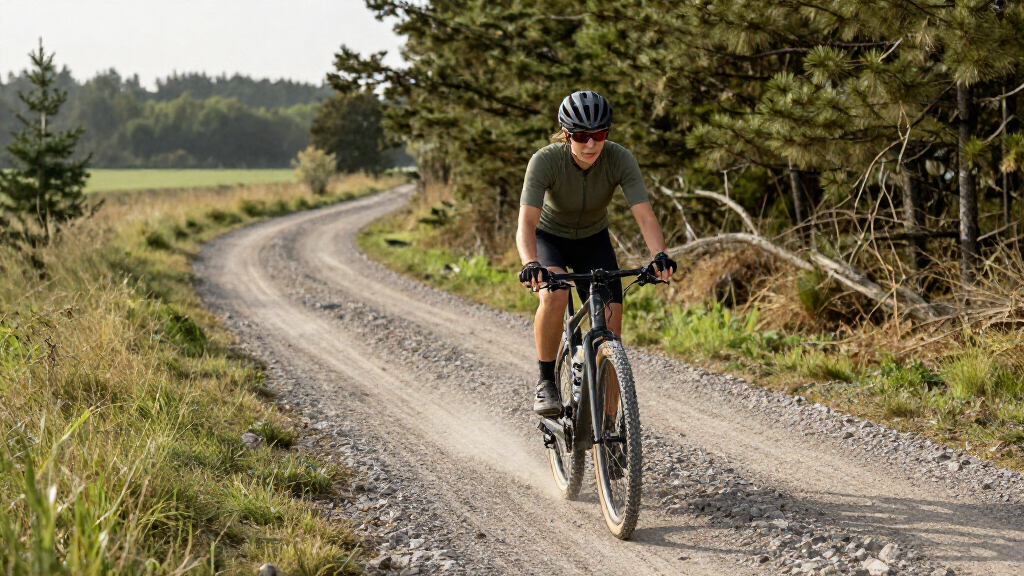
I compared these tires by how well their stated format and design suit all-road riding: repeated stretches of pavement mixed with gravel, imperfect roads, or light trails. I weighed width and wheel format, tread intent, tubeless compatibility where specified, folding or touring-oriented construction, puncture-protection features, and whether the tire’s intended use appeared broader or narrower than the category. I also considered practical ownership factors, such as whether a pair is included and how easily a rider could match the tire to a typical road or gravel setup.
The ranking favors options with the clearest balance across mixed surfaces, then gives credit to tires that excel at a particular need, such as loose-gravel grip, touring, or a pair-focused replacement purchase. That keeps a specialized touring tire or a narrow road tire from outranking a more versatile option simply because it has a strong feature in one area. A product may rank lower because its stated size or road-focused design limits its fit for varied routes, not because it lacks value for its intended rider. Before choosing, confirm the exact tire size, rim compatibility, and bike clearance; the listed products do not all serve the same wheel format or surface mix.
| all-road bike tire | Tire type | Bead |
|---|---|---|
| Michelin Power Adventure Class | Tubeless-ready | Folding |
| QiYueZaiYe 700x38C Road and Gr | Folding | — |
| Continental Gatorskin 700×23/2 | Clincher; inner tube required | Folding |
| Schwalbe Marathon Plus Tour Tr | Clincher | Wire |
| Schwalbe Marathon Supreme HS 3 | Clincher | Folding |
| Fincci 700 x 32c Foldable City | Clincher | Kevlar |
| Kenda Alluvium Pro 650B x 45 T | Tubeless-ready | — |
| Panaracer GravelKing SK Tubele | Tubeless | Folding aramid |
Factors to Consider When Choosing Best All-road Bike Tires
Choosing an all-road tire is less about finding one universally perfect tread and more about matching your usual surface mix, bike clearance, and tolerance for flats. These broader checks can prevent a mismatch that a product comparison alone cannot resolve.
Match Tire Width to Your Bike and Routes
Wider tires can add comfort and give you more control on broken pavement or loose gravel, but width is limited by the frame, fork, and rim. Check the bike maker’s clearance guidance rather than assuming a tire marked for a 700c wheel will fit because the diameter matches. Actual mounted width can vary with rim width, so leave room for mud, wheel flex, and debris instead of choosing a tire that only clears when stationary. A 42 mm tire may suit a gravel-capable frame but be far too large for a road bike built around narrower tires. If your riding is mostly smooth pavement with occasional firm paths, a narrower option may feel more at home. Prioritize verified clearance over a small gain in width.
Choose Tread for Your Most Frequent Loose Surface
On pavement, pronounced knobs can add noise and rolling resistance without helping much; on loose or damp ground, a smoother center tread may give less confidence. Think about the surface where traction matters most, not only the one you ride most often. A tire with a more gravel-focused tread can be a good trade if your routes include loose corners, while an all-road or touring pattern may suit hardpack and road connectors better. No tread removes the need to adjust speed and line choice on wet roots, deep gravel, or mud. Riders who rarely leave pavement may gain more from a road-oriented tire than from aggressive knobs. Avoid buying by the word “gravel” alone: tread pattern and tire width affect behavior together.
Treat Tubeless Compatibility as a System Check
A tire labeled tubeless-ready only works as part of a compatible setup, including rims, tape, valve, sealant, and correct installation. If your rims are not tubeless-compatible, that label does not make the tire a simple drop-in replacement for a standard inner-tube setup. Tubeless can help riders manage some small punctures and run lower pressures, but it also takes setup effort and periodic sealant attention. For occasional riders or those who prefer straightforward roadside repairs, tubes may be the easier choice. Check the specific tire and rim instructions rather than relying on a general assumption about compatibility. A tubeless feature should influence the decision only if you are willing to maintain the full system.
Balance Puncture Protection Against Ride Feel
Extra protective layers can reduce the chances of a ride-ending puncture, especially on commutes, touring routes, or debris-strewn roads. The tradeoff may be added weight or a firmer feel compared with a lighter tire, though the exact result depends on the model and setup. Consider how costly a flat is for your riding: a daily commute or remote tour may justify prioritizing protection, while short recreational rides on clean paths may not. Do not assume that a puncture-resistant tire is immune to cuts, pinch flats, or poor pressure choices. Carry a repair kit even when protection is a priority. The best balance is the one that fits your route and the amount of maintenance you are prepared to handle.
Compare Wheel Size, Tire Size, and Pair Contents
Bike tire listings can look similar while specifying different wheel diameters, widths, and quantities. A 650B tire cannot replace a 700c tire simply because both are used for gravel riding, and a two-pack may not be useful if you need only one tire or different front and rear sizes. Confirm the complete size marking on your current tire and match it against the wheel and frame requirements. Also check whether the listing describes one tire or a pair before planning a replacement. If you are changing width, confirm clearance and rim-width compatibility rather than relying on the old tire’s nominal size alone. These checks can matter more than small differences in tread claims.
Decide Where a Premium Tire Earns Its Keep
Paying more makes the most sense when a tire’s specific construction, fit, or intended surface solves a real problem on your rides. A rider covering long distances on rough roads may value lower weight or a more suitable gravel tread, while a commuter may get more practical benefit from a durable touring design. Premium positioning does not guarantee the best choice for every route, and an advanced tubeless-ready tire can add setup work rather than convenience if your bike is not equipped for it. On the other hand, a cheaper pair is poor value if the size or tread does not suit your bike. Compare the full cost of the setup, including tubes, sealant, and any required accessories. Buy for the riding you actually do, not for a feature you may never use.
Frequently Asked Questions
Can I use a gravel tire on a road bike for everyday riding?
Often, but only if the tire fits the bike’s frame, fork, and rims. Check the manufacturer’s clearance limits and leave extra room for grit or mud, especially if you ride in wet conditions. A wider gravel tire can improve comfort on rough pavement, while a knobbier tread may feel less efficient on smooth roads. If your road bike has limited clearance, a narrower road or touring tire may be the safer choice. Confirm the exact wheel diameter and tire width before ordering.
Should I choose 700c or 650B for mixed-surface riding?
Start with the wheel size your bike is built for; the two formats are not interchangeable on most bikes. A 650B setup can allow a wider tire on some frames, but changing wheel size can affect handling, clearance, and component compatibility. If your bike already uses 700c wheels, a 700c tire is usually the direct replacement route. The Kenda Alluvium Pro in this roundup is 650B, so it suits riders with the matching wheel setup rather than serving as a universal gravel option. Check your bike documentation before switching formats.
Are tubeless-ready tires worth choosing if I currently use inner tubes?
They may be, but the tire label alone does not make a tubeless conversion complete. Your rims need to support tubeless use, and you will need compatible tape, valves, and sealant, plus time for setup and upkeep. You can often run a tubeless-ready tire with an inner tube if the manufacturer permits it, but confirm the product instructions. Riders who want the simplest roadside repair routine may prefer to keep using tubes. Choose tubeless for the benefits it offers your riding, not just because the feature appears on the listing.
Is a puncture-resistant touring tire a good choice for gravel?
It can work well on compact gravel and rough roads if its width and tread suit your bike and routes. Touring-focused protection may be a sensible priority for commuting or carrying gear, where a puncture can disrupt a longer trip. On loose or steep gravel, a tire with a more suitable tread pattern may offer better control than a road-oriented touring design. Protection also does not prevent every flat or sidewall cut. Decide whether your larger concern is durability, traction, or a balance of both.
Is a two-pack a better buy than purchasing one tire?
A pair is convenient when both tires need replacement and the same size and tread make sense front and rear. It can be less useful if only one tire is worn, or if you prefer a different front tire for added grip. Check that both tires match your wheel size and that the included quantity is clearly stated. Some riders also replace the rear more often because it typically wears faster, so a pair may not fit their replacement schedule. Compare suitability and fit before treating a multipack as the better choice.
Conclusion
For the broadest mix of pavement and gravel, I would start with the Michelin Power Adventure Classic TS TLR as the best overall pick. Riders who want a more gravel-forward option should compare the Panaracer GravelKing SK and Kenda Alluvium Pro, with the Kenda reserved for a compatible 650B wheel setup. For touring durability, the Schwalbe Marathon Plus Tour is the clearest match; the Marathon Supreme is a road-minded touring alternative. The QiYueZaiYe or Fincci pair may suit buyers seeking a matched replacement set, but fit and intended use come first. Beginners should favor the tire that matches their current wheels, frame clearance, and mostly ridden surfaces rather than starting with a complex tubeless conversion. The Continental Gatorskin is the more road-focused choice here, so I would skip it if loose gravel is a regular part of the route. In short: choose Michelin for mixed-use balance, Schwalbe for touring priorities, and a gravel-specific model when loose-surface grip matters most.