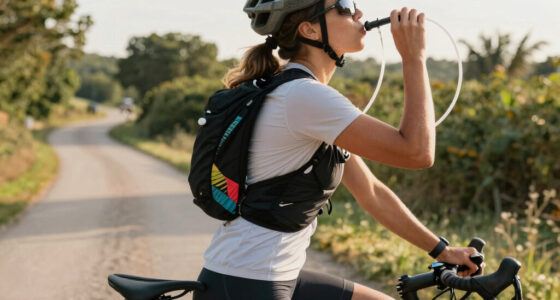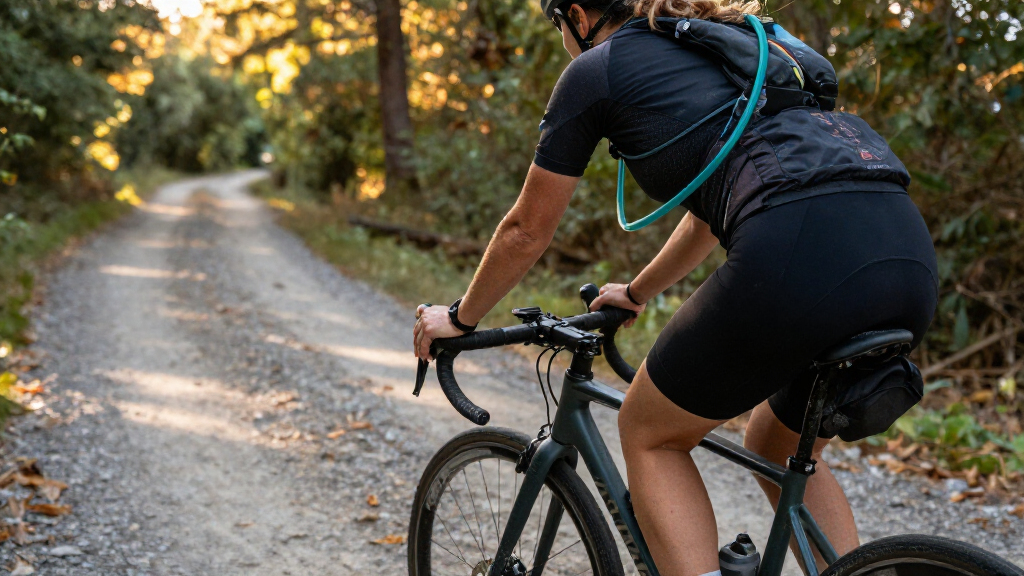

The best cycling hydration pack for most riders is the CamelBak M.U.L.E. 12, which pairs a 3-liter reservoir with useful storage for longer mountain-bike rides. For a lighter, simpler setup, the CamelBak Hydrobak Light favors a streamlined carry, while the Osprey Berm 8 offers more water and room for ride essentials. The main choice is how much capacity you need without adding unwanted bulk, weight, or heat on your back. Smaller packs suit short rides, while larger packs make more sense when you carry tools, layers, or extra supplies. Read on for the full comparison and guidance on choosing a pack for your riding style.

Get sports gear delivered free with Prime
- Fast, free delivery on millions of items
- Prime Video, Amazon Music and more included
- Member-only deals all year
Complete the kit


Key Takeaways
- The CamelBak M.U.L.E. 12 leads for longer rides because its 3-liter reservoir and storage make it more versatile than the hydration-focused, lower-capacity packs.
- The Osprey Berm 8 is the strongest middle ground among these picks, combining a 2.5-liter reservoir with more cargo capacity than the Berm 2.
- Compact models trade carrying room for a lighter setup: the Hydrobak Light, Classic, and Hydrobak 50 oz suit riders who mainly need water and a few small essentials.
- Reservoir capacity alone does not determine ride range. Heat, effort, refill access, and how much cargo you carry all affect whether a larger bladder is worth the added load.
- The lineup spans very different uses: the MSR Low-Profile Race Pack targets a close-fitting race feel, while the 12-liter N NEVO RHINO favors riders who need substantially more space.
| Osprey Berm 2 Biking Hydration Backpack with 1.5L Reservoir |  | Best Overall for Short Rides | Reservoir capacity: 1.5 L | Pack capacity: 2 L | Weight: 0.85 lb (385 g) | VIEW LATEST PRICE | See Our Full Breakdown |
| CamelBak Hydrobak Light Bike Hydration Backpack |  | Best Lightweight Pick | Reservoir capacity: 1.5 L (50 fl oz) | Cargo capacity: 1 L | Weight: 5.64 oz | VIEW LATEST PRICE | See Our Full Breakdown |
| CamelBak M.U.L.E. 12 Mountain Bike Hydration Pack |  | Best for Trail Gear and Longer Rides | Reservoir capacity: 3 L (100 fl oz) | Cargo capacity: 9 L | Weight: 1.3 lb | VIEW LATEST PRICE | See Our Full Breakdown |
| MSR Low-Profile Race Hydration Pack with 2-Liter Bladder |  | Best Low-Profile Fit | Reservoir capacity: 2 L (70 oz) | Weight: 1.4 lb | Pockets: 1 | VIEW LATEST PRICE | See Our Full Breakdown |
| Unigear Hydration Pack Backpack with 2L Water Bladder |  | Best Multi-Activity Value | Bladder capacity: 2 L | Weight: 1.1 lb | Dimensions: 16.5 × 8 × 6 in | VIEW LATEST PRICE | See Our Full Breakdown |
| N NEVO RHINO 12L Hydration Backpack with 2L Water Bladder |  | Best for Flexible Carrying Capacity | Pack capacity: 12 liters | Bladder capacity: 2 liters | Weight: 8.5 ounces | VIEW LATEST PRICE | See Our Full Breakdown |
| Osprey Berm 8 Biking Hydration Backpack with 2.5L Reservoir |  | Best for Organized Trail Rides | Pack capacity: 8 liters | Reservoir volume: 2.5 liters | Weight: 1.27 lb (574 g) | VIEW LATEST PRICE | See Our Full Breakdown |
| CamelBak Classic Bike Hydration Pack |  | Best for Hydration-First Day Rides | Reservoir capacity: 85 fl oz (2.5 L) | Cargo capacity: 0.5 L | Weight: 0.41 kg | VIEW LATEST PRICE | See Our Full Breakdown |
| CamelBak Hydrobak 50 oz Hydration Pack |  | Best Compact Pick for Short Rides | Reservoir capacity: 50 fl oz (1.5 L) | Weight: 13.4 oz | Dimensions: 8.46 W × 12.6 H inches | VIEW LATEST PRICE | See Our Full Breakdown |
| cycling hydration pack | Weight | Dimensions | Reservoir capacity | Material |
|---|---|---|---|---|
| Osprey Berm 2 Biking Hydration | 0.85 lb (385 g) | 15 × 7.5 × 5.1 in | 1.5 L | Polyester |
| CamelBak Hydrobak Light Bike H | 5.64 oz | 9.06 in W × 13.78 in H | 1.5 L (50 fl oz) | Nylon and polyester |
| CamelBak M.U.L.E. 12 Mountain | 1.3 lb | 8.27 in W × 18.5 in H | 3 L (100 fl oz) | Nylon and polyester |
| MSR Low-Profile Race Hydration | 1.4 lb | — | 2 L (70 oz) | — |
| Unigear Hydration Pack Backpac | 1.1 lb | 16.5 × 8 × 6 in | — | 80% nylon, 20% polyurethane |
| N NEVO RHINO 12L Hydration Bac | 8.5 ounces | 11.8 W × 16.5 H inches | — | Nylon |
| Osprey Berm 8 Biking Hydration | 1.27 lb (574 g) | 16.1 × 8.3 × 7.9 inches | — | Polyester |
| CamelBak Classic Bike Hydratio | 0.41 kg | 8.66 W × 15.16 H inches | 85 fl oz (2.5 L) | — |
| CamelBak Hydrobak 50 oz Hydrat | 13.4 oz | 8.46 W × 12.6 H inches | 50 fl oz (1.5 L) | — |
More Details on Our Top Picks
Osprey Berm 2 Biking Hydration Backpack with 1.5L Reservoir
The Osprey Berm 2 strikes a useful balance for riders who want a purpose-built cycling pack without carrying much extra gear. Its included 1.5-liter reservoir and magnetic bite valve make drinking on the move straightforward, while the ventilated harness and ridged-foam backpanel aim to keep the load stable and reduce heat buildup. Compared with the Osprey Berm 8, this model is the more compact choice, but its 2-liter pack capacity leaves less room for layers, tools, or ride supplies. A zip pocket, key clip, reflective details, and a blinker-light attachment cover basic ride needs without adding much bulk. The tradeoff is a one-size fit that may not suit every rider, and the light itself is not included. I’d choose it for short rides where fit stability and a supplied reservoir matter more than cargo space.
Pros:- Includes a 1.5-liter reservoir with a magnetic bite valve and easy-fill S-zip access.
- Ventilated bike-specific harness and ridged-foam backpanel are designed for a stable, close fit.
- Zip pocket, key clip, reflective details, and blinker-light attachment support basic ride needs.
Cons:- The 2-liter pack capacity limits space for layers and larger ride essentials.
- One-size, unisex fit may not work well for every body shape.
- The blinker light must be supplied separately.
Best for: Cyclists who want a compact, bike-specific pack with an included reservoir for short rides and a few small essentials.
Not ideal for: Riders who need room for extra clothing, substantial tools, or food, or who prefer multiple fit sizes.
- Reservoir capacity:1.5 L
- Pack capacity:2 L
- Weight:0.85 lb (385 g)
- Dimensions:15 × 7.5 × 5.1 in
- Fit:One-size, unisex
- Backpanel:Mesh-covered ridged foam with 50% recycled EVA
- Material:Polyester
- Additional features:Magnetic bite valve, reflective details, blinker-light attachment
Our verdict“Choose the Berm 2 for a compact, cycling-focused setup with an included reservoir; pick the larger Osprey Berm 8 if you need more cargo room.”
CamelBak Hydrobak Light Bike Hydration Backpack
For riders who want water and little else, the CamelBak Hydrobak Light keeps its focus on a low-weight, streamlined carry. The listed pack weight is just 5.64 ounces, and its 1-liter cargo capacity is suited to small essentials rather than a full ride kit. An included 1.5-liter Crux reservoir, ventilated harness, and Air Support Light back panel make it a more cycling-specific choice than the multi-activity Unigear Hydration Pack. Helmet carry, a light loop, reflective details, and an adjustable sternum strap add practical touches without turning it into a larger storage pack. The limitation is capacity in both directions: the reservoir may feel restrictive on longer rides, and there is little room for extra layers or substantial tools. I’d favor it over the Osprey Berm 2 when minimizing pack weight matters more than having a larger pocketed carry setup.
Pros:- Very low listed pack weight of 5.64 ounces.
- Includes a 1.5-liter Crux reservoir.
- Ventilated harness and Air Support Light back panel promote airflow.
- Helmet carry, light loop, reflective details, and adjustable sternum strap support cycling use.
Cons:- The 1-liter cargo capacity leaves little room beyond basic essentials.
- The 1.5-liter reservoir may be limiting on longer rides.
- Its streamlined storage is less suited to riders carrying tools or spare clothing.
Best for: Road and trail riders who prioritize a lightweight, low-bulk pack for shorter outings with only a few small essentials.
Not ideal for: Cyclists on long or remote rides who need more than 1.5 liters of water or space for layers, food, and tools.
- Reservoir capacity:1.5 L (50 fl oz)
- Cargo capacity:1 L
- Weight:5.64 oz
- Dimensions:9.06 in W × 13.78 in H
- Pockets:2
- Material:Nylon and polyester
- Straps:Shoulder and sternum
- Additional features:Helmet carry, light loop, reflective details
Our verdict“Pick the Hydrobak Light for short rides where low weight matters more than cargo or water capacity.”
CamelBak M.U.L.E. 12 Mountain Bike Hydration Pack
The CamelBak M.U.L.E. 12 is the most trail-oriented choice in this group for riders who want water plus organized carry. Its 3-liter reservoir and 9-liter cargo capacity give it a clear advantage over compact packs such as the Osprey Berm 2, leaving more room for tools, a layer, and other ride essentials. Four pockets, tool organization, a stretch overflow pocket, and helmet carry help keep equipment accessible, while the magnetic tube holder reduces the need to search for the drink hose mid-ride. The Air Support back panel is designed to promote airflow, and the removable waist strap adds flexibility in how the pack is secured. The added capacity comes with more weight: at 1.3 pounds, it is a substantial step up from the CamelBak Hydrobak Light. It makes the most sense for longer mountain-bike outings, not minimalist rides.
Pros:- Large 3-liter Crux reservoir with Quicklink connection system.
- 9-liter cargo capacity and four pockets provide more organized storage than compact options.
- Tool organization, stretch overflow pocket, and helmet carry support trail riding.
- Magnetic tube management keeps the drink tube accessible.
Cons:- At 1.3 pounds, it is heavier than streamlined options such as the CamelBak Hydrobak Light.
- Its larger carrying capacity may feel excessive for short rides with few essentials.
- The cycling-oriented design is less suited to buyers seeking a versatile everyday pack.
Best for: Mountain bikers heading out for longer trail rides who need a larger reservoir and organized space for tools, a layer, and a helmet.
Not ideal for: Riders seeking the lightest possible pack for short rides or a small, low-profile setup with minimal storage.
- Reservoir capacity:3 L (100 fl oz)
- Cargo capacity:9 L
- Weight:1.3 lb
- Dimensions:8.27 in W × 18.5 in H
- Pockets:4
- Material:Nylon and polyester
- Straps:Shoulder, hip, and sternum; removable waist strap
- Additional features:Air Support back panel, magnetic tube holder, tool organization, helmet carry
Our verdict“Choose the M.U.L.E. 12 when trail duration and gear organization matter more than keeping your pack light and compact.”
MSR Low-Profile Race Hydration Pack with 2-Liter Bladder
The MSR Low-Profile Race Hydration Pack prioritizes a close, secure fit over storage. Its 2-liter bladder offers more water capacity than the 1.5-liter reservoirs in the Osprey Berm 2 and CamelBak Hydrobak Light, while the adjustable chest and shoulder straps let riders tune how the pack sits. The breathable back panel and self-sealing Blaster bite valve with a twist shutoff suit fast, rough riding where unwanted movement or leaks are a concern. This is a more stripped-down option than the CamelBak M.U.L.E. 12: it has just one pocket and no listed tool organization or helmet carry, so it is not built for riders who need to pack much beyond water. At 1.4 pounds, it is also not the lightest choice here despite its low-profile design. I’d pick it for riders who value a simple, secure carry over extra features.
Pros:- 2-liter bladder provides more water capacity than the 1.5-liter Osprey Berm 2 and CamelBak Hydrobak Light.
- Adjustable chest and shoulder straps support a secure fit.
- Breathable back panel helps limit heat buildup.
- Self-sealing bite valve has a twist on/off shutoff.
Cons:- A single pocket limits space and organization for ride gear.
- The 1.4-pound listed weight is relatively high for a low-profile pack.
- Its minimal storage is a poor match for riders carrying layers or multiple tools.
Best for: Cyclists and off-road riders who want a close-fitting pack with a 2-liter bladder and adjustable straps, but little cargo.
Not ideal for: Riders who need organized storage for tools, layers, or helmet carry, or who want a particularly lightweight pack.
- Reservoir capacity:2 L (70 oz)
- Weight:1.4 lb
- Pockets:1
- Color:Black
- Straps:Adjustable chest and shoulder straps
- Hydration valve:High-flow Blaster bite valve with twist on/off bar
- Back panel:Breathable
- Included components:Pack with bladder
Our verdict“Choose the MSR for a secure, low-bulk ride setup with a 2-liter bladder, and skip it if storage matters as much as hydration.”
Unigear Hydration Pack Backpack with 2L Water Bladder
The Unigear Hydration Pack suits cyclists who also want a pack for hiking, running, or climbing, rather than a design focused solely on the bike. Its 2-liter BPA-free bladder, airflow system, and adjustable shoulder, chest, and waist straps provide a practical hydration setup, with the waist strap offering another way to limit bounce. Compared with the bike-specific Osprey Berm 2, Unigear has a larger reservoir but fewer cycling-focused touches: it does not list a magnetic bite valve, reflective details, or a light attachment. The nylon and polyurethane construction is described as splash-resistant, which can help with light exposure but is not a substitute for weather protection. One small front pocket also restricts what fits alongside the bladder. I’d choose it when a single pack needs to cover several outdoor activities, not when cycling-specific organization is the priority.
Pros:- 2-liter BPA-free bladder includes an airflow system and screw cap.
- Adjustable shoulder, chest, and waist straps allow riders to tune the fit and reduce bounce.
- Lightweight 1.1-pound design is intended for several outdoor activities.
- Splash-resistant nylon and polyurethane construction is suited to light exposure.
Cons:- The single small front pocket offers limited space and organization.
- Splash resistance is described for light rain, not sustained wet conditions.
- It lacks listed bike-specific features found on the Osprey Berm 2, such as reflective details and a blinker-light attachment.
Best for: Multi-sport users who want one hydration pack for casual cycling, hiking, running, and climbing, with a 2-liter bladder.
Not ideal for: Cyclists who need bike-specific visibility features, multiple storage compartments, or dependable protection in sustained rain.
- Bladder capacity:2 L
- Weight:1.1 lb
- Dimensions:16.5 × 8 × 6 in
- Material:80% nylon, 20% polyurethane
- Pockets:1
- Bladder features:BPA-free, replaceable, airflow system, screw cap
- Straps:Adjustable shoulder, chest, and waist
- Intended activities:Running, hiking, climbing, cycling
Our verdict“Pick Unigear if you want a 2-liter hydration pack to share across several outdoor activities; choose a bike-specific model for cycling-focused features.”
N NEVO RHINO 12L Hydration Backpack with 2L Water Bladder
The N NEVO RHINO 12L pairs a modest 2-liter bladder with more room for layers and ride essentials than the compact CamelBak Hydrobak. That extra pack capacity suits cyclists whose ride plans may call for a jacket, snacks, or a few more items, while the 8.5-ounce listed weight keeps the pack itself light. Its adjustable shoulder and chest straps allow more fit tuning than the one-size Osprey Berm 8, and the breathable mesh back helps with airflow. The tradeoff is a broader, less specifically bike-focused design: the Berm 8 offers bike-oriented organization such as tool pockets and a front shove-it pocket. I’d choose this N NEVO RHINO for versatile, lightweight carrying, but not for a rider seeking dedicated trail-tool storage or a child-sized fit.
Pros:- 12-liter pack capacity leaves more room for ride gear than the compact CamelBak Hydrobak.
- Listed weight is just 8.5 ounces.
- Waterproof, tear-resistant nylon is suited to changing outdoor conditions.
- Includes a 2-liter BPA-free PEVA bladder with a leak-resistant bite valve.
Cons:- The 2-liter bladder holds less water than the 2.5-liter reservoirs in the Osprey Berm 8 and CamelBak Classic.
- Its general-purpose pocket layout lacks the Berm 8’s stated bike-specific tool pockets.
- Adult-oriented sizing may not fit children well.
Best for: Cyclists who want a lightweight pack with room for a layer and everyday ride essentials, plus adjustable straps for a more tailored fit.
Not ideal for: Riders who prioritize bike-specific tool organization, or families seeking a pack explicitly sized for children.
- Pack capacity:12 liters
- Bladder capacity:2 liters
- Weight:8.5 ounces
- Dimensions:11.8 W × 16.5 H inches
- Material:Nylon
- Shoulder strap adjustment:19–34 inches
- Chest strap adjustment:2.4–7.9 inches
- Included component:2-liter water bladder
Our verdict“Choose the N NEVO RHINO if you want light, adjustable carrying space for varied rides and can make do with a 2-liter reservoir.”
Osprey Berm 8 Biking Hydration Backpack with 2.5L Reservoir
The Osprey Berm 8 is the most bike-specific choice here for riders who want tools and a light layer to have designated places. Its tool pockets and front shove-it pocket make trail-side organization more purposeful than the general-purpose N NEVO RHINO 12L, while the included 2.5-liter reservoir carries more water than that pack’s 2-liter bladder. A ventilated harness and AirScape backpanel are designed for a stable, close-to-body fit, and the removable hipbelt lets riders adjust how the load sits. That structure comes with tradeoffs: at 1.27 pounds, it is considerably heavier than the N NEVO RHINO’s listed 8.5 ounces, and its 8-liter capacity offers less room for extra gear. The one-size fit also may not work for every rider.
Pros:- Includes a 2.5-liter Hydraulics LS reservoir with S-zip access and magnetic bite valve attachment.
- Tool pockets and a front shove-it pocket support organized trail riding.
- Ventilated bike-specific harness and AirScape backpanel are designed for close-to-body carry.
- Removable webbing hipbelt allows a less structured setup when preferred.
Cons:- The 8-liter pack capacity limits room for larger loads compared with the N NEVO RHINO 12L.
- Listed weight of 1.27 pounds is heavier than the N NEVO RHINO’s listed 8.5 ounces.
- One-size, unisex fit may not suit every body type.
Best for: Mountain bikers who carry tools and a light layer and want bike-specific organization with a 2.5-liter reservoir.
Not ideal for: Riders who want the lightest pack or need space for a larger load; the N NEVO RHINO 12L has more stated cargo capacity and a lower listed weight.
- Pack capacity:8 liters
- Reservoir volume:2.5 liters
- Weight:1.27 lb (574 g)
- Dimensions:16.1 × 8.3 × 7.9 inches
- Material:Polyester
- Fit:One size, unisex
- Backpanel:Mesh-covered ridged foam with 50% recycled EVA
- Model number:10007269
Our verdict“Pick the Berm 8 for organized trail rides and bike-specific carry, provided its one-size fit and limited cargo space suit you.”
CamelBak Classic Bike Hydration Pack
The CamelBak Classic Bike Hydration Pack puts a large reservoir ahead of cargo space: its 85-fluid-ounce (2.5-liter) Crux reservoir matches the Osprey Berm 8’s capacity, while its stated 0.5-liter cargo capacity keeps storage focused on small essentials. The ergonomic refill handle and on/off lever make filling and controlling the reservoir straightforward, and the ventilated harness and mesh back panel address comfort on longer rides. Reflective accents add a visibility feature that the supplied descriptions for the Berm 8 and N NEVO RHINO do not specify. This is a better fit for riders who want water close at hand without carrying a substantial load than for those who need the Berm 8’s tool pockets or the N NEVO RHINO’s 12-liter storage. Its narrow cargo capacity is the defining compromise.
Pros:- 85-fluid-ounce (2.5-liter) Crux reservoir provides substantial water capacity.
- Ergonomic reservoir handle and on/off lever support filling and help control leaks.
- Breathable mesh back panel and ventilated harness are designed for comfort on longer rides.
- Reflective accents add visibility, and a zippered pocket secures small essentials.
Cons:- Only 0.5 liters of cargo capacity leaves little room for extra ride gear.
- Less suited to organized tool carry than the Osprey Berm 8, which specifies dedicated tool pockets.
Best for: Cyclists on day rides who want a 2.5-liter reservoir, ventilation, and room for only a few small essentials.
Not ideal for: Riders who carry repair tools, extra layers, or substantial supplies; the Berm 8 provides stated tool pockets, while the N NEVO RHINO has greater pack capacity.
- Reservoir capacity:85 fl oz (2.5 L)
- Cargo capacity:0.5 L
- Weight:0.41 kg
- Dimensions:8.66 W × 15.16 H inches
- Pockets:2
- Materials:Nylon, polyester
- Strap type:Shoulder, sternum
- Warranty:Got Your Bak Lifetime Warranty
Our verdict“Choose the CamelBak Classic if reservoir capacity and ventilation matter more to you than carrying tools, layers, or other bulky gear.”
CamelBak Hydrobak 50 oz Hydration Pack
For short rides and commutes, the CamelBak Hydrobak 50 oz keeps the load smaller than the CamelBak Classic: its 1.5-liter Crux reservoir holds a liter less water, and its compact 8.46-by-12.6-inch dimensions suit riders who want a minimal pack. The 13.4-ounce listed weight and breathable mesh panels support a lightweight, ventilated setup, while the reservoir’s ergonomic handle makes refilling easier. A zippered pocket secures small items, but the supplied specs do not state a cargo volume, so I would not treat it as a gear-carrying option. Compared with the Osprey Berm 8, it gives up the larger reservoir and named tool pockets in favor of a more compact profile. That makes it a sensible match for routine rides, not long outings that call for extra water or equipment.
Pros:- Compact dimensions suit short rides and commutes.
- Listed weight is 13.4 ounces.
- Crux reservoir includes an ergonomic refill handle.
- Breathable mesh panels and a zippered pocket support comfortable, secure everyday carry.
Cons:- The 1.5-liter reservoir holds less water than the CamelBak Classic and Osprey Berm 8’s 2.5-liter reservoirs.
- Minimalist storage is not suited to longer rides requiring extra gear.
- No cargo-volume figure is provided, making its available storage harder to compare.
Best for: Commuters and cyclists on short rides who want a compact pack with a 1.5-liter reservoir and space for small essentials.
Not ideal for: Riders heading out for longer or gear-heavy rides who need more water and organized tool storage; the Osprey Berm 8 includes a 2.5-liter reservoir and tool pockets.
- Reservoir capacity:50 fl oz (1.5 L)
- Weight:13.4 oz
- Dimensions:8.46 W × 12.6 H inches
- Pockets:2
- Materials:Nylon, polyester
- Color:Black/Graphite
- Included components:Pack and hydration reservoir
- Warranty:Got Your Bak Lifetime Warranty
Our verdict“Choose the Hydrobak 50 oz for compact everyday rides, but opt for a larger-reservoir pack such as the CamelBak Classic for longer outings.”
How We Picked
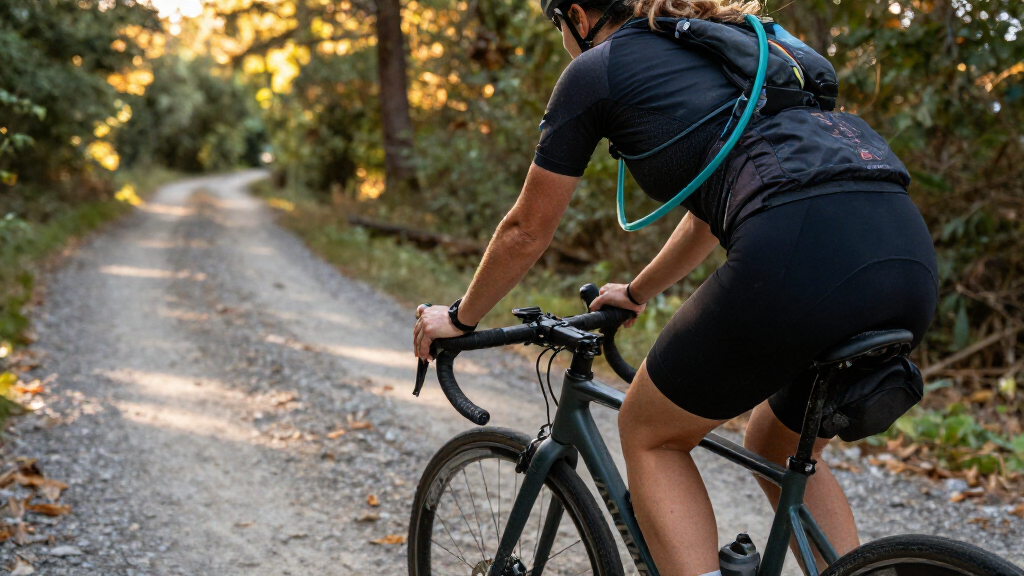
I compared these cycling hydration packs by the details that change the ride: reservoir capacity, usable cargo space, intended fit, and how much pack each rider must carry. I also weighed practical factors such as access to water, room for tools and layers, and the maintenance demands of a bladder. A larger reservoir or storage volume only counted as an advantage when it suited a clear riding need; extra capacity can mean more weight and bulk.
The ranking favors versatility for common cycling use first, then more specialized strengths. That puts the CamelBak M.U.L.E. 12 at the top for its combination of water and cargo capacity, with the Osprey Berm 8 close behind for riders who want a capable but less expansive option. Compact packs rank well for short, light rides, while the race-focused MSR and high-capacity N NEVO RHINO serve narrower priorities. I did not treat similar product names or brand familiarity as proof of better fit; the differences in capacity and intended use drive the order.
Factors to Consider When Choosing Cycling Hydration Packs
Choosing among cycling hydration packs is less about finding the biggest reservoir and more about matching a pack to your ride length, cargo, and comfort preferences. These broader checks can help you avoid carrying too much—or discovering mid-ride that a compact pack cannot hold what you need.
Match Water Capacity to Your Route
Start with your typical time between reliable refill points, not the longest ride you might do once a season. A larger reservoir can reduce refill stops, but water is heavy, and carrying more than you drink adds load without helping the ride. Heat, climbing, pace, and personal drinking habits can change water needs substantially, so avoid treating a stated capacity as a guaranteed ride duration. If your routes pass shops, fountains, or a vehicle, a smaller bladder may be enough. For remote rides, plan around the longest stretch without water and keep a margin for delays. A capacity that fits your normal route is usually more comfortable than one chosen for an outlier.
Decide How Much Cargo Belongs on Your Back
Make a short packing list before shopping: repair kit, phone, keys, food, extra layer, and any safety items you carry. A hydration-only pack can feel less cumbersome, but it may force you to leave useful gear behind or attach it elsewhere. Larger storage is helpful on long or variable rides, though unused space can encourage overpacking. Think about whether your bike already has a tool roll, frame bag, or storage compartments; duplicating that capacity may add needless bulk. Also check how the pack separates the reservoir from cargo, since organization can affect access and keep small items easier to find. Choose room for the gear you genuinely use, not the largest volume available.
Treat Fit and Stability as Ride-Specific
A pack that feels secure while standing may shift when you lean forward, descend, or ride rough trails. Shoulder straps, chest adjustments, and any waist support help control movement, but the right setup depends on torso shape and how the pack sits over cycling clothing. A low-profile race-oriented design can suit riders who prioritize close contact and less movement; a roomier pack may be more practical when carrying layers and tools. Try the pack loaded, since a full reservoir changes its weight and shape. Check that straps do not interfere with helmet movement, arm motion, or a jersey pocket you use often. Fit matters more than a few extra ounces on a specification sheet if the pack rubs or bounces.
Account for Heat and Clothing
A backpack adds a layer between your body and the air, which can feel warmer on hard efforts or hot days. Larger packs can cover more of your back, while a smaller design may leave more room for airflow, depending on its shape and contact points. If you ride in changing weather, consider how the pack sits over both a thin jersey and an insulating layer. Do not assume a light pack will feel cool in every condition; fit, fabric contact, and how tightly it is worn also matter. Riders who already run warm may prefer carrying tools on the bike and keeping the hydration pack minimal. For cold or wet rides, extra pack space can be useful for a layer, but it should not make the pack unstable when partly filled.
Plan for Reservoir Cleaning and Drying
A hydration bladder needs more care than a bottle because moisture can linger inside its reservoir and hose. Before buying, consider whether you can open, rinse, and dry the bladder easily after rides. Leaving water or sports drink inside for long periods can make cleaning harder, so a routine matters as much as the reservoir size. If you often ride several days in a row, think about where the bladder can hang or air out between outings. A high-capacity reservoir is only convenient if you are willing to maintain it. Riders who want the simplest cleanup may prefer a smaller reservoir or a bottle-based setup when their routes allow it.
Choose for Your Main Ride, Not Every Possible Ride
One pack rarely feels ideal for a short spin, a full-day trail ride, and a fast race. Decide which ride type you do most often, then ask whether the pack’s storage and profile support it without excess. A compact model makes sense for routine rides with easy refills, while a larger pack can reduce compromises on remote routes or rides that need extra layers. If your cycling changes by season, a versatile mid-capacity option may be more useful than owning one extreme design. Think about what you can carry on the bike instead of your back, especially on smooth routes. Paying for capacity you rarely use can be a worse trade than accepting a refill stop.
Frequently Asked Questions
Is a 1.5-liter reservoir enough for a typical cycling ride?
It can be enough for shorter rides, especially when the weather is mild and refills are easy to reach. The Osprey Berm 2’s 1.5-liter reservoir is better suited to riders who want a compact hydration carry than to those planning long, remote outings. Water needs vary with heat, exertion, and individual drinking habits, so use your usual ride as the reference point. If you regularly finish rides wishing you had more water, move up in capacity or plan refill stops. A larger bladder is not automatically better if you rarely empty it.
Should I choose the CamelBak M.U.L.E. 12 or the Osprey Berm 8?
Choose the CamelBak M.U.L.E. 12 if longer rides call for its 3-liter reservoir and the extra versatility of a more substantial pack. The Osprey Berm 8 is a better fit if a 2.5-liter reservoir and useful cargo room cover your needs without reaching for the M.U.L.E.’s larger format. The difference is not simply brand or reservoir size; it is how much gear you expect to carry alongside water. Riders who already store tools on the bike may find the Berm 8 more appropriate. Those who need one pack for longer outings and extra supplies have a stronger case for the M.U.L.E. 12.
Can I use a cycling hydration pack for commuting as well as trail riding?
Yes, but the right choice depends on what your commute requires beyond water. A compact pack can work for a short trip with minimal cargo, while a roomier option may be useful if you need space for a layer or small essentials. For commuting, check that the pack’s shape and fit remain comfortable over the clothes you wear to work, not just cycling kit. If you carry a laptop or a large change of clothes, these cycling-focused options may not provide the organization or protection you need. A dedicated commuter bag may make more sense for bulky or delicate cargo.
Is the N NEVO RHINO 12L pack too large for ordinary rides?
Its 12-liter capacity is most useful when you regularly carry more than water and a few repair items. For short rides or routes with frequent refill points, that much room may encourage extra cargo and create a bulkier setup than necessary. Riders on long outings, variable-weather routes, or trips requiring additional supplies may have a clearer use for the space. Compare its cargo capacity with the smaller CamelBak and Osprey options by making a realistic packing list. If that list stays short, a more compact pack will likely suit everyday riding better.
How should I choose between a race-style pack and a general-purpose hydration pack?
Start with whether a close-fitting, minimal carry matters more than flexible storage. The MSR Low-Profile Race Pack is aimed at riders who prioritize a low-profile feel, while options such as the M.U.L.E. 12 and Berm 8 allow more room for gear. Race-focused packs can be less convenient when you need layers, tools, or snacks, so check capacity rather than relying on the label. General-purpose packs may carry more comfortably for varied rides but can feel like excess on a short, fast outing. Pick around your usual pace and packing needs, then account for the occasional ride that asks for more.
Conclusion
For most riders seeking one pack for varied trail outings, I recommend the CamelBak M.U.L.E. 12 as the best overall, thanks to its 3-liter reservoir and useful cargo capacity. The Osprey Berm 8 is my best value-oriented choice for riders who want more room than a minimalist pack without needing the largest setup; the compact CamelBak Hydrobak Light is my pick for beginners who want a straightforward, lighter carry. For a premium-style, low-profile focus, choose the MSR Low-Profile Race Pack when a close-fitting design matters more than broad storage. The N NEVO RHINO 12L best serves riders who need substantially more cargo room, while the Berm 2, CamelBak Classic, and Hydrobak 50 oz make more sense for shorter rides and lighter loads. Match reservoir and storage capacity to your regular routes, and skip the extra volume if you will not use it.