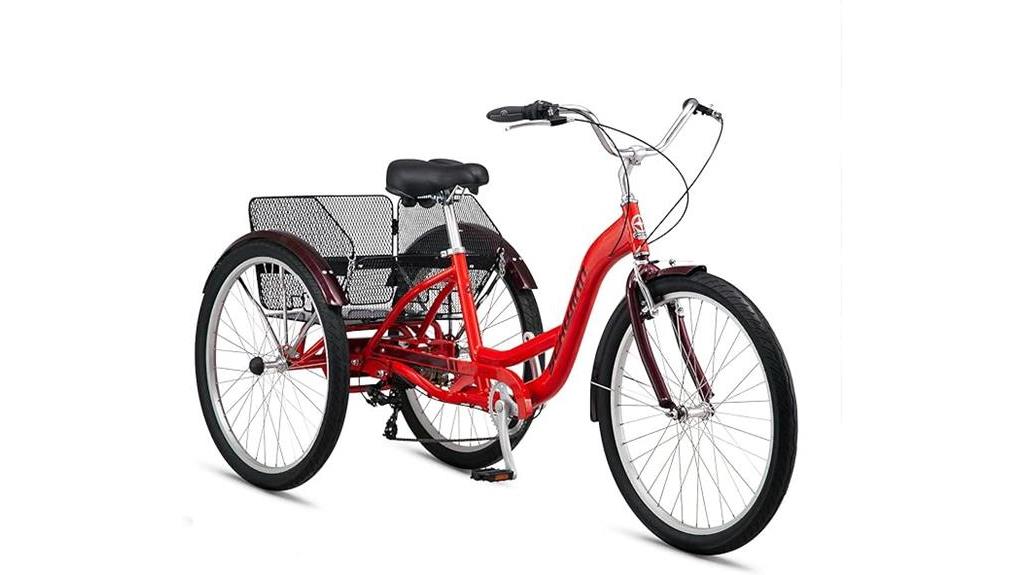
The best kids’ bikes match a child’s size, confidence, and riding plans—not just their age. For a broad range of young riders, the Schwinn Elm 20-Inch is my best overall pick, while the Schwinn Koen 16-Inch is a strong choice for a child learning to pedal with training wheels. For younger beginners, the Ridego 14-Inch Balance Bike offers a different route: building balance before adding pedals. The lineup also includes BMX-style and electric dirt bikes, which suit more specific riding interests but bring different fit, supervision, and use considerations. Read on for the full comparison and guidance on choosing the right kind of bike.

Get sports gear delivered free with Prime
- Fast, free delivery on millions of items
- Prime Video, Amazon Music and more included
- Member-only deals all year
Complete the kit


Key Takeaways
- Bike type matters as much as wheel size: the lineup ranges from balance bikes for learning balance to pedal bikes, BMX-style models, and electric dirt bikes.
- The Schwinn Elm 20-Inch is the broadest-use pick: it suits riders ready for a conventional pedal bike, while the Koen is more beginner-focused with training wheels.
- The Ridego and SEREED fill different early-learning needs: Ridego has air tires and a 14-inch frame, while SEREED is aimed at toddlers aged 2–3.
- Electric dirt bikes are specialized choices: the MX350 and MX125 are for families seeking powered off-road riding, not a replacement for an everyday neighborhood bike.
- Fit and riding purpose separate close alternatives: BMX-style options such as the Mongoose Legion L18 and cubsala deserve a closer look when tricks or rugged riding matter more than general-purpose use.
| Mongoose Legion L18 Kids Freestyle BMX Bike |  | Best for Beginner BMX | Bike type: Kids’ freestyle BMX | Wheel size: 18 inches | Tire width: 2.35 inches | VIEW LATEST PRICE | See Our Full Breakdown |
| Huffy Disney and Marvel 12/16 Inch Boys Bikes, Multiple Color Options |  | Best for Superhero-Themed First Rides | Bike type: Kids’ single-speed bike | Wheel sizes: 12 and 16 inches | Frame material: Alloy steel | VIEW LATEST PRICE | See Our Full Breakdown |
| Schwinn Koen 16-Inch Kids Bike with Training Wheels |  | Best for Learning with Parent Guidance | Bike type: Beginner kids’ bike | Wheel size: 16 inches | Recommended rider height: 42–48 inches | VIEW LATEST PRICE | See Our Full Breakdown |
| cubsala Kids BMX-Style Bike, 12–20 Inch |  | Best for Size Options and Braking Flexibility | Bike type: Kids’ BMX-style bike | Wheel sizes: 12, 14, 16, 18, and 20 inches | Frame material: Carbon steel | VIEW LATEST PRICE | See Our Full Breakdown |
| Dirt Rocket MX350 Electric Dirt Bike for Kids |  | Best Electric Off-Road Pick | Motor: 350-watt electric motor | Battery: 24V sealed lead acid; two 12V batteries | Maximum speed: Up to 14 mph | VIEW LATEST PRICE | See Our Full Breakdown |
| Razor Dirt Rocket MX125 Electric Dirt Bike for Kids |  | Best for Young Off-Road Beginners | Age range: 5–12 years | Motor: Chain-driven electric motor | Battery: 12V sealed lead-acid rechargeable | VIEW LATEST PRICE | See Our Full Breakdown |
| Ridego 14 Inch Balance Bike for Kids 3-6 Years Old, Lightweight with Adjustable Seat and Air Rubber Tires |  | Best for Longer Balance-Bike Practice | Bike type: Balance bike | Wheel size: 14 inches | Recommended age: 3–6 years | VIEW LATEST PRICE | See Our Full Breakdown |
| SEREED Toddler Balance Bike for 2-3 Year Olds, Adjustable, White |  | Best First Bike for Toddlers | Bike type: Balance bike | Wheel size: 11 inches | Frame material: Carbon steel | VIEW LATEST PRICE | See Our Full Breakdown |
| Schwinn Elm 20-Inch Kids Bike |  | Best for Growing Pedal Riders | Wheel size: 20 inches in item details; another supplied description lists 12 inches | Recommended rider height: 47–53 inches | Number of speeds: 1 | VIEW LATEST PRICE | See Our Full Breakdown |
| kids’ bike | Bike type | Wheel size | Frame material |
|---|---|---|---|
| Mongoose Legion L18 Kids Frees | Kids’ freestyle BMX | 18 inches | High-tensile steel |
| Huffy Disney and Marvel 12/16 | Kids’ single-speed bike | — | Alloy steel |
| Schwinn Koen 16-Inch Kids Bike | Beginner kids’ bike | 16 inches | — |
| cubsala Kids BMX-Style Bike | Kids’ BMX-style bike | — | Carbon steel |
| Dirt Rocket MX350 Electric Dir | — | — | — |
| Razor Dirt Rocket MX125 Electr | — | — | — |
| Ridego 14 Inch Balance Bike fo | Balance bike | 14 inches | Fiber-reinforced composite |
| SEREED Toddler Balance Bike fo | Balance bike | 11 inches | Carbon steel |
| Schwinn Elm 20-Inch Kids Bike | — | 20 inches in item details; another supplied description lists 12 inches | — |
More Details on Our Top Picks
Mongoose Legion L18 Kids Freestyle BMX Bike
The Mongoose Legion L18 is the clearest choice here for a child who wants to move beyond basic pavement riding and try beginner BMX tricks. Its 18-inch wheels and wide 2.35-inch tires suit riders listed at 3’8″ to 4’10”, while the alloy U-brake offers more familiar hand-brake control for trick practice than the coaster brakes on the Schwinn Koen or Huffy Disney and Marvel bikes. The steel frame and one-piece crank favor a straightforward, sturdy setup, but this is a rigid, single-speed bike rather than a versatile ride for hills or long outings. At 23.2 pounds, it is also heavier than many young riders may want to maneuver. I’d pick it for BMX-curious kids who fit the size range, not for a first bike focused on training wheels.
Pros:- 18-inch wheels and a stated rider-height range give growing kids a defined fit target.
- Wide 2.35-inch tires provide grip on pavement, packed dirt, and park surfaces.
- Alloy U-brake supports controlled hand braking and beginner trick practice.
- Steel frame, rear hub, and one-piece crank offer a simple BMX-oriented setup.
Cons:- Single-speed gearing limits usefulness on hills and varied routes.
- Rigid suspension gives little cushioning on rough ground.
- At 23.2 pounds, it may be cumbersome for smaller riders to handle.
Best for: BMX-curious riders around 3’8″ to 4’10” who want wide tires and a hand-operated brake for beginner trick practice.
Not ideal for: Children still learning to balance or families seeking training wheels, multiple gears, or a lighter bike for everyday longer rides.
- Bike type:Kids’ freestyle BMX
- Wheel size:18 inches
- Tire width:2.35 inches
- Drivetrain:Single speed
- Frame material:High-tensile steel
- Brake:Alloy U-brake
- Weight:23.2 pounds
- Recommended rider height:3’8″ to 4’10”
Our verdict“Choose the Legion L18 for a child ready for beginner BMX riding, rather than a training-wheel bike like the Schwinn Koen.”
Huffy Disney and Marvel 12/16 Inch Boys Bikes, Multiple Color Options
The Huffy Disney and Marvel bike makes its strongest case through character appeal and a simple learning setup. For a young Spider-Man fan, the graphics can make practice feel more inviting; removable training wheels and a coaster brake keep the riding controls straightforward. Compared with the Schwinn Koen, it is listed for a younger age group and starts at a smaller 12-inch wheel size, making it a better fit for some preschoolers, though the Schwinn offers a seat handle for parental guidance. Huffy’s EZ Build feature is intended to simplify assembly, but this remains a single-speed bike for paved routes, not a choice for rough paths or varied terrain. The available description also gives no adjustable handlebar details, so fit changes may be less flexible as a child grows.
Pros:- Removable training wheels support early balance practice and can be taken off as skills improve.
- Coaster brake keeps stopping simple for beginner riders.
- EZ Build assembly system is designed to make setup easier.
- 12-inch wheel option and 37-inch minimum user height suit some younger children.
Cons:- Single-speed gearing and paved-road positioning limit use on hills and rough terrain.
- The product information gives no handlebar-height adjustment details.
- The listed maximum weight is 60 pounds, limiting its useful fit as a child grows.
Best for: Ages 3 to 5, especially children drawn to superhero graphics who need removable training wheels for paved-path practice.
Not ideal for: Families seeking a bike for off-road use, extended growth adjustment, or a child who has outgrown the listed preschool-age range.
- Bike type:Kids’ single-speed bike
- Wheel sizes:12 and 16 inches
- Frame material:Alloy steel
- Brake:Coaster brake
- Suspension:Rigid
- Training wheels:Removable
- Minimum user height:37 inches
- Maximum weight recommendation:60 pounds
Our verdict“Pick the Huffy for a superhero-loving preschooler learning on pavement, but choose the Schwinn Koen if parental guidance features matter more than character styling.”
Schwinn Koen 16-Inch Kids Bike with Training Wheels
The Schwinn Koen is a thoughtfully equipped option for a beginner who needs more than training wheels alone: its seat handle gives a parent a place to guide or lift the bike, and the low-step frame makes getting on and off less awkward. An adjustable seatpost and removable training wheels also let the setup keep pace with early learning. Compared with the smaller-wheel Huffy Disney and Marvel bike, the Koen’s 16-inch wheels and 42–48-inch recommended height range suit a somewhat taller beginner; the Huffy, by contrast, may suit younger riders better. The tradeoff is weight: at 20.5 pounds, it can be a lot for a child to steer or pick up. Its coaster brake and single speed keep things simple, but do not offer hand-brake practice or gear choices.
Pros:- Low-step frame and upright riding position make mounting and riding more approachable.
- Seat handle gives a parent a practical point for guiding or carrying the bike.
- Adjustable seatpost and removable training wheels support early skill development.
- Chainguard helps cover the chain during everyday beginner riding.
Cons:- At 20.5 pounds, it may be difficult for some young riders to maneuver independently.
- Single-speed drivetrain has no gear options for hills.
- Coaster brake does not provide hand-brake practice.
Best for: Beginner riders 42–48 inches tall whose parents want training wheels, a low-step frame, and a handle for guidance.
Not ideal for: Children who need a lighter bike, hand-brake practice, gears for hills, or a frame sized for a shorter preschooler.
- Bike type:Beginner kids’ bike
- Wheel size:16 inches
- Recommended rider height:42–48 inches
- Brake:Rear coaster brake
- Drivetrain:Single-speed chain drive
- Weight:20.5 pounds
- Maximum rider weight:75 pounds
- Included features:Training wheels, adjustable seatpost, seat handle, chainguard
Our verdict“Choose the Koen when a parent-guided learning setup matters more than low weight or hand-brake skills.”
cubsala Kids BMX-Style Bike, 12–20 Inch
The cubsala Kids BMX-Style Bike stands out for offering sizes from 12 to 20 inches, a range that can help families find a closer fit as children grow or siblings need different wheel sizes. Unlike the Mongoose Legion L18, which is aimed at BMX-style riding with an alloy U-brake, the cubsala pairs a coaster brake and rear V-brake for two braking methods. That gives it a broader beginner-bike feel, though the product data does not clarify how the brakes are configured across every size. A chain guard, reflectors, and wide tires add practical touches, and it arrives 85% assembled. The tradeoffs are a steel frame and a listed weight of 10.73 kg, plus rigid suspension that offers little comfort on rough ground. Training wheels are included only on select sizes, so check the size-specific package.
Pros:- Multiple wheel sizes from 12 to 20 inches offer more fit options than a single-size model.
- Coaster brake and rear V-brake provide two braking methods.
- Chain guard and reflectors add practical protection and visibility features.
- 85% pre-assembled with tools included to reduce setup work.
Cons:- Training wheels are included only with select sizes.
- Rigid suspension provides little cushioning on uneven terrain.
- The listed 10.73 kg weight may feel heavy for smaller children.
Best for: Families comparing several child heights or siblings who want a size choice from 12 to 20 inches and dual brake types.
Not ideal for: Buyers who need training wheels guaranteed with every size, a lightweight frame, or cushioning for bumpy routes.
- Bike type:Kids’ BMX-style bike
- Wheel sizes:12, 14, 16, 18, and 20 inches
- Frame material:Carbon steel
- Brakes:Coaster brake and rear V-brake
- Drivetrain:Single speed
- Weight:10.73 kg
- Assembly:85% pre-assembled; tools included
- Warranty:Limited lifetime on frame; 2 years on other parts, wear parts excluded
Our verdict“Choose the cubsala when size availability and dual braking appeal more than a lighter build or guaranteed training wheels.”
Dirt Rocket MX350 Electric Dirt Bike for Kids
The Razor Dirt Rocket MX350 is a different kind of choice from the pedal bikes in this lineup: it is a motorized dirt bike for riders age 8 and up, not a first bicycle for learning to pedal. Its 350-watt motor, knobby tires, and speed up to 14 mph are aimed at supervised off-road riding, while the Mongoose Legion L18 is the better fit for children who want to practice BMX skills under pedal power. The MX350’s 24V sealed lead-acid battery offers up to 30 minutes of use, but charging takes 12 hours, so riding sessions need planning. At 70.25 pounds, it is also heavy to move or store, and families should account for its 140-pound weight limit and the need for an appropriate riding area.
Pros:- 350-watt motor and speed up to 14 mph deliver powered riding rather than pedal-only cycling.
- Knobby tires are suited to off-road traction.
- Steel frame and motocross-inspired design target a dirt-bike-style ride.
- 140-pound weight limit accommodates a range of older child riders.
Cons:- Up to 30 minutes of run time limits riding between charges.
- 12-hour charge time requires planning ahead.
- At 70.25 pounds, it is heavy to transport and store.
Best for: Riders age 8 and up whose families want a motorized, knobby-tire dirt bike for supervised off-road use.
Not ideal for: Younger children learning to pedal, families seeking a lightweight everyday bicycle, or riders who need long sessions without charging breaks.
- Motor:350-watt electric motor
- Battery:24V sealed lead acid; two 12V batteries
- Maximum speed:Up to 14 mph
- Run time:Up to 30 minutes
- Charge time:12 hours
- Weight:70.25 pounds
- Weight limit:140 pounds
- Dimensions:44 x 24.5 x 31 inches
Our verdict“Choose the MX350 for supervised, motorized dirt riding by an older child, not as a replacement for a learning or everyday kids’ bicycle.”
Razor Dirt Rocket MX125 Electric Dirt Bike for Kids
The Razor Dirt Rocket MX125 is the pick for families who want a young rider to try a powered, motocross-style bike rather than learn on a pedal bike. Its high/low speed switch lets caregivers start with a gentler setting, while pneumatic tires are better suited to uneven ground than the smooth-terrain EVA tires on the SEREED Toddler Balance Bike. The twist throttle and chain-driven motor add an electric-bike feel, but the top speed is limited to 8 mph, so older children may outgrow its pace. At 29.7 pounds, it is also much heavier than either balance bike here, making it less convenient to carry or maneuver when the battery is depleted. Choose it for supervised off-road fun, not as a replacement for a conventional kids’ bicycle.
Pros:- High/low speed settings let families start with a more manageable pace.
- Pneumatic tires suit rougher riding better than the SEREED’s EVA foam tires.
- Rechargeable battery provides up to 80 minutes of riding, depending on use.
- Motocross-style frame and twist throttle offer a powered dirt-bike experience.
Cons:- At 29.7 pounds, it is heavy for a child to move without assistance.
- The 8 mph maximum may feel limiting as a rider gains confidence.
- Battery runtime varies with riding conditions and use.
Best for: Families with children ages 5 to 12 who want a supervised first electric dirt bike for suitable off-road riding.
Not ideal for: Parents seeking a lightweight bike for independent pedaling, or taller and older children likely to outgrow its compact size and 8 mph speed.
- Age range:5–12 years
- Motor:Chain-driven electric motor
- Battery:12V sealed lead-acid rechargeable
- Battery life:Up to 80 minutes
- Maximum speed:8 mph
- Weight capacity:110 pounds
- Item weight:29.7 pounds
- Dimensions:36.42 × 21.46 × 25.16 inches
Our verdict“Choose the MX125 for supervised, low-speed electric off-road riding; pick a balance bike or conventional bicycle for pedal practice and easier handling.”
Ridego 14 Inch Balance Bike for Kids 3-6 Years Old, Lightweight with Adjustable Seat and Air Rubber Tires
The Ridego 14-inch balance bike gives children ages 3 to 6 a pedal-free way to work on steering and balance, with a larger wheel size than the SEREED Toddler Balance Bike. That makes it the more age-spanning choice for a child who is already beyond a small toddler bike but not ready for pedals. Its air-filled rubber tires can soften the ride on paved roads and unpaved trails, unlike the SEREED’s airless EVA tires, though they may need more upkeep. The seat adjusts as the child grows, but the 4.23 kg listed weight is not especially light for a very young rider to handle alone. With no drivetrain or gears, this is a focused learning bike—not a step up for children ready to pedal.
Pros:- 14-inch wheels suit children who may have outgrown a smaller toddler balance bike.
- Air-filled rubber tires support a smoother ride across paved roads and unpaved trails.
- Adjustable seat can accommodate a growing rider.
- Pedal-free design lets children focus on balance and steering.
Cons:- At 4.23 kg, it may be challenging for some younger children to manage.
- Air-filled tires can require more attention than the SEREED’s airless tires.
- No pedals or gears, so it does not serve children ready for a conventional bike.
Best for: Families with a 3- to 6-year-old, at least 36 inches tall, who want a balance bike for paved paths and some unpaved trails.
Not ideal for: Parents shopping for a very young toddler, a low-maintenance airless-tire bike, or a pedal bike for a child ready to ride independently.
- Bike type:Balance bike
- Wheel size:14 inches
- Recommended age:3–6 years
- Minimum user height:36 inches
- Maximum weight recommendation:110 pounds
- Item weight:4.23 kg
- Frame material:Fiber-reinforced composite
- Tire material:Rubber
Our verdict“Pick the Ridego for an older preschooler who needs a larger balance bike and will benefit from air-filled tires on mixed paths.”
SEREED Toddler Balance Bike for 2-3 Year Olds, Adjustable, White
For a very young beginner, the SEREED Toddler Balance Bike keeps the task simple: there are no pedals or brakes, so a child can focus on pushing, steering, and balancing. Its adjustable seat and handlebars help families tailor the fit, while the compact 11-inch wheel size makes it a more toddler-oriented starting point than the 14-inch Ridego. The tradeoff is terrain and stopping control: its EVA foam tires are listed for paved roads, and its no-brake design calls for close adult supervision, especially on slopes or anywhere a child could roll into a hazard. Unlike the pedal-equipped Schwinn Elm, this is strictly an early-learning option. It makes sense as a first balance bike, but not as a longer-term neighborhood bicycle.
Pros:- Pedal-free layout keeps early lessons focused on balance and steering.
- Adjustable seat and handlebar heights allow a more tailored fit.
- Airless EVA tires avoid the upkeep associated with air-filled tires like the Ridego’s.
- At 7.8 pounds, it is easier to carry than the Razor MX125.
Cons:- No brakes means adults need to supervise closely and choose riding areas carefully.
- EVA tires and the stated paved-road use limit its fit for rougher trails.
- Its toddler-focused 11-inch size may be outgrown sooner than the Ridego’s 14-inch wheels.
Best for: Caregivers seeking a simple first balance bike for a beginner toddler riding on flat, paved areas under close supervision.
Not ideal for: Families who need brakes, regular unpaved-trail use, or a bike that will remain useful after a child is ready to pedal.
- Bike type:Balance bike
- Wheel size:11 inches
- Frame material:Carbon steel
- Tire material:EVA
- Brake style:No brakes
- Maximum weight recommendation:110 pounds
- Item weight:7.8 pounds
- Dimensions:32.28 × 14.96 × 22.44 inches
Our verdict“Choose the SEREED for a supervised toddler’s first balance-bike lessons on flat pavement, but skip it if you need brakes or broader terrain use.”
Schwinn Elm 20-Inch Kids Bike
The Schwinn Elm 20-inch is the pedal-bike choice in this group, aimed at riders listed as 47–53 inches tall who are ready to move beyond balance-bike practice. A low-step frame and upright position can make mounting and casual riding feel more approachable than a dirt-bike-style setup, while the coaster brake and hand brake give the rider two ways to stop. Compared with the single-purpose Ridego balance bike, the Elm supports conventional cycling, but its single speed is less suited to hilly routes or riders who want gears. There is also conflicting wheel-size information in the supplied description: the item details say 20 inches while another description says 12 inches. Confirm the size before buying; that uncertainty matters for fit.
Pros:- Low-step frame and upright riding position support easier mounting and a relaxed posture.
- Coaster and linear-pull hand brakes provide two stopping methods.
- Adjustable seatpost can accommodate a growing rider.
- Kickstand and handlebar bag add practical everyday features.
Cons:- Single-speed drivetrain offers no gear choice for hills or changing effort.
- At 25.9 pounds, it is heavier than a balance bike such as the Ridego.
- Supplied information conflicts between 20-inch and 12-inch wheel sizes, so fit details need verification.
Best for: Families shopping for a child 47–53 inches tall who is ready for a simple, single-speed pedal bike with two brake types.
Not ideal for: Buyers who need gears for hills, a lighter bike, or certainty about wheel size without checking the listing details first.
- Wheel size:20 inches in item details; another supplied description lists 12 inches
- Recommended rider height:47–53 inches
- Number of speeds:1
- Brake style:Coaster and linear pull
- Drivetrain:Chain drive
- Bike weight:25.9 pounds
- Maximum recommended weight:100 pounds
- Included features:Adjustable seat, kickstand, handlebar bag
Our verdict“Choose the Elm for a child ready to pedal who fits the stated 47–53-inch range, after confirming the wheel size and accepting a single-speed setup.”

How We Picked
I ranked these bikes by how well their design fits a clear child-and-riding use case, rather than treating every model as a substitute for every other one. I weighed the learning stage, stated age or wheel-size range, adjustability, tire type, and whether the bike is intended for everyday pedaling, balance practice, BMX-style riding, or powered dirt use. I also considered practical ownership factors such as setup and maintenance demands, the value of features a child can use as skills grow, and how much adult oversight a bike’s intended use calls for.
The Schwinn Elm leads for its general-purpose role, while the Koen ranks well for new pedal riders who may benefit from training wheels. The balance bikes place ahead of more specialized options for younger learners; BMX models serve a narrower riding style, and the electric bikes rank lower for broad family use because their powered, off-road purpose calls for more planning and supervision. Character-themed Huffy bikes offer visual appeal, but their fit and riding features should still drive the decision. A child’s actual fit and the intended riding surface matter more than this ranking.
| kids’ bike | Bike type | Frame material |
|---|---|---|
| Mongoose Legion L18 Kids Frees | Kids’ freestyle BMX | High-tensile steel |
| Huffy Disney and Marvel 12/16 | Kids’ single-speed bike | Alloy steel |
| Schwinn Koen 16-Inch Kids Bike | Beginner kids’ bike | — |
| cubsala Kids BMX-Style Bike | Kids’ BMX-style bike | Carbon steel |
| Dirt Rocket MX350 Electric Dir | — | — |
| Razor Dirt Rocket MX125 Electr | — | — |
| Ridego 14 Inch Balance Bike fo | Balance bike | Fiber-reinforced composite |
| SEREED Toddler Balance Bike fo | Balance bike | Carbon steel |
| Schwinn Elm 20-Inch Kids Bike | — | — |
Factors to Consider When Choosing Best Kids’ Bikes
Before choosing among these models, decide what skill or kind of riding the bike should support. A balance bike, a first pedal bike, a BMX-style bike, and an electric dirt bike solve different problems; comparing them as if they were one category can lead to a poor fit. These checks can help narrow the field before you focus on colors or extras.
Match the Bike to the Riding Stage
A child who is still learning to balance may benefit more from a balance bike than from pedals and training wheels. A balance bike lets them push off, glide, and put their feet down without managing several new skills at once. Children ready to pedal can move to a conventional bike, with training wheels as one possible aid rather than a requirement. Avoid buying a larger bike for the child to grow into if they cannot comfortably reach the ground or control it now. The right starting point depends on confidence and coordination, not age alone. If you are unsure, watch how your child handles a scooter or a borrowed bike before choosing a style.
Check Fit Beyond the Wheel-Size Label
Wheel size is a useful filter, but it does not tell the whole fit story. Children with similar heights can have different inseam lengths, reach, and comfort on a particular frame. Look for a safe, comfortable position at a stop and controls the child can reach without stretching. Adjustable seats can extend a bike’s useful period, but adjustment cannot make an oversized frame manageable. Check the manufacturer’s fit guidance alongside your child’s measurements, and reassess as they grow. A bike that fits today is usually easier to control than one bought mainly for a future growth spurt.
Think About Where the Bike Will Be Ridden
Flat paths and neighborhood rides call for different features than dirt tracks or BMX practice. Tire construction, frame style, and intended use affect how a bike feels and what upkeep it may need. Air tires can offer a different ride feel from solid tires, but they also need inflation and can puncture. A BMX-style bike is a more focused choice if the child wants that riding position and activity; it may be less suited to longer, casual family rides. Electric dirt bikes are a separate category, with riding conditions and adult oversight to plan for. Choose for the places your family can actually ride, not an imagined future use.
Count the Full Setup and Maintenance Work
A bike purchase may involve assembly, adjustments, and ongoing checks, so find out what setup the seller and manufacturer expect. Brakes, tires, chain condition, and fasteners need routine attention on pedal bikes. Balance bikes have fewer mechanical parts, though tires and steering still need inspection. Powered models add charging, battery care, and more involved planning for safe riding and storage. If regular maintenance is likely to be skipped, a simpler bike may be a better family fit than a feature-heavy one. Ask who will handle setup and upkeep before deciding that a model is convenient.
Choose Training Wheels Deliberately
Training wheels can help a child gain comfort with pedaling, but they do not teach the same balancing skill as gliding on a balance bike. Some families prefer them as a temporary step; others find it easier to begin with balance practice and move directly to pedals. Your child’s temperament matters: a cautious rider may appreciate extra support, while another may prefer learning balance through short glides. If you choose training wheels, check that they are installed and adjusted as directed, and have a plan for revisiting the setup as skills develop. Avoid treating them as a feature every beginner needs.
Pay for the Use Case, Not the Most Features
Extra features only help when they fit how the child rides. A licensed character design may encourage enthusiasm, but it should not outweigh fit, control, and intended use. Likewise, a BMX build or electric power makes sense only if the child will use those capabilities and the family can support their requirements. For a first bike, an easy-to-manage fit can matter more than advanced styling. Spending more may be justified by a better match, useful adjustability, or features suited to regular riding—not simply a longer list of specifications. Set the riding purpose first, then compare models that meet it.
Frequently Asked Questions
Should I choose a balance bike or a bike with training wheels for a first-time rider?
Choose based on which skill you want the child to practice first and what feels manageable to them. A balance bike lets them focus on steering and balancing before they add pedaling, while training wheels support pedaling without requiring the same balance skill at the start. The Ridego and SEREED are balance-bike options in this roundup; the Schwinn Koen combines pedals with training wheels. Neither path suits every child, so consider confidence, fit, and willingness to practice. Avoid choosing by age alone or assuming training wheels are a required step.
How do I decide between the Schwinn Elm and the Schwinn Koen?
Start with the child’s size and riding stage, then compare the bikes’ intended roles. The Elm is the broader general-purpose recommendation in this lineup, while the 16-inch Koen is aimed at children who are learning to pedal and want training wheels included. A child who already balances confidently may not need that beginner aid, while a new rider may value it. Check each bike’s fit guidance and make sure the child can manage the frame and controls. The best choice is the one that fits the rider and their current needs, not simply the model with the larger wheel size.
Is a BMX-style kids’ bike a good choice for everyday riding?
It can work for everyday riding if the child likes its style and the bike fits, but BMX models are more specialized than general-purpose children’s bikes. The Mongoose Legion L18 and cubsala are the lineup’s BMX-style options, making them more relevant to riders drawn to that kind of riding than to families seeking the simplest all-around choice. Consider the routes your child will use and whether the bike’s intended setup suits longer casual rides. A standard kids’ bike may be a more straightforward match for neighborhood trips and family outings. Ask the child what they want to ride before prioritizing a BMX look.
What should I check before choosing an electric dirt bike for my child?
First, confirm the model’s age, size, and use guidance, then consider where it can be ridden and how much adult supervision the family can provide. The MX125 and MX350 are powered dirt bikes, so they are not direct substitutes for a balance bike or ordinary pedal bike. Think about charging, storage, protective equipment, and whether suitable riding areas are accessible. Match the model to the child’s ability and comfort rather than choosing power for future growth. If the goal is learning basic balance or riding around the neighborhood, a non-electric option may be a more suitable starting point.
Do air tires make a kids’ bike a better choice than solid tires?
Not automatically: tire type changes the ride and the upkeep, so the better choice depends on where and how often the child rides. The Ridego’s air rubber tires require inflation checks and may need repair if punctured, while solid tires avoid those particular tasks. Air tires may appeal to families who value their ride characteristics, but they add maintenance that should not be overlooked. Check the model’s tire specifications and replacement options before buying. For a low-maintenance first bike, simplicity may matter more than tire preference.
Conclusion
For a single general-purpose recommendation, I would start with the Schwinn Elm 20-Inch as best overall, provided it fits the child. The Huffy Disney and Marvel bikes are my best value-style choice for families drawn to their character designs, though I would compare fit and features before deciding. For a child just starting to pedal, the Schwinn Koen is the beginner pick because it includes training wheels; for an earlier balance-first start, choose between the Ridego and SEREED based on fit and tire preference. The BMX-style Mongoose Legion L18 or cubsala make more sense for riders who want that specific style, while the MX125 and MX350 suit families specifically seeking electric dirt riding. I would treat the powered models as specialized options rather than everyday first bikes, and choose only after checking the riding setting, supervision needs, and the child’s fit.