When choosing a cycling computer, riders seek a device that offers accurate GPS tracking, reliable connectivity, and user-friendly displays. The Wahoo ELEMNT ROAM V3 stands out as the best overall for its versatile features and intuitive interface, while the Garmin Edge 540 excels in advanced navigation. Budget-conscious cyclists might prefer the COOSPO CS600 for its affordability and touchscreen. The main tradeoffs involve balancing features, ease of use, and price, which makes it important to match a device to your riding style and needs. Keep reading for a detailed review of the top options and what to consider before buying.
Complete the kit


Key Takeaways
- Top-rated cycling computers combine accurate GPS with reliable connectivity options like Bluetooth and ANT+.
- Touchscreen models often offer more intuitive navigation but can be more expensive and less rugged than button-controlled devices.
- Battery life varies significantly; premium models generally last longer, supporting extended rides without recharging.
- Price correlates strongly with features—more advanced navigation and training options come at a higher cost.
- Durability and waterproof ratings are essential for riders exposed to varied weather conditions, affecting long-term usability.
| Wahoo ELEMNT ACE Cycling Computer |  | Best for User-Friendly Touch Interaction | Control: Touch controls (press, pinch, swipe) | Features: Maps, performance metrics, air resistance tracking, wind insights | Connectivity: Syncs with Wahoo app | VIEW ON AMAZON | See Our Full Breakdown |
| Bike Computer, Waterproof Cycling Odometer with LCD Display and Multi-Functions |  | Best for Basic, Reliable Tracking in All Conditions | Waterproof: Yes | Display: LCD | Auto Wake-up: Yes | VIEW ON AMAZON | See Our Full Breakdown |
| Garmin Edge 540 GPS Cycling Computer with Button Controls and Advanced Navigation | 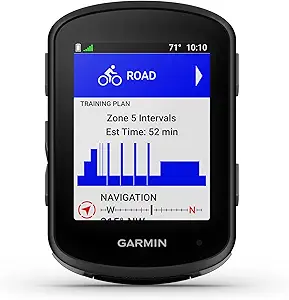 | Best for Navigation & Long Rides | Display: 2.6-inch color display | Battery Life: Up to 26 hours | Navigation: Advanced multi-band GNSS with ride maps | VIEW ON AMAZON | See Our Full Breakdown |
| COOSPO CS600 Color Touchscreen GPS Bike Computer, Waterproof Cycling GPS Speedometer with Bluetooth/ANT+ and 36H Battery |  | Best for High-Resolution Display & Multi-Day Rides | Display: 2.4-inch high-resolution color touchscreen | Waterproof Rating: IPX7 | Battery Life: 36 hours | VIEW ON AMAZON | See Our Full Breakdown |
| Garmin Edge 1050 Premium Cycling Computer with Touchscreen, Navigation, and Smart Connectivity |  | Best for All-in-One Premium Experience | Display: 3.5-inch Vivid Touchscreen | Battery Life: Up to 20 hours | Connectivity: Bluetooth, ANT+, Wi-Fi | VIEW ON AMAZON | See Our Full Breakdown |
| iGPSPORT BSC500 GPS Bike Computer with 3.3” Touchscreen, Voice Navigation, and Climb Training |  | Best for Advanced Navigation and Training | Screen Size: 3.3 inches | Navigation: GPS, Beidou, GLONASS, GALILEO, QZSS | Features: Touchscreen, voice navigation, route import, climb training, continue last ride | VIEW ON AMAZON | See Our Full Breakdown |
| Wahoo ELEMNT ROAM V3 GPS Cycling/Bike Computer, Black |  | Best for Extensive Route Sharing and On-Demand Creation | GPS: Dual-Band GPS (GPS, GLONASS, BEIDOU, Galileo, QZSS, SBAS, NavIC) | Navigation: Turn-by-turn prompts, route sharing, route import | Compatibility: Supports GPX, TCX, and app routing | VIEW ON AMAZON | See Our Full Breakdown |
| Wahoo ELEMNT Bolt V3 GPS Cycling/Bike Computer, Black |  | Best for On-Device Navigation and Real-Time Alerts | Navigation: Turn-by-turn prompts with LEDs and audible cues | Route Import: GPX, TCX, Strava, Ride With GPS, Komoot | Connectivity: Bluetooth, ANT+ | VIEW ON AMAZON | See Our Full Breakdown |
| iGPSPORT BSC100S GPS Bike Computer Wireless 2.6” LCD Display Waterproof Cycling Computer Bluetooth ANT+ |  | Best for Long Rides and Sensor Integration | Screen: 2.6 inch | Battery Life: 40 hours | Waterproof Grade: IPX7 | VIEW ON AMAZON | See Our Full Breakdown |
| Garmin Edge 840 GPS Cycling Computer with Touchscreen and Buttons |  | Best for Challenging Terrain and Performance Insights | Battery Life: Up to 26 hours (standard), 32 hours (battery saver) | Navigation: Multi-band GNSS | Display: Touchscreen and buttons | VIEW ON AMAZON | See Our Full Breakdown |
| iGPSPORT BSC200S GPS Bike Computer, Wireless Route Navigation, 2.4” Screen, Bluetooth, ANT+, IPX7 Waterproof |  | Best for Extended Rides and Custom Route Support | Display: 2.4-inch semi-transparent color screen | Battery Life: Up to 25 hours | Charging: Type-C port, 1.5 hours to full charge | VIEW ON AMAZON | See Our Full Breakdown |
| CYCPLUS GPS Bike Computer, Wireless Cycling Computer with Automatic Backlight, Waterproof, Large Battery, Professional Data Analysis |  | Best for Professional Data and All-Weather Use | Display Size: 2 Inches | Display Type: LED | Battery Life: 50 Hours | VIEW ON AMAZON | See Our Full Breakdown |
| cycling computer | Connectivity | Battery Life | Display | Navigation |
|---|---|---|---|---|
| Wahoo ELEMNT ACE Cycling Compu | Syncs with Wahoo app | — | — | — |
| Bike Computer | — | — | LCD | — |
| Garmin Edge 540 GPS Cycling Co | ANT+ and Bluetooth | Up to 26 hours | 2.6-inch color display | Advanced multi-band GNSS with ride maps |
| COOSPO CS600 Color Touchscreen | Bluetooth, ANT+ | 36 hours | 2.4-inch high-resolution color touchscreen | Built-in route mapping and breadcrumb trail |
| Garmin Edge 1050 Premium Cycli | Bluetooth, ANT+, Wi-Fi | Up to 20 hours | 3.5-inch Vivid Touchscreen | — |
| iGPSPORT BSC500 GPS Bike Compu | — | — | — | GPS, Beidou, GLONASS, GALILEO, QZSS |
| Wahoo ELEMNT ROAM V3 GPS Cycli | — | — | — | Turn-by-turn prompts, route sharing, route import |
| Wahoo ELEMNT Bolt V3 GPS Cycli | Bluetooth, ANT+ | — | — | Turn-by-turn prompts with LEDs and audible cues |
| iGPSPORT BSC100S GPS Bike Comp | Bluetooth, ANT+ | 40 hours | — | — |
| Garmin Edge 840 GPS Cycling Co | — | Up to 26 hours (standard), 32 hours (battery saver) | Touchscreen and buttons | Multi-band GNSS |
| iGPSPORT BSC200S GPS Bike Comp | Bluetooth, ANT+ | Up to 25 hours | 2.4-inch semi-transparent color screen | — |
| CYCPLUS GPS Bike Computer | — | 50 Hours | — | — |
More Details on Our Top Picks
Wahoo ELEMNT ACE Cycling Computer
The Wahoo ELEMNT ACE stands out for its intuitive touch controls, making navigation effortless even for those new to cycling computers. Unlike the Garmin Edge 540, which uses button controls and offers more advanced navigation features, the ACE emphasizes simplicity with gesture-based operation. It excels in providing real-time air resistance and wind insights, giving riders actionable data to optimize performance. However, the interface can be overwhelming for beginners and lacks clear info on battery life, which could limit long rides. Compared to more feature-rich options, this computer prioritizes ease of use over comprehensive training tools.
Pros:- Intuitive touch controls simplify operation
- Provides unique air resistance and wind insights
- Seamless integration with Wahoo app for customization
Cons:- Lacks detailed battery life information for planning long rides
- Potentially complex for users unfamiliar with touch interfaces
Best for: Cyclists seeking an easy-to-use device with touch controls and performance insights, especially beginners or casual riders.
Not ideal for: Advanced riders who want detailed navigation, training metrics, and extensive customization options without a learning curve.
- Control:Touch controls (press, pinch, swipe)
- Features:Maps, performance metrics, air resistance tracking, wind insights
- Connectivity:Syncs with Wahoo app
Our verdict“This device is best suited for riders who prioritize ease of use and real-time environmental data over advanced navigation features.”
Bike Computer, Waterproof Cycling Odometer with LCD Display and Multi-Functions
This waterproof odometer offers essential tracking like speed, distance, and riding time, making it ideal for cyclists who want straightforward data without frills. Compared to the more advanced Garmin Edge 540, it lacks GPS navigation and training prompts, focusing instead on core metrics. Its waterproof design ensures durability in rainy conditions, but it’s limited for users needing detailed route mapping or heart rate monitoring. Installation is simple, but manual setup for tire size adds a small step for newcomers. It makes sense for casual riding and fitness tracking but isn’t suited for navigation or detailed performance analysis.
Pros:- Multi-functional with accurate speed and distance tracking
- Waterproof design for rainy rides
- Easy to install and operate
Cons:- Limited to basic measurement functions
- Requires manual setup for tire size
Best for: Casual cyclists and fitness enthusiasts who need reliable, waterproof tracking without complex features.
Not ideal for: Serious riders or those seeking GPS navigation, advanced training, or integration with sensors beyond basic measurement functions.
- Waterproof:Yes
- Display:LCD
- Auto Wake-up:Yes
- Compatibility:Road bikes, mountain bikes, folding bikes
- Measurement Functions:Speed, maximum speed, average speed, mileage, riding time
Our verdict“This odometer provides dependable core metrics for riders who want simplicity and durability without advanced navigation or training features.”
Garmin Edge 540 GPS Cycling Computer with Button Controls and Advanced Navigation
The Garmin Edge 540 offers sophisticated navigation with multi-band GNSS, making it perfect for riders tackling complex routes or long-distance adventures. Its 2.6-inch color display and button controls provide a balance of accessibility and advanced features, such as ride-specific maps and targeted coaching. Compared with the Wahoo ELEMNT ACE, which emphasizes ease and environmental insights, the Garmin is geared toward serious navigators and training enthusiasts willing to navigate a steeper learning curve. The long battery life of up to 26 hours makes it suitable for all-day rides, but the complexity can be intimidating for beginners. It’s a versatile choice for those who prioritize detailed navigation and training support.
Pros:- Advanced multi-band GNSS for precise positioning
- Long-lasting battery suitable for all-day rides
- Ride-specific maps and adaptive coaching
Cons:- Potentially complex for new users to master all features
- Price may be high for casual cyclists
Best for: Experienced cyclists needing detailed navigation, route planning, and personalized coaching for long rides and challenging terrains.
Not ideal for: Beginners or casual riders who prefer simple devices without extensive features or complex interfaces.
- Display:2.6-inch color display
- Battery Life:Up to 26 hours
- Navigation:Advanced multi-band GNSS with ride maps
- Connectivity:ANT+ and Bluetooth
Our verdict“This GPS computer is ideal for dedicated riders seeking comprehensive navigation and training tools, despite a steeper learning curve.”
COOSPO CS600 Color Touchscreen GPS Bike Computer, Waterproof Cycling GPS Speedometer with Bluetooth/ANT+ and 36H Battery
The COOSPO CS600 features a vivid 2.4-inch color touchscreen with auto-backlight, making data easy to read in various conditions. Its built-in GPS offers route mapping and breadcrumb trails, comparable in accuracy to Garmin models, but it doesn’t include sensors for heart rate or power, which limits training depth. Compared with the Garmin Edge 1050, it emphasizes display clarity and battery longevity, supporting up to 36 hours of riding. Setup can be somewhat complex for those unfamiliar with GPS devices, and additional sensors must be purchased separately. This pick makes sense for riders who value visual clarity and extended rides over integrated training metrics.
Pros:- High-resolution color touchscreen with auto-backlight
- Long battery life supports multi-day rides
- Accurate GPS with route navigation and data analysis
Cons:- No included sensors for fitness metrics
- Setup and navigation features may be complex for some users
Best for: Cyclists looking for a high-resolution display for navigation and long rides, who prefer a simple sensor setup and GPS-focused features.
Not ideal for: Athletes seeking integrated heart rate, cadence, or power data, or those wanting a device with built-in sensors.
- Display:2.4-inch high-resolution color touchscreen
- Waterproof Rating:IPX7
- Battery Life:36 hours
- Connectivity:Bluetooth, ANT+
- Navigation:Built-in route mapping and breadcrumb trail
Our verdict“This device suits riders who prioritize visual clarity, extended battery life, and GPS navigation without needing integrated sensors.”
Garmin Edge 1050 Premium Cycling Computer with Touchscreen, Navigation, and Smart Connectivity
The Garmin Edge 1050 combines a large 3.5-inch vivid touchscreen with extensive features like road hazard alerts, custom course creation, and incident detection. Its 20-hour battery life is decent for long rides, but the device’s real strength lies in its smart connectivity, allowing in-ride messaging and Garmin Pay. Compared to the Garmin Edge 540, the 1050 offers a bigger display and more comprehensive smart features, making it suitable for cyclists who want an all-in-one device. While the interface can be complex for newcomers, its rich feature set justifies the higher price for serious riders who seek integrated navigation, safety alerts, and training tools in a single device.
Pros:- Large, vivid touchscreen for easy navigation
- Smart connectivity including messaging and incident detection
- Built-in speaker for alerts and coaching prompts
Cons:- Learning curve for mastering all features
- Higher price point may deter casual users
Best for: Advanced cyclists who want a premium, feature-rich device with extensive navigation, safety, and connectivity options.
Not ideal for: Casual or entry-level riders who do not need all the advanced features and prefer simpler, more affordable options.
- Display:3.5-inch Vivid Touchscreen
- Battery Life:Up to 20 hours
- Connectivity:Bluetooth, ANT+, Wi-Fi
- Features:Road hazard alerts, course creation, in-ride messaging, Garmin Pay
- Additional:Built-in speaker, climb and grade display
Our verdict“This is the ideal choice for riders seeking a comprehensive, premium cycling computer with advanced safety and connectivity features.”
iGPSPORT BSC500 GPS Bike Computer with 3.3” Touchscreen, Voice Navigation, and Climb Training
The iGPSPORT BSC500 stands out for its large, easy-to-read 3.3-inch touchscreen and support for multiple satellite systems, making it ideal for riders who prioritize precise navigation. Unlike the Wahoo ELEMNT ROAM V3, which relies on turn prompts and app integration, this model offers voice alerts that enhance safety during complex routes. However, its lack of weather resistance could be a concern in adverse conditions. This device is best suited for experienced cyclists who want detailed route planning and climb training without sacrificing display clarity.
Pros:- Large, high-visibility touchscreen display
- Supports multiple satellite systems for accurate positioning
- Voice alerts improve safety during navigation
- Supports route import and climb training
Cons:- No waterproof or weather resistance rating
- Potentially complex for users unfamiliar with advanced features
Best for: Advanced riders and training-focused cyclists who need comprehensive navigation and route customization.
Not ideal for: Beginners or riders who often ride in inclement weather, as it lacks weatherproof features.
- Screen Size:3.3 inches
- Navigation:GPS, Beidou, GLONASS, GALILEO, QZSS
- Features:Touchscreen, voice navigation, route import, climb training, continue last ride
Our verdict“This is a strong pick for experienced cyclists seeking detailed navigation and training features, but it may be overwhelming for casual riders.”
Wahoo ELEMNT ROAM V3 GPS Cycling/Bike Computer, Black
The Wahoo ELEMNT ROAM V3 excels at providing accurate navigation in challenging environments thanks to its dual-band GPS and supports extensive route sharing through app integration, making it ideal for riders who frequently plan new routes or explore unfamiliar terrain. Compared to the Garmin Edge 840, which offers more performance metrics and coaching, the ROAM V3’s focus on simple, quick route creation and sharing offers a more flexible experience. Its complex feature set, however, can pose a learning curve for new users, and it relies heavily on a smartphone connection for full functionality.
Pros:- Accurate dual-band GPS in difficult environments
- Supports extensive route sharing and import options
- User-friendly on-demand route creation
- Compatible with multiple mapping sources
Cons:- Complex feature set may require time to master
- No standalone map display without smartphone connection
Best for: Cyclists who value flexible route planning, sharing, and exploring new areas with reliable GPS performance.
Not ideal for: Casual riders or those seeking a straightforward device without a steep learning curve, due to its extensive features.
- GPS:Dual-Band GPS (GPS, GLONASS, BEIDOU, Galileo, QZSS, SBAS, NavIC)
- Navigation:Turn-by-turn prompts, route sharing, route import
- Compatibility:Supports GPX, TCX, and app routing
Our verdict“Ideal for explorers and route planners who need reliable navigation with sharing capabilities, but not for users wanting simplicity.”
Wahoo ELEMNT Bolt V3 GPS Cycling/Bike Computer, Black
The Wahoo ELEMNT Bolt V3 offers turn-by-turn navigation via LEDs and audible cues, making it a smart choice for riders who prefer visual signals and live tracking during rides. Its ability to automatically download routes and upload workouts simplifies training, and ANT+ radar compatibility adds real-time vehicle alerts, a feature that sets it apart from simpler models like the iGPSPORT BSC100S. However, the need for a smartphone for notifications and setup can complicate initial use, especially for those new to connected devices.
Pros:- Clear turn-by-turn cues with LEDs and sound
- Automatic route and workout syncs
- Live vehicle proximity alerts with ANT+ radar
- Supports multiple route formats and apps
Cons:- Requires smartphone for notifications
- Setup can be complex for new users
- Limited to compatible ANT+ radar devices
Best for: Cyclists who want on-device navigation with real-time alerts and integration with training apps.
Not ideal for: Technologically inexperienced riders or those who prefer standalone devices without smartphone dependencies.
- Navigation:Turn-by-turn prompts with LEDs and audible cues
- Route Import:GPX, TCX, Strava, Ride With GPS, Komoot
- Connectivity:Bluetooth, ANT+
- Radar Compatibility:ANT+ Rearview radar
Our verdict“Best suited for tech-savvy riders seeking real-time alerts and seamless route updates, but less so for minimalists or beginners.”
iGPSPORT BSC100S GPS Bike Computer Wireless 2.6” LCD Display Waterproof Cycling Computer Bluetooth ANT+
The iGPSPORT BSC100S offers a compact, durable 2.6-inch display with extensive data metrics, supporting over 40 riding parameters and a 40-hour battery life, making it well-suited for long-distance riders. Unlike the Wahoo ELEMNT Bolt V3, which emphasizes route creation and real-time alerts, this model focuses on detailed data tracking and sensor connectivity, catering to performance-oriented cyclists. Its limited interface—physical buttons only—and language restriction to English might pose challenges for some users, but its waterproof design ensures reliability in various conditions.
Pros:- Supports multiple satellite systems for precise positioning
- Long-lasting 40-hour battery life
- Waterproof and durable build
- Supports extensive sensor connectivity
Cons:- Limited to English interface
- No touch screen—only physical buttons
- Requires compatible sensors for full data use
Best for: Serious endurance riders and performance cyclists who need detailed metrics and sensor support over long rides.
Not ideal for: Casual or beginner riders who prefer touchscreen interfaces or multi-language options.
- Screen:2.6 inch
- Battery Life:40 hours
- Waterproof Grade:IPX7
- Connectivity:Bluetooth, ANT+
Our verdict“Great for performance-focused cyclists seeking detailed metrics and long battery life, but less user-friendly for casual riders.”
Garmin Edge 840 GPS Cycling Computer with Touchscreen and Buttons
The Garmin Edge 840 combines a multi-band GNSS touchscreen with button controls, offering advanced navigation and personalized coaching for demanding rides. Its ability to provide performance insights like climb planning, stamina, and ride effort makes it stand out for serious training. Compared with the Wahoo ELEMNT ROAM V3, the Garmin’s multi-band GNSS technology delivers more accurate positioning in challenging environments, though its higher price and complex features can intimidate casual users. Its longer battery life and detailed metrics make it more suitable for long, intense rides and serious training sessions.
Pros:- Multi-band GNSS for superior accuracy
- Personalized coaching and performance metrics
- Longer battery life suitable for extended rides
- User-friendly touchscreen combined with physical buttons
Cons:- Steep learning curve due to advanced features
- Premium price point
- Dependent on compatible sensors for full capabilities
Best for: Competitive or training cyclists who need precise navigation and detailed performance analytics.
Not ideal for: Casual riders or those new to cycling computers, due to its steep learning curve and higher cost.
- Battery Life:Up to 26 hours (standard), 32 hours (battery saver)
- Navigation:Multi-band GNSS
- Display:Touchscreen and buttons
- Features:Adaptive coaching, ClimbPro, ride maps, stamina insights
Our verdict“Designed for serious athletes seeking precise navigation and detailed training insights, but potentially overwhelming for casual users.”
iGPSPORT BSC200S GPS Bike Computer, Wireless Route Navigation, 2.4” Screen, Bluetooth, ANT+, IPX7 Waterproof
The iGPSPORT BSC200S stands out for its impressive battery life and versatile connectivity, making it ideal for riders who prioritize long-distance navigation without frequent recharging. Unlike the CYCPLUS GPS, which offers a larger 2-inch display, the BSC200S’s 2.4-inch screen is still clear and visible under sunlight, but its smaller size may challenge users with visual impairments or those who prefer larger displays. Its support for third-party app route import, like Strava and Komoot, provides flexibility that some competitors lack, especially those with proprietary mapping. However, the absence of a touchscreen means navigation requires button controls, which might be less intuitive for some. The waterproof IPX7 rating ensures durability during rainy rides, and the ability to connect with iGPSPORT accessories enhances safety. The main tradeoff is that route customization relies on a smartphone app, adding an extra step. This device suits riders who need reliable, long-lasting navigation and integrate with other safety gear, but not those seeking a touchscreen experience.
Pros:- Supports route creation and import from popular apps like Strava and Komoot
- Exceptional battery life up to 25 hours for extended rides
- Connects with iGPSPORT safety accessories for enhanced security
- Clear, sunlight-visible display
Cons:- No touchscreen functionality, requiring button navigation
- Requires smartphone app for route customization, adding complexity
- Limited to a 2.4-inch display, which may be small for some users
Best for: Long-distance cyclists who prioritize battery life and third-party route integration
Not ideal for: Casual riders or beginners who prefer touchscreen interfaces and simpler setup
- Display:2.4-inch semi-transparent color screen
- Battery Life:Up to 25 hours
- Charging:Type-C port, 1.5 hours to full charge
- Waterproof:IPX7
- Connectivity:Bluetooth, ANT+
- Supported Data:Over 100 riding metrics, up to 400 hours data storage
Our verdict“This pick makes the most sense for serious long-distance riders who need dependable navigation and extended battery life, willing to trade off a larger screen and touchscreen ease.”
CYCPLUS GPS Bike Computer, Wireless Cycling Computer with Automatic Backlight, Waterproof, Large Battery, Professional Data Analysis
The CYCPLUS GPS Bike Computer excels with its high-sensitivity GPS, bright backlit display, and long-lasting battery, making it a top choice for riders who need detailed data analysis and reliable performance in all weather conditions. Compared with the iGPSPORT BSC200S, which offers customizable routes and safety integrations, the CYCPLUS emphasizes precise GPS tracking and a larger, glare-free display for quick readability. Its 1200mAh battery supports over 55 hours of continuous use, far exceeding many competitors, which is especially valuable for multi-day or professional training. The automatic backlight enhances visibility without manual adjustments, but its auto-sleep mode can sometimes reset data if manually turned off, which could frustrate serious users. Its handlebar mounting may not suit all bike types, and limited connectivity options mean it’s less suitable for those seeking extensive device integration. This device is tailored for professional cyclists or data-focused riders who value long endurance and detailed metrics, but not for those needing advanced connectivity or touchscreen control.
Pros:- High-accuracy GPS with fast, reliable positioning
- Large, glare-free display visible in sunlight
- Exceptional battery life over 55 hours for extended use
- Waterproof IPX6 design suitable for all weather conditions
Cons:- Automatic sleep mode may reset data if manually powered off
- Limited connectivity options, mainly wireless
- Handlebar mount may not fit all bikes comfortably
Best for: Professional cyclists and serious enthusiasts needing detailed data and long endurance
Not ideal for: Casual riders or those seeking extensive device compatibility beyond wireless data transfer
- Display Size:2 Inches
- Display Type:LED
- Battery Life:50 Hours
- Battery Type:Lithium Polymer
- Connectivity Technology:Wireless
- Protection Rating:IPX6
Our verdict“This pick is perfect for professional or data-driven cyclists who need precise tracking and endurance, but it may be less appealing to casual riders seeking broader device connectivity.”

How We Picked
This lineup was curated based on a combination of performance, usability, build quality, and value. I evaluated each cycling computer for GPS accuracy, display clarity, connectivity options, battery life, and ease of installation. Devices with versatile features suited to different riding styles—whether casual, competitive, or navigation-focused—were prioritized. The ranking reflects a balance between feature set, user experience, and affordability, ensuring options for various budgets and needs. I also considered user reviews and brand reputation to highlight models that consistently deliver reliable performance over time.| cycling computer | Connectivity | Navigation |
|---|---|---|
| Wahoo ELEMNT ACE Cycling Compu | Syncs with Wahoo app | — |
| Bike Computer | — | — |
| Garmin Edge 540 GPS Cycling Co | ANT+ and Bluetooth | Advanced multi-band GNSS with ride maps |
| COOSPO CS600 Color Touchscreen | Bluetooth, ANT+ | Built-in route mapping and breadcrumb trail |
| Garmin Edge 1050 Premium Cycli | Bluetooth, ANT+, Wi-Fi | — |
| iGPSPORT BSC500 GPS Bike Compu | — | GPS, Beidou, GLONASS, GALILEO, QZSS |
| Wahoo ELEMNT ROAM V3 GPS Cycli | — | Turn-by-turn prompts, route sharing, route import |
| Wahoo ELEMNT Bolt V3 GPS Cycli | Bluetooth, ANT+ | Turn-by-turn prompts with LEDs and audible cues |
| iGPSPORT BSC100S GPS Bike Comp | Bluetooth, ANT+ | — |
| Garmin Edge 840 GPS Cycling Co | — | Multi-band GNSS |
| iGPSPORT BSC200S GPS Bike Comp | Bluetooth, ANT+ | — |
| CYCPLUS GPS Bike Computer | — | — |
Factors to Consider When Choosing Cycling Computers
Choosing the right cycling computer involves understanding several key factors that impact your riding experience. Beyond features, consider how intuitive the device is, how long its battery lasts, and whether it fits your riding environment. Making the wrong choice can lead to frustration or limited functionality, so it’s worth paying attention to these broader considerations to find a device that truly enhances your rides.Navigation and GPS Accuracy
Accurate GPS tracking is fundamental for navigation, route planning, and performance measurement. Some devices offer advanced turn-by-turn navigation or offline maps, which are invaluable for long-distance or unfamiliar routes. However, more complex navigation features usually come with a higher price tag. When selecting, consider whether you need detailed mapping or simple distance tracking, and check how well the GPS performs in areas with poor satellite signals.
Display Type and Usability
The display impacts how easily you can read data during a ride. Touchscreens provide intuitive controls but may be less durable or harder to operate with gloves. Button controls tend to be more rugged and easier in wet conditions, though some find them less intuitive. Think about your typical riding conditions— if you often ride in rain or cold, a waterproof, button-controlled model might be more practical, whereas touchscreen models excel in bright sunlight and detailed data views.
Battery Life and Power Management
Extended rides demand long-lasting batteries, especially for multi-day adventures or ultramarathons. Devices with larger batteries or power-saving modes can support these needs but may be bulkier or more expensive. Be aware that using GPS constantly drains the battery faster, so consider models with adjustable power modes or quick-charge features. Always check estimated ride durations to ensure the device will last through your typical cycling sessions.
Connectivity and Compatibility
Connectivity options like Bluetooth and ANT+ are vital for syncing with heart rate monitors, power meters, and other sensors. Compatibility with various apps enables route uploads and data analysis, enhancing your training. Some devices also feature smart notifications, which can be a bonus for staying connected on the go. Make sure the cycling computer supports your existing sensors and apps to maximize its usefulness and avoid compatibility issues.
Durability and Weather Resistance
Riders who face varied weather conditions should prioritize waterproof and rugged models. An IPX7 rating, for example, indicates the device can withstand heavy splashes and rain, extending its lifespan. Cheaper or less protected devices may fail prematurely if exposed regularly to the elements. Consider your typical riding environment and select a model that can endure the conditions you’ll encounter most often.
Frequently Asked Questions
How do I choose between a touchscreen and button-controlled cycling computer?
Touchscreen cycling computers generally offer more intuitive navigation and easier data access, especially with detailed maps. However, they can be less durable and harder to operate with gloves or in wet conditions. Button-controlled models tend to be more rugged, with simpler controls that are easier to use in adverse weather. Your choice depends on your riding environment and personal preference for interface style—consider where you ride most and what feels most natural to you.
Do I need a cycling computer with offline maps?
If you frequently ride in unfamiliar areas or on long routes where mobile signals are unreliable, a device with offline maps is a valuable feature. It allows you to navigate confidently without relying on a phone connection. However, these models tend to be more expensive and may have a steeper learning curve. For casual or local riding, simpler GPS tracking without detailed maps might suffice, saving you money and complexity.
How important is battery life for a cycling computer?
Battery life is critical if you often go on long rides or multi-day tours. Devices with longer battery life reduce the risk of losing navigation or data tracking mid-ride. Consider your typical ride duration and whether you need features like power-saving modes or fast charging. Remember that GPS use drains batteries faster, so models with larger capacity or efficient power management can make a noticeable difference.
What should I look for in terms of durability and weather resistance?
Durability and weather resistance matter most if you ride in rain, snow, or rugged conditions. Look for models with waterproof ratings like IPX7 or higher. A sturdy construction with reinforced screens or rubberized edges can prevent damage from falls or impacts. Choosing a weather-resistant device ensures it remains functional over time and in all riding conditions, saving money on replacements.
Are advanced training features worth paying extra for?
Features like climb training, performance analytics, and personalized coaching are valuable for serious athletes aiming to improve. These advanced tools can provide detailed insights and structured training plans. However, if you ride casually or focus on recreation, these extras might be less relevant, and a simpler device could meet your needs at a lower cost. Consider your goals and whether these features will enhance your riding experience.
Conclusion
For casual riders or those new to cycling computers, models like the COOSPO CS600 offer simplicity and value, while more experienced cyclists seeking detailed navigation and training benefits will prefer the Garmin Edge 1050 or Wahoo ELEMNT ROAM V3. If you prioritize durability and long battery life, look at rugged, waterproof options such as the iGPSPORT BSC200S. Budget-conscious riders should focus on models that provide core GPS functionality without extra frills, whereas dedicated athletes will find premium devices with advanced analytics and connectivity worth the investment. Ultimately, your choice hinges on your riding style, environment, and what features will make your cycling experience more enjoyable and effective.