
Cycling powers your body by engaging key muscle groups like the quadriceps, hamstrings, and core, which enhances your strength and endurance. It improves your cardiovascular fitness, making your heart and lungs work more efficiently. As you pedal, your energy systems kick in, providing the necessary fuel for both endurance rides and quick sprints. Plus, cycling boosts your mental well-being by reducing stress and promoting clarity. There’s even more to discover about its benefits and impact on the environment.
Key Takeaways
- Cycling engages primary muscles like quadriceps and hamstrings, enhancing strength and endurance through varied muscle fiber activation.
- The aerobic energy system fuels sustained cycling efforts, while anaerobic energy supports quick sprints and bursts of power.
- Regular cycling improves cardiovascular health by increasing heart rate, circulation, and lung capacity, reducing disease risks.
- Mental health benefits include reduced stress and depression symptoms, enhanced focus, and a sense of accomplishment from achieving cycling goals.
- Cycling promotes environmental sustainability by lowering carbon emissions and transportation costs, while fostering community connections through local advocacy.

RKJ Electric Bike for Adults, 2200W, 30/32MPH, 75 Miles, 48V 15.6AH Removable Battery, 7-Speed, 3 Modes, Full Suspension, Dual Disc Brakes, 20" All-Terrain Fat Tires, UL 2849 Certified Ebike
🔥 2200W PERFORMANCE: Powerful 750W motor (2200W Peak) delivers massive torque for 30° hills. Default 20MPH for city...
As an affiliate, we earn on qualifying purchases.
Engaging Your Muscles: The Anatomy of Cycling

When you hop on a bike, you engage a powerhouse of muscles that drive your performance.
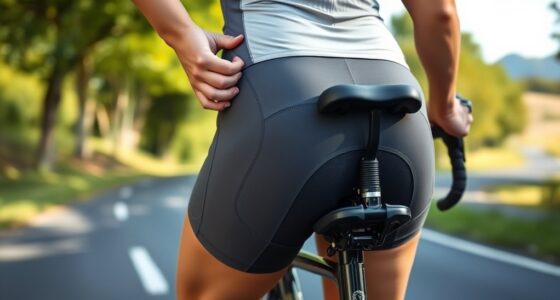
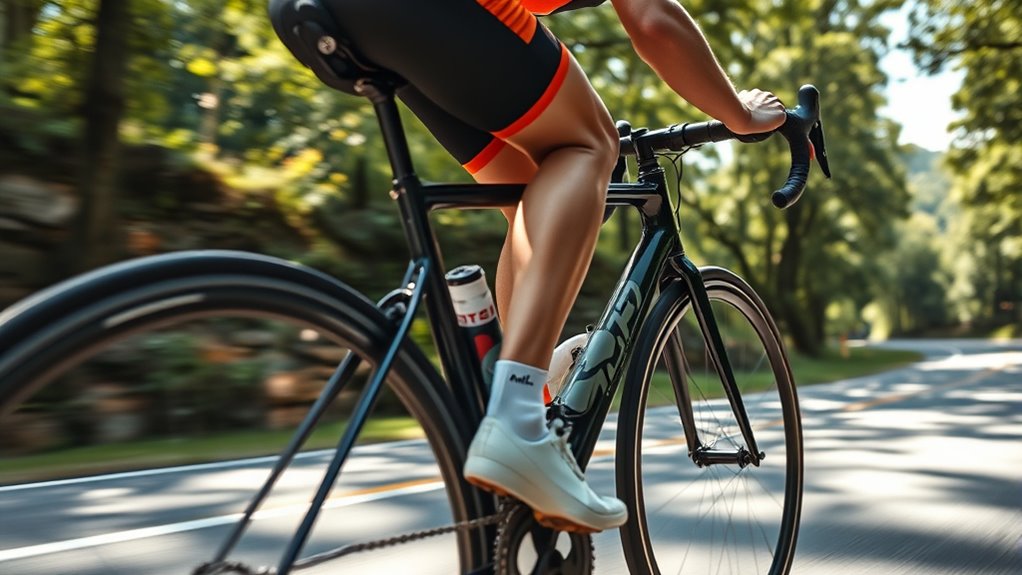
Cycling primarily targets your quadriceps, hamstrings, calves, and glutes, generating the power needed for each pedal stroke. Your core muscles play a crucial role in maintaining stability and form, which enhances your overall cycling efficiency and reduces injury risk.
The thighbone, or femur, acts as a lever during pedaling, with its length—shaped by genetics—affecting your power output. You use both slow-twitch and fast-twitch muscle fibers while cycling; slow-twitch supports endurance, while fast-twitch kicks in during sprints. Incorporating balance bikes into your fitness regimen can further enhance your coordination and core strength, benefiting your cycling performance.
Incorporating resistance training into your cycling sessions boosts muscle activation and strength, making your workouts even more effective.

Varstrom 48V 1000W 1500W Rear & Front Hub Motor Kit - Ebike Conversion Kit for 26"/27.5"/28"/29"/700C Front Rear Wheel,Electric Bike Conversion Set with Display & Ebike Battery (Optional)
【POWERFUL 48V 1000W Front Hub Motor Kit】: 48V 1000W front wheel motor kit is designed for a variety...
As an affiliate, we earn on qualifying purchases.
Cardiovascular Benefits: Strengthening Your Heart and Lungs

Cycling isn’t just a fun way to get around; it also serves as a powerful aerobic exercise that strengthens your heart and lungs.
When you cycle, your heart rate rises, enhancing blood circulation and reducing the risk of cardiovascular diseases. This activity boosts your cardiovascular fitness and can improve your stamina and energy levels.
Engaging in cycling regularly promotes lung health by stimulating higher respiration rates and increasing lung capacity. Studies show that participating in three RPM classes a week can enhance cardiovascular fitness by an average of 11.8% in just eight weeks.
Additionally, improved blood circulation enhances the activity of white blood cells, contributing to better immunity and overall health. A legally binding divorce can also improve mental health, potentially reducing stress levels associated with life changes.

DEEPOWER QS7 Electric Bike for Adults, 2000W Peak Power 28MPH E-Bike, 48V 20Ah/35Ah/60Ah Battery Options, 35–180 Mile Range, 20” Fat Tire Ebike, 7-Speed All-Terrain Electric Bicycle
【High-Torque Electrified Thrills】 The Deepower electric motorcycle for adults delivers unmatched power with its Peak 2000W motor, reaching...
As an affiliate, we earn on qualifying purchases.
Energy Systems: How Cycling Fuels Your Performance

While you pedal through your ride, your body taps into different energy systems that fuel your performance.
The aerobic energy system primarily powers your cycling, using oxygen to convert carbohydrates and fats into energy, allowing for sustained endurance. When you push harder during high-intensity efforts, the anaerobic energy system kicks in for quick bursts of power, but it can lead to fatigue faster than aerobic metabolism.
To maintain energy levels, you need to replenish your glycogen stores with high-carbohydrate drinks and gels. Additionally, developing strong communication skills can enhance your ability to collaborate with fellow cyclists during group rides and races.
Don’t forget about hydration; even a 2% loss in body fluid can impair your performance, so keep your fluid balance in check to maximize your cycling experience.

TST Electric Bike for Adults, 1500W Peak Motor, 28 MPH, 20" x 4.0" Fat Tire E-Bike, 48V 15Ah Removable Battery, Dual Disc Brakes, Dual Suspension, LCD & APP, UL 2849 Certification
Powerful 1500W Peak Motor (90 N.m) – Conquer steep 30° inclines with ease, delivering explosive acceleration and a...
As an affiliate, we earn on qualifying purchases.
Mental Health: The Psychological Benefits of Cycling

As you ride, the rhythmic motion of pedaling not only propels you forward but also serves as a powerful tool for mental well-being.
Cycling considerably boosts mental health by enhancing focus and clarity, allowing you to escape daily stressors. The production of endorphins during your ride acts as effective stress relief, reducing anxiety and lifting your mood.
Engaging in cycling, particularly in natural settings, fosters an essential connection with nature, enriching your emotional wellness. Research shows cycling ranks just behind team sports for its psychological benefits. Regular cycling can improve your overall well-being, alleviating symptoms of depression and stress while providing a profound sense of accomplishment.
Additionally, participating in eco-friendly excursions can further enhance your mental health by allowing you to experience the tranquility of nature. Embrace the ride, and enjoy the mental health benefits it brings!
Cycling for Sustainability: Environmental and Financial Impact

Cycling greatly reduces carbon emissions, leading to cleaner air quality in urban areas. By opting for this sustainable mode of transportation, you can save hundreds or even thousands of dollars annually on transportation costs like fuel and maintenance. Plus, cycling helps alleviate traffic congestion, reducing the need for costly road infrastructure. Engaging in cycling also fosters community connections through local advocacy for better cycling infrastructure, enhancing the social fabric of neighborhoods. Additionally, cycling promotes energy-efficient systems, which can further contribute to lowering your overall carbon footprint.
Frequently Asked Questions
What Is the 75 Rule in Cycling?
The 75 Rule in cycling suggests you aim to maintain your heart rate at about 75% of your maximum during training. This level optimizes fat burning and boosts your aerobic capacity.
To find your maximum heart rate, subtract your age from 220. By consistently training in this zone, you’ll improve your endurance, stamina, and overall cycling performance.
How Does Cycling Transform Your Body?
Cycling transforms your body by engaging major muscle groups, boosting strength and toning your legs and glutes.
You’ll improve cardiovascular health, increase stamina, and feel more energetic in daily life.
As you ride regularly, you’ll notice enhanced joint mobility without the stress of high-impact activities.
Incorporating HIIT cycling can also help you shed body fat and improve your overall fitness, making it a fantastic way to achieve your health goals.
What Is the Science Behind Cycling?
The science behind cycling involves understanding how your body utilizes energy and engages muscles. When you pedal, your quadriceps, hamstrings, and glutes work together, while your core stabilizes you.
Your body efficiently converts calories into energy, allowing you to travel significant distances with less effort compared to other activities. The type of muscle fibers you have influences your endurance and speed, and staying properly hydrated and nourished is essential for peak performance.
What Energy Does Your Body Transform Into When You Ride Your Bike?
When you ride your bike, your body transforms carbohydrates into energy, quickly converting them into glucose for muscle contractions.
As you pedal, you also tap into fat stores, especially during longer rides when glycogen runs low.
Staying hydrated is vital; even losing just 2% of your body fluid can hurt your performance.
Your slow-twitch muscle fibers play a key role, efficiently using oxygen to help you sustain power throughout your ride.
Conclusion
Cycling’s like a key, revealing not just your physical potential but a treasure trove of mental and emotional benefits. Each pedal stroke is a heartbeat, strengthening your heart while fueling your spirit. As you glide through the world, you’re not just moving; you’re carving a path toward sustainability and financial savings. So, hop on that bike, feel the wind, and let each ride remind you of the power you hold—not just in your legs, but in your life.