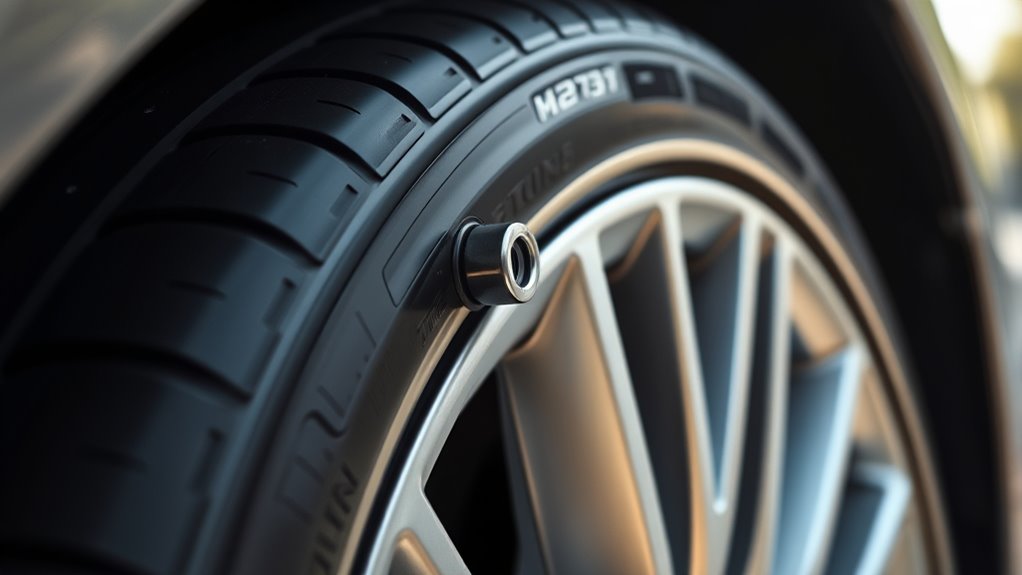

Maintaining proper tire pressure reduces your vehicle’s rolling resistance, making it easier for your engine to move your car and improving fuel efficiency. Underinflated tires increase contact with the road, raising friction and energy needs, while overinflated tires become stiff, reducing grip and handling. Keeping your tires at the recommended PSI ensures maximum contact, safety, and tire lifespan. Continue exploring how tire pressure affects performance and savings to get the most out of your vehicle.
Key Takeaways
- Proper tire pressure maintains optimal contact patch, reducing rolling resistance and improving fuel efficiency.
- Underinflated tires increase contact area, raising rolling resistance and decreasing vehicle performance.
- Overinflated tires stiffen, reduce traction, and can elevate rolling resistance, negatively affecting handling.
- Maintaining correct tire pressure minimizes deformation, lowering rolling resistance and enhancing safety.
- Regularly checking and adjusting tire pressure ensures optimal rolling resistance and prolongs tire lifespan.
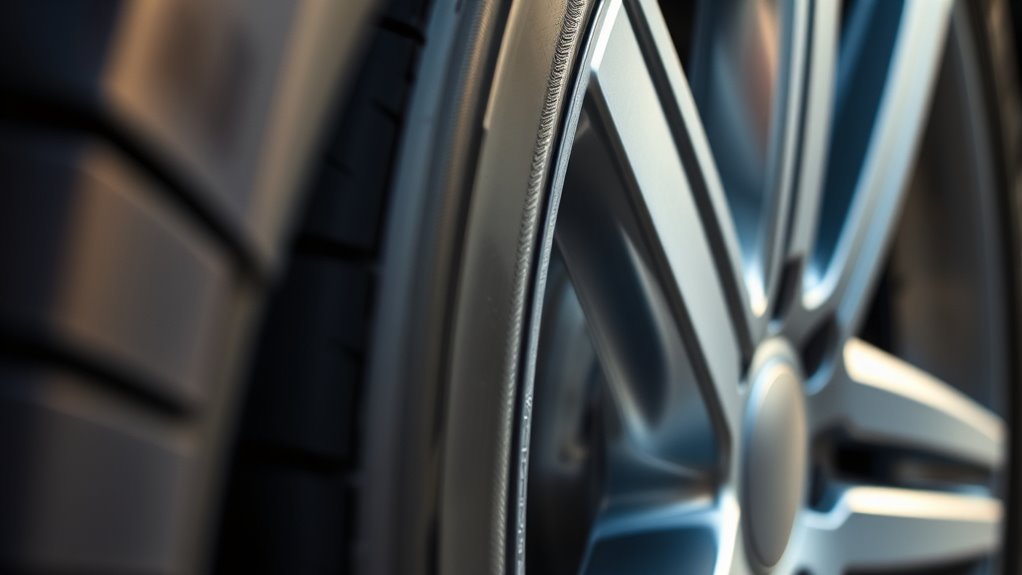
Maintaining the correct tire pressure is essential because it directly affects your vehicle’s rolling resistance, which is the force resisting the motion when your tires roll on the road. Proper tire pressure maintenance ensures that your tires are neither underinflated nor overinflated, both of which can increase rolling resistance and negatively impact your driving experience. When your tires are underinflated, the contact patch between the tire and the road enlarges, leading to more friction and higher rolling resistance. This extra friction requires more energy from your engine, reducing fuel efficiency and accelerating tire wear. Conversely, overinflation causes the tire to become too stiff, reducing traction and causing uneven wear, which can also raise the effects of rolling resistance.
Proper tire pressure balances contact patch, reduces friction, and improves fuel efficiency and safety.
Understanding the effects of rolling resistance is crucial for maximizing fuel economy and vehicle performance. As you drive, your tires constantly overcome the forces resisting their motion, primarily due to friction and deformation of the tire’s rubber and structure. When tire pressure is maintained at recommended levels, the tire maintains ideal shape, minimizing deformation and therefore reducing rolling resistance. This means less energy is needed to keep your vehicle moving, which translates into better fuel efficiency. Poor tire pressure management can lead to increased rolling resistance, forcing your engine to work harder and consume more fuel. Over time, this not only raises operational costs but also shortens the lifespan of your tires.
In addition to fuel savings, proper tire pressure maintenance enhances safety by ensuring perfect contact with the road. When tires are properly inflated, they provide better grip and handling, which is crucial during sudden maneuvers or adverse weather conditions. Maintaining the correct pressure also helps prevent irregular tire wear patterns, which can compromise traction and safety. It’s a simple yet effective step in vehicle maintenance that pays off in reduced emissions, better performance, and lower long-term costs. Additionally, advances in AI-driven solutions are helping researchers develop smarter ways to monitor and optimize tire health in real-time, further promoting safety and efficiency.
To keep your tires in top shape, check the tire pressure regularly—at least once a month—and before long trips. Use a reliable pressure gauge and follow the manufacturer’s recommended PSI, usually found on the driver’s door frame or in the owner’s manual. Remember, temperature changes can affect tire pressure, so check them when tires are cold for the most accurate reading. Consistent tire pressure maintenance isn’t just about prolonging tire life; it’s a key factor in controlling the effects of rolling resistance, improving your vehicle’s efficiency, and ensuring a safer, smoother ride.
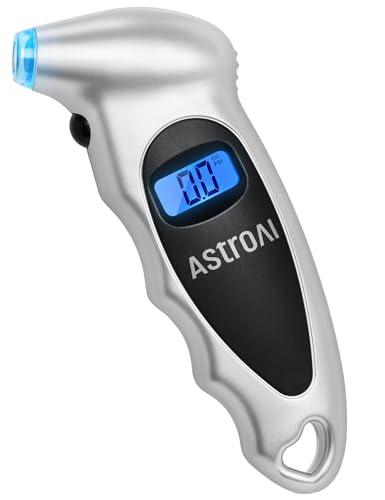
AstroAI Digital Tire Pressure Gauge 0-150PSI Calibrated to ANSI B40.7 +/-1PSI, Accurate in 0.1 Increments, 4 Pressure Measurements for Car Truck Bicycle with Backlight LCD, Silver
- Accurate, Factory-Calibrated Readings: ±1 PSI accuracy for reliable measurements
- Bright Backlit LCD & Nozzle Light: Easy to read in dark environments
- Multiple Measurement Units: Switch between PSI, Bar, Kgf/cm², KPA with one button
As an affiliate, we earn on qualifying purchases.
As an affiliate, we earn on qualifying purchases.
Frequently Asked Questions
How Often Should I Check My Tire Pressure?
You should check your tire pressure at least once a month to make certain proper tire maintenance. Regular pressure monitoring helps prevent uneven wear, improves fuel efficiency, and enhances safety. Also, check your tires before long trips or if you notice any handling issues. Don’t forget to inspect for leaks or damage. Maintaining correct pressure keeps your tires in top shape and prolongs their lifespan, saving you money in the long run.
What Is the Ideal Tire Pressure for My Vehicle?
The ideal tire pressure for your vehicle is usually between 30-35 psi, but check your owner’s manual or the sticker inside your driver’s door for exact figures. Maintaining proper pressure helps prevent uneven tire wear and enhances safety. Don’t ignore it—under-inflated tires can cause poor handling, while over-inflated tires may reduce traction. Regularly checking your tire pressure guarantees maximum performance and keeps you safe on the road.
How Does Temperature Affect Tire Pressure?
Temperature fluctuations directly impact your tire pressure, causing it to increase in warm weather and decrease in cold conditions. When temperatures drop, air contracts, leading to lower tire pressure, which can affect your vehicle’s handling and fuel efficiency. To maintain tire pressure consistency, check your tires regularly, especially during seasonal changes, and adjust the pressure as needed. Properly inflated tires ensure safer driving and peak performance regardless of temperature shifts.
Can Over-Inflating Tires Improve Fuel Efficiency?
Over-inflating tires might seem like a quick way to improve fuel efficiency, but it’s not recommended. Proper inflation guarantees your tires wear evenly and maintains ideal contact with the road, which helps with fuel economy. When you over-inflate, you risk uneven tire wear and reduced traction, potentially leading to unsafe driving conditions. Always follow manufacturer guidelines for proper inflation to balance fuel efficiency and tire longevity.
How Do Seasonal Changes Impact Rolling Resistance?
Seasonal changes impact rolling resistance because temperature fluctuations affect your tire pressure and material flexibility. In colder months, tires often lose pressure, increasing rolling resistance and reducing fuel efficiency. During warmer seasons, maintaining proper tire pressure through seasonal tire care helps keep rolling resistance low. You should regularly check your tires and adjust pressure accordingly to optimize fuel economy and ensure safe driving, especially as seasons change.
Conclusion
Maintaining proper tire pressure reduces rolling resistance, improves fuel efficiency, and enhances safety. Properly inflated tires save you money, extend tire life, and boost performance. By checking your tire pressure regularly, adjusting it as needed, and staying attentive to signs of under- or over-inflation, you guarantee a smoother ride, better handling, and lower emissions. Keep your tires in top shape, keep your journey safe, and keep your vehicle running efficiently—because good habits lead to better drives.