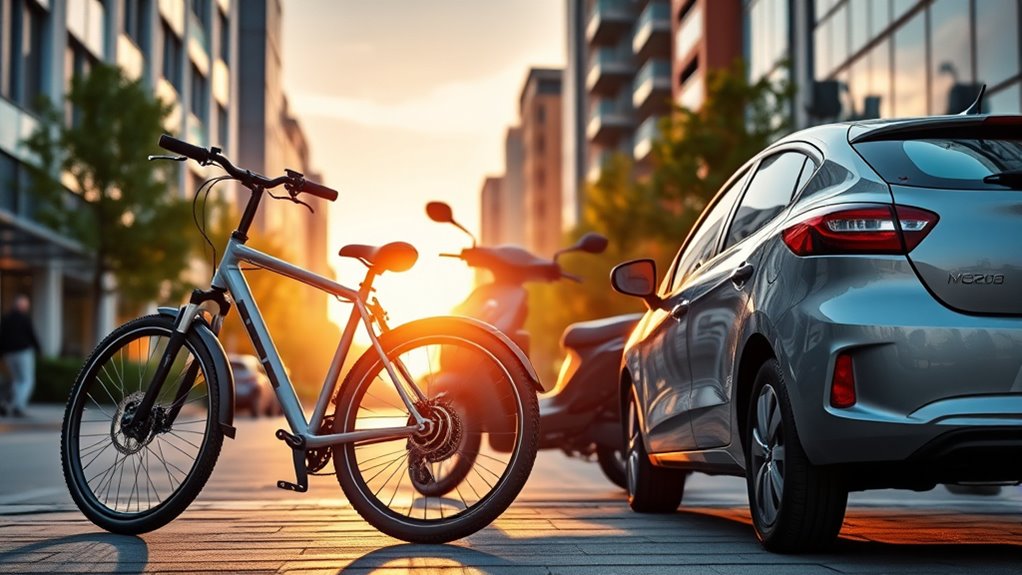

Bicycles use the least energy per mile since they rely solely on human power, making them highly efficient and environmentally friendly. Electric scooters are also low-energy options, especially when charged with renewable energy, offering a convenient urban travel choice. Gas-powered cars consume markedly more fuel and emit more CO₂ per mile. Electric vehicles improve on this, especially with cleaner energy sources. To discover how these modes compare and find the most sustainable option, keep exploring further.
Key Takeaways
- Bicycles have the lowest energy consumption per mile, relying solely on human effort.
- Electric scooters consume less energy per mile than cars, especially when charged with renewable energy.
- Gasoline-powered cars require significantly more energy per mile than bikes and electric scooters.
- Electric vehicles’ efficiency improves with increased use of renewable energy sources for charging.
- Overall, bikes and electric scooters are more energy-efficient options compared to traditional cars.

Have you ever wondered how efficiently your vehicle uses energy to travel a mile? Understanding energy per mile helps you compare different transportation options and make smarter choices. When considering bikes, scooters, and cars, it’s essential to look at how each one consumes energy and how renewable energy sources can influence their efficiency. Bicycles are renowned for their exceptional energy efficiency, requiring minimal effort from you and relying solely on human power. Because they don’t depend on fuel, their energy consumption is incredibly low, making them a sustainable choice. When powered by renewable energy, such as solar-powered charging stations for electric bikes or scooters, their environmental impact diminishes even further. This synergy between human effort and renewable energy sources means you can reduce your carbon footprint notably while traveling short distances.
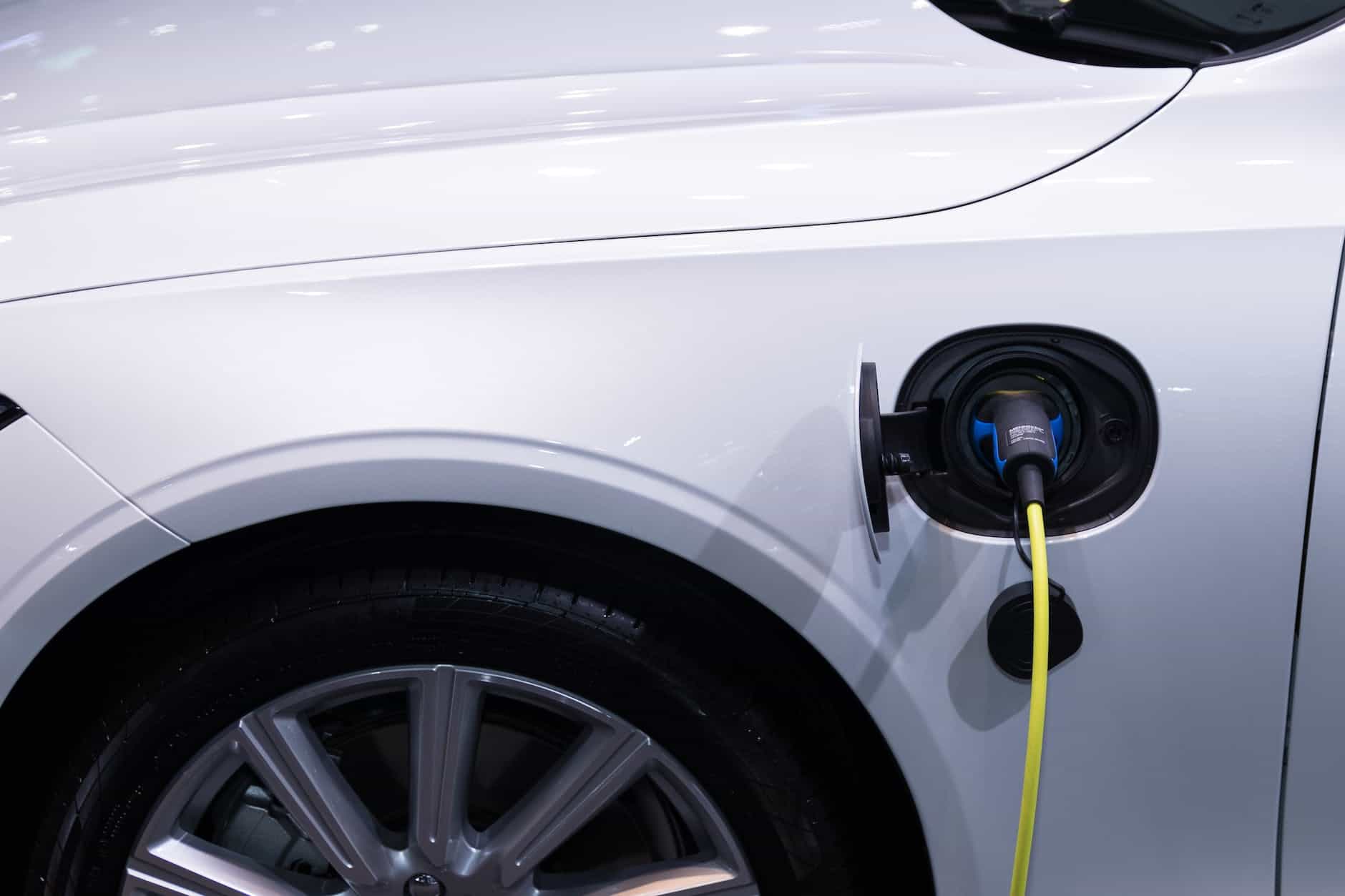
Electric scooters, for example, have gained popularity for their convenience and low energy per mile. They operate on batteries that, when charged with renewable energy, become even more eco-friendly. The energy efficiency of scooters surpasses that of most cars, especially during city commutes, because they require less energy to get you from point A to B. Their lightweight design and smaller motors mean they consume less electricity, which can be generated sustainably through wind or solar power. This makes scooters an excellent option for urban dwellers seeking an energy-efficient way to navigate through traffic while minimizing greenhouse gas emissions. On the other hand, traditional gasoline-powered cars tend to be much less energy efficient, especially when compared to bikes and electric scooters. They consume a lot of fuel per mile traveled, releasing more carbon dioxide into the atmosphere and contributing to climate change. However, advancements in electric vehicles and increased adoption of renewable energy for electricity generation are improving their energy efficiency. When a car’s battery is charged using renewable sources, its environmental impact drops notably, making it a cleaner alternative to fossil fuels. Moreover, Honda Tuning advancements in electric vehicle technology are helping improve overall efficiency and reduce emissions.
While cars still offer comfort and longer-range capabilities, their reliance on non-renewable energy sources often results in higher emissions and lower energy efficiency. Transitioning to electric cars charged with renewable energy is crucial for reducing overall energy per mile and fostering a more sustainable future. Ultimately, your choice depends on your travel needs, but recognizing how each mode uses energy and incorporating renewable energy into their operation can help you make smarter, greener decisions. Whether it’s a bike, scooter, or electric car, understanding energy efficiency and renewable energy’s role is key to reducing environmental impact and moving toward a more sustainable way of getting around.
Frequently Asked Questions
How Do Weather Conditions Affect Energy Efficiency?
Weather impact profoundly influences your energy efficiency when using bikes, scooters, or cars. Climate variation, like rain or extreme temperatures, can make riding harder, increasing energy use. For example, wind resistance in strong winds or slippery surfaces during rain forces you to work harder, reducing efficiency. Cold weather can also drain batteries faster for electric scooters. So, weather conditions directly affect how much energy you consume per mile.
What Maintenance Impacts Energy Consumption?
Maintaining your vehicle considerably impacts energy consumption. You should regularly check your battery health to guarantee optimal performance, as degraded batteries require more energy to operate efficiently. Additionally, keeping your tire pressure at recommended levels reduces rolling resistance, making it easier to move and conserving energy. Proper maintenance prevents unnecessary energy drain, helping you travel farther on each charge or tank and improving overall efficiency.
How Does Rider Weight Influence Energy per Mile?
Your rider weight directly impacts energy efficiency by increasing vehicle load, which leads to higher power consumption. Heavier riders require more energy to propel the bike, scooter, or car, reducing overall efficiency per mile. To optimize energy use, consider lighter loads when possible or choose lighter vehicles, as increased rider weight can markedly raise the energy needed for each mile traveled.
Are There Safety Considerations Linked to Energy Use?
Safety considerations linked to energy use include wearing helmet safety and protective gear to prevent injuries. When you use more energy, such as riding a scooter or bike, you’re more exposed to accidents if you don’t equip yourself properly. Always prioritize helmet safety and protective gear, especially when energy demands increase, to stay protected. Proper gear reduces injury risk and ensures you can ride confidently while minimizing safety hazards.
How Does Terrain Complexity Alter Energy Requirements?
Terrain complexity considerably affects your energy requirements, as you need more energy to navigate hills, rough surfaces, or uneven paths. Bikes generally adapt better to varied terrains, offering superior terrain adaptability and energy optimization. Scooters may struggle on steep or uneven ground, requiring more effort, while cars handle complex terrains with less energy per mile. Your choice depends on the terrain, aiming for efficient energy use and safe navigation across different environments.
Conclusion
When you choose your ride, remember it’s like picking a tool for a job—each has its own energy footprint. A bike might be your trusty steed, using just a whisper of power, while a car can feel like hauling a heavy load. Think of energy per mile as your fuel gauge—opt for the most efficient option when possible. Like fitting the right key to the lock, choosing wisely saves energy and keeps the world turning smoothly.