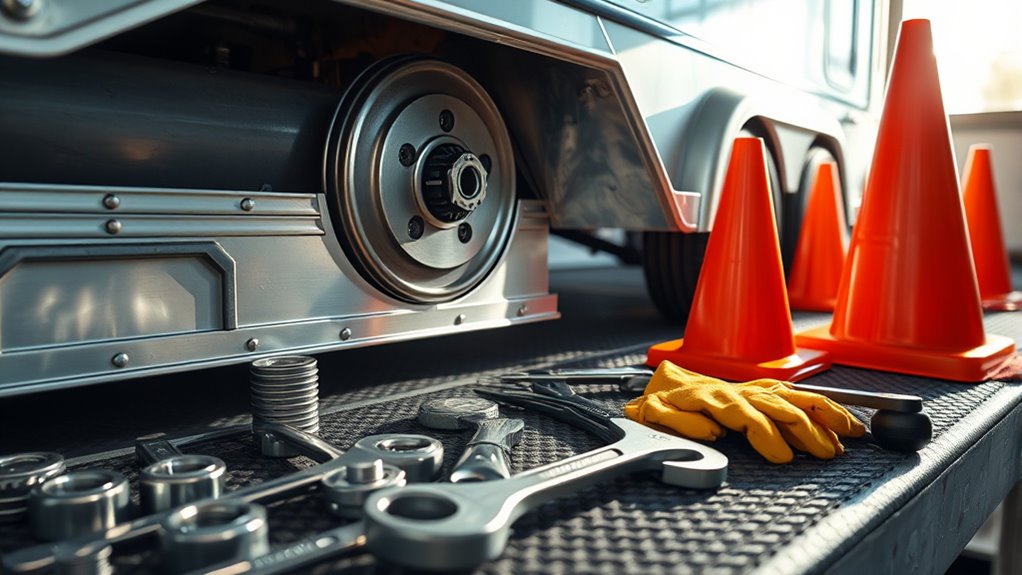

To keep your trailer in top shape, regularly inspect brakes, tires, lights, and hitch components for wear, corrosion, and proper function. Check tire pressure before each trip and look for damage or low tread. Maintain and lubricate moving parts, tighten loose bolts, and clean your trailer to prevent rust. Following a consistent maintenance schedule helps ensure safety, reliability, and longer equipment life. Keep going to learn essential tips for safe, efficient trailer upkeep.

Get sports gear delivered free with Prime
- Fast, free delivery on millions of items
- Prime Video, Amazon Music and more included
- Member-only deals all year
Key Takeaways
- Regularly inspect and replace brake pads, drums, and lights to ensure safety and optimal braking performance.
- Check tire pressure before trips and look for damage or wear, maintaining proper PSI as per manufacturer guidelines.
- Routinely examine suspension, hitch, and electrical components for tightness, corrosion, and proper function.
- Follow a scheduled maintenance plan based on trailer usage, including lubrication and component tightening.
- Keep the trailer clean and perform pre-trip inspections to prevent breakdowns and ensure safe, reliable towing.
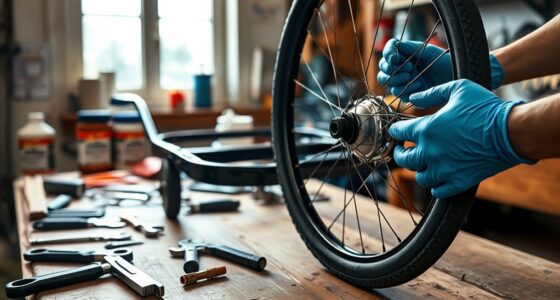
Ever wonder how to keep your trailer in top shape and guarantee it’s safe to tow? Regular maintenance is your best tool to ensure smooth travels and prevent costly breakdowns. To start, focus on your trailer’s brake system checks. Your brakes are essential for safe stopping, especially when hauling heavy loads. Periodically inspect the brake pads and drums for wear and corrosion. If you notice squealing or reduced braking performance, it’s time to replace worn components. Don’t forget to test the brake lights and signals to confirm they’re functioning correctly, as faulty lighting can lead to safety hazards or traffic violations. When inspecting the brake system, consider whether your trailer uses electric or hydraulic brakes and follow the manufacturer’s guidelines for maintenance intervals. Properly functioning brakes not only keep you safe but also improve braking efficiency, reducing wear and tear over time.
Alongside brake checks, tire pressure monitoring is equally important. Your trailer’s tires carry the load, and underinflated or overinflated tires can impair handling, increase fuel consumption, and cause premature tire failure. Before each trip, check the tire pressure with a reliable gauge and compare it to the manufacturer’s recommended PSI, which is usually marked on the tire sidewall or in your trailer’s manual. Keep in mind that tire pressure can fluctuate with temperature changes, so it’s wise to check it regularly, especially before long journeys. Properly inflated tires also promote even tread wear, extending their lifespan and ensuring optimal traction on the road. Don’t forget to inspect the tires for any cuts, punctures, or signs of aging, such as cracks or bulges, which can compromise safety. If you notice any damage or if the tread depth is below the recommended level, it’s time to replace the tires.
In addition to brake system checks and tire pressure monitoring, routinely examine your trailer’s suspension, lights, and hitch components. Tighten any loose bolts or connections and lubricate moving parts as needed. Keeping your trailer clean and free from debris also helps prevent corrosion and damage. Furthermore, understanding your trailer’s affiliate relationships and ensuring all maintenance complies with safety standards can help you avoid unexpected issues. Establishing a maintenance schedule based on your trailer’s usage and manufacturer’s recommendations will help you stay on top of necessary repairs. When you make maintenance a regular habit, you’ll enjoy safer tows, longer-lasting equipment, and peace of mind every time you hit the road. Remember, attentive upkeep isn’t just about avoiding breakdowns; it’s about ensuring your safety and that of everyone around you.
trailer brake pads replacement kit
As an affiliate, we earn on qualifying purchases.
As an affiliate, we earn on qualifying purchases.
Frequently Asked Questions
How Often Should Trailer Tires Be Replaced?
You should replace trailer tires every 3 to 6 years, depending on usage and tire condition. Regularly perform tire rotation and tread inspection to spot signs of wear or damage early. If you notice cracks, bulges, or significant tread loss, replace the tires sooner. Maintaining proper tire pressure and avoiding overloading also prolongs tire life, ensuring safe towing and preventing unexpected breakdowns.
What Is the Best Way to Prevent Rust on a Trailer?
To prevent rust on your trailer, regularly inspect and clean it, especially after exposure to moisture. Apply rust prevention treatments like protective trailer coatings or paint designed for metal surfaces. Make sure to keep the trailer dry and store it in a covered area when not in use. Using high-quality trailer coatings creates a barrier against moisture and corrosion, ensuring your trailer stays in top condition longer.
How Do I Choose the Right Trailer Lubricant?
Choosing the right trailer lubricant starts with understanding trailer fluid types, like grease or oil, suited for your trailer’s parts. You might worry about application mess, but using a brush or spray guarantees even lubricant application. Consider your trailer’s specific needs—metal parts, wheel bearings, or axles—and select a lubricant compatible with those elements. Proper application keeps parts moving smoothly and prevents rust, extending your trailer’s lifespan.
What Safety Checks Are Essential Before Each Trip?
Before each trip, you should check your safety gear, guaranteeing it’s in good condition and easily accessible. Verify load distribution to prevent imbalance, which can cause handling issues. Inspect tire pressure and condition, lights, and brakes to ensure they’re functioning properly. Also, look over hitch connections and safety chains. These checks help you stay safe on the road and prevent potential accidents caused by equipment failure or load issues.
How Can I Improve Trailer Braking Performance?
To improve your trailer’s braking performance, start by regularly checking and adjusting the brake adjustment to guarantee proper contact and responsiveness. Keep an eye on brake fluid maintenance, topping it off as needed and replacing it when dirty or old. This helps maintain brake efficiency and prevents issues. Also, inspect brake components for wear or damage, and replace them promptly to ensure smooth and reliable braking every time you hit the road.
Conclusion
Keep your trailer trouble-free by staying consistent with your checks and care. Regular inspections, repairs, and cleaning prevent problems from piling up and popping up unexpectedly. By maintaining your trailer meticulously, you’ll enjoy smoother trips and safer travels. Remember, proactive prevention pays off—protect your prized possession with proper upkeep. Stay savvy, stay safe, and guarantee your trailer’s longevity with simple, steady maintenance. Your journey’s joy depends on your diligent dedication!
Fall Picks
fall essentials
As an affiliate, we earn on qualifying purchases.