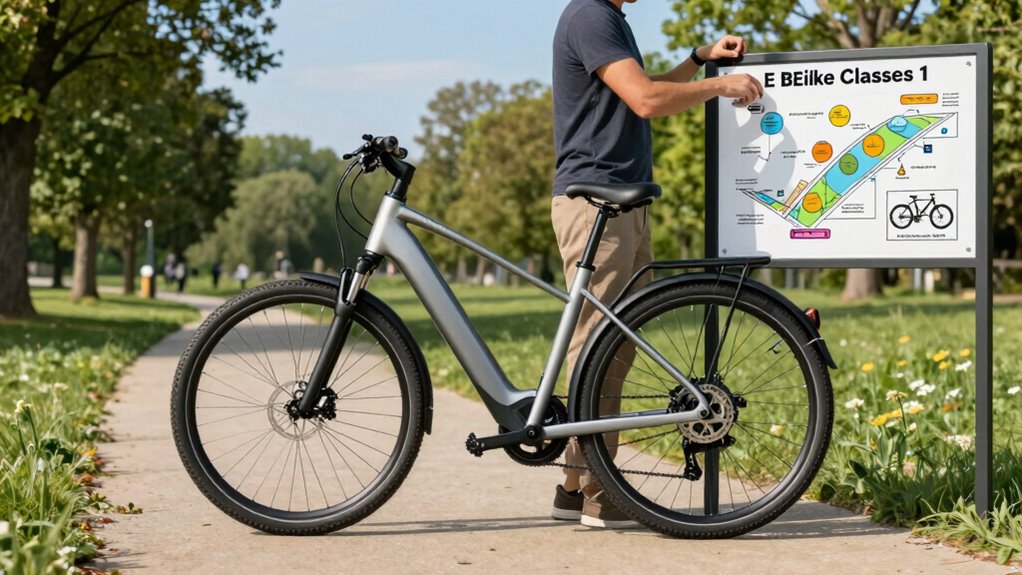

E-bike classes guide how fast and where you can ride them. Class 1 bikes pedal-assist only up to 20 mph, great for shared paths and casual rides. Class 2 bikes add throttle assist and also reach 20 mph, ideal for city commuting. Class 3 bikes hit up to 28 mph with pedal-assist only, perfect for faster rides and longer commutes. To avoid mistakes and ride legally, understanding these differences is essential—keep exploring to find out which class suits you best.

Get sports gear delivered free with Prime
- Fast, free delivery on millions of items
- Prime Video, Amazon Music and more included
- Member-only deals all year
Key Takeaways
- Know that Class 1 e-bikes are pedal-assist only with a top speed of 20 mph, suitable for shared paths.
- Understand that Class 2 bikes have throttle assist and reach 20 mph, ideal for city commuting.
- Recognize that Class 3 e-bikes are pedal-assist only, capable of 28 mph, and better for faster rides and longer commutes.
- Consider regional laws and restrictions to ensure you choose a class permitted in your riding areas.
- Choose the right class based on your riding terrain, speed preference, and intended use to avoid buying an unsuitable e-bike.
E-bike Class 1 20 mph pedal assist
As an affiliate, we earn on qualifying purchases.
As an affiliate, we earn on qualifying purchases.
What Are E-Bike Classes 1, 2, and 3? A Clear Overview

Ever wondered how e-bikes are categorized? E-bike classes help you choose the right ride based on speed and usage. Class 1 e-bikes go up to 20 mph and are pedal-assist only, making them suitable for most bike paths. Class 2 bikes also reach 20 mph but include a throttle, so you don’t always need to pedal. Class 3 bikes can hit 28 mph and are pedal-assist only, often restricted to certain areas. To maximize your e-bike’s battery range, keep your tires properly inflated and avoid aggressive acceleration. Regular maintenance tips, like checking brakes and cleaning the chain, ensure your bike runs smoothly and extends its lifespan. Understanding these classes helps you select an e-bike that matches your riding style and legal requirements. Additionally, being aware of the speed capabilities ensures you stay within legal limits and enhances safety during rides. Knowing the battery management techniques can also significantly improve your riding experience and overall bike longevity. For optimal performance, it’s also important to familiarize yourself with local e-bike regulations to ride safely and legally.
How Do Speed Limits Vary Across E-Bike Classes?

You’ll notice that speed limits differ markedly between E-Bike Classes 1, 2, and 3, affecting where and how you can ride. These limits can also vary depending on regional laws, so it’s important to stay informed about local regulations. Understanding these distinctions helps you choose the right e-bike and ride safely within legal boundaries. Additionally, Free Floating design features influence how e-bikes are classified and regulated based on their riding capabilities.
Speed Limits by Class
E-bike speed limits vary considerably across different classes, ensuring riders stay within safe and legal riding parameters. Class 1 e-bikes are limited to 20 mph, focusing on pedal-assist only, with motor wattage typically capped at 750 watts. Class 2 bikes also reach 20 mph but can include throttle control, making them more versatile. Class 3 e-bikes can go up to 28 mph, often built with higher battery capacities to sustain that speed, and their motors usually have higher wattage ratings to handle increased power demands. These speed limits are designed to match the bike’s motor wattage and battery capacity, preventing overuse and ensuring safety. Staying within these limits helps you avoid legal issues and promotes safe riding conditions for yourself and others.
Regional Regulatory Differences
Regional regulations can considerably influence how speed limits are enforced and applied to different e-bike classes. Some areas have strict regional licensing requirements that determine which classes are legal on certain roads or bike paths. For example, Class 1 e-bikes often face fewer restrictions, while Class 3 bikes may require special permits or registration. Manufacturer standards also vary regionally, affecting how e-bikes are built and marketed to meet local laws. This means that an e-bike bought in one area might need modifications to meet another region’s rules. Always check your local regulations to understand how speed limits are enforced for each class. Being aware of regional licensing and manufacturer standards guarantees you stay compliant and avoid legal issues when riding your e-bike.
Which E-Bike Class Is Right for Your Riding Style?

Choosing the right e-bike class depends on your riding style and the kind of experience you’re seeking. If you prefer casual rides or commuting, a Class 1 e-bike offers gentle assistance and smooth riding ergonomics, making it comfortable for longer trips. For more adventurous or faster rides, Class 3 e-bikes provide higher speeds, but guarantee your riding style supports that level of performance. Consider how battery technology impacts your ride; newer batteries offer longer range and quicker charging, which suits more active riders. Additionally, riding ergonomics—such as handlebar position, seat comfort, and overall bike design—play a vital role in how you enjoy your e-bike. Matching your riding style with the appropriate class ensures a safe, enjoyable experience tailored to your needs. Exploring paranormal phenomena related to e-bike technology can reveal surprising insights about the mechanics behind these innovative vehicles, especially as advancements in battery technology continue to evolve and influence performance. Furthermore, understanding local regulations can help you choose an e-bike class that aligns with legal requirements in your area.
When Should You Choose a Class 2 E-Bike?

A Class 2 e-bike is perfect if you commute regularly and need reliable power to get through your daily rides. It offers enhanced assistance while staying within legal speed limits, making it a practical choice for city riding. Consider this option when you want an efficient, compliant e-bike for everyday travel.
Ideal for Commuting
If you’re looking for an e-bike that offers reliable power for daily commutes, a Class 2 e-bike is an excellent choice. Its pedal-assist or throttle capability helps you reach speeds up to 20 mph, making city riding smoother and faster. Modern battery technology guarantees longer rides between charges, so you won’t have to worry about running out of power on your way to work. To keep your e-bike running at its best, follow simple maintenance tips like regularly checking the battery connections and keeping the motor clean. These practices extend your e-bike’s lifespan and ensure consistent performance. A Class 2 e-bike strikes a balance between power and convenience, making it perfect for urban commuting and daily errands. Connected technology in e-bikes further enhances your riding experience by providing real-time data and navigation assistance. Additionally, understanding regulatory requirements can help you stay compliant with local laws and avoid potential fines or issues. Regularly reviewing safety guidelines ensures a safer riding experience as you navigate busy streets and shared pathways.
Enhanced Power Assistance
Enhanced power assistance becomes especially valuable when you need extra help tackling hilly terrain, headwinds, or longer distances. A Class 2 e-bike with higher battery capacity ensures you have enough juice for extended rides, while different motor types—such as hub or mid-drive—provide varying levels of assistance. Choose a Class 2 e-bike if you want more power without exceeding legal speed limits, especially for demanding routes. Here are key factors to take into account:
- Increased battery capacity for longer rides
- Powerful motor types for better assistance
- Need for reliable help on challenging terrains
- Preference for a snappier response in tough conditions
- Understanding e-bike classifications helps you select the right model for your needs.
Enhanced power assistance is a smart choice when you prioritize comfort and performance on more demanding rides.
Legal Speed Limits
Choosing a Class 2 e-bike makes sense when you want to stay within legal speed limits while enjoying extra power. These bikes typically max out at 20 mph, aligning with many local regulations. If you plan to ride in urban areas or shared paths, a Class 2 offers the right balance of speed and legality. Keep in mind that riding at higher speeds can drain your battery faster, affecting your battery range. To get the most out of your e-bike, follow maintenance tips like keeping the chain clean and ensuring proper tire inflation. This helps maintain consistent performance and battery efficiency. Knowing when to choose a Class 2 guarantees you stay compliant with laws and get the most reliable, safe ride every time.
Why Do Riders Prefer Class 3 E-Bikes?

Many riders prefer Class 3 e-bikes because they offer greater speed and versatility for commuting and recreational rides. These bikes provide an exhilarating experience that mimics motorized bicycles, making them ideal for quick trips and extended adventures. Plus, their higher speed can help you reach your destination faster. When considering e bike regulations, Class 3 models often have fewer restrictions in certain areas, giving you more riding freedom. Here are four reasons why they’re popular:
Class 3 e-bikes deliver faster speeds, greater versatility, and more riding freedom for all your adventures.
- Faster speeds up to 28 mph for efficient travel
- Better suited for hilly terrain and longer distances
- Enhanced power for tackling tough climbs
- Increased riding enjoyment with a more natural feel
Additionally, understanding e-bike classifications can help riders choose the right model for their needs. Knowing the regulatory differences between classes can ensure you stay compliant and make the most of your riding experience. Being aware of machine weights can also influence your choice, especially if you need to carry or transport your e-bike frequently. Recognizing the importance of market value and net worth estimates can help in understanding the market value of different e-bike models and their accessories. These advantages make Class 3 e-bikes a preferred choice for many enthusiasts.
Where Can You Legally Ride Different E-Bike Classes?

You need to know where you can legally ride each e-bike class to stay compliant with the law. Class 1 e-bikes are generally permitted on bike paths and roads, but regulations vary by location. Make sure to check local, state, and municipal rules to avoid any legal issues. Being aware of local regulations and rules can help you ride safely and legally. Additionally, understanding how affiliate disclosures and privacy policies impact your online experience can be beneficial when accessing related information. Knowing about security zone info can provide insights into areas with specific regulations and safety protocols that might affect your riding activities. Familiarizing yourself with regional e-bike regulations can further ensure you stay within legal boundaries while enjoying your rides.
Legal Riding Areas for Class 1 E-Bikes
Legal riding areas for Class 1 e-bikes are generally more accessible than those for higher classes because they are designed to resemble traditional bicycles. You can ride them on most bike paths, multi-use trails, and parks that allow bicycles. Always prioritize bike safety and wear proper riding gear to stay protected. Here are some common areas where Class 1 e-bikes are permitted:
- City bike lanes and paths
- National and state parks with designated bike routes
- Rail-trails and recreational trails
- Campus and university bike-friendly zones
Being aware of local regulations can help prevent unintentional violations and ensure you remain within legal riding areas. Understanding e-bike classifications can help you choose the right bike and ride within legal boundaries. It is also helpful to familiarize yourself with permitted riding zones to enhance your riding experience and stay compliant. Staying within legal areas ensures safe, enjoyable rides and helps you avoid fines.
State and Local Regulations for E-Bikes
Rules for riding e-bikes vary widely depending on your state and local jurisdiction. Some areas allow all classes on bike paths and streets, while others restrict certain classes to roads only. Helmet laws differ too; many states require helmets for riders under a certain age, regardless of e-bike class. Insurance requirements also vary—some regions treat e-bikes like regular bikes, while others mandate insurance similar to motor vehicles, especially for Class 3 models. Always check your local regulations before riding. You might find that Class 1 and 2 e-bikes are permitted on multi-use paths, but Class 3 e-bikes are restricted to streets or bike lanes. Staying informed ensures you ride legally and safely, avoiding fines or confiscation.
What Are the Local Laws and Regulations for E-Bike Classes?

Understanding local laws and regulations for e-bike classes is essential before hitting the road. These rules vary widely, so check your area’s specific requirements. Here are four key points to keep in mind:
- Helmet safety laws may require helmets for certain age groups or e-bike classes.
- Speed limits for each class determine where you can ride, especially on bike paths.
- Battery range regulations might restrict e-bikes in certain zones or trails.
- Some locations mandate registration or licensing for higher-powered e-bikes.
Knowing these rules helps you stay compliant and avoid fines. It also guarantees you’re riding safely, especially if you’re concerned about battery range or safety gear like helmets. Always verify local laws before you ride to enjoy your e-bike confidently.
How to Choose the Best E-Bike Class for Your Needs
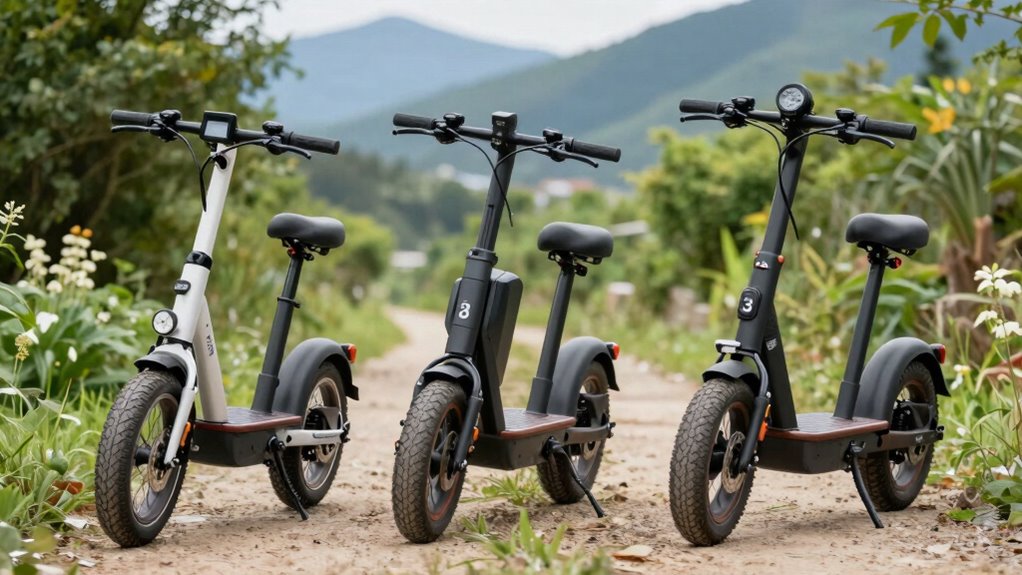
Choosing the right e-bike class depends on how you plan to ride and what you want to achieve. Consider your typical rides, terrain, and desired speed. For longer commutes or rugged trails, prioritize models with better battery life and durable motor types like hub or mid-drive motors.
| E-Bike Class | Suitable For | Motor Types |
|---|---|---|
| Class 1 | Leisure, flat terrain | Hub, mid-drive |
| Class 2 | Commuting, mixed terrain | Hub, mid-drive |
| Class 3 | Speed enthusiasts, commuting | Mid-drive only |
Choosing the correct class guarantees you get the right balance of power, range, and speed for your riding style.
How Do Speed Limits Affect Safety and Riding Experience?

Speed limits on e-bikes directly impact your safety and riding experience by setting clear boundaries for manageable and predictable riding. When speeds are regulated, you’re less likely to lose control or face unexpected hazards. This enhances helmet safety, reducing injury risks during falls or collisions. It also improves riding comfort, making your journey more relaxed and less stressful. Consider these points:
Regulated e-bike speeds enhance safety, control, and comfort for a smoother, less risky riding experience.
- Lower speeds help you react faster to obstacles and traffic.
- Consistent speed limits make riding more predictable for you and others.
- Reduced speed can minimize accidents and injuries.
- Appropriate limits foster confidence, especially on busy or rough terrains.
Final Tips for Picking the Perfect E-Bike Class
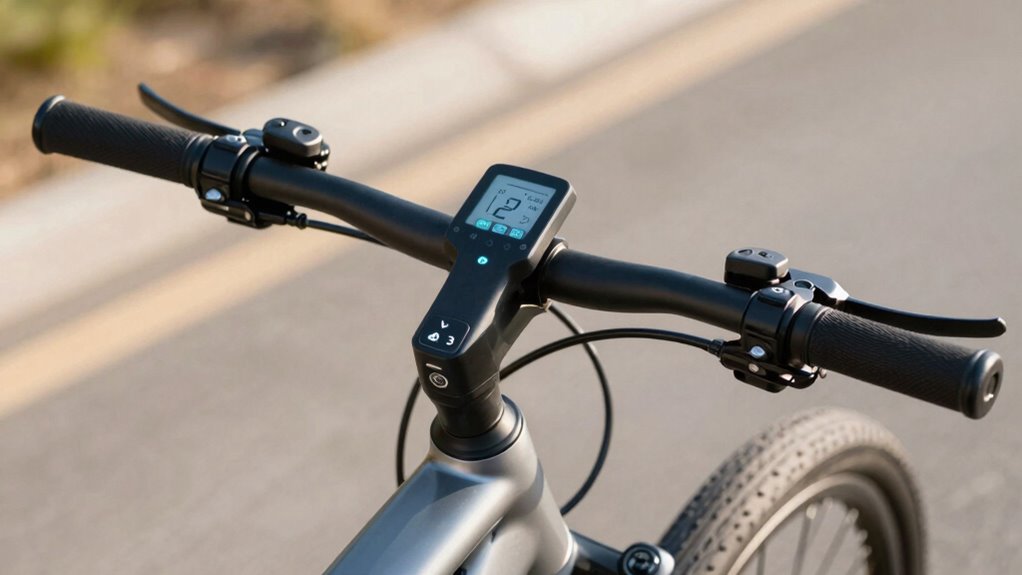
Selecting the right e-bike class guarantees you enjoy a safe, comfortable, and enjoyable riding experience tailored to your needs. To do this, consider your typical riding terrain, speed preferences, and local regulations. Pay attention to battery safety—choose models with quality batteries and ensure proper charging practices to prevent overheating or damage. Regular maintenance tips, like checking tire pressure, brake function, and electrical connections, help keep your e-bike in top shape and extend its lifespan. Also, think about your comfort and control; a bike with appropriate gearing and suspension can make longer rides more enjoyable. Ultimately, picking the right class involves balancing speed, safety, and maintenance needs, so you can ride confidently and avoid surprises on your journey.
Frequently Asked Questions
Are E-Bike Classes Consistent Nationwide or Do They Vary by State?
E-bike classes aren’t consistent nationwide; they can vary by state due to different regulations. While federal regulations provide a basic framework, each state sets its own rules regarding e-bike speed limits and where you can ride them. You should always verify your local laws before buying or riding an e-bike to ensure you’re compliant and avoid any legal issues. This way, you ride safely and within the law wherever you are.
Can I Convert My Existing Bike Into an E-Bike Classified as Class 1, 2, or 3?
Think of converting your bike into an e-bike as upgrading a classic tool into a smart device. You can do a bike conversion, but you must meet legal requirements to classify it as a specific class. Check local laws because regulations differ by state. Make sure your conversion kit includes a pedal-assist sensor and speed limiters to fall into Class 1, 2, or 3, so your ride stays legal and safe.
What Insurance Requirements Apply to Different E-Bike Classes?
You need to check your state’s insurance coverage requirements for different e-bike classes. Typically, Class 1 and 2 e-bikes may not require special insurance, but liability limits could apply if you’re involved in an accident. For Class 3 bikes, some areas may demand more extensive coverage or liability limits. Always verify local laws to guarantee you’re adequately protected and comply with regulations.
How Do Battery Range and Motor Power Differ Among E-Bike Classes?
You might think all e-bikes are similar, but class differences matter. Class 1 bikes typically have lower motor wattage, around 750W, and a battery capacity that offers 20-40 miles of range. Class 3 bikes feature higher motor wattage, up to 750W, with larger batteries that can push your range to 40-70 miles. So, if you need more power and longer rides, choosing the right class makes all the difference.
Are There Age Restrictions for Riding Specific E-Bike Classes?
You need to be aware of age restrictions for riding different e-bike classes. Generally, kids under 14 are limited from riding Class 3 e-bikes, and many areas require riders to be at least 16 or older for higher-speed models. Always wear safety gear, like helmets, and check local laws to confirm you’re compliant. Following age restrictions helps keep you safe and legal while enjoying your ride.
Conclusion
Choosing the right e-bike class can make or break your riding experience. Did you know that Class 3 e-bikes can reach speeds of up to 28 mph, making them popular among commuters? By understanding your riding style and local laws, you can select the perfect class for you. Don’t rush—pick wisely, and enjoy the ride. Your ideal e-bike is just a decision away!
NFL season / tailgating Picks
team gear
As an affiliate, we earn on qualifying purchases.