To prevent bike theft and recover your ride, GPS trackers offer real-time updates and long-distance tracking, making them more effective for serious security. Bluetooth trackers are affordable, easy to install, and detect nearby movement, but they’re limited by range and battery life. Choosing the right depends on your budget and security needs. Keep in mind, understanding the features and limitations of each can help you make the best choice—more tips await you.

Get sports gear delivered free — and shop member deals
- Fast, free delivery on millions of items
- Access to Prime Big Deal Days deals on October 6–7
- Prime Video, Amazon Music and more included
Key Takeaways
- GPS trackers provide continuous, real-time location updates suitable for long-distance theft recovery.
- Bluetooth trackers are quick to install, affordable, and effective for close-range theft alerts.
- GPS devices offer advanced features like geo-fencing and tamper alerts, enhancing security.
- Bluetooth trackers have limited range and battery life, making them less reliable for long-distance theft recovery.
- Combining GPS and Bluetooth trackers can maximize theft prevention and recovery effectiveness.
GPS bike tracker with real-time location
As an affiliate, we earn on qualifying purchases.
As an affiliate, we earn on qualifying purchases.
How Do GPS and Bluetooth Bike Trackers Help Prevent Theft and Recover Bikes?
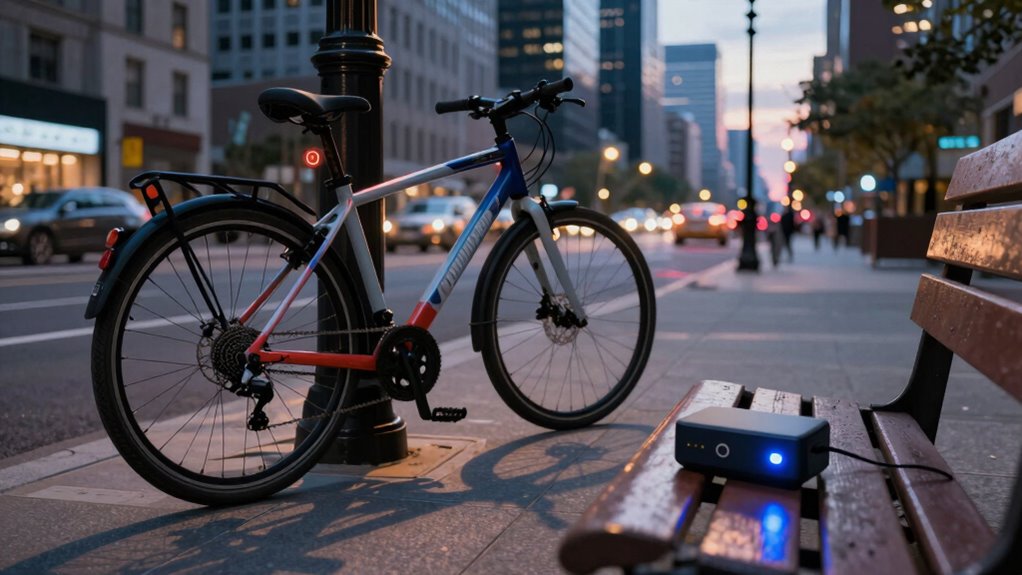
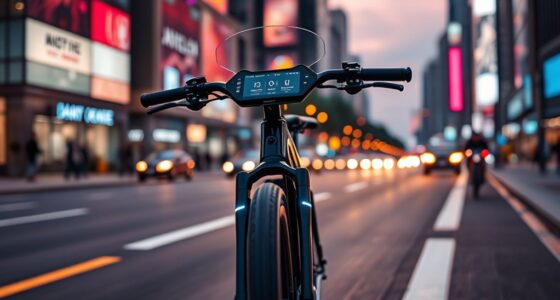
GPS and Bluetooth bike trackers actively help prevent theft and recover stolen bikes by providing real-time location data. When you install a tracker, you can alert authorities immediately if your bike is stolen, increasing the chances of recovery. Many insurance companies offer discounts if you have a tracker installed, lowering your premiums and providing added financial protection. These devices also serve as effective theft deterrents; potential thieves are less likely to target a bike that’s easily traceable. Bluetooth trackers are useful when you’re nearby, signaling if someone moves your bike, while GPS trackers offer continuous location updates, even when your bike is out of Bluetooth range. Together, they create a thorough system that discourages theft and helps you recover your bike quickly.
GPS vs Bluetooth Bike Trackers: Which Offers Better Theft Prevention?
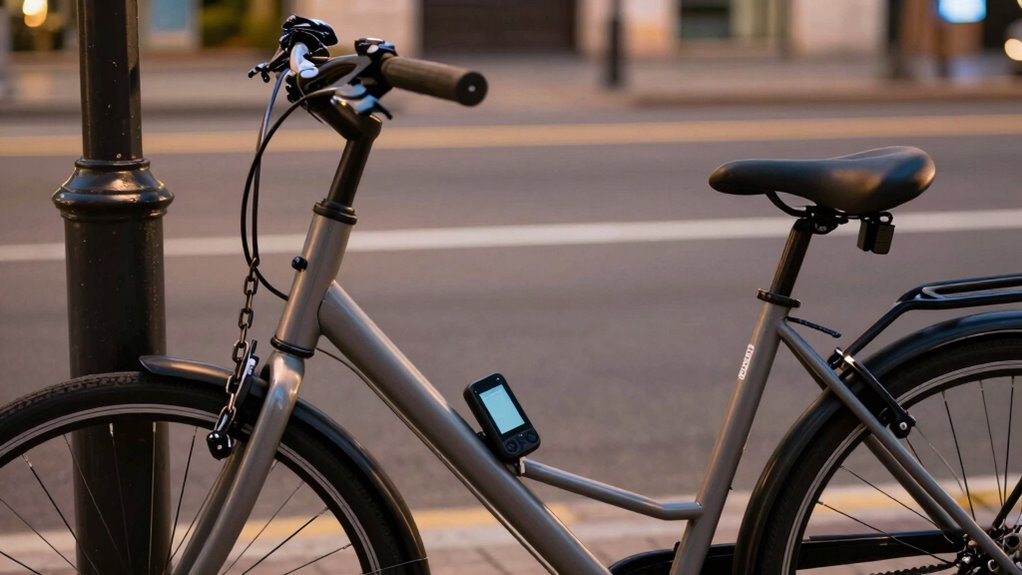
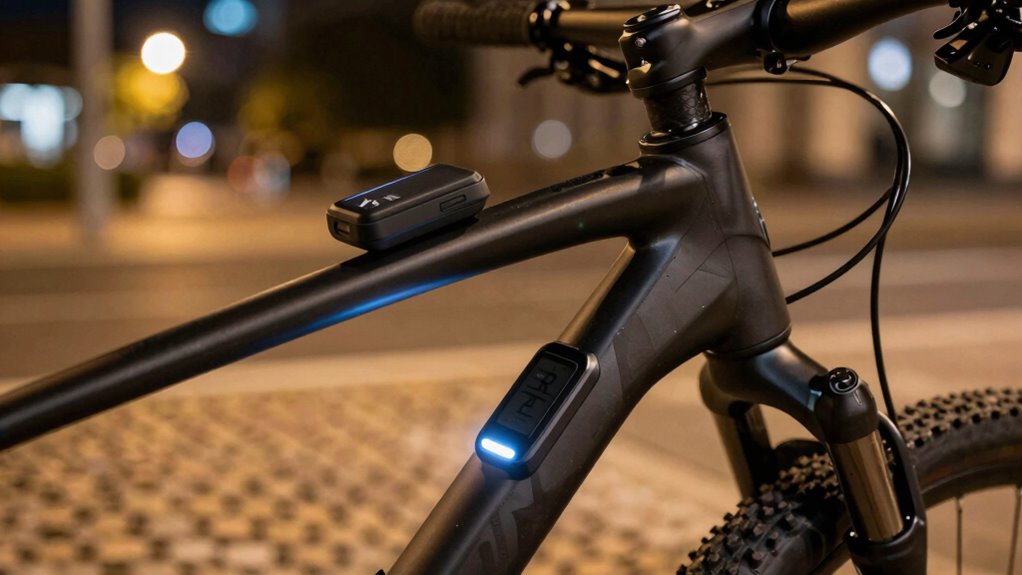
While Bluetooth trackers are simpler to install—often just attaching the device—making them ideal for quick setup, they lack the real-time location updates that GPS devices provide.
What Are the Benefits and Drawbacks of Bluetooth Bike Trackers?
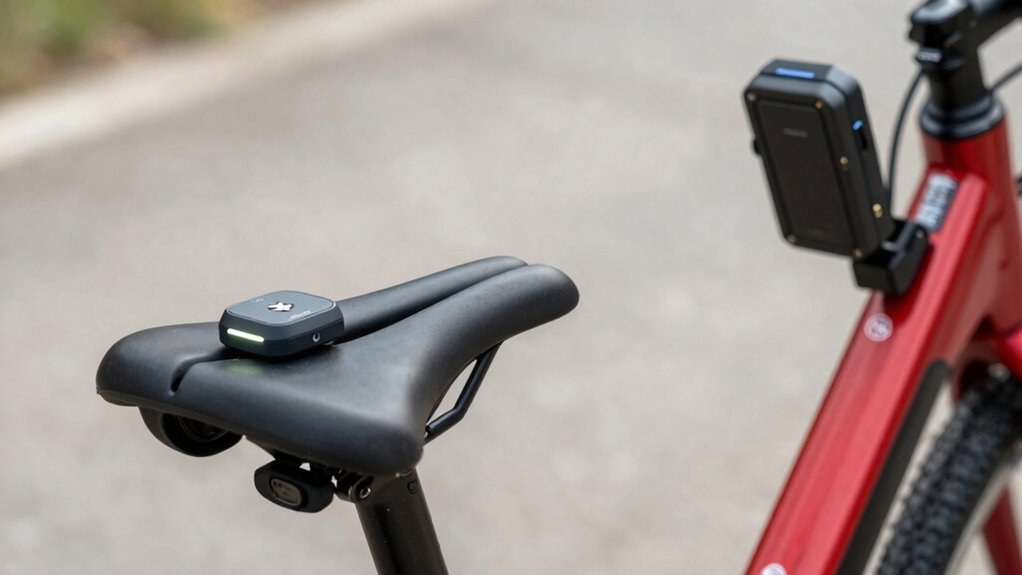
Are Bluetooth bike trackers a practical choice for everyday security? They’re small, easy to install, and generally affordable, making them a popular option. However, their limited battery life can be a drawback, often requiring frequent recharging or replacement. This means you need to stay vigilant about maintaining the device to guarantee it functions when needed. Cost considerations are another factor; Bluetooth trackers tend to be cheaper upfront than GPS alternatives, but ongoing maintenance costs can add up if frequent replacements are necessary. While they’re effective for close-range theft detection or alerting you when your bike moves, they aren’t ideal for tracking stolen bikes over long distances. Overall, Bluetooth trackers work well for basic security but may fall short if you need extensive theft prevention. Additionally, Free Floating technology can help optimize placement and signal range, enhancing the effectiveness of Bluetooth trackers. Understanding the limitations of Bluetooth technology can help you make a more informed decision about your bike’s security needs. Being aware of signal range constraints is essential for choosing the right device for your environment, especially considering interference from other wireless devices that can impact performance. Moreover, new innovations in security device integration are emerging, which could improve long-range tracking capabilities in the future.
Which Bike Tracker Should You Choose for Your Needs?
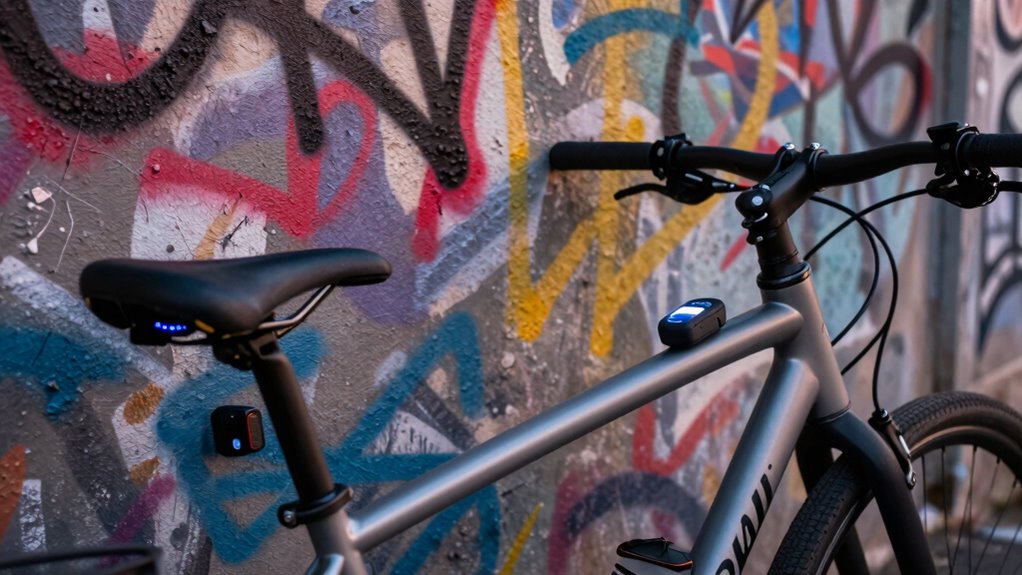
Choosing the right bike tracker depends on your specific security needs and budget. If you want comprehensive protection, look for trackers with robust security features like real-time GPS location, tamper alerts, and geo-fencing. These features can help you quickly respond if your bike is stolen. Also, consider installation ease—some trackers are simple to set up and require no tools, making them ideal for quick deployment. Bluetooth trackers are often budget-friendly and easy to install but have limited range, so they work best if you’re nearby. GPS trackers, though typically more expensive, provide continuous tracking and advanced security features, offering peace of mind. Assess your priorities and choose a device that balances security features and installation ease to suit your lifestyle and budget. Additionally, understanding the limitations of Bluetooth range can help set realistic expectations for your bike’s security coverage. Being aware of tracking technology can also inform your decision-making process by highlighting the differences between GPS and Bluetooth options. Moreover, considering the power consumption of each device can ensure you select a tracker that maintains reliable operation without frequent battery replacements. For optimal performance, look for trackers with long-lasting batteries that can support extended periods of use without frequent recharging. Considering battery life management features can further help optimize device longevity and reduce maintenance.
Final Tips for Choosing the Best Bike Tracking Device to Keep Your Ride Safe
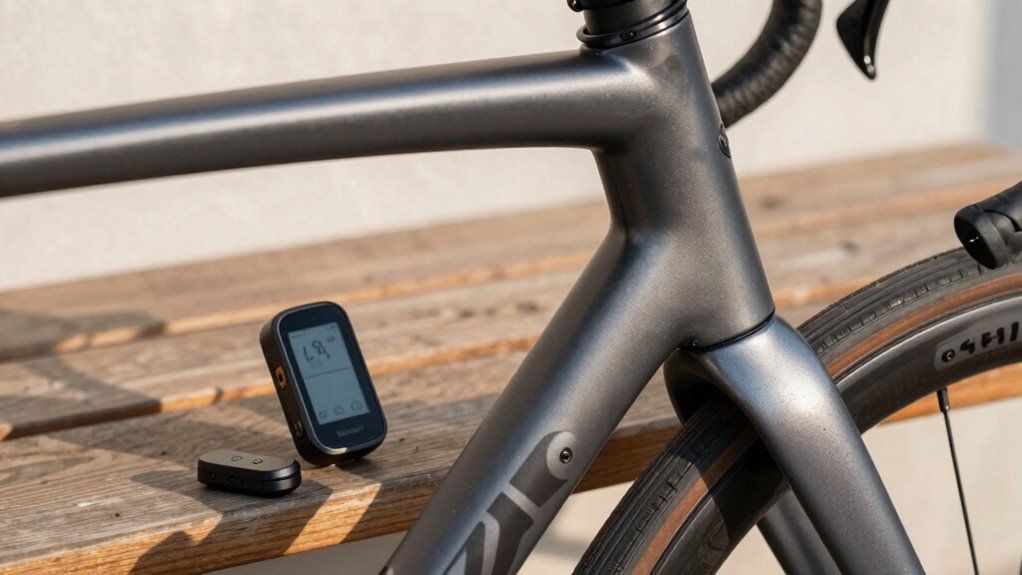
Selecting the right bike tracking device involves balancing security features with your budget and lifestyle. To make an informed choice, consider how the device integrates with your existing cycling accessories and your daily routine. Look for features like real-time GPS updates, theft alerts, and ease of use. Also, think about maintenance tips to keep your tracker functioning at its best. Using a reliable backup power source can ensure your device stays connected and functional in case of power issues or battery failure. Additionally, choosing a device with energy-efficient components can prolong battery life and reduce the need for frequent recharging. Incorporating weather-resistant materials can also enhance durability and performance in various outdoor conditions. Drawing from deep-sky imaging principles, selecting a tracker with optimal placement and shielding can improve signal reliability in different environments. Ensuring proper signal placement and minimal obstruction can further enhance accuracy and connectivity.
Frequently Asked Questions
How Accurate Are GPS and Bluetooth Trackers in Different Environments?
GPS trackers are generally more accurate in open environments where signal strength remains strong, but environmental interference like tall buildings or dense trees can disrupt their precision. Bluetooth trackers work best indoors or in limited areas, offering quick proximity alerts, but their accuracy drops in larger or obstructed spaces. In mixed environments, expect some variability, and consider combining both technologies for better reliability.
Can Bike Trackers Be Hacked or Tampered With Easily?
Bike trackers can be hacked or tampered with, exposing cybersecurity vulnerabilities and risking device tampering. You face threats like signal jamming, hacking into firmware, or disabling the tracker altogether. Like breaking a chain or cutting a wire, malicious actors target weak points in your device’s security. To protect your bike, choose trackers with strong encryption, regular updates, and tamper alerts, making hacking and tampering much harder to succeed.
Are There Legal Considerations for Using Bike Trackers in Public Areas?
You need to be aware of legal restrictions and privacy concerns when using bike trackers in public areas. Laws vary by location, so it’s wise to research local regulations before installing tracking devices. While trackers can help recover your bike, unauthorized tracking of others may breach privacy laws. Always ascertain you use your tracker responsibly and ethically, respecting others’ privacy and avoiding legal trouble.
How Does Weather Impact the Performance of GPS and Bluetooth Trackers?
Weather conditions can substantially impact the performance of your bike trackers. Rain, snow, and fog may cause signal interference, reducing GPS accuracy and reliability. Bluetooth trackers are also affected by humidity and obstacles, which can weaken signals. To guarantee your tracker works well, weatherproof your device and consider how different conditions might interfere with signals. Regularly check and maintain your tracker for ideal performance in all weather scenarios.
What Is the Expected Battery Life of Various Bike Tracking Devices?
You’ll find that most GPS bike trackers last about 1 to 2 weeks on a single charge, thanks to their higher power consumption. Bluetooth trackers, however, often last 6 to 12 months because they use less battery. Battery longevity depends on usage and features like real-time tracking or alerts. To maximize your device’s life, choose one with optimized power consumption suited to your riding habits.
Conclusion
Choosing the right bike tracker can make theft feel like trying to find a needle in a haystack—nearly impossible. Whether you opt for GPS or Bluetooth, the key is consistent use and smart placement. With the right device, you’ll turn your bike into a fortress, making thieves think twice before even trying. Don’t settle for less—equip yourself with the best, and keep your ride safe from the clutches of thieves lurking in every shadow.
Halloween Picks
halloween
As an affiliate, we earn on qualifying purchases.