When you’re new to road biking, your bike may feel twitchy because your body hasn’t yet adapted to its responsiveness. Factors like unfamiliar geometry, hand positioning, and riding posture can make the bike react sharply to small movements. Tight grip or leaning forward too much can also increase sensitivity. As you get more comfortable and practice small adjustments, your bike will feel more stable and predictable. Keep exploring these tips to help smooth out your ride.
Key Takeaways
- The bike’s responsive geometry can cause quick reactions, especially for beginners unfamiliar with handling.
- Tightly gripping handlebars or improper hand placement increases sensitivity and twitchiness.
- Leaning forward or adjusting posture shifts weight, making the bike feel more responsive.
- New riders often experience heightened sensitivity due to unfamiliarity with bike dynamics.
- Lack of relaxed riding habits and small adjustments can make the bike feel unstable or twitchy.

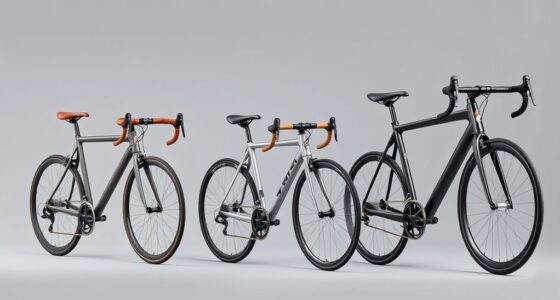
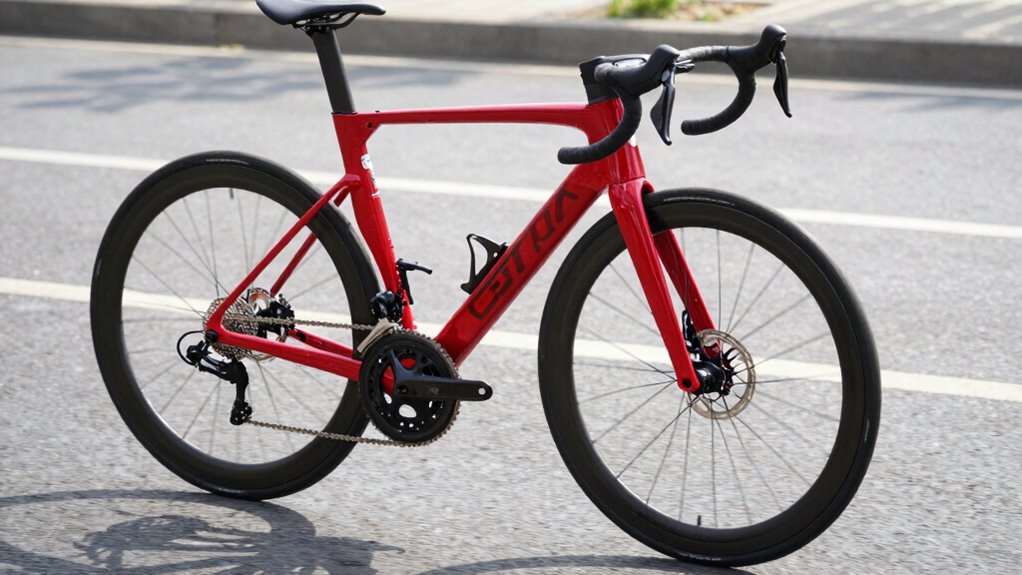
When you first hop onto a road bike, it might feel surprisingly twitchy or unstable, and that’s completely normal. Your initial experience is often influenced by the bike’s frame geometry. Road bikes are designed to be lightweight and aerodynamic, with a geometry that favors speed and agility. This means the front end may be more upright or steeply angled, which helps with steering precision but also makes the bike more responsive — sometimes too responsive for new riders. The bike’s angles, such as the head tube and seat tube, affect how quickly it reacts to your movements, making it seem like the bike is darting around. As you get used to this geometry, you’ll realize it actually gives you better control and handling at higher speeds, but in the beginning, it can feel over-sensitive.
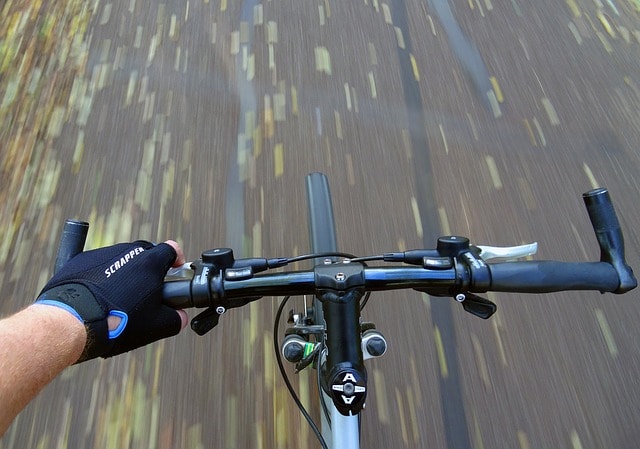
Another key factor is your hand positioning. When you’re new, you might grip the bars too tightly or hold them in positions that don’t give you ideal control. Many riders instinctively rest their hands on the tops or hoods, but these positions can influence how the bike feels. If your hands are too close together or too far forward, you might unintentionally cause the bike to react more sharply. Proper hand positioning—placing your hands comfortably on the brake hoods or drops, with relaxed grip and slight bend in your elbows—allows for better balance and smoother steering. It also helps you absorb bumps and vibrations, making the ride feel less twitchy. As you develop your riding skills, you’ll learn to make small adjustments in hand placement, which can considerably improve stability. Additionally, understanding your bike frame geometry can help you better anticipate how it will behave and adapt your riding style accordingly.
It’s also worth noting that your body position impacts how the bike handles. When you’re leaning forward in a more aggressive stance, you shift your weight slightly onto the handlebars, which can amplify the bike’s responsiveness. Conversely, a more upright position offers greater stability but reduces agility. As a new rider, experimenting with your riding posture can help you find a comfortable balance between control and responsiveness. Being aware of your bike fit and making minor adjustments can significantly reduce feelings of twitchiness. Remember, small changes in your stance can make a noticeable difference in how lively or stable your ride feels.
In the beginning, it’s natural to feel like the bike is overly reactive, but with time, your familiarity with your bike’s geometry and your hand positioning will help you ride more smoothly. Staying relaxed, making gradual adjustments, and practicing good hand placement will make the bike feel more confident under you. Over time, what once felt twitchy will become second nature, and you’ll appreciate the lively, responsive feel that makes road riding so exhilarating.

Wittkop Bike Grips with Innovative 3-Zone Design Made in Germany I Ergonomic Design with Non-Slip, Comfort, and EFC Zones for Optimized Grip & Comfort I Bike Grips Handlebar
ERGONOMIC 3-ZONE DESIGN with non-slip area, comfort area, and EFC area for enhanced grip and comfort. So you…
As an affiliate, we earn on qualifying purchases.
As an affiliate, we earn on qualifying purchases.
Frequently Asked Questions
How Do Tire Pressure Changes Affect Bike Stability?
Lower tire pressure increases grip by allowing more of the tire tread to contact the road, enhancing stability, especially on rough surfaces. However, it can also make your bike feel twitchier because the tire deforms more easily. Higher pressure reduces rolling resistance and makes steering feel more precise, but it can cause a harsher ride. Adjusting tire pressure based on wheel diameter and terrain helps you find a balance between comfort and control.
Can Rider Weight Influence Bike Responsiveness?
Your rider weight can considerably influence bike responsiveness. Heavier riders tend to compress the suspension and tires more, which can make the bike feel less twitchy and more stable. Conversely, lighter riders might notice increased responsiveness, but they may also experience more sensitivity to road irregularities. Adjusting tire pressures and suspension settings to match your weight helps optimize responsiveness, making your ride smoother and more controlled.
Does Bike Frame Material Impact Twitchiness?
Your bike’s frame material does impact twitchiness, mainly through frame stiffness and material resonance. A stiffer frame transfers road vibrations directly, making the bike feel more responsive but potentially twitchy. Materials like carbon fiber offer high stiffness with less resonance, providing a smoother ride. Aluminum frames are also stiff but may amplify vibrations, increasing twitchiness. So, your choice of frame material influences how responsive and lively your ride feels.
How Does Riding Experience Improve Bike Control?
Riding experience boosts your bike control by building rider confidence and sharpening your visual focus. As you practice, you become more comfortable steering and handling different terrains, reducing twitchiness. Your confidence grows, making you more deliberate with movements, while improved visual focus helps anticipate obstacles and react faster. Over time, this combination makes your riding smoother, more stable, and less twitchy, transforming your overall cycling experience.
Are Certain Handlebar Types More Stabilizing?
Yes, certain handlebar types are more stabilizing. Wider handlebars improve handlebar ergonomics, giving you better control and confidence, especially at high speeds or on rough terrain. They also provide a more natural wrist position, reducing fatigue. Generally, wider handlebars offer greater stability, while narrower ones enhance agility. Choose a handlebar width that matches your riding style and body size for ideal control and comfort.

Pedal Cleat Fitting Tool, Shoe Cleat Install Tool, Cleat Alignment Aid for Road Cycling Accessories, Easy Adjustment, Cleat Position, Includes Handbook for Reliable Setup
Effect: The cycle plate adjustment tool is convenient to use and attach to the shoe plate. Convenient for…
As an affiliate, we earn on qualifying purchases.
As an affiliate, we earn on qualifying purchases.
Conclusion
So, when your road bike feels twitchy, think of it as a wild stallion enthusiastic to run. With practice and patience, you’ll tame that beast and find your rhythm. Soon, those sharp turns and quick responses will become second nature, like riding a gentle breeze. Remember, every twist and turn is just part of the dance, and before long, you’ll be gliding smoothly, feeling one with your bike’s lively spirit.
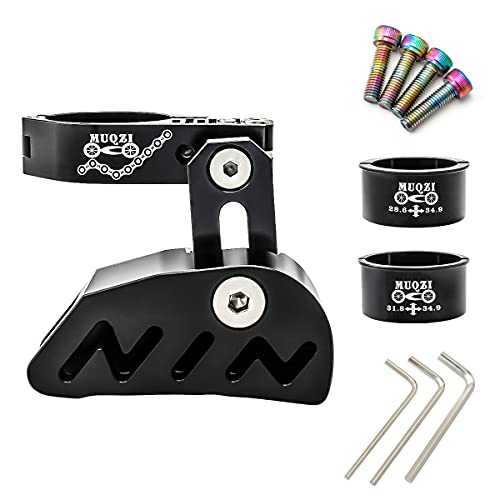
MUQZI Chain Guide, Aluminum Alloy Bike Chain Guide Mountain Bike Chain Deflectors Adjustable MTB Cycle Single Crankset Bicycle Chain Protector, Black
High Quality: Made of aluminum alloy and special plastic, with upgraded CNC process, our bike chain guide is…
As an affiliate, we earn on qualifying purchases.
As an affiliate, we earn on qualifying purchases.
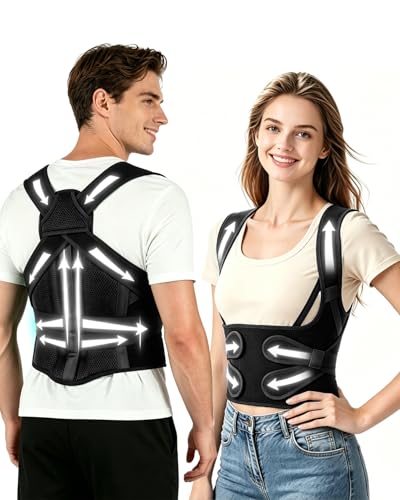
Posture Corrector for Women & Men, Upgraded Dynamic Traction Correction System – Helps Reduce Upper & Lower Back Pain, Suitable for Scoliosis, Hunchback & Thoracic Spine Issues, Relieves Muscle Tension & Fatigue Caused by Poor Posture, Keeping You More Active & Confident in Daily Life (Medium)
2-in-1 Posture & Pain Relief-Engineered to support proper spinal alignment, this 2-in-1 posture corrector back brace helps relieve…
As an affiliate, we earn on qualifying purchases.
As an affiliate, we earn on qualifying purchases.