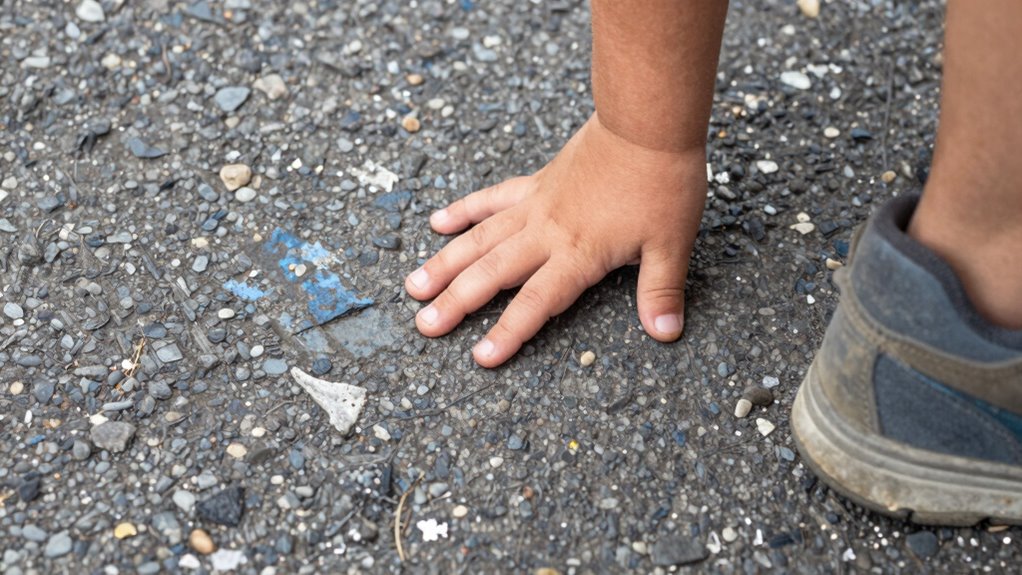
Kids notice road textures more than adults because their developing senses are more sensitive and focused on tactile input. Their brains actively explore textures to build neural pathways, improving motor skills and environmental understanding. They tend to pause or shift focus to ground surfaces, constantly gathering sensory information. This heightened sensitivity helps them differentiate textures and develop coordination. If you keep exploring, you’ll discover even more about how their senses shape their learning and growth.
Key Takeaways
- Kids have heightened sensory sensitivity, making them more aware of subtle texture differences on the road.
- Developing neural pathways enhance children’s ability to differentiate and focus on tactile environmental cues.
- Their active exploration promotes better perception of ground textures during movement, unlike adults.
- Kids’ curiosity drives them to notice and seek out various surface textures more frequently.
- Children’s focus on tactile sensations supports motor skills and environmental understanding, increasing texture awareness.
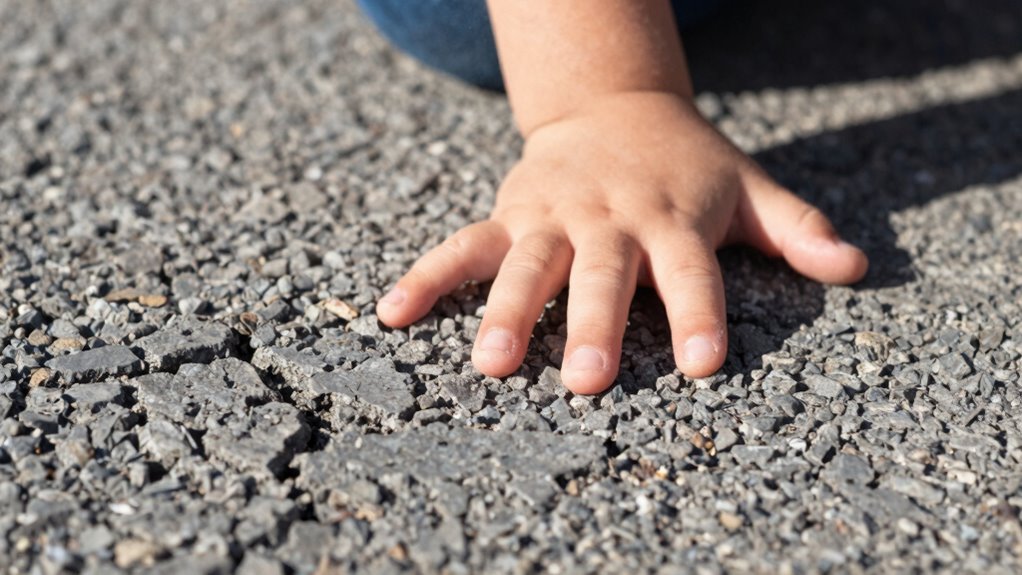
Kids tend to notice road textures more than adults because their senses are more sensitive and their brains are still developing. This heightened sensitivity means they pick up on tiny differences in the surface beneath their feet or wheels that adults often overlook. As children explore their environment, their sensory development is in full swing, making them more aware of tactile sensations like rough asphalt, bumpy gravel, or smooth concrete. These textures provide immediate feedback about their surroundings, helping them understand the world around them. When you’re walking or riding with a child, you might notice their focus shifting to the ground, their feet, or their hands as they react to different textures. That’s because their brains are wired to process these sensory signals more intensely during this stage of growth.
This intense focus on road textures isn’t just about curiosity. It plays an essential role in developing their motor skills. When children feel different surfaces under their feet, they learn how to adjust their balance and coordination. For example, walking on uneven pavement helps improve their proprioception—the sense of body position—making them more confident in their movements. They’re constantly recalibrating their balance based on what they feel underfoot, which enhances their overall motor skills. This active engagement with textures encourages them to experiment with different ways of moving, which strengthens muscles and refines their coordination. Moreover, this sensory exploration supports their neural development, which is crucial during childhood. Recognizing and differentiating textures also helps children develop sensory processing skills.
You might notice that kids often pause or shift their attention to the ground, especially during outdoor activities. That’s because their developing senses are enthusiastic to gather information from their environment. This exploration helps their brains build stronger neural pathways related to tactile perception and motor control. As they touch, walk, or run across various textured surfaces, they’re not just observing—they’re actively learning how to navigate the world more efficiently. This process is fundamental for their overall sensory development, which supports fine motor skills like grasping and hand-eye coordination later on.
Additionally, this heightened sensory awareness can foster a deeper appreciation for environmental diversity, encouraging children to become more curious and attentive to their surroundings. Their ability to differentiate textures also plays a role in enhancing their cognitive development, as they begin to associate sensory inputs with different objects and environments. Understanding how different textures feel can also influence their preferences and aversions, shaping their interactions with the environment.
In short, children notice road textures more than adults because their sensory systems are more alert and their brains are still building the connections necessary for interpreting these sensations. This heightened awareness is an important part of their growth, helping them develop the sensory and motor skills they need to become confident, capable movers. Their curiosity about textures isn’t random—it’s a key part of how they learn about their environment and build the skills essential for everyday activities.
As an affiliate, we earn on qualifying purchases.
Frequently Asked Questions
How Does Sensory Development Differ Between Children and Adults?
Your sensory development differs between children and adults because children’s neural development is still ongoing, making their sensory systems more adaptable through sensory integration. As a result, kids are more sensitive to textures, sounds, and sights. Adults, having fully developed neural pathways, process sensory information more efficiently and with less intensity. This ongoing neural development in children enhances their ability to notice and respond to new or subtle sensory stimuli.
Do Certain Road Textures Affect Children More Than Adults?
Certain road textures do affect children more than adults because their tactile perception is more sensitive to road surface variations. Kids’ developing sensory systems pick up on differences in texture, making them more aware of changes like rough or uneven surfaces. You’ll notice that children often react more to tactile cues from the road, as their sensory development makes them more attuned to subtle variations in surface textures.
Are There Safety Concerns Related to Kids Noticing Road Textures?
You might wonder if kids noticing road textures poses safety concerns. While their heightened sensitivity could distract them, vehicle suspension design and road surface durability are key factors. Proper suspension helps smooth out rough textures, reducing risks. Ensuring roads are well-maintained minimizes hazards. So, yes, there’s a concern, but by focusing on durable surfaces and suspension quality, you can keep kids safe and prevent textures from becoming a danger during travels.
How Can Parents Minimize Sensory Overload From Road Textures?
To minimize sensory overload from road textures, you should incorporate gentle sensory play and tactile exploration into your routines. Use soft, textured toys or fabrics during calm activities to help your child become familiar with different sensations in a controlled way. Keep a comforting environment, and gradually introduce new textures to prevent overwhelming your child. This approach helps your kid build tolerance while enjoying sensory experiences safely.
Is There Research on Kids’ Tactile Sensitivity During Travel?
Yes, research shows that kids’ tactile perception and sensory awareness are heightened during travel. Their developing nervous systems make them more sensitive to textures and vibrations, which can stand out more than for adults. You’ll notice children respond more to road textures because their tactile perception is more acute, and their sensory awareness is actively engaged. This difference explains why kids often notice road textures more during trips.
Conclusion
So, next time you’re on a walk or watching a trailer, remember that kids’ heightened sensitivity to road textures is like a secret language only they understand. Their tiny feet and curious minds are constantly decoding the world beneath them, much like explorers mapping uncharted territory. As adults, we often miss these subtle details—yet kids see them as vibrant threads woven into the fabric of everyday life, reminding us to look closer and appreciate the world’s hidden textures.