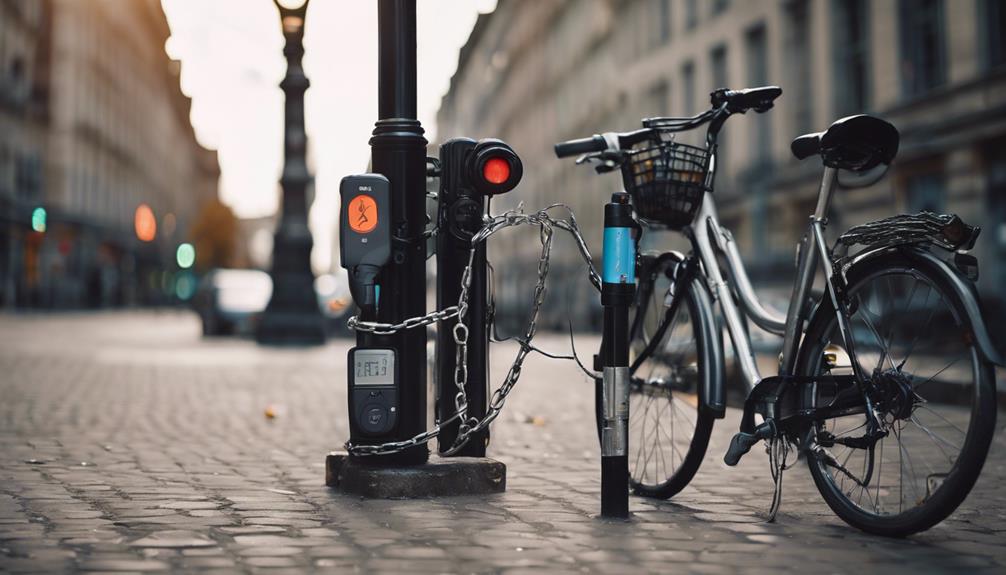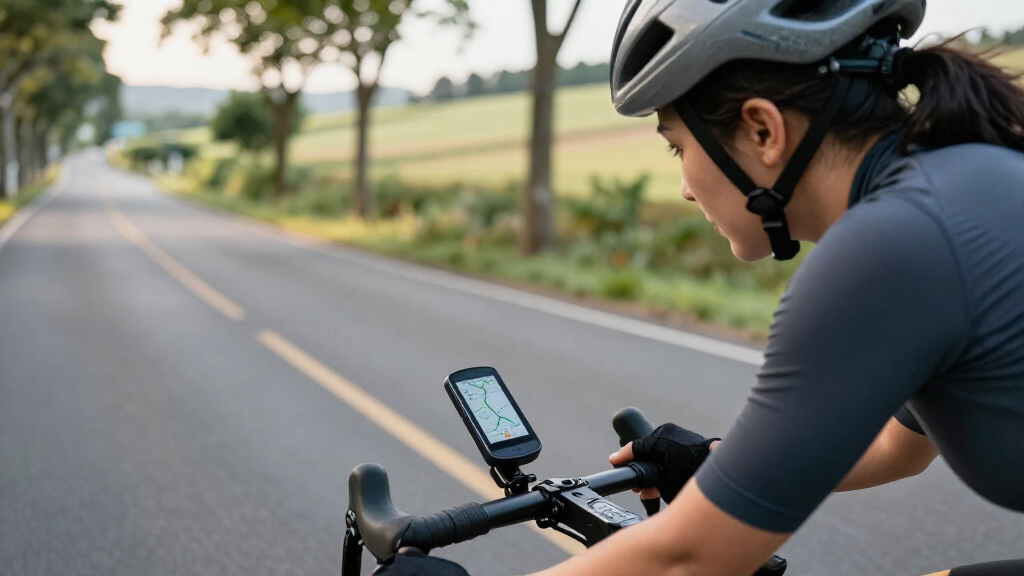

The best cyclist alert GPS device for most riders is the Garmin Edge 1050, which combines ride navigation and incident alerts in a cycling computer. For remote routes where phone coverage is unreliable, the Garmin inReach Mini 3 Plus adds satellite SOS communication, while the Invoxia GPS Tracker Pro Max 4G focuses on tracking a bike or vehicle. These options solve different problems: ride-aware alerts, emergency communication, or theft and location tracking. The right choice depends on where you ride, what kind of alert you need, and whether you want a cycling computer or a separate device. Read on for how the six picks compare and which tradeoffs matter most.

Get sports gear delivered free with Prime
- Fast, free delivery on millions of items
- Prime Video, Amazon Music and more included
- Member-only deals all year
Complete the kit


Key Takeaways
- The Garmin Edge 1050 is the best all-around ride device here because it pairs cycling-focused navigation and ride information with incident alerts; it is not a satellite SOS communicator.
- The inReach Mini 3 Plus is the remote-route pick for riders who need satellite communication and emergency SOS beyond ordinary cellular coverage.
- The Invoxia tracker and Orbit Velo serve a different purpose from bike computers: they help locate a bike or vehicle, but they do not replace ride navigation or a dedicated emergency communicator.
- The Edge 850 favors a smaller cycling-computer setup than the Edge 1050, while the 1050 is the stronger fit for riders prioritizing a premium, feature-rich ride interface.
- The inReach Mini 2 remains a satellite communicator option for riders who want remote SOS capability, but the newer Mini 3 Plus is the more feature-forward choice in this lineup.
| Garmin Edge 1050 Premium Cycling Computer |  | Best Overall for On-Bike Alerts | Display: 3.5-inch capacitive color LCD touchscreen | Navigation systems: GPS, GLONASS, and Galileo | Connectivity: Bluetooth, USB, and Wi-Fi | VIEW LATEST PRICE | See Our Full Breakdown |
| Garmin inReach Mini 3 Plus SOS Satellite Communicator |  | Best for Remote-Ride Emergency Alerts | Satellite network: Iridium | Subscription: Required for satellite messaging and SOS | Display: 1.9-inch capacitive color touchscreen | VIEW LATEST PRICE | See Our Full Breakdown |
| Invoxia GPS Tracker Pro Max 4G for Motorcycles, Bikes, Vans, and Caravans |  | Best for Live Bike Tracking | Connectivity: 4G LTE-M | Tracking frequency: Up to 1 position per second | Battery: Rechargeable 2,000 mAh Li-ion | VIEW LATEST PRICE | See Our Full Breakdown |
| Garmin Edge 850 Compact GPS Cycling Computer |  | Best Compact Cycling Computer | Display: 2.7-inch color LCD touchscreen | Controls: Touchscreen and buttons | Satellite systems: GPS, GLONASS, and Galileo | VIEW LATEST PRICE | See Our Full Breakdown |
| Orbit Velo Bike Tracker with Apple Find My, IP67 Waterproofing, and Secure Bottle-Cage Mount |  | Best Compact Tracker for Apple Users | Tracking network: Apple Find My | Connectivity: Bluetooth | Compatible devices: iPhone, iPad, Mac, and Apple Watch | VIEW LATEST PRICE | See Our Full Breakdown |
| Garmin inReach Mini 2 Satellite Communicator, Orange |  | Best for Remote-Ride Emergency Communication | Display: 1.27-inch sunlight-readable monochrome transflective MIP | Resolution: 176 x 176 | Navigation: GPS with TracBack routing | VIEW LATEST PRICE | See Our Full Breakdown |
| cyclist alert GPS device | Connectivity | Battery life | Weight | Display |
|---|---|---|---|---|
| Garmin Edge 1050 Premium Cycli | Bluetooth, USB, and Wi-Fi | Up to 20 hours in demanding use; up to 60 hours in battery saver mode | 5.7 ounces | 3.5-inch capacitive color LCD touchscreen |
| Garmin inReach Mini 3 Plus SOS | Bluetooth | Up to 350 hours with 10-minute tracking; up to 95 hours in performance messaging mode | 4.31 ounces | 1.9-inch capacitive color touchscreen |
| Invoxia GPS Tracker Pro Max 4G | 4G LTE-M | — | 28 g | — |
| Garmin Edge 850 Compact GPS Cy | Bluetooth, Wi-Fi, and USB | Up to 12 hours; up to 36 hours in battery saver mode | 3.9 ounces | 2.7-inch color LCD touchscreen |
| Orbit Velo Bike Tracker with A | Bluetooth | Up to 3 years | 60 g | — |
| Garmin inReach Mini 2 Satellit | Bluetooth, USB | Up to 14 days in 10-minute tracking mode | — | 1.27-inch sunlight-readable monochrome transflective MIP |
More Details on Our Top Picks
Garmin Edge 1050 Premium Cycling Computer
The Garmin Edge 1050 is my lead pick for riders who want alerts and navigation integrated into a full-featured cycling computer. Its large 3.5-inch color touchscreen makes maps and ride prompts easier to read than the smaller display on the Edge 850, while compatible smartphone pairing adds road-hazard alerts, group ride messaging, and incident notifications. The built-in speaker also handles navigation prompts and a bike bell, keeping useful cues on the device rather than requiring a separate alert unit. Compared with the Orbit Velo, this is an active ride companion, not a hidden tracker for locating a parked bike. The tradeoff is size and battery life: demanding use is rated for up to 20 hours, and some connected functions depend on a phone, app, or additional sensors.
Pros:- Large color touchscreen makes maps and prompts easier to read while riding.
- Compatible smartphone pairing enables road-hazard alerts, group ride messaging, and incident notifications.
- Built-in speaker provides navigation prompts and a bike bell.
- ClimbPro and power guidance add training information alongside navigation.
Cons:- Some alerts and training functions require a compatible smartphone, Garmin Connect, or additional sensors.
- Its 5.7-ounce, 3.5-inch format is larger than the compact Edge 850.
- Battery life is up to 20 hours in demanding use, below the satellite communicator’s long tracking runtime.
Best for: Road and gravel cyclists who want large-screen navigation, ride alerts, and training tools in one handlebar-mounted device.
Not ideal for: Riders seeking a discreet theft-recovery tracker or satellite SOS device, or those who prefer a smaller computer with fewer connected dependencies.
- Display:3.5-inch capacitive color LCD touchscreen
- Navigation systems:GPS, GLONASS, and Galileo
- Connectivity:Bluetooth, USB, and Wi-Fi
- Battery life:Up to 20 hours in demanding use; up to 60 hours in battery saver mode
- Storage:64 GB
- Mounting:Handlebar mount
- Weight:5.7 ounces
- Audio:Built-in speaker
Our verdict“Choose the Edge 1050 if you want the broadest mix of on-bike navigation, connected hazard alerts, and training features on a large display.”
Garmin inReach Mini 3 Plus SOS Satellite Communicator
For cyclists who ride beyond reliable cell coverage, the Garmin inReach Mini 3 Plus covers a different alert need from the Edge computers: it can send messages and SOS requests over the Iridium satellite network. With an active subscription, riders can contact a staffed emergency coordination center and share their location through LiveTrack. That makes it a stronger choice for backcountry safety than the Edge 1050, whose hazard and incident features rely on compatible smartphone connectivity. It is not a cycling computer, though: the handheld unit’s navigation and several sharing features pair with a smartphone, and it lacks the Edge’s integrated ride display and training tools. Its IP67-rated body and long rated tracking runtime suit extended trips, but subscription costs and phone dependence for some features are real constraints.
Pros:- Iridium satellite connectivity supports communication beyond cellular coverage.
- Interactive SOS connects with a 24/7-staffed emergency coordination center.
- IP67-rated construction and scratch-resistant color touchscreen suit outdoor use.
- Rated for up to 350 hours with 10-minute tracking.
Cons:- An active satellite subscription is required for messaging and SOS.
- Photo messaging and several navigation and sharing features require a compatible smartphone and Garmin apps.
- Handheld form factor does not replace a dedicated cycling computer such as the Edge 850.
Best for: Bikepackers and remote-route cyclists who need satellite messaging and SOS capability where cellular service may be absent.
Not ideal for: Commuters or road riders who mainly want handlebar navigation and local hazard alerts, or anyone unwilling to maintain a satellite subscription.
- Satellite network:Iridium
- Subscription:Required for satellite messaging and SOS
- Display:1.9-inch capacitive color touchscreen
- Water resistance:IP67
- Battery life:Up to 350 hours with 10-minute tracking; up to 95 hours in performance messaging mode
- Connectivity:Bluetooth
- Mounting:Handheld
- Weight:4.31 ounces
Our verdict“Pick the inReach Mini 3 Plus for remote rides where satellite SOS matters more than an integrated cycling computer.”
Invoxia GPS Tracker Pro Max 4G for Motorcycles, Bikes, Vans, and Caravans
The Invoxia GPS Tracker Pro Max is aimed at monitoring a bike’s location, rather than giving the rider turn-by-turn prompts or alerts during a ride. Its 4G LTE-M connection can report a position as often as once per second, making it more useful for following a moving vehicle than the Orbit Velo, which depends on nearby Apple devices in the Find My network. The rechargeable 2,000 mAh battery is rated for up to six months, although actual life depends on settings; more frequent updates can make tracking more responsive at the expense of runtime. An IP67-rated housing adds protection for outdoor placement, and one year of service is included. This is not a substitute for the Edge 1050’s handlebar navigation or the inReach Mini 3 Plus’s satellite SOS, and coverage is limited to supported countries.
Pros:- 4G LTE-M tracking can update location as often as once per second.
- Rechargeable 2,000 mAh battery is rated for up to six months depending on settings.
- IP67-rated housing is designed to withstand dust and water exposure.
- Includes a SIM card with one year of service and supports coverage in more than 40 countries.
Cons:- Battery runtime varies with tracking settings and update frequency.
- Coverage excludes Switzerland and is limited to supported countries.
- App-based tracking does not provide the cycling navigation or satellite SOS features of other picks.
Best for: Bike owners who want app-based, frequent location updates for a bicycle or motorcycle and prefer a rechargeable tracker with included first-year service.
Not ideal for: Riders who need navigation or emergency satellite messaging, or buyers whose routes and tracking needs fall outside the listed country coverage.
- Connectivity:4G LTE-M
- Tracking frequency:Up to 1 position per second
- Battery:Rechargeable 2,000 mAh Li-ion
- Maximum battery life:Up to 6 months, depending on settings
- Water and dust resistance:IP67
- Weight:28 g
- Coverage:More than 40 countries; excludes Switzerland
- Included service:1-year SIM service
Our verdict“Choose the Invoxia if frequent app-based location updates matter more than on-bike alerts, navigation, or satellite emergency communication.”
Garmin Edge 850 Compact GPS Cycling Computer
The Garmin Edge 850 suits riders who want GPS navigation and connected alerts without the larger footprint of the Edge 1050. Its 2.7-inch touchscreen, physical buttons, and 3.9-ounce weight make it the more compact handlebar option, while preloaded road, gravel, and trail maps cover mixed-surface rides. Multi-band GPS supports position tracking, and compatible-device connections add hazard alerts. Compared with the Orbit Velo, the Edge 850 is built to guide and inform the cyclist while riding; it is not a concealed bike-location tag. The compromise is a smaller display and shorter rated runtime than the Edge 1050: demanding use is listed at up to 12 hours. Some connected features depend on a compatible phone and Garmin Connect, while smart fueling alerts may need compatible sensors.
Pros:- Compact 3.9-ounce design takes up less handlebar space than the Edge 1050.
- Touchscreen and physical buttons provide two ways to control the computer.
- Preloaded road, gravel, and trail maps support varied routes.
- Built-in speaker provides navigation prompts and a bike bell.
Cons:- The 2.7-inch display is smaller than the Edge 1050’s 3.5-inch screen.
- Battery life is rated for up to 12 hours in demanding use.
- Some connected alerts require a compatible smartphone and Garmin Connect; certain fueling features need compatible sensors.
Best for: Road, gravel, and trail cyclists who want a lighter, compact GPS computer with physical controls and connected ride alerts.
Not ideal for: Riders who prioritize a large map display, longer demanding-use battery life, or a simple hidden tracker for locating a parked bicycle.
- Display:2.7-inch color LCD touchscreen
- Controls:Touchscreen and buttons
- Satellite systems:GPS, GLONASS, and Galileo
- Maps:Preloaded road, gravel, and trail maps
- Connectivity:Bluetooth, Wi-Fi, and USB
- Battery life:Up to 12 hours; up to 36 hours in battery saver mode
- Mounting:Handlebar mount
- Weight:3.9 ounces
Our verdict“Choose the Edge 850 if you want an alert-capable GPS cycling computer in a smaller, button-equipped format and can accept its shorter runtime.”
Orbit Velo Bike Tracker with Apple Find My, IP67 Waterproofing, and Secure Bottle-Cage Mount
The Orbit Velo is the simplest pick here for locating a bicycle through Apple’s Find My network. Its bottle-cage or under-cage mounting keeps the tracker tucked against the frame, and included security hardware makes casual removal harder. A replaceable battery rated for up to three years also avoids the regular charging routine of the Invoxia GPS Tracker Pro Max. The tradeoff is what the Orbit does not do: it is a Bluetooth-based finding device, not a live cellular tracker, cycling GPS computer, or satellite communicator. Its location usefulness depends on Apple devices participating in the Find My network, so it is best suited to Apple households and areas with network coverage. The bottle-cage mounting design also limits placement options compared with a handheld device such as the inReach Mini 3 Plus.
Pros:- Uses Apple’s Find My network across compatible Apple devices.
- Bottle-cage and under-cage mounting helps keep the tracker discreet.
- Replaceable battery is rated for up to three years.
- IP67-rated design and included security bolts, tool, adhesive, and cable ties support practical installation.
Cons:- Tracking depends on Apple’s Find My network and compatible nearby devices.
- Bluetooth-based finding does not provide the Invoxia tracker’s frequent cellular location updates.
- Mounting is designed around a bicycle bottle-cage position rather than flexible handheld placement.
Best for: iPhone and Apple-device owners who want a discreet, low-maintenance way to help locate a parked bicycle through Find My.
Not ideal for: Android users, cyclists who need live ride tracking or navigation, and owners whose bikes lack a suitable bottle-cage mounting position.
- Tracking network:Apple Find My
- Connectivity:Bluetooth
- Compatible devices:iPhone, iPad, Mac, and Apple Watch
- Battery:Replaceable
- Battery life:Up to 3 years
- Water resistance:IP67
- Mounting:Bottle-cage mount or beneath bottle cage
- Weight:60 g
Our verdict“Choose the Orbit Velo if you use Apple devices and want a discreet, long-life bicycle finder rather than a live GPS or ride-alert computer.”
Garmin inReach Mini 2 Satellite Communicator, Orange
The Garmin inReach Mini 2 is a satellite communicator first, not a cycling GPS computer: it adds two-way messaging, location sharing, and interactive SOS when a ride takes you beyond mobile coverage. That makes it a stronger choice for remote routes than the Garmin Edge 1050 or Edge 850 if your main concern is reaching help, rather than viewing cycling metrics and maps on the bars. Its TracBack routing can help retrace a route, while the compact handheld design and up-to-14-day battery life in 10-minute tracking mode suit multi-day outings. The tradeoff is the active satellite subscription required for messaging, SOS, and location sharing; it also lacks the ride-focused display and cycling functions of the Edge models. Check local rules before carrying or using satellite equipment.
Pros:- Two-way satellite messaging and interactive SOS support when paired with an active subscription
- Compact, lightweight handheld design is practical for carrying on remote rides
- TracBack routing and location sharing add useful backup tools away from cellular coverage
- Up to 14 days of battery life in 10-minute tracking mode
Cons:- Messaging, SOS, and location sharing require an active satellite subscription
- It is not a dedicated cycling computer and does not replace an Edge device for ride-focused display and functions
- Satellite communicator use is regulated or prohibited in some jurisdictions
Best for: Cyclists on remote, multi-day routes who need satellite messaging and an SOS option outside cellular coverage.
Not ideal for: Daily road riders who mainly want turn-by-turn cycling navigation, ride data, and a handlebar-mounted display; an Edge cycling computer is a better fit.
- Display:1.27-inch sunlight-readable monochrome transflective MIP
- Resolution:176 x 176
- Navigation:GPS with TracBack routing
- Mapping:North America
- Battery life:Up to 14 days in 10-minute tracking mode
- Connectivity:Bluetooth, USB
- Water resistance:Yes
- Mounting type:Handheld
- Color:Orange
Our verdict“Choose the inReach Mini 2 for remote rides where satellite contact and emergency communication matter more than a full-featured cycling computer.”
How We Picked
I ranked these devices by how well they address a cyclist’s actual alert need: ride incident notification, emergency contact beyond cell coverage, or locating a bicycle after it is parked. I also weighed cycling-specific usability, portability, mounting and weather suitability, and whether a product can do its job without being mistaken for another category. That distinction matters: a tracker can help locate a bike, but it is not a substitute for an SOS communicator.
The Garmin Edge 1050 leads as the most balanced choice for riders who want a cycling computer with alert-related ride features. The inReach Mini 3 Plus ranks highest for remote emergency communication, while the Edge 850, Invoxia, Orbit Velo, and inReach Mini 2 earn places for narrower needs. I gave less weight to products whose main function is bike or vehicle tracking when judging ride alerts, since they do not offer the same role as a cycling computer or satellite communicator.
| cyclist alert GPS device | Battery life | Mounting | Water resistance |
|---|---|---|---|
| Garmin Edge 1050 Premium Cycli | Up to 20 hours in demanding use; up to 60 hours in battery saver mode | Handlebar mount | — |
| Garmin inReach Mini 3 Plus SOS | Up to 350 hours with 10-minute tracking; up to 95 hours in performance messaging mode | Handheld | IP67 |
| Invoxia GPS Tracker Pro Max 4G | — | — | — |
| Garmin Edge 850 Compact GPS Cy | Up to 12 hours; up to 36 hours in battery saver mode | Handlebar mount | — |
| Orbit Velo Bike Tracker with A | Up to 3 years | Bottle-cage mount or beneath bottle cage | IP67 |
| Garmin inReach Mini 2 Satellit | Up to 14 days in 10-minute tracking mode | — | Yes |
Factors to Consider When Choosing Best Cyclist Alert GPS Devices
Before choosing a device, decide what you expect it to alert you about. A fall or ride incident, an emergency in a no-service area, and a stolen bike are separate problems, and one gadget may not cover all three. These factors can help you avoid buying a capable device that does not match your riding routine.
Match the alert to the problem
Start by naming the situation you want help with: a crash during a ride, an emergency far from cell service, or a bike that goes missing while parked. Incident alerts, satellite SOS, and location tracking are not interchangeable, even when each product uses GPS or location data. A cycling computer can support ride awareness and incident notification, but that does not automatically give it satellite messaging. A tracker may report a bike’s location without providing a way to summon emergency help. Buying for the wrong alert can leave the main risk uncovered, so prioritize the function you would rely on first.
Check where cellular coverage ends
Route geography should shape the choice more than the length of your usual ride. If you regularly ride remote roads or trails, a device with satellite communication can provide a path to contact others when a phone has no service. Riders who stay near populated areas may get more everyday value from cycling navigation and ride alerts instead. Do not assume that GPS positioning means a device can send a message; location reception and communication are different capabilities. Check what communication services and subscriptions a satellite device requires before relying on it. Also plan how you will use it in an emergency, since carrying the device is only useful if it is accessible.
Decide whether you need a cycling computer
A cycling computer earns its place when you want navigation and ride information alongside alert features. If you already have a computer you like, adding a separate communicator or tracker may make more sense than replacing it. Screen size and compactness involve a real tradeoff: a larger interface can be easier to read and operate, while a smaller unit may suit riders who prefer a less prominent setup. Think about whether you will use navigation often enough to justify a dedicated head unit. For occasional riders, a simpler device focused on a specific safety or tracking role may be easier to live with.
Separate bike security from rider safety
A GPS tracker mounted on a bicycle is mainly a tool for locating property; it does not automatically protect the rider during a crash. A rider-focused alert or SOS device, by contrast, is intended to help communicate about an incident or emergency. Choose based on whether the device stays with you or with the bike, especially if you sometimes leave the bicycle unattended or ride without it. Consider how visible the mounting arrangement is and whether you can remove or recharge the device as needed. Riders concerned about both theft and personal safety may need two complementary tools rather than expecting one product to cover both.
Account for carrying, mounting, and upkeep
Small devices are easier to carry, but compact size can mean a different interface or fewer cycling-specific functions than a larger head unit. For a tracker, mounting security and weather resistance matter because the device may stay on the bike through rain and routine handling. Check power and maintenance needs before a long trip, including how you will charge the device and whether its service depends on a separate plan. A device that is left at home, discharged, or mounted where it is hard to reach cannot help when needed. Make a habit of checking its status as part of your ride preparation.
Pay for capability you will actually use
Premium cycling computers make the most sense for riders who will use their navigation, display, and ride functions regularly, not only for a rarely needed alert. Satellite communicators justify their added role when your routes make off-grid contact a meaningful concern. A lower-complexity tracker may be the better fit if your main goal is locating a parked bike rather than managing rides. Avoid choosing by feature count alone: extra functions can bring added setup, charging, or service requirements. Compare the device’s main job with your usual routes and habits, then favor the option that covers that job reliably.
Frequently Asked Questions
Can a cycling computer replace a satellite SOS communicator?
No, not by default. A cycling computer such as the Garmin Edge 1050 is built around riding functions and can offer incident-related features, while a satellite communicator is intended to send messages or request help beyond cellular coverage. GPS location alone does not provide an emergency communication link. Riders on remote routes should check the exact communication capabilities of any device rather than assuming that navigation means SOS access. If both ride data and off-grid communication matter, plan for two devices or verify that one model explicitly covers both jobs.
Is a bike tracker enough for crash alerts?
Usually, a tracker’s primary role is helping locate a bicycle or vehicle, not detecting a crash and contacting someone on the rider’s behalf. A tracker attached to a bike may be useful for theft recovery, but it does not replace a rider-focused incident alert or emergency communicator. Choose based on who or what you need to locate: the bike, or the rider after an incident. If your concern includes both theft and personal safety, treat those as separate needs and check each device’s capabilities. Do not rely on a tracker for emergency response unless its maker explicitly describes that function.
Do I need satellite communication if I carry a phone?
A phone may be enough for rides where you have dependable cellular coverage and a practical way to contact someone. On isolated routes, coverage gaps can make a satellite communicator a useful backup for emergency messaging or SOS. Your route matters more than the phone model: think about how often you ride outside service and how quickly you could reach help on foot. Also review any service-plan requirements and message limits before depending on a satellite device. Riders who stay near towns may prefer a cycling computer with ride alerts, while remote-route riders have stronger reason to add satellite capability.
Should I choose the Edge 1050 or the Edge 850?
Choose between them by prioritizing the ride interface you want, rather than treating them as identical alert devices. The Edge 1050 is the premium, feature-forward choice in this group, while the Edge 850 is the more compact cycling-computer option. Neither replaces a dedicated satellite communicator for off-grid emergency messaging. Think about how often you use navigation and ride data, how much display area matters to you, and whether a smaller setup is preferable. If emergency contact beyond cell coverage is your main requirement, compare the inReach devices instead.
Can one device protect both me and my parked bike?
These are usually separate functions. A bike tracker can help locate a bicycle after it is parked, while a cycling computer or satellite communicator is more relevant to ride alerts and personal emergencies. One device should not be assumed to cover both jobs unless its specifications explicitly say so. Consider whether you leave your bike unattended often, ride in remote areas, or both; that will show whether a single-purpose device is enough. Riders with both concerns may find a tracker and a personal safety device form a more sensible setup than compromising on either function.
Conclusion
For most riders, I recommend the Garmin Edge 1050 as the best overall because it combines cycling-focused functions with alert-related ride features. The best premium pick is also the Edge 1050 for riders who want the more feature-rich computer, while the Edge 850 is the best fit for riders seeking a compact cycling computer. For beginners, I would start by identifying the one problem that matters most: choose a straightforward bike tracker such as the Orbit Velo for bike-location needs, or a cycling computer if navigation and ride data matter more. The Invoxia GPS Tracker Pro Max 4G is the best value-oriented choice for tracking a bike or vehicle, while the inReach Mini 3 Plus is my pick for remote-route safety; the Mini 2 is an alternative for riders who want a satellite communicator. These products do different jobs, so choose the one that matches your risk and route rather than expecting a single GPS device to handle every alert.