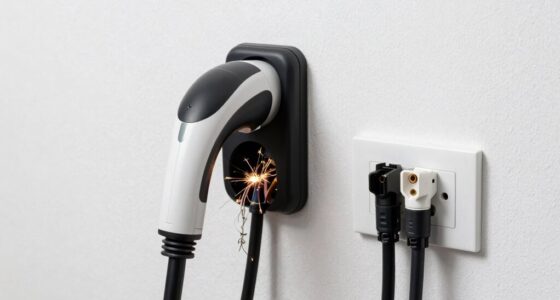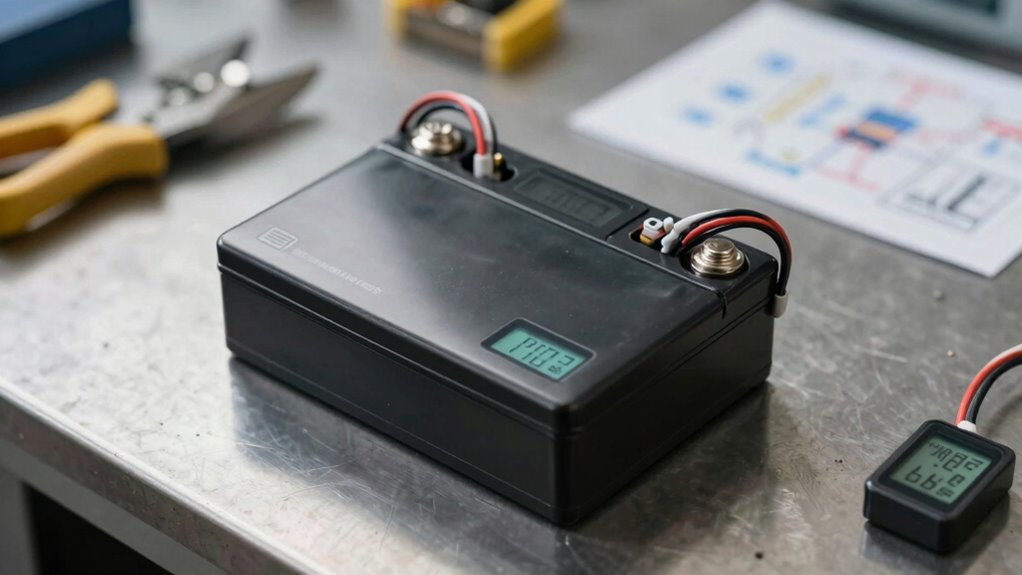

Your device’s battery temperature can change daily, impacting performance in several ways. Hot weather causes the battery to heat up, speeding up chemical reactions thatwear it out faster, while cold temperatures slow down these reactions, making your device less responsive. These temperature shifts can lead to overheating or sluggishness, affecting charging and usage. By understanding these factors, you’ll discover how environmental conditions influence your device and what steps you can take to keep it running smoothly.
Key Takeaways
- Ambient temperature fluctuations impact chemical reactions, affecting battery efficiency and capacity daily.
- External heat or cold conditions influence thermal management, leading to performance variations.
- Built-in cooling or heating systems regulate battery temperature, but environmental changes can limit their effectiveness.
- Daily temperature changes can cause battery overheating or overcooling, reducing lifespan and performance.
- Usage habits and device settings adapt to environmental temperatures, affecting overall battery health.
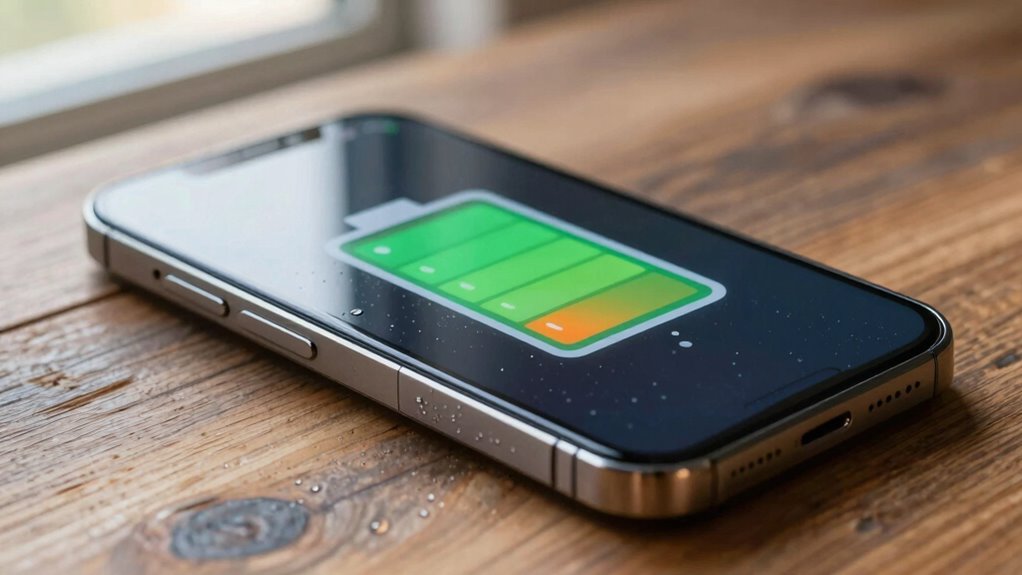
Battery temperature plays a critical role in determining your device’s daily performance, often affecting its efficiency and lifespan. When your battery operates within the ideal temperature range, it delivers better power, faster charging, and longer overall life. Conversely, when it overheats or gets too cold, its ability to hold a charge diminishes, and you might notice sluggish performance or unexpected shutdowns. This is why thermal management is indispensable; it helps keep your battery at a stable temperature, guaranteeing consistent operation. The environment around you, or ambient conditions, profoundly influence this thermal management process. For example, using your device outdoors on a hot day exposes the battery to higher temperatures, which can lead to overheating. On the other hand, cold environments cause the battery to slow down, reducing its efficiency. Both extremes can be detrimental, so understanding how ambient conditions affect your device is key to maintaining ideal performance.
Your device has built-in mechanisms to manage battery temperature, such as cooling systems or software adjustments that limit charging speeds when temperatures rise. These measures are essential because excessive heat accelerates chemical reactions inside the battery, increasing wear and diminishing capacity over time. Cold temperatures can also be damaging, slowing down chemical processes needed for charge and discharge. When you’re in a hot or cold environment, your device struggles to maintain a balanced thermal state, directly impacting how well your battery performs daily. If you notice your device heating up quickly, it could be due to high ambient temperatures combined with intensive tasks, like gaming or video editing. Conversely, if your device feels sluggish or the battery drains faster in cold weather, the ambient conditions are likely the cause. Additionally, ambient temperature affects the chemical reactions within the battery, making temperature control crucial for optimal function. Proper thermal management is vital not only for immediate device performance but also for preserving long-term battery health. Recognizing thermal effects can help you optimize device usage and extend battery longevity. Implementing effective thermal management strategies, such as avoiding extreme environments and adjusting usage habits, can significantly improve your device’s lifespan. Recognizing that environmental factors can significantly influence your device’s thermal state encourages better practices in daily usage, protecting your battery over time.
As an affiliate, we earn on qualifying purchases.
Frequently Asked Questions
How Does Battery Age Affect Temperature Fluctuations?
As your battery ages, degradation reduces its thermal stability, causing more temperature fluctuations. Over time, chemical changes inside weaken the battery’s ability to manage heat effectively. This leads to increased overheating during use and cooling challenges during rest periods. You’ll notice these fluctuations impact performance and lifespan, emphasizing the importance of monitoring battery health to prevent overheating issues and maintain consistent operation as it ages.
Can External Weather Influence Battery Temperature During Daily Use?
Yes, external weather substantially influences your battery’s temperature during daily use. Climate adaptation is essential to maintain thermal stability, especially in extreme weather conditions. Hot days can cause your battery to overheat, reducing performance and lifespan, while cold weather can diminish its efficiency. To guarantee consistent performance, you should consider using protective measures like insulation or cooling systems, helping your battery adapt better to changing external temperatures.
Do Different Battery Types React Differently to Temperature Changes?
Surprisingly, different battery types react differently to temperature changes, thanks to their unique chemistry. Lithium-ion batteries, for example, handle thermal regulation better than older nickel-based ones, but all are affected by extreme temps. While you might think your battery’s chemistry is stable, it’s actually quite sensitive. So, don’t be fooled—your device’s performance hinges on how well its battery manages temperature fluctuations, no matter the type.
How Quickly Does Battery Temperature Typically Change Throughout the Day?
Your battery temperature can change quite quickly throughout the day, often within hours. This fluctuation results from thermal regulation processes, where the battery adjusts to external temperatures, and heat dissipation mechanisms, which prevent overheating. During heavy use, temperature rises rapidly, while cooler conditions help it stabilize. Understanding how thermal regulation and heat dissipation work helps you manage battery performance and longevity effectively.
What Safety Measures Are in Place for Temperature-Related Battery Issues?
You should know that battery safety is a top priority, with thermal management systems in place to prevent overheating or extreme cold. These systems monitor temperature constantly and automatically adjust charging rates or activate cooling fans when needed. Additionally, built-in safety features shut down the battery if temperatures reach unsafe levels, protecting both the device and user from potential hazards related to temperature fluctuations.
Conclusion
Understanding how battery temperature fluctuates daily can help you optimize your device’s performance. Did you know that batteries operate most efficiently between 20°C and 25°C? When temperatures rise above or drop below this range, your battery’s capacity and lifespan can decrease markedly. By keeping your battery within a stable temperature zone, you’ll not only extend its longevity but also ensure smoother, more reliable performance every day. Stay mindful of temperature changes to get the best out of your battery.