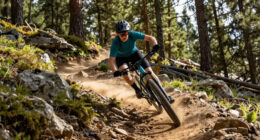
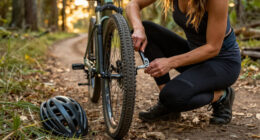
For mixed-surface rides, I’d choose the Mongoose Men’s Elroy as the best overall adventure bicycle in this lineup, with its gravel-bike focus offering a more natural fit for roads and firm paths than the trail-oriented mountain bikes. The KABON Carbon Gravel Road Bike stands out for riders seeking a lighter carbon frame, while the Canyon Stoic 4 makes more sense for demanding off-road trails. The main choice is between gravel-bike efficiency on pavement and hard-packed routes, or mountain-bike control on rougher ground. Frame fit, suspension, gearing, and maintenance needs also shape how far each bike can take you. Read on for the full comparison and guidance on matching a bike to your rides.

Get sports gear delivered free with Prime
- Fast, free delivery on millions of items
- Prime Video, Amazon Music and more included
- Member-only deals all year
Complete the kit


Key Takeaways
- The Mongoose Elroy is the most balanced pick for mixed roads and firm paths; its gravel-bike design suits a broader range of everyday adventure riding than the full-suspension trail models.
- The KABON is the premium gravel option for buyers drawn to a carbon frame and Shimano Sora drivetrain, though its road-oriented setup is less suited to rough trails than the mountain bikes.
- The Canyon Stoic 4 and ROCKBROS MT600 target rougher terrain; a capable hardtail or air-suspension trail bike is a better match for technical routes than a gravel bike.
- The Schwinn Traxion and Gravity FSX 1.0 add full suspension, but suspension brings extra weight and upkeep that may not pay off on pavement or smooth paths.
- Several 26-inch steel-frame options emphasize simple, accessible setups; their basic components and heavier frames make fit and intended use especially important for longer rides.


| adventure bicycle | Brakes | Wheel size | Frame material | Drivetrain |
|---|---|---|---|---|
| Mongoose Men’s Elroy Adventure | Mechanical disc | 700C | Alloy | 2×7 (14-speed) |
| Schwinn Traxion Mountain Bike | Mechanical disc | 29 inches | Aluminum | — |
| Canyon Spectral 27.5 AL 5 Moun | Shimano M6120 hydraulic disc | 27.5 inches | Aluminum | Shimano Deore, 12-speed |
| 26 Inch Mountain Bike | Dual disc | 26 inches | High-carbon steel | — |
| AVASTA Thrax Adult Mountain Bi | Disc | — | High-carbon steel | — |
| 26 Inch Mountain Bike | Dual disc | 26 inches | — | — |
| KABON Carbon Gravel Road Bike | Mechanical disc | 700C | — | Shimano Sora R3000, 2×9 |
| Gravity FSX 1.0 Dual Full Susp | Disc brakes, front and rear | — | — | — |
| ROCKBROS MT600 29" Trail Mount | Hydraulic disc | 29 inches | — | 1×12, 11-50T cassette |
| Canyon Stoic 4 Hardtail Mounta | SRAM hydraulic disc | — | — | Shimano Deore, 12-speed |
| Tommaso Siena Sport Performanc | Avid BB5 disc brakes | — | Aluminum | 100% Shimano Tourney |
More Details on Our Top Picks
Mongoose Men’s Elroy Adventure Bike 700C, Blue, 54cm Frame
The Mongoose Elroy is the clearest match for an adventure bicycle here because its touring-focused layout makes room for gear as well as miles. The integrated frame bag, large front rack, rear rack mount, and five bottle cage mounts give riders practical ways to carry supplies without immediately adding aftermarket storage. Its 700C wheels and adventure geometry suit longer mixed-surface trips better than the trail-first Schwinn Traxion, whose full suspension and wide tires are aimed at rougher paths. The tradeoff is a basic 2×7 Shimano Tourney drivetrain, which offers fewer gear choices than the Traxion’s 24-speed setup and is less suited to performance-focused riding. Mechanical disc brakes provide dependable stopping, but require more hands-on adjustment than hydraulic systems. I’d pick the Elroy for loaded touring, not fast technical trails.
Pros:- Integrated frame bag and large front rack provide useful cargo capacity out of the box
- Five bottle cage mounts support long rides with limited resupply
- Adventure touring geometry is suited to carrying gear over distance
- Mechanical disc brakes offer more weather-ready stopping than basic rim brakes
Cons:- Shimano Tourney 2×7 drivetrain is an entry-level setup with limited range for demanding terrain
- Mechanical disc brakes need more frequent cable adjustment than hydraulic brakes
Best for: Touring riders and bikepackers who want built-in cargo options, multiple bottle mounts, and a 700C platform for longer mixed-surface rides
Not ideal for: Trail riders seeking full suspension or riders who want a higher-performance drivetrain and hydraulic brakes
- Frame size:54 cm
- Wheel size:700C
- Frame material:Alloy
- Fork:Steel
- Drivetrain:2×7 (14-speed)
- Derailleurs:Shimano Tourney
- Brakes:Mechanical disc
- Bottle mounts:3 on frame, 2 on fork
- Racks:Integrated front rack with bottle opener; rear rack mount
Our verdict“Choose the Elroy for gear-carrying tours and bikepacking; skip it if technical trail control or performance components matter most.”
Schwinn Traxion Mountain Bike for Adults, 29-Inch Wheels, Full Suspension, 24-Speed Shimano Drivetrain, Aluminum Frame, Mechanical Disc Brake, Matte Grey/Neon Green
The Schwinn Traxion makes more sense for rough local trails than for a loaded adventure tour. Its full suspension, 29-inch wheels, and 2.25-inch knobby tires are aimed at absorbing bumps and maintaining grip, while the Mongoose Elroy is better equipped to carry bags and bottles over longer distances. A 24-speed Shimano drivetrain gives the Traxion more gear choices than the Elroy’s 14-speed setup, which can help on changing climbs, though the listing does not specify the Shimano component level. The aluminum frame keeps it lighter than the steel hardtails in this group, but full suspension adds weight and complexity. Mechanical disc brakes keep the setup straightforward, yet lack the feel and lower routine adjustment needs of hydraulic brakes. Choose it for recreational trail comfort; skip it if cargo capacity and efficient pavement miles are priorities.
Pros:- Full suspension helps soften impacts on rough paths
- 29-inch wheels and 2.25-inch knobby tires suit trail riding
- 24-speed gearing offers more gear choices than the Mongoose Elroy
- Aluminum frame is lighter than the steel options in this batch
Cons:- Full suspension adds weight and complexity compared with a hardtail
- Mechanical disc brakes require cable maintenance and lack hydraulic modulation
- Some assembly and tools are required before riding
Best for: Recreational trail riders who want a full-suspension 29er for bumpy paths and occasional rough terrain
Not ideal for: Bikepackers and touring riders who need rack mounts or a more efficient, cargo-ready setup for long road sections
- Wheel size:29 inches
- Frame size:18 inches
- Frame material:Aluminum
- Speeds:24
- Brakes:Mechanical disc
- Tire width:2.25 inches
- Suspension:Full suspension
- Color:Matte Grey/Neon Green
Our verdict“Pick the Traxion for comfortable recreational trail rides, but choose the Mongoose Elroy if carrying gear and covering distance are central to your plans.”
Canyon Spectral 27.5 AL 5 Mountain Bike
The Canyon Spectral 27.5 AL 5 is the most capable choice here for technical singletrack, but its strengths point away from traditional touring. A 160 mm FOX fork, rear shock, dropper seatpost, and hydraulic Shimano M6120 brakes are designed to help riders manage steep, demanding trails. That is a much more advanced trail package than the Schwinn Traxion’s recreational full-suspension setup, while the Elroy offers the rack and bottle mounts that the Spectral lacks in the supplied data. The 12-speed Shimano Deore drivetrain keeps shifting simpler than the Traxion’s 24-speed system, and tubeless-ready wheels give riders an upgrade path for trail use. The tradeoffs are its small listed frame size, aluminum weight compared with carbon builds, and a trail-oriented design that is less practical for carrying touring loads. I’d choose it for technical descents, not expedition utility.
Pros:- 160 mm FOX 36 fork and FOX rear shock are equipped for demanding trail terrain
- Hydraulic Shimano M6120 disc brakes offer stronger modulation than mechanical brakes on the Elroy and Traxion
- Shimano Deore 12-speed drivetrain provides a modern, simple shifting setup
- Dropper seatpost and tubeless-ready wheels are useful trail features
Cons:- Trail-focused suspension and geometry are less efficient for loaded touring
- Only a small frame size and sand color are listed
- Aluminum frame is heavier than carbon alternatives
Best for: Experienced trail riders seeking capable full suspension, a dropper post, and hydraulic braking for technical terrain
Not ideal for: Touring riders who need rack-ready cargo capacity, or anyone whose fit requires a frame size beyond the listed small
- Wheel size:27.5 inches
- Frame size:Small
- Frame material:Aluminum
- Front fork:FOX 36 Rhythm Grip, 160 mm
- Rear shock:FOX X Performance, 2-position
- Drivetrain:Shimano Deore, 12-speed
- Brakes:Shimano M6120 hydraulic disc
- Additional features:Dropper seatpost; tubeless-ready wheels
- Maximum weight recommendation:260 pounds
Our verdict“Choose the Spectral for technical trail riding and advanced control, not for carrying touring gear over long mixed-surface routes.”
26 Inch Mountain Bike, High-Carbon Steel Frame, Dual Disc Brakes, 21-Speed, Adjustable Seat (Black)
This 26-inch steel hardtail is a straightforward choice for casual rides on roads and easier trails, rather than a dedicated adventure-touring build. Its front suspension, 21-speed gearing, and dual disc brakes cover basic mixed-terrain needs, but the listing does not describe cargo mounts or touring accessories like those supplied with the Mongoose Elroy. The smaller 26-inch wheels may feel more manageable for some riders than the Schwinn Traxion’s 29-inch setup, though they are less aligned with rolling efficiently over distance. At 17 kg, the steel frame is notably heavy to lift or carry, especially compared with aluminum options in this roundup. It arrives mostly assembled, but riders still need to install several parts and check setup before riding. I’d consider it for uncomplicated neighborhood and trail use; frequent touring or steep technical routes call for a more purpose-built bike.
Pros:- 21-speed drivetrain gives riders multiple gear choices for varied casual terrain
- Front suspension adds comfort on rougher paths than a rigid fork
- Dual disc brakes provide all-weather stopping capability
- Includes pedals and a seat, with most of the bike assembled on arrival
Cons:- At 17 kg, the steel frame is heavy to carry and less appealing for long climbs
- No cargo racks or bottle mounts are specified, unlike the touring-ready Mongoose Elroy
- Requires installation of the front wheel, pedals, handlebar, and seat
Best for: Casual riders who want a steel hardtail for neighborhood trips and occasional easy trail use
Not ideal for: Touring riders carrying panniers, or riders who need a lighter bike for frequent lifting and transport
- Wheel size:26 inches
- Frame material:High-carbon steel
- Bike type:Hardtail mountain bike
- Speeds:21
- Brakes:Dual disc
- Suspension:Front
- Weight:17 kg (37.5 lb)
- Assembly:85% pre-assembled
Our verdict“Choose this bike for casual rides on simpler terrain if weight and touring cargo capacity are secondary concerns.”
AVASTA Thrax Adult Mountain Bike
The AVASTA Thrax stands out for offering three wheel-size choices: 24, 26, or 27.5 inches. That gives buyers more room to match the bike to their fit and riding preference than the fixed 26-inch steel hardtail, although the listing does not specify which size suits a particular rider height. A front suspension fork, 21-speed derailleur, and disc brakes cover familiar recreational mountain-bike basics. Compared with the Mongoose Elroy, the Thrax is more oriented toward casual off-road riding and offers no listed racks, frame bag, or bottle mounts for touring. Its high-carbon-steel frame may also make it a heavy choice for long climbs or carrying upstairs. The 75% pre-assembly means some setup remains, though an installation video is provided. I’d choose it when wheel-size availability matters more than cargo readiness or low weight.
Pros:- Three listed wheel sizes provide more choice than the fixed-wheel options in this batch
- Front suspension fork can soften bumps on paths and light trails
- 21-speed gearing supports varied recreational terrain
- Installation video is provided for the partially assembled bike
Cons:- High-carbon-steel frame may be heavy for climbing and transport
- Only 75% pre-assembled, so setup is required before riding
- No touring racks, bag, or bottle mounts are specified, unlike the Mongoose Elroy
Best for: Recreational riders comparing wheel sizes who want a basic hardtail for roads, paths, and occasional trails
Not ideal for: Bikepackers who need specified cargo mounts, or riders prioritizing a lighter frame for long climbs
- Frame material:High-carbon steel
- Suspension:Front suspension fork
- Gearing:21-speed derailleur
- Brakes:Disc
- Wheel sizes:24, 26, or 27.5 inches
- Assembly:75% pre-assembled
Our verdict“Pick the Thrax if its available wheel sizes fit your needs and you want a basic recreational mountain bike rather than a cargo-ready tourer.”
26 Inch Mountain Bike, Men’s Dual Disc Brake Hardtail Bicycle with Adjustable Seat, High-Carbon Steel Frame (Blue, 3-Spoke, 27 Speed)
For a new rider who wants one bike for paths, streets, and occasional straightforward trails, this steel hardtail covers more basic uses than its low-key setup suggests. Its 27-speed drivetrain offers plenty of gear choices, while dual disc brakes provide braking at both wheels. Compared with the carbon KABON Gravel Road Bike, it is far heavier and less suited to covering distance quickly; its 26-inch wheels and beginner-oriented fit make more sense for casual, mixed-surface riding than fast gravel travel. The tradeoff is weight: at about 17 kg, carrying or accelerating it takes more effort than an aluminum bike such as the Gravity FSX 1.0. It also arrives partly assembled, so setup is part of the purchase.
Pros:- Steel frame with an electrostatic paint finish
- Dual disc brakes at the front and rear
- 27-speed drivetrain gives a broad range of gear choices
- Adjustable seat and non-slip rubber handlebar
Cons:- About 17 kg, making it heavy to carry and slower to accelerate
- Requires installation of the front wheel, pedals, handlebar, and seat
- Hardtail setup offers limited comfort on rough trails
Best for: New riders seeking a versatile steel bike for neighborhood trips, paved paths, and occasional easy trails.
Not ideal for: Riders who need a light bike for long gravel rides, frequent carrying, or demanding technical trails.
- Bike type:Mountain bike
- Frame:High-carbon steel
- Wheel size:26 inches
- Gears:27 speeds
- Brakes:Dual disc
- Suspension:Hardtail
- Weight:Approximately 17 kg (37.5 lb)
- Skill level:Beginner
Our verdict“Choose this for an affordable-feeling, do-it-all beginner ride if its steel-frame weight and assembly needs suit you.”
KABON Carbon Gravel Road Bike – T800 Carbon Fiber Frame, 700C Wheels, 18-Speed Shimano Sora Drivetrain, Disc Brakes
The KABON is the lineup’s distance-minded gravel choice: its 8.7 kg carbon build is far easier to accelerate and carry than the steel 26-inch mountain bike, and the 700x40c tires add room for rough roads beyond smooth pavement. A Shimano Sora 2×9 drivetrain provides more gearing steps than the ROCKBROS MT600’s 1×12 setup, which can help riders find a comfortable cadence on mixed routes. The tradeoff is that this remains a gravel road bike, not a trail hardtail like the Canyon Stoic 4; its tires and frame are aimed at gravel and tarmac rather than aggressive technical terrain. Mechanical disc brakes also lack the power and modulation of the hydraulic brakes on the Canyon. Near-complete assembly makes setup simpler, though the entry-level drivetrain may leave experienced riders wanting more.
Pros:- Light 8.7 kg carbon frame, fork, handlebar, and seatpost
- 700x40c tires suit pavement and rough gravel
- Shimano Sora 2×9 drivetrain offers 18 speeds
- Arrives nearly fully assembled
Cons:- Mechanical disc brakes offer less power than hydraulic systems
- Entry-level drivetrain may not satisfy advanced riders
- Gravel setup is less suited to technical mountain trails
Best for: Riders planning long paved and gravel routes who value low weight, broad tire clearance, and road-bike efficiency.
Not ideal for: Mountain bikers who ride steep, technical trails or want hydraulic braking and trail-specific suspension.
- Frame:T800 carbon fiber
- Weight:8.7 kg (19.2 lb)
- Wheel size:700C
- Tire size:700x40c
- Drivetrain:Shimano Sora R3000, 2×9
- Gears:18 speeds
- Brakes:Mechanical disc
- Assembly:Nearly fully pre-assembled
Our verdict“Pick the KABON for efficient, lightweight gravel travel if your routes do not demand a mountain bike’s trail control.”
Gravity FSX 1.0 Dual Full Suspension Mountain Bike with Disc Brakes Aluminum Frame
For buyers who want front and rear suspension without moving to the more focused ROCKBROS MT600 or Canyon Stoic 4, the Gravity FSX 1.0 offers a simpler full-suspension starting point. Its adjustable front and rear suspension can soften bumps on rougher recreational rides, while an aluminum frame avoids the steel construction of the 26-inch beginner bike. That added comfort comes with setup demands: assembly and tuning are required before riding, and the product data gives fewer details about its drivetrain and suspension travel than the Canyon’s. Compared with the Stoic 4, this bike adds rear suspension but lacks the specified 140 mm fork, 12-speed Deore gearing, and dropper post that support more controlled aggressive trail riding. It suits casual rough paths better than riders seeking a defined technical-trail build.
Pros:- Full suspension at the front and rear
- Aluminum frame
- Disc brakes on both wheels
- Quick-release wheels with double-wall rims
Cons:- Requires assembly and tuning before riding
- May feel heavy to riders prioritizing easy acceleration
- Available specs provide limited detail for comparing drivetrain and suspension capability
Best for: Recreational riders who want front and rear suspension for bumpy paths and are comfortable arranging assembly and tuning.
Not ideal for: Trail riders who want specified suspension travel, a modern 12-speed drivetrain, or a dropper post for steep descents.
- Frame:Aluminum
- Suspension:Full suspension, front and rear
- Brakes:Disc brakes, front and rear
- Wheels:Quick release
- Rims:Double-wall
- Assembly:Assembly and tuning required
Our verdict“Choose the Gravity FSX 1.0 for recreational comfort from full suspension if you can handle its setup and less-detailed component specification.”
ROCKBROS MT600 29″ Trail Mountain Bike with Air Suspension, 12-Speed
The MT600 combines a 140 mm air fork, hydraulic brakes, and a wide-range 1×12 drivetrain in a package aimed squarely at trail riding. Its 29-inch wheels and 29×2.2 tires offer a stable footprint, while the 11-50T cassette gives climbing range without a front derailleur. Against the KABON gravel bike, this is the clear choice for rough trails; the KABON is lighter and more suited to covering tarmac and gravel efficiently. Compared with the Canyon Stoic 4, the MT600 also has front suspension only, while the Canyon adds a dropper post and a named RockShox fork. That simpler hardtail layout means less rear-end complexity, but it provides less comfort when the trail gets rough. Its thru-axles and double-wall rims round out a trail-focused build.
Pros:- 140 mm air fork with hydraulic damping and lockout
- Hydraulic disc brakes
- 1×12 drivetrain with an 11-50T cassette
- 29-inch trail tires, thru-axle hubs, and double-wall alloy rims
Cons:- Front suspension only offers less comfort than full-suspension bikes such as the Gravity FSX 1.0
- No dropper post is listed, unlike the Canyon Stoic 4
Best for: Riders who want a 29-inch aluminum hardtail for climbing and varied trail routes, with hydraulic braking and adjustable air suspension.
Not ideal for: Riders who prioritize rear suspension comfort on rough descents or want a dropper post included.
- Frame:Aluminum
- Wheel size:29 inches
- Tires:29×2.2 inches
- Drivetrain:1×12, 11-50T cassette
- Fork:140 mm air suspension with hydraulic damping and lockout
- Brakes:Hydraulic disc
- Hubs:Thru-axle
- Rims:Double-wall aluminum
Our verdict“Pick the MT600 for a capable, straightforward trail hardtail if you value climbing range and braking control over rear suspension.”
Canyon Stoic 4 Hardtail Mountain Bike
The Stoic 4 is the hardtail pick for riders whose adventure routes include steep descents and demanding trails. A 140 mm RockShox Pike Select fork, slack geometry, and dropper post are aimed at control when the terrain gets more serious. That makes it a more specialized choice than the ROCKBROS MT600, which also has a 140 mm fork and 12-speed gearing but does not list a dropper post or a named fork model. Compared with the Gravity FSX 1.0, the Stoic gives up rear suspension in favor of a more clearly specified aggressive-trail setup. Its Shimano Deore 12-speed drivetrain and SRAM hydraulic brakes support that focus. Frame size determines whether it gets 27.5- or 29-inch wheels, so buyers should check the size-specific fit and wheel configuration.
Pros:- RockShox Pike Select fork with 140 mm travel
- Dropper post supports body movement on steep terrain
- SRAM hydraulic disc brakes
- Shimano Deore 12-speed drivetrain
Cons:- Hardtail lacks rear suspension for absorbing repeated bumps
- Wheel size varies by frame size, requiring size-specific checking
- Aggressive trail setup is less suited to efficient long-distance gravel riding
Best for: Experienced trail riders seeking a hardtail for technical descents, with a dropper post and hydraulic brakes.
Not ideal for: Riders who prioritize rear suspension comfort on rough terrain or prefer a gravel bike for long mixed-surface distance rides.
- Frame:Aluminum
- Fork:RockShox Pike Select, 140 mm travel
- Drivetrain:Shimano Deore, 12-speed
- Brakes:SRAM hydraulic disc
- Dropper post:Included
- Wheel sizes:27.5 in (XS, S); 29 in (M, L, XL)
- Rider height:158 cm and taller, varies by size
- Assembly:95% pre-assembled
Our verdict“Choose the Stoic 4 if technical trail control matters more to you than rear suspension or gravel efficiency.”
Tommaso Siena Sport Performance Aluminum Gravel Bike – Shimano Tourney 21 Speed
The Tommaso Siena is the gravel-focused choice in a lineup dominated by mountain bikes. Its 700x40c tires offer more room for mixed pavement and dirt than a narrow road setup, while the 21-speed Shimano Tourney drivetrain gives newer riders a broad range of gears for varied routes. Compared with the KABON Carbon Gravel Road Bike, the Siena uses an aluminum frame and entry-level components, trading a lighter, more premium build for a simpler starting point. Its Avid BB5 disc brakes add stopping control across changing conditions, but the bike arrives un-tuned and requires professional assembly to keep the warranty valid. That adds setup work and potential cost. I’d choose it for casual gravel paths and everyday rides, not demanding mountain trails or riders seeking refined shifting.
Pros:- 700x40c tires suit a mix of pavement and gravel
- 21-speed Shimano Tourney drivetrain offers a broad gear range for varied terrain
- Avid BB5 disc brakes provide dependable stopping control
- Lifetime warranty replacement promise
Cons:- Shimano Tourney is an entry-level drivetrain, with less refinement than the KABON’s Shimano Sora setup
- Arrives un-tuned and needs professional assembly
- Warranty validity depends on professional assembly
Best for: New gravel riders who want one aluminum bike for paved roads, paths, and occasional dirt routes
Not ideal for: Riders tackling technical mountain trails or anyone who wants a ready-to-ride bike without professional assembly
- Frame material:Aluminum
- Speeds:21
- Drivetrain:100% Shimano Tourney
- Tires:700x40c
- Rims:TC-20D, 28 spokes
- Brakes:Avid BB5 disc brakes
- Warranty:Lifetime Warranty Replacement Promise
- Origin:Imported
Our verdict“Choose the Siena if you want an accessible gravel bike for mixed everyday routes and are prepared to pay for professional setup.”

How We Picked
I compared these bikes as adventure bicycles, focusing on how well each type suits varied routes rather than treating every mountain bike or gravel bike as interchangeable. The main criteria were terrain fit, frame and wheel design, drivetrain range, braking, suspension, likely upkeep, and the details available for choosing a suitable size. Gravel models ranked higher for mixed road and firm-path versatility, while trail-focused mountain bikes earned their place for rough ground and technical riding.
The ranking reflects those different jobs and the tradeoffs attached to them. The Mongoose Elroy leads as the most balanced option for the broadest interpretation of adventure riding; the KABON offers a more premium gravel setup, and the Canyon Stoic 4 is a stronger choice when trails are the priority. Lower-ranked bikes are aimed at narrower needs or provide less information about components and fit, which makes them harder to recommend as all-purpose choices. I also weighed the cost of complexity: full suspension can add comfort and control off-road, but it usually means more weight and maintenance than a rigid or hardtail design.
| adventure bicycle | Frame material |
|---|---|
| Mongoose Men’s Elroy Adventure | Alloy |
| Schwinn Traxion Mountain Bike | Aluminum |
| Canyon Spectral 27.5 AL 5 Moun | Aluminum |
| 26 Inch Mountain Bike | High-carbon steel |
| AVASTA Thrax Adult Mountain Bi | High-carbon steel |
| 26 Inch Mountain Bike | — |
| KABON Carbon Gravel Road Bike | — |
| Gravity FSX 1.0 Dual Full Susp | — |
| ROCKBROS MT600 29" Trail Mount | — |
| Canyon Stoic 4 Hardtail Mounta | — |
| Tommaso Siena Sport Performanc | Aluminum |
Factors to Consider When Choosing Adventure Bicycle
Before choosing an adventure bicycle, start with the routes you ride most often and the ones you genuinely plan to explore. A versatile label does not tell you whether a bike is comfortable on pavement, stable on loose ground, or suited to steep, rocky trails. These broader choices can prevent an expensive mismatch.
Match the bike style to your usual terrain
Gravel bikes favor efficient riding on pavement, packed dirt, and long mixed-surface routes. Mountain bikes favor control when the path gets steep, rocky, or rutted, with wider tires and more upright handling helping on rough ground. A common mistake is buying suspension for occasional bumps while spending most rides on smooth roads, where the extra weight can feel like a burden. If your routes are split evenly, check tire clearance and riding position before choosing based on category labels. The bike that handles your most frequent surface well is usually a better starting point than one that promises to do everything.
Treat fit as a performance feature
A suitable frame size affects comfort, control, and how confidently you can handle descents. Wheel size and frame geometry also influence reach and maneuverability, so a listed frame measurement alone cannot settle the fit question. Compare the maker’s sizing guidance with your height and inseam, then check whether the saddle and cockpit can be adjusted to your needs. Buyers often focus on components and leave fit until later, even though an awkward riding position can spoil long trips on any build. When size falls between options, consider your preferred posture and ask a qualified bike shop to check fit before committing.
Choose suspension for the bumps you actually ride
Front suspension can take the sting out of rough trails while keeping a hardtail simpler than a full-suspension bike. Rear suspension helps the wheel follow uneven ground, which can improve comfort and traction on demanding routes, but it adds moving parts to maintain. On smooth or moderately rough surfaces, a rigid fork or hardtail may be lighter and easier to live with. Look beyond the word “suspension” and check whether the fork or shock has adjustments suited to your weight and riding conditions. If your adventure routes rarely include technical descents, you may get more value from suitable tires and a comfortable fit.
Think about gearing, brakes, and repair access together
Gearing should match both your climbing and cruising needs: a wide low range helps on steep climbs, while sensible steps between gears can make pace changes feel smoother. More gears do not automatically mean a better bike; the range and the reliability of the parts matter more. Disc brakes can provide dependable stopping in wet or dirty conditions, but buyers should check the brake type and whether local shops can service it easily. For remote rides, common components and readily available replacement parts can matter more than a long feature list. Ask what routine service the drivetrain and brakes need before setting off on longer trips.
Budget for the whole riding setup
The bicycle is only part of an adventure setup: a helmet, lights, repair kit, pump, water carrying, and weather-ready clothing can all affect whether a ride is practical. A lighter or more sophisticated frame may appeal, but do not stretch for it if it leaves no room for essentials or a professional fit. Likewise, an inexpensive bike can need early adjustments or component changes, so check what is included and what may need attention. For longer outings, think about how you will carry food and tools and whether the frame supports racks or bags. The better choice is the one that fits both your route and your actual riding budget.
Frequently Asked Questions
Should I choose a gravel bike or a mountain bike for mixed-surface rides?
Choose a gravel bike if most of your distance is on pavement, packed dirt, or smooth trails and you want an efficient riding position. A mountain bike suits routes with loose rock, roots, steep drops, or frequent rough sections where control matters more than speed on the road. If rides vary, estimate the share of time spent on each surface and give more weight to the one that challenges you most. The Mongoose Elroy and KABON represent the gravel side of this lineup, while the Canyon Stoic 4 and ROCKBROS MT600 target trail use. Tire choice can broaden a bike’s range, but it cannot erase a major mismatch in frame geometry or suspension.
Is full suspension worth it for an adventure bicycle?
Full suspension earns its keep on rough trails where rear-wheel traction and comfort can improve control. For commutes, paved routes, and firm paths, it usually adds weight and service needs without much benefit. Think about how often your routes include sustained rough terrain, not just a few potholes or occasional gravel. A hardtail offers a simpler compromise for riders who want front suspension on trails but also value lower complexity. If you are unsure, renting or borrowing bikes with each setup can help reveal whether rear suspension changes the rides you actually do.
What frame size should I get if I am between sizes?
Use the manufacturer’s size chart as a starting point, then compare both frame sizes’ reach, stack, and recommended height range. A smaller frame can feel easier to maneuver, while a larger one may provide a more stretched position; the right balance depends on your proportions and riding posture. Do not rely on wheel size or a generic label such as “adult” to predict fit. A bike shop can check saddle height and cockpit reach before you buy or soon after delivery. If you expect long rides, a brief test ride in both sizes is more useful than choosing based on appearance.
Can a basic 21-speed mountain bike handle long-distance adventure rides?
It can handle recreational outings on suitable routes, but the number of gears alone does not establish comfort or durability over distance. Pay attention to the frame fit, tire quality, braking, and the actual range of the gearing for hills and loaded riding. Basic steel-frame models in this group may be heavier than the gravel bikes, which can become more noticeable on climbs or long days. Plan for routine adjustments and check that replacement parts and service are available where you ride. For frequent long-distance trips, fit and dependable components should carry more weight than a high gear count in the product name.
What should I check before taking a new adventure bike on a remote route?
Confirm the bike fits, then check brake operation, tire condition and pressure, wheel security, and shifting before leaving. Carry a pump or inflation device, a spare tube or compatible repair option, tire levers, and a tool that fits the bike’s fasteners. Find out whether the wheels and drivetrain use standard parts that can be serviced in places you visit. Test any bags or racks on a shorter ride so handling changes do not surprise you far from help. Match the route to your fitness and equipment, especially if the bike’s suspension or gearing is unfamiliar.
Conclusion
For the broadest mix of roads and firm trails, I recommend the Mongoose Men’s Elroy as best overall. The Tommaso Siena Sport is the value-minded gravel choice for riders who want a straightforward setup, while the KABON Carbon Gravel Road Bike is the premium pick for shoppers prioritizing a carbon frame. Beginners who expect mostly casual paths should look first at a correctly sized gravel bike or simple hardtail, rather than paying for suspension they may rarely use. For demanding trails, the Canyon Stoic 4 is my specific-use pick; for riders who want full suspension, compare the ROCKBROS MT600 and Schwinn Traxion against your service needs and terrain. Choose by the surface you ride most, then confirm fit and maintenance expectations before buying.