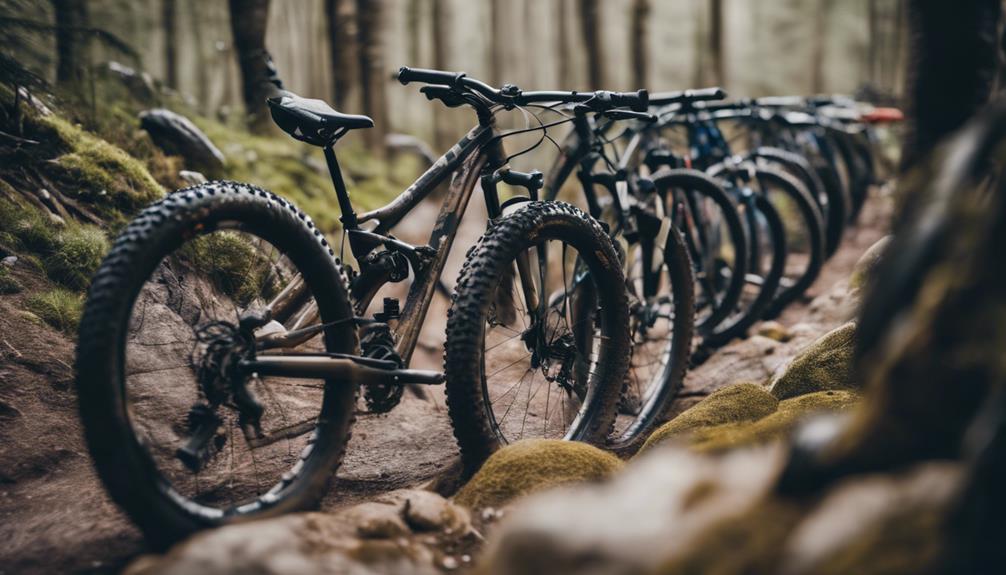
Shopping for a bicycle for a 3 year old mostly comes down to one decision: balance bike, tricycle, or a small pedal bike with training wheels. My top pick is the JMMD 6-in-1 Toddler Bike with Push Handle, because its foldable 12-inch frame grows with your child from pushed toddler to independent pedaler — the closest thing to a one-purchase answer. If your three-year-old is already confident on their feet, the Ridego 14 Inch Balance Bike builds gliding skills faster than any trike here, while the KRIDDO Tool-Free Tricycle is the simplest, cheapest way to get a cautious rider rolling. The tradeoffs worth knowing: tricycles feel stable but teach bad pedaling habits and tip on corners, balance bikes teach real balance but have no pedals, and pedal bikes fit a narrow window before they’re outgrown. Keep reading for the full breakdown.

Get sports gear delivered free with Prime
- Fast, free delivery on millions of items
- Prime Video, Amazon Music and more included
- Member-only deals all year
Complete the kit


Key Takeaways
- Convertibles dominated the top spots: the two JMMD 6-in-1 models are the only picks that cover the full 18-60 month range, which is why one of them takes Best Overall despite a higher assembly burden.
- Several products in this lineup are near-duplicates sold under different colorways or bundle options (the two Umatoll trikes, both JOYSTAR Pluto listings, and two SEREED trikes) — I’ve treated them as one design each so the ranking reflects real differences, not paint jobs.
- Every tricycle here shares the same flaw parents should expect: a wide tipping radius on turns and poor performance on grass or gravel, which is why I ranked them lower for active kids despite their lower learning barrier.
- The SEREED balance bike and KRIDDO 12-inch balance bike are the best value paths to pedal biking — a confident three-year-old on a balance bike typically skips training wheels entirely by age four.
- Light-up wheels appear on five of the fifteen products; they’re a genuine toddler motivator but add small batteries and electronics that can fail, so I never let them override frame quality in the ranking.


| bicycle for 3 year old | Recommended Age | Frame Material |
|---|---|---|
| Ackarido Spider Toddler Balanc | 1 – 5 years | Carbon steel |
| Umatoll Toddler Tricycle for A | — | — |
| Umatoll Toddler Tricycle for A | — | — |
| JMMD 6-in-1 Toddler Bike with | 18 – 60 months | Aluminum alloy |
| SEREED Colorful Lighting Toddl | 2 – 5 years | — |
| JMMD 6-in-1 Toddler Bike with | 18-60 months | Aluminum alloy |
| Ridego 14 Inch Balance Bike fo | — | Glass-reinforced nylon |
| JOYSTAR Kids BMX Style Bicycle | 2-4 years | Steel |
| SEREED Toddler Balance Bike fo | 2-3 years | Carbon steel |
| JOYSTAR Pluto Kids Bike with L | 3-12 years | Steel |
| JOYSTAR Pluto Kids Bike with L | 3-12 years | Steel |
| KRIDDO Toddler Tricycle for Ag | 24 months – 5 years | — |
| SEREED Colorful Lighting Toddl | — | — |
| KRIDDO Toddler Balance Bike 12 | — | Carbon steel |
| KRIDDO Toddler Tricycle for 24 | — | — |
More Details on Our Top Picks
Ackarido Spider Toddler Balance Tricycle with Light-Up Wheels and Basket, Ages 1-5
The Ackarido Spider balance tricycle earns its spot as the entry point of this lineup because it starts younger than almost anything else here — the recommended range begins around age 1, well before the Umatoll tricycles or the JMMD 6-in-1 become practical. The 135° steering limit is the standout safety feature for a wobbly one-year-old: it prevents the sharp jackknife turns that cause most early tumbles, something the SEREED Colorful Lighting tricycle doesn’t address at all. Fully enclosed noiseless wheels mean no pinched fingers and a quieter ride on hard floors. The tradeoff is real, though — this is a balance trainer, not a pedaling bike, so a three-year-old who already wants to pedal will outgrow its purpose quickly. The light-up rear wheel is fun but only glows on one wheel, which may underwhelm kids who’ve seen four-wheel glow sets elsewhere.
Pros:- Starts at age 1, earlier than most options in this roundup
- 135° steering limit prevents jackknife falls for new riders
- Fully enclosed noiseless wheels protect small feet and work indoors
- Lightweight carbon steel frame with rounded, BPA-free finish
Cons:- Balance-only design with no pedal option, limiting longevity
- Light-up feature is limited to a single rear wheel
- Age range tops out early compared with the JMMD’s 60-month span
Best for: Parents of 1-2 year olds who want a first ride-on that teaches balance and steering safely indoors or out
Not ideal for: Three-year-olds ready to pedal — the balance-only design will be outgrown within a year
- Brand:Ackarido
- Recommended Age:1 – 5 years
- Frame Material:Carbon steel
- Wheel Type:Fully enclosed noiseless wheels
- Special Feature:Light-up rear wheel, no batteries
- Seat:Adjustable
- Steering Limit:135°
Our verdict“Buy this for a very young toddler’s first ride; skip it if your three-year-old is already asking to pedal.”
Umatoll Toddler Tricycle for Ages 2-5 with Light-up Wheels
Among the tricycles in this guide, the Umatoll toddler tricycle is the most traditional pick: three wheels, a stable wide stance, and light-up wheels that glow without batteries. Compared with the SEREED Colorful Lighting tricycle, it trades snap-together convenience and featherlight portability for a sturdier carbon steel build that feels planted when a toddler leans into a turn. The front and rear baskets are genuinely useful — kids love hauling toys, and it gives the trike a purpose beyond laps around the driveway. The two-position seat adds a little growing room, though it’s less adjustable than the SEREED’s three seat and two handlebar positions. What holds it back is what’s missing: no stated weight limit makes it hard to judge durability for bigger riders, and the baskets are small enough that larger toys won’t fit.
Pros:- Sturdy carbon steel frame suited to daily outdoor use
- Stable design resists tipping during turns
- Light-up wheels require no batteries
- Front and rear baskets for carrying toys
Cons:- No published weight limit, a gap for heavier riders
- Baskets are too small for larger toys
- Only a 2-position seat, less adjustability than the SEREED
Best for: Families wanting a straightforward, stable first tricycle for driveway and park riding from age 2
Not ideal for: Parents who want documented weight capacity or a bike that converts to later riding stages
- Material:Carbon steel
- Age Range:2 to 5 years
- Seat Adjustment:2-position adjustable
- Light-up Wheels:Yes, battery-free
- Included Components:Front and rear baskets
Our verdict“A dependable classic trike for ages 2-5, best for families who value stability and simplicity over long-term convertibility.”
Umatoll Toddler Tricycle for Ages 2-5 with Light-Up Wheels
This second Umatoll tricycle looks nearly identical to its sibling on paper, but the wide wheelbase is the differentiator that earns it a separate slot. For a just-turned-two-year-old who is still finding their confidence, the extra footprint makes tipping far less likely than on the narrower KRIDDO tricycles or even the Ackarido Spider, which relies on a steering limit rather than geometry for stability. The removable baskets and adjustable seat carry over, and the battery-free light-up wheels keep the fun factor high. The honest tradeoffs: the wide stance makes it slower and clunkier for an agile three-year-old who wants to carve turns, and the carbon steel frame, while durable, is heavier than the 6.6-pound SEREED — meaning you’ll be the one carrying it home from the park when little legs give out.
Pros:- Extra-wide wheelbase delivers strong tip resistance
- Durable carbon steel construction for outdoor use
- Removable front and rear baskets for toys
- Light-up wheels with no batteries needed
Cons:- Heavier than the SEREED, harder to transport
- Wide base reduces maneuverability for confident riders
- Assembly instructions and difficulty are not documented
Best for: Cautious young riders around age 2 whose parents prioritize tip-resistance above speed and agility
Not ideal for: Active three-year-olds who want to ride fast and turn sharply — the wide base feels sluggish
- Material:Carbon steel
- Age Range:2 to 5 years
- Adjustable Seat:Yes
- Wheelbase:Stable wide design
- Light-up Wheels:Yes
- Baskets:Removable front and rear
Our verdict“The pick for maximum stability at age two; confident riders will prefer something lighter and nimbler.”
JMMD 6-in-1 Toddler Bike with Push Handle, 12-Inch Foldable Balance Bike with Training Wheels, Pedals, Brakes, and Kickstand, for Kids 18-60 Months
The JMMD 6-in-1 is the most complete answer to the question this roundup asks, because a three-year-old’s needs change fast and this bike changes with them. It starts as a parent-push trike with a height-adjustable handle, becomes a tricycle, then a balance bike, and finally a pedal bike — a span of 18 to 60 months that no single-mode option here can match. Every other product in this guide will be donated or outgrown within roughly two years; the JMMD keeps earning its keep. The chain-free gear-driven drivetrain and 60° steering limiter show thoughtful safety engineering, and the hand brake is something none of the tricycles — Umatoll, SEREED, or KRIDDO — offer at all. The cost of that versatility is complexity: you’ll reconfigure it multiple times, some final assembly is required despite the 95% pre-assembly claim, and it’s a bigger, pricier purchase than a simple trike. If you only want one bike instead of three, this is the one.
Pros:- Converts across six riding modes from 18 to 60 months
- Hand brake and steering limiter offer safety features the trikes lack
- Chain-free gear-driven system eliminates pinch points
- Folds for storage and arrives 95% pre-assembled
Cons:- Heavier and more complex than single-purpose balance bikes or trikes
- Still needs handlebar, seat, push rod, and pedals attached on arrival
- Folding and mode changes require regular hands-on adjustments
Best for: Parents who want a single purchase that spans toddlerhood from first rides to independent pedaling
Not ideal for: Buyers wanting a cheap, simple trike — the multi-mode design adds cost, weight, and reconfiguration hassle
- Product Type:6-in-1 toddler bike / tricycle / balance bike
- Recommended Age:18 – 60 months
- Wheel Size:12 inches
- Frame Material:Aluminum alloy
- Brake Type:Hand brake
- Steering Limiter:60°
- Drive System:Gear-driven, chain-free
- Parent Push Handle:135° rotating, height-adjustable
- Assembly:95% pre-assembled, foldable
Our verdict“The best single purchase for a three-year-old’s whole riding journey — if you accept the extra complexity that versatility brings.”
SEREED Colorful Lighting Toddler Tricycle for Ages 2-5
At 6.6 pounds, the SEREED Colorful Lighting tricycle is the featherweight of this lineup, and that changes how it gets used: a toddler can push it, lift it over a curb, and drag it back inside themselves — something neither the Umatoll models with their steel-heavy builds nor the multi-mode JMMD 6-in-1 can claim. The spring-loaded snap assembly means it goes from box to riding in minutes with no tools, and the three-position seat plus two-position handlebar beats the Umatoll’s two-position seat for growing room. Precision bearings give it a smoother glide than most budget trikes. The tradeoff is that light weight means a lighter duty cycle — kids near the top of the 2-5 range may already feel cramped, and there’s no brake, so hill driveways are off the menu. Detachable front and rear baskets partially make up for it as a toy hauler.
Pros:- Very light at 6.6 lbs, easy for toddlers to maneuver themselves
- Snap assembly in minutes with no tools
- 3-position seat and 2-position handlebar for growth
- Battery-free light-up wheels and smooth precision bearings
Cons:- No brake, unsafe on slopes or hills
- May be undersized for children near age 5
- Lighter build is less rugged than the steel Umatoll trikes
Best for: Parents who prioritize portability and tool-free setup, especially for indoor use or trips to the park
Not ideal for: Four- and five-year-olds or families with sloped driveways — the size ceiling and lack of brakes are limiting
- Brand:SEREED
- Recommended Age:2 – 5 years
- Weight:6.6 lbs
- Seat Positions:3
- Handlebar Positions:2
- Lighting:Light-up rear wheels, no batteries
- Assembly:Spring-loaded snap design
Our verdict“The easiest trike to live with day to day for ages 2-4, as long as your riding area is flat and your rider isn’t nearly five.”
JMMD 6-in-1 Toddler Bike with Push Handle, 12-Inch Foldable Balance Bike for Ages 18-60 Months
The JMMD 6-in-1 stands out for its long usability window — it converts from a parent-push trike into a tricycle, balance bike, and pedal bike, so a 3 year old can start with training wheels and progress over two more years. Compared with the JoyStar BMX-style bike, which is locked into one configuration, this model’s flexibility is the whole point: you buy one bike instead of three. The 135° rotating push handle gives parents real steering control, something the SEREED balance bike simply can’t offer. The tradeoff is complexity — more moving parts mean more fiddling, and the push handle and training wheels become dead weight once your child rides confidently.
Pros:- Converts across multiple riding modes to span ages 18 to 60 months
- Parent push handle rotates 135° for guided control
- Safety features include hand brake, 60° steering limiter, and chain-free drive
- Folds for storage and travel, arrives 95% pre-assembled
Cons:- Final assembly of handlebar, seat, push rod, and pedals is still required
- Push handle and training gear become unnecessary as the child advances
Best for: Parents who want a single purchase that adapts from a parent-guided trike to an independent pedal bike over several years
Not ideal for: Families whose 3 year old already balances confidently — the push handle and multi-mode hardware add bulk they’ll never use
- Product Type:6-in-1 convertible toddler bike
- Recommended Age:18-60 months
- Wheel Size:12 inches
- Frame Material:Aluminum alloy
- Brake Type:Hand brake
- Steering Limiter:60°
- Foldable:Yes
Our verdict“Buy this if you want one bike to carry your child from first rides to pedaling; skip it if your toddler is already past the push-handle stage.”
Ridego 14 Inch Balance Bike for Kids 3-6 Years Old
Where the SEREED balance bike is sized narrowly for 2-3 year olds, the Ridego’s 14-inch wheels and 110 lb capacity stretch its useful life to age 6, making it the stronger pick for a taller 3 year old or a family that wants room to grow. The air rubber tires are the key differentiator: compared with the SEREED’s foam tires, they absorb bumps noticeably better on sidewalks and grass. That comfort comes at a cost — you’ll be checking tire pressure and patching the occasional flat, which foam-tire models never demand. The glass-reinforced nylon frame keeps weight under 8.2 lbs, so small riders can still muscle it around corners.
Pros:- 14-inch wheels and 110 lb capacity extend usable life to age 6
- Air rubber tires smooth out rough sidewalks and grass
- Lightweight 8.16 lb frame is easy for small riders to handle
- Seat adjusts from 14.2 to 18.3 inches
Cons:- Requires ongoing air tire maintenance
- No pedals, so a pedal bike purchase is still in your future
Best for: Parents committed to the balance-first method who want a bike that lasts from age 3 into elementary school
Not ideal for: Anyone wanting a bike with pedals right away — this is purely a balance trainer with no path to pedaling
- Age Range:3-6 years
- Wheel Size:14 inches
- Frame Material:Glass-reinforced nylon
- Weight:8.16 lbs
- Max Weight Capacity:110 lbs
- Seat Height:14.2″–18.3″
Our verdict“This pick makes the most sense for families playing the long game with balance-bike learning and who don’t mind tire upkeep.”
JOYSTAR Kids BMX Style Bicycle with Training Wheels, 12-Inch, Blue
If your 3 year old wants to pedal on day one, this is the straightforward pedal bike in the lineup. Unlike the Ridego or SEREED balance bikes, it has real pedals, a coaster foot brake, and training wheels that build confidence immediately. The full chain guard protects curious fingers and keeps clothing intact — a detail cheaper kids’ bikes often skip. The honest tradeoff: at 18.5 lbs of steel, it’s more than double the weight of the SEREED, so a small toddler will struggle to maneuver it, and the coaster-only brake means no hand-brake practice. The 12-inch size also gets outgrown fast, though the limited lifetime warranty softens that blow.
Pros:- Training wheels provide immediate stability for beginner riders
- Coaster foot brake is intuitive for small legs
- Full chain guard protects fingers and clothing
- 85% pre-assembled with tools included
Cons:- 18.5 lb steel frame is heavy for a 3 year old to handle
- Coaster-only brake skips hand-brake skill development
- 12-inch size is outgrown quickly
Best for: Families who want a conventional pedal bike experience with training wheels from the very first ride
Not ideal for: Petite or cautious toddlers — the steel frame’s weight makes it hard to control without training wheels installed
- Bike Type:Kids BMX-style pedal bike
- Wheel Size:12 inches
- Recommended Age:2-4 years
- Rider Height:33-41 inches
- Frame Material:Steel
- Brake Style:Coaster
- Weight:18.5 lbs
- Warranty:Limited lifetime warranty
Our verdict“Choose this if your child is eager to pedal now and you accept that they’ll graduate to a bigger bike within a couple of years.”
SEREED Toddler Balance Bike for 2-3 Year Olds, Adjustable Seat & Handlebars
At 7.8 lbs, the SEREED is the easiest bike here for a small three year old to lift, steer, and — inevitably — drop. Compared with the Ridego 14-inch, it trades air tires and longevity for simplicity: the airless EVA foam tires never flatten and won’t scuff floors, so it doubles as an indoor ride-on during bad weather. Adjustments are tool-free on both seat and handlebars, which beats the fiddlier setups on the JoyStar pedal bikes. The catch is fit range — it’s really built for 2-3 year olds, so a tall or fast-growing child will outgrow the 17.1-inch maximum seat height before kindergarten. Like most balance bikes, there’s no brake, relying on feet instead.
Pros:- Featherlight 7.8 lb frame toddlers can control easily
- Tool-free quick-release seat and handlebar adjustments
- Airless foam tires never go flat and are floor-safe indoors
- Bonus plate and stickers for personalization
Cons:- No brakes — feet-only stopping may worry some parents
- Narrow 2-3 year age range with limited seat height growth
Best for: Parents of smaller 3 year olds who want a featherlight, zero-maintenance first bike for indoor and outdoor use
Not ideal for: Taller or fast-growing toddlers who will hit the 17.1-inch seat limit early — the Ridego 14-inch is the better stretch
- Recommended Age:2-3 years
- Frame Material:Carbon steel
- Bike Weight:7.8 lbs
- Weight Capacity:110 lbs
- Seat Height Range:12.6-17.1 inches
- Handlebar Height Range:19.6-22.5 inches
- Tires:Airless EVA foam, anti-slip
Our verdict“This is the pick for a youngest-in-the-family toddler who needs the lightest possible bike, not one built to be handed down for years.”
JOYSTAR Pluto Kids Bike with Light Up Training Wheels, Multiple Sizes and Colors
The Pluto’s real advantage over every other pedal bike in this roundup is size choice — from 12 to 20 inches, it fits riders from age 3 to 12, so you can size up deliberately or match siblings on matching bikes. Compared with the JoyStar BMX 12-inch, this model adds a hand brake alongside the coaster brake, letting older kids practice lever control sooner. The light-up training wheels are a genuine motivator for reluctant riders, flashing as they spin — though they must come off eventually, like all training wheels. Steel construction means respectable weight, and the DIY decal kit is a fun touch but pure novelty. Assembly is manageable but not trivial for first-time bike builders.
Pros:- Five size options from 12 to 20 inches span ages 3-12
- Both foot and hand brakes support skill progression
- Light-up training wheels motivate hesitant riders
- Quick-release seat makes height adjustments simple
Cons:- Assembly takes real time and patience for beginners
- Training wheels require removal as riding skills develop
Best for: Families with multiple children or a fast-growing 3 year old who want to pick the exact right size and keep the bike for years
Not ideal for: Buyers wanting the lightest possible bike for a cautious toddler — the steel frame and pedal drivetrain are heavier than any balance bike here
- Available Sizes:12, 14, 16, 18, 20 inches
- Recommended Age:3-12 years
- Frame Material:Steel
- Training Wheels:Light-up, removable
- Seat:Quick-release adjustable
- Safety Features:Chain guard, foot and hand brakes
Our verdict“This is the smart buy when sibling hand-me-downs matter more than minimum weight — just be honest about doing the assembly yourself.”
JOYSTAR Pluto Kids Bike with Light Up Training Wheels, Multiple Sizes and Colors
If your three-year-old is ready to pedal for real, this option stands out because it behaves like an actual bicycle rather than a toddler toy. Compared with the KRIDDO Toddler Balance Bike, which skips pedals entirely, the Pluto offers light-up training wheels, a chain guard, and both foot and hand brakes — features that teach braking habits a tricycle can’t. The 12- or 14-inch size fits a typical three-year-old now, and the adjustable seat stretches usability well past age three, unlike the SEREED and KRIDDO trikes that cap out at five years with no pedaling progression. The tradeoff: a steel frame means more weight to manage, and you’ll need to finish the last stretch of assembly yourself.
Pros:- Real pedal bike with training wheels that build lifelong cycling skills
- Adjustable seat height extends usability across multiple years
- Chain guard and dual brakes add layers of safety
- Includes basket, water bottle, and DIY decals for fun personalization
Cons:- Steel frame is heavier than balance bikes and trikes, harder for small kids to maneuver
- Partial assembly required despite 85% pre-assembly
- Light-up training wheels will eventually come off, changing the bike’s appeal
Best for: Parents whose 3-year-old is physically ready to pedal and who want a bike that lasts for years
Not ideal for: Families wanting a lightweight first ride — the steel frame is heavier than plastic trikes and balance bikes
- Sizes:12, 14, 16, 18, 20 inches
- Recommended Age:3-12 years
- Frame Material:Steel
- Includes:Training wheels, basket, water bottle, DIY decals
- Assembly:85% pre-assembled, tools included
- Brakes:Foot and hand brakes
- Safety:Chain guard, light-up training wheels
Our verdict“This pick makes the most sense for a confident three-year-old who is done with push-along toys and needs a bike that grows with them.”
KRIDDO Toddler Tricycle for Ages 2-5, Tool-Free Pink Trike
For a brand-new three-year-old still figuring out pedals, stability beats everything, and this trike’s extended rear wheels and wide wheelbase deliver it. Compared with the SEREED Colorful Lighting Tricycle, which prioritizes light-up flash at just 6.6 pounds, this model leans sturdier, with shock-absorbing silent wheels that work on hardwood and pavement alike — a real advantage if indoor riding is part of your winter routine. The tool-free assembly is a genuine perk for gift-givers who dread build-night. The catch: it tops out at age five with no path to a two-wheeler, and the pink-only finish narrows its appeal compared with the green KRIDDO variant.
Pros:- Extended rear wheels and wide wheelbase actively resist tipping
- Quiet, shock-absorbing wheels for both indoor and outdoor surfaces
- BPA-free materials meeting U.S. toy safety standards
- Tool-free assembly ready to ride in minutes
Cons:- Pedaling a trike doesn’t build balance skills the way a balance bike does
- Single pink colorway limits buyer choice
- Capped at age 5, giving it a short usable window
Best for: Parents of cautious 2-3 year olds who tip-easily anxiety is the main concern
Not ideal for: Anyone wanting a pink-free color option or a ride that evolves into a pedal bike
- Recommended Age:24 months – 5 years
- Type:Tricycle
- Assembly:Tool-free
- Wheels:Shock-absorbing silent wheels
- Safety Features:BPA-free, non-toxic paint, meets U.S. toy safety standards
- Color:Pink
- Warranty:1 year against manufacturer defects
Our verdict“This model is better suited to families whose priority is a tip-resistant, supervised first ride rather than a long-term cycling path.”
SEREED Colorful Lighting Toddler Tricycle for 2-5 Years Old Boys and Girls, Adjustable Seat & Handlebar, Removable Basket, Green
At 6.6 pounds, this is the easiest trike here for a small child to move — and for a parent to carry to the park. Compared with the KRIDDO Pink Trike, the SEREED trades some of that tank-like planted feel for portability, and adds two things KRIDDO doesn’t: a 2-position handlebar alongside the adjustable seat, and battery-free glow wheels that light up as kids ride. The snap-together assembly is quick enough for a same-day birthday surprise. Be aware that the low weight means less stability at speed, and the manufacturer doesn’t publish a maximum load, so larger five-year-olds may outgrow it before the age limit suggests.
Pros:- Featherlight 6.6-pound build kids can maneuver and parents can tote
- Both seat and handlebar adjust as your child grows
- Battery-free light-up wheels need no maintenance
- Removable front and rear baskets for toys and snacks
Cons:- Lighter frame is easier to tip than wider-stance trikes like the KRIDDO
- No stated maximum weight capacity
- Short 2-5 year usable window
Best for: Urban families who carry the trike up stairs or to parks and want adjustable fit
Not ideal for: Bigger or more aggressive riders — the lightweight build and unspecified weight capacity feel less planted
- Age Range:2-5 years
- Weight:6.6 pounds
- Adjustable Seat:Yes
- Handlebar:2-position adjustable
- Baskets:Removable front & rear
- Lights:Glow wheels, no batteries needed
- Color:Green
Our verdict“This option stands out for families who value a light, adjustable, fun-first trike over maximum stability.”
KRIDDO Toddler Balance Bike 12 Inch for 2-5 Years Old with Customizable Plate
If your goal is a child who pedals confidently at four instead of six, a balance bike is the proven route, and this one gets the fundamentals right. Unlike the JOYSTAR Pluto, which relies on training wheels that must later be removed, this model teaches balance from day one — no unlearning required. The never-flat 12-inch tires mean no roadside repair sessions, and the 110-pound load capacity far exceeds anything else in this lineup, letting older siblings borrow it. Adjustable seat and handlebar keep pace with growth spurts. The tradeoffs are simple: no pedals means no coasting rides with friends on trikes, and the white-only frame shows scuffs faster than darker options.
Pros:- Balance-first design prepares kids for pedal bikes without training wheels
- Puncture-resistant never-flat tires eliminate flats
- Impressive 110-pound maximum load for siblings and longevity
- Adjustable seat and handlebar grow with the child
Cons:- No pedals, so no coasting or freewheeling fun
- White-only colorway shows dirt and scuffs
- Outgrown by age 5, after which a pedal bike is needed
Best for: Parents who want to skip training wheels entirely and build balance skills early
Not ideal for: Kids who want pedals, baskets, and lights right now — this is a skill-building tool, not a toy trike
- Age Range:24 months to 5 years
- Wheel Size:12 inches
- Frame Material:Carbon steel
- Maximum Load:110 lbs
- Tire Type:Never-flat, puncture-resistant
- Adjustability:Handlebar and seat height adjustable
- Extras:Customizable name plate with stickers
Our verdict“This pick makes the most sense for parents playing the long game — trading immediate pedal fun for earlier two-wheel confidence.”
KRIDDO Toddler Tricycle for 24 Months to 5 Years, Green
This green KRIDDO is essentially the same proven platform as the pink version — triangular anti-tip geometry, quiet wheels, ergonomic grips — in a color with broader appeal. Compared with the SEREED Colorful Lighting Tricycle, it skips the glow wheels and drops the adjustable handlebar, but keeps the core stability that matters most at age three. That simplicity is the point: fewer gimmicks, fewer parts to break, and a straightforward ride that works on living room floors and sidewalks alike. The honest limitations are the same as any trike here — adult supervision is expected, and by age five your child will need something with two wheels, likely the KRIDDO Balance Bike or the JOYSTAR Pluto as the next step.
Pros:- Proven triangular design that resists tipping
- Quiet, non-slip wheels safe for indoor floors
- Comfortable seat and ergonomic grips sized for small hands
- BPA-free, non-toxic materials with a 1-year warranty
Cons:- No light-up wheels or adjustable handlebar, unlike the SEREED
- Requires constant adult supervision
- Fixed fit — seat doesn’t adjust as your child grows
Best for: Budget-conscious buyers who want dependable stability without paying for light-up extras
Not ideal for: Kids drawn to flashy features — no lights, and no growth path beyond age five
- Age Range:24 months to 5 years
- Model:TC003-Green
- Type:Tricycle
- Material:BPA-free, non-toxic paint
- Wheels:Quiet, non-slip
- Color:Green
- Warranty:1 year
Our verdict“This option stands out for no-nonsense buyers who want a safe, stable first trike and don’t need bells and glowing wheels.”

How We Picked
I evaluated every option against the realities of a three-year-old rider: inseam fit (can the child plant both feet flat while seated?), weight relative to the child (a 12-pound bike under a 30-pound toddler is hard to control), and growth runway, since most parents don’t want to buy twice in eighteen months. I also weighed assembly difficulty, the quality of the steering limiter and bearing smoothness where applicable, and how each design handles the mistakes toddlers actually make — jerky steering, curb drops, being left in the rain.
The ranking logic is stage-based rather than spec-sheet-based. Convertible designs that span toddlerhood ranked highest because they solve the fit-window problem that plagues this category. Purpose-built balance bikes came next for confident kids, followed by tricycles, which rank as beginner tools rather than long-term investments. Duplicated listings and colorway-only variants were consolidated so the order reflects genuine differences in geometry, adjustability, and build.
| bicycle for 3 year old | Frame Material |
|---|---|
| Ackarido Spider Toddler Balanc | Carbon steel |
| Umatoll Toddler Tricycle for A | — |
| Umatoll Toddler Tricycle for A | — |
| JMMD 6-in-1 Toddler Bike with | Aluminum alloy |
| SEREED Colorful Lighting Toddl | — |
| JMMD 6-in-1 Toddler Bike with | Aluminum alloy |
| Ridego 14 Inch Balance Bike fo | Glass-reinforced nylon |
| JOYSTAR Kids BMX Style Bicycle | Steel |
| SEREED Toddler Balance Bike fo | Carbon steel |
| JOYSTAR Pluto Kids Bike with L | Steel |
| JOYSTAR Pluto Kids Bike with L | Steel |
| KRIDDO Toddler Tricycle for Ag | — |
| SEREED Colorful Lighting Toddl | — |
| KRIDDO Toddler Balance Bike 12 | Carbon steel |
| KRIDDO Toddler Tricycle for 24 | — |
Factors to Consider When Choosing Bicycle For 3 Year Old
Before you click buy on any of these fifteen options, it helps to understand what actually makes a three-year-old succeed or quit on a bike. The biggest mistakes at this age come from buying for the child you want in two years instead of the child you have today.Balance Bike vs. Tricycle vs. Pedal Bike: The Real Decision
Most parents default to a tricycle because it’s what they rode, but the developmental research and playground evidence point the other way. A balance bike teaches the hard skill first — balancing and steering — while pedaling is the easy part a child picks up in an afternoon once they graduate to pedals. Tricycles do the opposite: kids master pedaling quickly, then have to unlearn the leaned-back, slow-steering posture when they move to two wheels. A 12-inch pedal bike with training wheels splits the difference, but training wheels keep the bike artificially upright, so kids often panic when they come off. If your three-year-old is timid and mostly rides indoors or on flat patios, a trike is fine; if they’ll ride sidewalks, driveways, and parks, a balance bike is the faster path to real riding.
Fit Beats Age Every Time
Age ranges on the box are marketing, not measurements. What matters is your child’s inseam matched against the minimum seat height — ideally the seat sits about an inch below the inseam so both feet plant flat with a slight knee bend. A three-year-old with a 13-inch inseam cannot straddle a bike whose lowest seat position is 14 inches, no matter what the sticker says. This is also why the adjustable-range products in this roundup matter: a seat with four or five height positions buys you two growth seasons instead of one. Measure first, shop second, and when in doubt size down — a too-small bike is briefly limiting, but a too-tall bike is immediately dangerous and gets abandoned.
Weight Is the Hidden Spec
A common rule of thumb is that the bike shouldn’t exceed 30-40% of the child’s body weight, and almost nobody checks this. A typical three-year-old weighs 28-34 pounds, which means a 15-pound steel pedal bike is at or over that limit before you add training wheels. Heavy bikes don’t just tire kids out — they make falls worse and prevent the quick foot-down recoveries that build confidence. The balance bikes in this lineup shine here because stripped-down frames keep them in the 5-8 pound range. If you’re choosing a pedal bike, check whether the frame is steel or aluminum and remember that you’ll also be the one carrying it home from the park when your child gets tired.
Growth Runway and the Cost of Buying Twice
The cheapest option upfront is rarely the cheapest over two years. A basic tricycle fits roughly ages two to four and then gets outgrown with no path forward, while a convertible or adjustable design can carry the same child from first push to first pedals. This is the core argument for the 6-in-1 style bikes in this roundup despite their higher complexity. The counterargument: more conversion modes mean more parts to store, lose, and misassemble, and some parents never actually do the conversions. Be honest about which parent you are. If you’ll realistically swap pedals and handlebars as your child grows, buy the convertible; if you want something that works out of the box and gets handed down, a simple balance bike plus a later pedal bike is the cleaner path.
Where Your Child Will Actually Ride
Surface conditions quietly decide which designs work. Tricycles with small plastic wheels struggle badly on grass, gravel, and uneven pavement, and their single front-wheel drive stalls on gentle slopes. Balance bikes with pneumatic (air-filled) tires handle curbs, tree roots, and park trails far better than foam tires, which are puncture-proof but slippery and harsh-riding. If your riding happens on a smooth driveway, foam tires and plastic wheels are fine. If you’re headed to bike paths and parks, prioritize real rubber tires — it’s the single biggest ride-quality difference at this price tier, and it’s why I favor the pneumatic-tire balance bikes in this lineup over the flashier light-up trikes.
Assembly, Maintenance, and Safety Features Parents Forget
Most of these bikes ship partially assembled, and assembly quality ranges from twenty minutes with clear instructions to a multi-hour ordeal — read the product’s reputation for this before buying. Look for a steering limiter on balance bikes (it prevents the handlebar from whipping around and pinching fingers or causing jackknife falls), ball bearings rather than plastic bushings in the wheels, and a footrest if your child will glide. Brakes are a nice-to-have at three but not the deciding factor — most toddlers this age drag their feet anyway. Finally, keep a pump and a hex key set handy: seat heights should be checked every couple of months at this age, because three-year-olds grow fast enough that a bike that fit in spring can be too small by fall.
Frequently Asked Questions
Should a 3 year old start on a balance bike or a tricycle?
For most three-year-olds, a balance bike is the faster path to riding, because balancing is the hard skill and pedals are the easy one — kids who balance first often skip training wheels entirely around age four. Tricycles make sense in specific situations: very cautious children, mostly-indoor riding, or when you want a toy that doubles as a stroller substitute. The tricycles in this roundup, like the KRIDDO and SEREED models, also let a child pedal immediately with zero learning curve, which can matter for a child who gets frustrated easily. But if your goal is a child riding a real bicycle by age four or five, the balance bike route — the SEREED or KRIDDO 12-inch models here — typically gets there six months to a year sooner. There’s no wrong answer, but know which goal you’re buying for.
Is a 12-inch or 14-inch bike right for a 3 year old?
Wheel size matters less than standover height and minimum seat height, but as a rule a 12-inch bike suits most three-year-olds, while 14-inch fits taller kids with inseams around 15-16 inches. The Ridego 14-inch balance bike in this lineup is sized for ages 3-6, so a smaller three-year-old may not reach the ground comfortably at its lowest seat position. Check the listed minimum seat height against your child’s inseam measured in socks — you want the seat at or just below the inseam number. Also remember that 12-inch pedal bikes (like the JOYSTAR models) fit a narrower window than 12-inch balance bikes, because pedals raise the effective standover. When your child is between sizes, always choose the smaller wheel; a child who is slightly too big for a bike still rides confidently, but one who is too small rides scared.
Are the light-up wheels on these toddler bikes worth it?
Light-up wheels are legitimately one of the best toddler motivators you can buy — reluctant riders often get on the bike purely because the wheels glow, and that enthusiasm is worth real money in this age group. The catches: the lights run on small battery-powered LED modules that can fail or drain, especially if the bike lives outdoors, and they add a little rolling resistance. They also shouldn’t drive your purchase — a well-fitting frame with good tires beats a flashy poorly-fitting one every time. In this roundup, the Umatoll, SEREED, and Ackarido trikes and the JOYSTAR Pluto’s light-up training wheels all use them effectively as enticement features. Treat the lights as a bonus on a bike that already fits, not as a reason to buy one that doesn’t.
How long will a bike for a 3 year old actually last?
Expect roughly 18 to 24 months of use from a typical toddler bike, assuming you sized it correctly at purchase. A balance bike bought at three usually serves until the child transitions to a pedal bike around four to five. A 12-inch pedal bike often gets outgrown faster — sometimes within a year — because once training wheels come off, kids progress quickly to 14- and 16-inch bikes. The convertible models in this roundup, particularly the JMMD 6-in-1 designs rated for 18-60 months, stretch that window the furthest, which is their main justification for the extra complexity. If you have a younger child or plan to hand the bike down, effective lifespan doubles; a simple balance bike survives siblings better than a multi-mode convertible with detachable parts that go missing.
Do toddler bikes need brakes, or are dragging feet enough?
At age three, feet are the primary brakes, and that’s developmentally normal — most three-year-olds lack the hand strength and coordination to squeeze a lever reliably. A hand brake’s real value is as training for later, letting the child practice the motion before it matters. Balance bikes for three-year-olds, like the SEREED in this lineup, work fine without one, though the models that include a brake (such as the JMMD convertibles) give you a head start on the pedal-bike years. The one feature I’d never skip at this age is a steering limiter, which prevents sudden handlebar spins that cause most balance-bike falls. Skip the coaster-brake debate entirely for now; that’s a five-year-old conversation.
Conclusion
After comparing all fifteen options, the right choice depends less on specs and more on what kind of rider you’re raising. For best overall, the JMMD 6-in-1 with Push Handle and training wheels covers the entire toddler window — push trike, balance bike, and pedal bike in one foldable frame. For best value, the SEREED Toddler Balance Bike delivers the core developmental benefit at the lowest total cost, since a balance-bike graduate usually skips training wheels. For best for beginners, the KRIDDO Tool-Free Tricycle gets a cautious two-or-three-year-old rolling in minutes with zero learning curve, and the light-up Umatoll and SEREED trikes do the same job with extra enticement power. For taller or more advanced three-year-olds, the Ridego 14 Inch Balance Bike offers the longest runway toward a real pedal bike. And if you want classic style with a clear upgrade path, the JOYSTAR BMX or Pluto 12-inch pedal bikes are the pick, provided your child is ready for pedals now. Measure your child’s inseam first, match it to the seat range, and pick the stage — not just the bike — that fits today.
NFL season / tailgating Picks
team gear
As an affiliate, we earn on qualifying purchases.