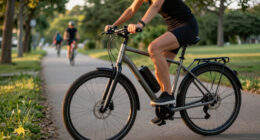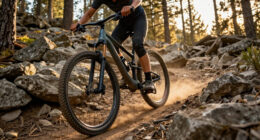

If you want one bike that handles paved commutes and weekend gravel trails, the right pick comes down to frame material, gearing range, and tire clearance — and that’s exactly where these 12 models differ. The SAVADECK T800 Carbon with Shimano GRX610 12-Speed stands out as my best overall pick, pairing a lightweight carbon chassis with a modern gravel-specific groupset. For value, the Tommaso Sentiero Sport delivers true gravel capability on an aluminum budget, while the Mongoose Elroy offers a relaxed, adventure-ready alternative for casual riders. The main tradeoff you’ll face in this category: carbon models cost more and climb faster, but aluminum bikes like the Tommaso options are easier to justify if you’re new to mixed-surface riding. Keep reading for the full breakdown of all 12 bikes.

Get sports gear delivered free with Prime
- Fast, free delivery on millions of items
- Prime Video, Amazon Music and more included
- Member-only deals all year
Complete the kit


Key Takeaways
- Carbon-framed SAVADECK models dominated the top of the ranking because their T800 frames damp gravel vibration better than any aluminum bike here, but they carry a meaningful price premium over the Tommaso and Mongoose options.
- Shimano GRX groupsets (the GRX610 12-speed and GRX400 20-speed models) proved the strongest differentiator for serious gravel work, since their clutch derailleurs and gravel-specific gearing outperform standard road groups like Claris and Sora on rough descents.
- Two bikes in this lineup — the AVASTA Jupiter hybrid and the 16-speed city commuter — are road-first designs with limited gravel capability; they only make sense if your riding is 80% pavement or more.
- Tire clearance of 700x40mm (found on the top SAVADECK picks) is the practical sweet spot for mixed riding; narrower road tires on the KABON 105 model trade comfort for pure asphalt speed.
- For beginners, aluminum bikes with simpler groupsets (the Tommaso Siena’s 21-speed and Mongoose Elroy) beat cheap carbon because they’re cheaper to maintain after crashes and easier to resell as your skills develop.


| bicycle for road and gravel | Frame Material | Brakes | Drivetrain | Tires |
|---|---|---|---|---|
| SAVADECK Carbon Gravel Bike | T800 Carbon Fiber | Hydraulic Disc | — | 700C x 40mm |
| KABON Carbon Gravel Road Bike | T800 Carbon Fiber | Mechanical Disc | Shimano 105 R7000, 2×11 (22 speeds) | 700x40c puncture-resistant |
| KABON Carbon Gravel Road Bike | T800 Carbon Fiber | Mechanical Disc | Shimano Sora R3000 2×9 (18 speeds) | 700x40C |
| SAVADECK Carbon Gravel Bike | T800 R21 Carbon Fiber | Hydraulic Disc | — | 700x40c all-terrain |
| Mongoose Men’s Elroy Adventure | Alloy | Mechanical Disc | Shimano Tourney 2×7 speed | — |
| Tommaso Sentiero Sport Perform | Aluminum | — | Shimano Claris, 24-speed | — |
| Tommaso Siena Aluminum Gravel | — | Avid BB5 mechanical disc | Shimano Tourney, 21-speed | 700x40c |
| SAVADECK Gravel Bike with T800 | T800 carbon fiber | Hydraulic disc | — | 700x40c mixed-surface |
| AVASTA Jupiter 700C Road Hybri | Aluminum | — | Shimano Tourney | — |
| SAVADECK Carbon Gravel Bike wi | T800 carbon fiber | Hydraulic disc | — | — |
| SAVADECK T800 Carbon Gravel Bi | T800 Carbon Fiber | Hydraulic disc | Shimano GRX610, 12-speed | 700x40c all-terrain |
| Road Bike | Aluminum alloy | Disc | 16-speed, rear derailleur | — |
More Details on Our Top Picks
SAVADECK Carbon Gravel Bike – T800 Carbon Frame & Fork, Shimano GRX400 20-Speed Groupset, Hydraulic Disc Brakes, 700C x 40mm Tires
This SAVADECK earns the top spot because it is the only bike in this batch pairing a carbon frame with a true gravel-specific groupset. The Shimano GRX400 isn’t just road kit repackaged — its clutch-style derailleur reduces chain slap on washboard gravel, which the Shimano 105 setup on the KABON B0BZ47DVFP can’t match. Hydraulic disc brakes add another layer of control that mechanical-disc bikes in this lineup trade away for a lower price.
The tradeoff is weight: at 10.4 kg it’s noticeably heavier than the 8.7 kg KABON models, largely because of its 45-spoke rims. You’re buying durability and all-weather braking over climbing lightness. Internal routing also means home mechanics will find cable service fiddlier than external setups.
Pros:- Shimano GRX400 groupset is purpose-built for gravel with reduced chain slap
- Hydraulic disc brakes deliver superior modulation in wet and dusty conditions
- T800 carbon frame and fork damp vibration on long mixed-surface rides
- Balanced spec with no obvious weak component to upgrade immediately
Cons:- At 10.4 kg, heavier than competing carbon builds like the KABON models
- Internal cable routing complicates routine home maintenance
- Limited color options
Best for: Riders splitting their miles evenly between pavement and rough gravel who want confident braking and gravel-specific shifting out of the box
Not ideal for: Weight-obsessed climbers and riders on tight budgets — the carbon-and-GRX package costs more than the Mongoose Elroy without being dramatically lighter
- Frame Material:T800 Carbon Fiber
- Fork:T800 Carbon Fiber
- Groupset:Shimano GRX400 20-Speed
- Crankset:Shimano RX600
- Brakes:Hydraulic Disc
- Tires:700C x 40mm
- Rims:45-spoke
- Weight:10.4 kg (22.92 lbs)
Our verdict“The most complete road-plus-gravel package here — pick it if you want one bike that does both jobs well without immediate upgrades.”
KABON Carbon Gravel Road Bike – T800 Carbon Fiber Frame, Shimano 105 R7000 22-Speed, Disc Brakes
Where the SAVADECK GRX400 bike leans gravel, this KABON leans road. Its Shimano 105 R7000 22-speed drivetrain gives tighter gear steps and faster, crisper road-style shifting than the Sora-equipped KABON B0BZ483Y1C, making it the stronger choice if your riding is 70% pavement with gravel as the occasional detour. At 8.7 kg, it undercuts both SAVADECKs by nearly two kilograms — a difference you feel on every climb.
Full carbon contact points (handlebar and seatpost included) soak up buzz nicely, but the mechanical disc brakes are the real compromise. On steep, loose descents they lack the modulation of the SAVADECK’s hydraulics, and the aluminum wheels hold back the otherwise impressive weight. This is a bike for smooth, fast riders, not rugged explorers.
Pros:- 8.7 kg weight is the lightest in this batch by a wide margin
- Shimano 105 R7000 offers crisp, precise 22-speed road shifting
- Carbon handlebar and seatpost add vibration dampening at contact points
- Puncture-resistant 700x40c tires handle mixed terrain without slowing road rides
Cons:- Mechanical disc brakes offer less modulation than hydraulic systems on the SAVADECK models
- Aluminum wheels add rotating weight despite the carbon frame
Best for: Intermediate riders who prioritize climbing and road speed but still want 40mm tires for weekend gravel excursions
Not ideal for: Riders planning frequent steep or muddy gravel descents — mechanical discs and no suspension make it less forgiving than the GRX-equipped SAVADECK
- Frame Material:T800 Carbon Fiber
- Drivetrain:Shimano 105 R7000, 2×11 (22 speeds)
- Brakes:Mechanical Disc
- Tires:700x40c puncture-resistant
- Wheels:Aluminum
- Weight:8.7 kg (19.2 lb)
- Skill Level:Intermediate
Our verdict“The pick for speed-focused riders who see gravel as an occasional adventure rather than the main event.”
KABON Carbon Gravel Road Bike, 700C, 18-Speed, Disc Brakes
This is the cheapest route into a full carbon gravel bike in the entire roundup. You get the same 8.7 kg frame-and-contact-point package as its 105-equipped KABON sibling, but the Shimano Sora R3000 18-speed drivetrain keeps the price down. Compared with the aluminum Tommaso Siena, the carbon frame buys you real vibration dampening and easier climbing — a genuine step up for mixed-surface riding.
The compromises are honest ones. Mechanical discs (again without hydraulic modulation) and a 2×9 drivetrain with bigger gaps between gears mean slower, less refined shifting than the 22-speed KABON. And unlike the Mongoose Elroy, there are no racks or mounts for touring duty. This is a bike for fitness riding and light gravel, stripped to its essentials.
Pros:- Lightest-in-class 8.7 kg carbon frame, fork, bar, and seatpost at an accessible price point
- 700x40C tires handle paved roads and unpaved trails capably
- 18 speeds cover enough range for rolling mixed terrain
- Same carbon chassis as the pricier 105-equipped KABON
Cons:- Sora 2×9 drivetrain has larger gear jumps and less refined shifting than 105 or GRX options
- No suspension or mounts for touring accessories
Best for: Budget-conscious riders upgrading from an aluminum bike who want carbon comfort without paying for a premium groupset
Not ideal for: Bikepackers and commuters needing rack mounts and cargo capacity — the Mongoose Elroy serves that use far better
- Frame Material:T800 Carbon Fiber
- Drivetrain:Shimano Sora R3000 2×9 (18 speeds)
- Brakes:Mechanical Disc
- Tires:700x40C
- Wheels:Aluminum
- Suspension:Rigid
- Weight:8.7 kg (19.2 lb)
Our verdict“The smartest entry into carbon gravel — accept a basic drivetrain and get a genuinely light, comfortable chassis in return.”
SAVADECK Carbon Gravel Bike – T800 Carbon Frame, Shimano 11-Speed, Hydraulic Disc Brakes
This SAVADECK occupies a smart middle ground: it keeps the hydraulic disc brakes of its GRX400 sibling but swaps to a simpler Shimano U6000 11-speed drivetrain, trimming cost without losing all-weather stopping power. For a rider who brakes hard on gravel more often than they shift, that’s a sensible trade — and unlike both KABON models, hydraulic modulation is standard here.
Its standout convenience is arriving 90% pre-assembled with tools included, which matters for anyone intimidated by the typical mail-order bike build. The 1x-style simplicity of the 11-speed setup also means less to adjust over time. The catch is the same as the other SAVADECK: 10.4 kg is heavy for carbon, the unisex geometry won’t suit every body type, and a carbon frame demands more careful handling than the Mongoose’s alloy-and-steel build.
Pros:- Hydraulic disc brakes with internal routing match the flagship SAVADECK’s all-weather performance
- 90% pre-assembled with tools included removes the biggest mail-order pain point
- Simple 11-speed Shimano drivetrain is easy to maintain and adjust
- 700x40c all-terrain tires grip confidently on pavement and trails
Cons:- 10.4 kg weight is heavy for a carbon bike in this lineup
- Unisex geometry may not fit all riders ideally
- Carbon frame requires more careful handling than alloy alternatives
Best for: First-time carbon buyers who want hydraulic brakes, a simple low-maintenance drivetrain, and minimal assembly hassle
Not ideal for: Riders outside average height proportions — the unisex geometry offers less fit flexibility than size-range rivals
- Frame Material:T800 R21 Carbon Fiber
- Fork:T800 Carbon Fiber
- Groupset:Shimano U6000 11-Speed
- Cassette:Shimano LG400
- Brakes:Hydraulic Disc
- Tires:700x40c all-terrain
- Weight:10.4 kg (22.92 lbs)
- Assembly:90% pre-assembled, tools included
Our verdict“The low-fuss choice — hydraulic braking and easy setup for riders who’d rather ride than wrench.”
Mongoose Men’s Elroy Adventure Bike, 700C Wheels, 54cm Frame, Blue
The Elroy plays a completely different game from the carbon bikes here — and that’s its strength. While every KABON and SAVADECK strips mounts to save weight, the Elroy arrives with an integrated frame bag, a large front rack, a rear rack mount, and five bottle cage mounts. For bikepacking, commuting, or multi-day touring, no other bike in this roundup carries gear like it. The steel fork also absorbs chatter that rigid carbon can transmit.
The compromises are real, though. A 2×7 Shimano Tourney drivetrain is several tiers below the Sora, 105, and GRX groupsets elsewhere in this list — expect clunkier shifting and bigger gear gaps on loaded climbs. Mechanical discs are adequate but unremarkable, and the single 54cm frame size immediately excludes riders outside a narrow height band. You’re trading drivetrain polish for utility.
Pros:- Best cargo capability in the roundup with frame bag, front rack, and rear rack mount
- Five water bottle cage mounts support long self-supported rides
- Steel fork smooths out rough roads better than rigid carbon
- Adventure touring geometry is stable and comfortable when loaded
Cons:- Entry-level Shimano Tourney 2×7 drivetrain shifts noticeably rougher than every other bike here
- Only available in a 54cm frame, limiting fit for many riders
Best for: Touring riders and bikepackers who need rack capacity, storage mounts, and durable load-carrying geometry over speed
Not ideal for: Performance-focused riders and anyone under roughly 5’7″ or over 6′ — the Tourney drivetrain and single frame size will disappoint or simply not fit
- Frame Size:54cm
- Frame Material:Alloy
- Fork Material:Steel
- Drivetrain:Shimano Tourney 2×7 speed
- Shifters:Microshift integrated shifter/brake lever combo
- Brakes:Mechanical Disc
- Water Bottle Mounts:5 total (3 frame, 2 fork)
- Wheels:700C
Our verdict“Buy it to carry things, not to go fast — the only genuine touring platform in a lineup of sport bikes.”
Tommaso Sentiero Sport Performance Aluminum Gravel Bike – Shimano Claris 24 Speed
The Sentiero stands apart from every drop-bar bike in this roundup because of its flat handlebars and upright geometry. That positioning changes who this bike is for: riders who want gravel capability without the wrist strain or learning curve of drop bars. Compared with the Tommaso Siena, the Sentiero sits a tier above, pairing a full Shimano Claris 24-speed drivetrain with Acera Rapid Fire shifters rather than entry-level Tourney components, so shifting feels crisper under load on rolling terrain. The lifetime frame warranty and Denver-based customer support add reassurance that most direct-to-consumer brands here can’t match. The catch: it arrives un-tuned, and professional assembly is required to validate the warranty, so budget extra for a shop build before the first ride.
Pros:- Full Shimano Claris 24-speed drivetrain with crisp Acera Rapid Fire shifters
- Lifetime frame warranty with US-based cycling-focused support
- Upright geometry and flat bars suit commuting and city riding
- Premium aluminum frame balances weight and durability
Cons:- Requires paid professional assembly to validate the warranty
- Ships un-tuned, so it isn’t ride-ready out of the box
- Entry-level component spec falls short of pricier gravel bikes in this lineup
Best for: Commuters and newer riders who want gravel-ready capability with a comfortable, confident flat-bar riding position
Not ideal for: Riders planning long-distance gravel events — flat bars limit hand positions compared with drop-bar options like the SAVADECK GRX400
- Frame Material:Aluminum
- Drivetrain:Shimano Claris, 24-speed
- Shifters:Shimano Acera Rapid Fire
- Handlebars:Flat
- Frame Warranty:Lifetime
- Component Warranty:2 years (Shimano)
- Assembly:Professional assembly required
Our verdict“This pick makes the most sense for riders who prioritize a comfortable, upright position and Shimano reliability over drop-bar versatility.”
Tommaso Siena Aluminum Gravel Bike, 21-Speed
Where the Tommaso Sentiero targets riders stepping up to Claris-level components, the Siena is the budget gateway into gravel riding. Its Shimano Tourney 21-speed drivetrain is basic but functional, and unlike many cheap hybrids such as the AVASTA Jupiter, it pairs mechanical Avid BB5 disc brakes with genuinely wide 700x40c tires and 28-spoke TC-20D rims — a real gravel-ready foundation rather than a road bike repurposed for dirt. That said, the tradeoffs are real: Tourney shifting is slower and less precise than Claris or GRX groupsets elsewhere in this roundup, and like its sibling, the Siena arrives un-tuned and requires professional assembly to validate the warranty. Riders who expect to upgrade components later will find the frame a solid platform worth building on.
Pros:- Disc brakes provide added stopping power on loose surfaces
- Wide 700x40c tires handle varied terrain with confidence
- Durable 28-spoke TC-20D rims stand up to rough roads
- Solid aluminum frame serves as an upgrade-ready platform
Cons:- Entry-level Tourney drivetrain shifts slower than higher-tier options
- Professional assembly required and bike arrives un-tuned
- Component spec limits long-term performance ceiling
Best for: First-time gravel riders who want a disc-brake, wide-tire platform at the lowest possible entry cost
Not ideal for: Experienced riders seeking fast, precise shifting — Tourney components lag well behind Claris and GRX options here
- Frame:Aluminum
- Drivetrain:Shimano Tourney, 21-speed
- Tires:700x40c
- Rims:TC-20D, 28 spokes
- Brakes:Avid BB5 mechanical disc
- Assembly:Professional assembly required
Our verdict“A sensible starter gravel bike for buyers who accept basic components in exchange for disc brakes and genuinely capable tires.”
SAVADECK Gravel Bike with T800 Carbon Frame and Fork, Shimano U6020 10-Speed Hydraulic Disc Brakes, 700x40mm Tires
This model gets carbon fiber into more riders’ hands than any other bike in this lineup. The T800 carbon frame and fork trim weight to 10.4 kg and damp road buzz in a way the aluminum Tommaso Sentiero and Siena simply can’t match, while hydraulic disc brakes — a feature usually reserved for pricier builds like the GRX-equipped SAVADECK — deliver consistent stopping in wet weather. The compromise sits in the drivetrain: a 10-speed Shimano setup gives you fewer gear steps than the 20- or 24-speed options here, which matters on steep, punchy gravel climbs. The 45-spoke wheelset also leans toward durability over feathery weight, a reasonable trade at this level but one worth knowing. Overall, this pick makes the most sense for riders who want the carbon ride feel without the premium groupset price.
Pros:- Lightweight T800 carbon frame and fork reduce fatigue on long rides
- Hydraulic disc brakes deliver reliable all-weather stopping power
- Wide 700x40mm tires and internal cable routing suit mixed surfaces
- Comfortable upright geometry suits all-day endurance riding
Cons:- 10-speed drivetrain limits gear range compared with 20-plus-speed rivals
- Upright geometry is less aggressive for racing
- Limited sizing and fit details in the listing
Best for: Riders who want carbon comfort and hydraulic brakes for mixed road-gravel routes without paying for a top-tier groupset
Not ideal for: Riders tackling steep, technical terrain — the 10-speed drivetrain offers a narrower gear range than 20-speed GRX rivals
- Frame Material:T800 carbon fiber
- Fork Material:T800 carbon fiber
- Bike Weight:10.4 kg (22.92 lbs)
- Speed:10-speed (Shimano U6000/U6020)
- Brakes:Hydraulic disc
- Tires:700x40c mixed-surface
- Cable Routing:Fully internal
Our verdict“The smartest route into carbon gravel for riders who value ride quality and brakes over gear-count bragging rights.”
AVASTA Jupiter 700C Road Hybrid Cycling Bike – Aluminum Frame, 21-Speed, Dual Disc Brakes
The Jupiter occupies a different lane than the dedicated gravel bikes here — it’s a hybrid first, gravel bike second. Compared with the Tommaso Siena, it matches the 21-speed Shimano Tourney drivetrain and dual disc brakes but adds practical touches the gravel-focused options skip: multiple mounting points for racks and fenders, a quick-release adjustable seat, and color choices that make it feel like a lifestyle bike rather than a training tool. The rigid, suspension-free design keeps the aluminum frame light and efficient on pavement, and the 700C wheels roll smoothly between road and packed dirt. The flip side is capability: with no suspension and a hybrid tire profile, it falls short on genuinely rough gravel compared with the wide-tire SAVADECK carbon models. This option stands out for versatility and everyday usability, not off-road performance.
Pros:- Lightweight, durable aluminum frame
- Multiple mounting points for racks, fenders, and accessories
- Smooth 21-speed Shimano Tourney shifting
- Dual disc brakes provide reliable stopping power
Cons:- No suspension and limited tire clearance for rough terrain
- Hybrid positioning compromises both road speed and gravel capability
- Limited color options
Best for: Casual riders and commuters who split time between pavement and occasional smooth gravel paths
Not ideal for: Riders who plan regular rough-gravel or trail outings — the rigid hybrid design lacks the tire volume and geometry for it
- Bike Type:Hybrid
- Frame Material:Aluminum
- Number of Speeds:21
- Drivetrain:Shimano Tourney
- Brake Style:Dual disc
- Suspension:Rigid
- Intended Terrain:Paved roads, unpaved trails
Our verdict“A practical do-a-bit-of-everything bike for riders whose gravel adventures stay tame and whose daily needs include commuting.”
SAVADECK Carbon Gravel Bike with T800 Carbon Frame & Fork, Shimano GRX400 20-Speed Groupset, Hydraulic Disc Brakes, 700C x 40mm Tires
Of the twelve bikes in this roundup, this is the one that best answers the road-and-gravel question in a single package. Its Shimano GRX400 20-speed groupset is purpose-built for mixed surfaces — something none of the Tourney or Claris-equipped Tommaso models can claim — with a gear range wide enough for steep gravel climbs and fast paved descents. The T800 carbon frame and fork match the 10-speed SAVADECK for weight and comfort, but the GRX crankset and hydraulic discs push it a clear tier ahead in shifting precision and control. Internal cable routing and a tapered head tube round out a genuinely performance-oriented build. The limitations: the rigid fork transmits chatter on very rough terrain, the single 49cm size excludes taller riders, and the performance components demand more regular tuning than budget alternatives.
Pros:- Shimano GRX400 20-speed gravel-specific groupset with precise shifting
- Hydraulic disc brakes deliver strong, consistent stopping power
- Lightweight T800 carbon frame and fork with internal routing
- 700x40c tires balance road speed with gravel traction
Cons:- Rigid fork reduces comfort on very rough terrain
- Only available in a 49cm frame size
- Performance components require regular tuning and maintenance
Best for: Serious riders who split real mileage between pavement and gravel and want a purpose-built groupset for both
Not ideal for: Taller riders — the 49cm frame sizing rules out many, and the rigid fork punishes very rough terrain
- Frame Material:T800 carbon fiber
- Fork Material:T800 carbon fiber
- Groupset:Shimano GRX400, 20-speed
- Crankset:Shimano RX600
- Brakes:Hydraulic disc
- Tire Size:700 x 40mm
- Weight:10.4 kg (22.92 lbs)
- Frame Size:49cm
Our verdict“The strongest all-around road-gravel bike in this lineup for riders who fit the frame and want gravel-specific componentry.”
SAVADECK T800 Carbon Gravel Bike with Shimano GRX610 12-Speed, Hydraulic Disc Brakes, 700x40c Tires
This SAVADECK sits at the top of the lineup because it pairs a T800 carbon frame with a Shimano GRX610 12-speed drivetrain — a groupset purpose-built for mixed-surface riding, unlike the road-focused Shimano 105 R7000 you get on the KABON Carbon Gravel Road Bike. The GRX drivetrain translates into smoother, more stable shifting when the bike is bouncing over washboard gravel, and the hydraulic disc brakes offer consistent stopping power in wet or dusty conditions where mechanical discs, like those on the Tommaso Sentiero, fade. The 700x40c tires hit a genuine sweet spot: fast enough for paved group rides, cushioned enough for forest roads.
The tradeoff is cost and one size fits fewer riders — the 51cm frame narrows the fit range, and premium components mean pricier replacements down the road.
Pros:- Gravel-specific Shimano GRX610 12-speed drivetrain shifts cleanly under load on rough surfaces
- Lightweight T800 carbon frame damps vibration better than aluminum rivals on long mixed-surface rides
- Hydraulic disc brakes outperform mechanical systems in wet and muddy conditions
- 700x40c tires balance paved speed with off-road grip and comfort
Cons:- Premium components drive up both purchase price and long-term replacement costs
- Only offered in a 51cm frame, excluding many riders from a proper fit
- Best setup results typically require professional assembly and tuning out of the box
Best for: Experienced riders who split time between road centuries and rough gravel routes and want gravel-specific componentry without building a custom bike
Not ideal for: Taller riders and budget-conscious buyers — the single 51cm size limits fit, and the premium GRX groupset pushes the price well beyond entry-level aluminum options like the Tommaso Siena
- Bike Type:Gravel Bike
- Frame Material:T800 Carbon Fiber
- Drivetrain:Shimano GRX610, 12-speed
- Brakes:Hydraulic disc
- Tires:700x40c all-terrain
- Wheel Size:700c
- Frame Size:51cm
- Suspension:Rigid
Our verdict“The most complete road-and-gravel machine in this roundup for riders who can justify spending on gravel-specific componentry and fit the single frame size.”
Road Bike, 700C Wheel City Commuter Bicycle, 16 Speed Drop Bar, Lightweight Aluminum Alloy Frame
This aluminum road bike takes the opposite approach from the SAVADECK T800 GRX610 above: it prioritizes paved efficiency and keeps costs down rather than chasing off-road capability. The 16-speed drivetrain gives you enough range for city climbs and rolling commutes, and the aluminum frame is reasonably light for a bike at this level — heavier than the carbon KABON 18-Speed, but far more forgiving if it gets scratched locked to a bike rack. Disc brakes on an entry road bike are a genuine plus over rim brakes for wet-weather commuting.
Where it falls short for this roundup’s dual mission is terrain: with no suspension, narrower road-oriented tires, and a stiffer ride, gravel duty is limited to smooth fire roads at best. Compared with the Mongoose Elroy, which leans adventure-ready, this bike wants pavement under its wheels.
Pros:- Lightweight aluminum alloy frame keeps acceleration brisk for city riding
- Disc brakes provide dependable wet-weather stopping power uncommon at this price tier
- 16 speeds offer enough gearing range for varied urban terrain
- Adjustable faux-leather seat suits a wide range of rider sizes
Cons:- No suspension and limited tire clearance make it uncomfortable beyond smooth surfaces
- Assembly is required and can frustrate first-time bike owners
- Sparse documentation on accessories and upgrade compatibility
Best for: Commuters and fitness riders who spend 90% of their time on asphalt and only occasionally cut across a hardpacked path
Not ideal for: Riders planning regular gravel routes — the rigid, road-focused build and tire clearance make rough terrain punishing compared to true gravel models like the SAVADECK GRX610
- Bike Type:Road Bike
- Frame Material:Aluminum alloy
- Drivetrain:16-speed, rear derailleur
- Brakes:Disc
- Handlebars:Drop bar
- Wheel Size:700C
- Suspension:None
- Seat Material:Faux leather
Our verdict“A sensible pick if your rides start and end on pavement, but gravel-focused riders should step up to a dedicated model like the SAVADECK GRX610.”

How We Picked
My ranking starts with how well each bike genuinely handles both surfaces — not just marketing labels. That meant looking at tire clearance (40mm or wider earns real gravel credibility), whether the groupset is gravel-specific like Shimano GRX or a borrowed road group, and whether the brakes are hydraulic discs rather than mechanical ones, since hydraulic modulation matters most on loose, wet descents. Frame material came next: carbon frames like the T800 layups on the SAVADECK and KABON models absorb high-frequency chatter, while aluminum frames transfer more buzz but cost far less.
From there, I weighed gearing range against intended use. A 12-speed GRX610 setup gives a wider, smoother range for steep gravel climbs, whereas an 18- or 21-speed Claris-type build is adequate for rolling terrain but frustrates on sustained grades. Finally, I factored value and upgradability — bikes with standard components and sensible wheelsets rank above models that spend the whole budget on the frame while cheaping out on everything else. That combination of surface capability, component spec, and long-term cost is what separated the top picks from the bottom of the list.
| bicycle for road and gravel | Frame Material | Brakes |
|---|---|---|
| SAVADECK Carbon Gravel Bike | T800 Carbon Fiber | Hydraulic Disc |
| KABON Carbon Gravel Road Bike | T800 Carbon Fiber | Mechanical Disc |
| KABON Carbon Gravel Road Bike | T800 Carbon Fiber | Mechanical Disc |
| SAVADECK Carbon Gravel Bike | T800 R21 Carbon Fiber | Hydraulic Disc |
| Mongoose Men’s Elroy Adventure | Alloy | Mechanical Disc |
| Tommaso Sentiero Sport Perform | Aluminum | — |
| Tommaso Siena Aluminum Gravel | — | Avid BB5 mechanical disc |
| SAVADECK Gravel Bike with T800 | T800 carbon fiber | Hydraulic disc |
| AVASTA Jupiter 700C Road Hybri | Aluminum | — |
| SAVADECK Carbon Gravel Bike wi | T800 carbon fiber | Hydraulic disc |
| SAVADECK T800 Carbon Gravel Bi | T800 Carbon Fiber | Hydraulic disc |
| Road Bike | Aluminum alloy | Disc |
Factors to Consider When Choosing Bicycle For Road And Gravel
Choosing a do-it-all road-and-gravel bike involves more than picking the flashiest frame. These are the factors that actually change how a bike rides on mixed surfaces — and where buyers most often overspend or underbuy.Frame Material: Where Your Money Goes First
Carbon and aluminum split this category almost evenly, and the difference is more nuanced than ‘carbon is better.’ A T800 carbon frame, like those on the SAVADECK and KABON models, absorbs road and gravel vibration, which reduces fatigue on rides beyond two hours — but it also roughly doubles the price and costs more to repair after a crash. Aluminum, as on the Tommaso and Mongoose bikes, is stiffer and transmits more buzz into your hands, yet it’s durable, replaceable, and perfectly fast for most riders. A common mistake is buying cheap carbon with mediocre components instead of good aluminum with a solid groupset; the latter will ride better every single day. If you’re new to gravel, start aluminum and upgrade later once you know what you actually need. Dedicated riders putting in serious weekly mileage are the ones who genuinely benefit from carbon.
Tire Clearance: The Real Gravel Test
Tire clearance is the single most honest indicator of whether a bike is truly gravel-capable or just a road bike with marketing. Bikes with room for 700x40mm tires or larger — like the SAVADECK models — can run lower pressures that float over washboard and loose rock instead of bouncing across it. Bikes limited to 32mm or narrower tires, including the city-commuter and hybrid models in this lineup, corner beautifully on asphalt but beat you up on rough surfaces and pinch-flat more often. My advice: buy more clearance than you think you need, because you can always run slim tires on a wide bike, but never the reverse. Also check whether the frame accepts wider tires if you plan to ride chunky trails later. Clearance you don’t use today is cheap insurance for the riding you’ll do next year.
Groupset and Gearing: Match Range to Terrain
The groupset determines how well your bike climbs, shifts under load, and survives mud — and it’s where hidden cost-cutting shows up. Shimano’s GRX line (found on the top SAVADECK picks) exists specifically for mixed riding, with clutch derailleurs that stop chain slap on rough descents and gear ranges tuned for steep, loose climbs. Standard road groups like Claris or Sora work fine on pavement and gentle gravel, but their tighter ranges will have you grinding or walking on sustained dirt climbs. Speed count matters less than range: a well-spaced 10-speed with a wide cassette often beats a cramped 22-speed. Hydraulic disc brakes deserve special mention here — they modulate consistently when wet and muddy, while mechanical discs fade and need constant adjustment. If your budget forces a choice, spend on brakes and gear range before anything else.
Geometry: Race Position versus All-Day Comfort
Geometry is the factor buyers can’t see on a spec sheet, yet it shapes every ride. Aggressive gravel-race geometry puts you lower and more aerodynamic, which is fast on group road rides but strains your neck and lower back over long, bumpy hours. Relaxed ‘adventure’ geometry — the approach of the Mongoose Elroy — raises the handlebars, shortens the reach, and prioritizes stability when the surface turns unpredictable. Beginners consistently underestimate how much a more upright position improves confidence on loose descents. Also look at mounting points: racks, fenders, and bottle cages turn a weekend bike into a commuter or bikepacking rig. Decide honestly whether you’re chasing pace or comfort, because no geometry does both at the extremes.
Total Cost of Ownership: What Happens After Purchase
The sticker price is only the opening payment. Carbon bikes require more careful transport, and a damaged frame often means replacement rather than repair. Mechanical disc brakes and entry-level groupsets — common on budget aluminum models — need frequent cable adjustments and pad alignment, which means either learning basic maintenance or paying a shop repeatedly. Tubeless-ready wheels and tires, standard on better gravel bikes, cost more upfront but eliminate most pinch flats, which is the difference between a five-minute trailside fix and a long walk home. Factor in pedals, a helmet, and possibly a different saddle, since many bikes ship without the first two items at all. The best-value pick isn’t the cheapest bike; it’s the one whose running costs match your willingness to maintain it.
Sizing and Fit: The Mistake That Ruins Everything Else
No component spec can rescue a bike that’s the wrong size, and online bike buying makes this the most common — and most expensive — error in the category. A frame that’s too large handles sluggishly on technical gravel and forces an overextended reach; too small, and you’ll be cramped with the saddle jacked above the bars. Check each manufacturer’s size chart against your height and inseam rather than assuming sizes are consistent across brands, because they rarely are. Standover height matters more on gravel bikes since you’ll put a foot down on uneven ground constantly. If you’re between sizes, size down for agility on technical terrain and up for stability on long road stretches. And budget for a professional fit or at least a saddle-height setup, because the first ride on a poorly set up bike tells you nothing about how good the bike actually is.
Frequently Asked Questions
Can I use a gravel bike as my only road bike?
Yes, and many riders do exactly that — but with one adjustment: swap to narrower, slick tires. A gravel bike with 40mm knobby tires feels slow on pavement because of rolling resistance, not frame deficiency; fitting 28-32mm road tires transforms it into a bike that keeps up with most road groups. The tradeoffs are slightly heavier weight and a more relaxed geometry than a dedicated road race bike, which costs you a little speed but adds comfort. If your riding splits roughly 50/50 between surfaces, one gravel bike with two wheelsets or tire sets beats owning two bikes. Riders who exclusively race on pavement will still want a dedicated road machine.
Is a carbon frame worth it for a beginner on mixed surfaces?
Usually not, and here’s why: beginners fall more often, and a crashed carbon frame can mean hidden structural damage and a full replacement, while an aluminum frame typically shrugs off the same tip-over. Aluminum models like the Tommaso Siena or Mongoose Elroy also let you learn what you actually want — tire width, gearing, geometry — before committing serious money. The genuine advantages of carbon, mainly vibration damping and lower weight, matter most on long rides by experienced riders who notice fatigue differences. A smarter path is buying solid aluminum now and upgrading to carbon once you’ve logged a season of riding. The exception is a beginner with a healthy budget and confident handling skills, who’ll outgrow an entry-level bike quickly.
How much do hydraulic disc brakes really matter versus mechanical discs?
On dry pavement, the difference is modest — both stop the bike. The gap opens up on gravel and in wet conditions, where hydraulic brakes modulate consistently with one finger while mechanical discs feel wooden and lose power as cables stretch and pads wear unevenly. Gravel descents are exactly where brake fade is dangerous, because loose surfaces already limit traction and you need precise, gradual slowing rather than grabby on-off braking. Hydraulics also self-adjust as pads wear, meaning months of maintenance-free riding versus monthly cable tweaks on mechanical systems. If your routes include sustained dirt descents or you ride in rain, hydraulics are worth stretching the budget for. Flat, dry, short routes? Mechanical discs will serve you acceptably.
Why do some bikes in this category have 10 speeds while others have 22?
Total speed count is one of the most misleading specs in cycling, because what matters is the gear range, not the number of clicks. A modern 10- or 12-speed gravel groupset with a wide-range cassette offers easier climbing gears than an older 22-speed road group with tightly spaced racing gears. More speeds do give finer jumps between gears, which is pleasant on the road, but a 22-speed Claris setup with a narrow range will still leave you struggling on steep gravel climbs where a 12-speed GRX bike spins comfortably. When comparing bikes, look at the smallest and largest cassette cogs rather than the speed count. A 10-speed bike with an 11-46t cassette is more capable off-road than a 22-speed bike with an 11-28t.
Should a hybrid or city bike work for occasional gravel paths?
For smooth, hard-packed rail trails and the occasional short gravel connector, a bike like the AVASTA Jupiter can get by — especially with its wider hybrid tires and upright position. Beyond that, the limitations stack up quickly: narrower tire clearance means you can’t fit true gravel rubber, rim strain and pinch flats increase on rough surfaces, and flat bars with limited hand positions become uncomfortable on longer mixed rides. Drop-bar gravel bikes also give you better leverage and control on loose descents. The honest question is what percentage of your riding is off-pavement: under 20% on gentle paths, and a hybrid is a reasonable compromise; anything more, and a proper gravel bike will be safer, faster, and far more comfortable.
Conclusion
After comparing all 12 bikes through a road-and-gravel lens, the recommendations break down cleanly by rider type. For the best overall pick, the SAVADECK T800 Carbon with Shimano GRX610 12-Speed is the most complete package — a genuinely capable gravel groupset, 40mm tire clearance, and a carbon frame that keeps long mixed rides comfortable. The best premium alternative is the SAVADECK GRX400 20-Speed, which keeps the gravel-specific drivetrain at a lower spec for riders who want GRX performance with a smaller outlay.
For best value, the Tommaso Sentiero Sport stands out: aluminum keeps the price sane while true gravel geometry and a 24-speed Claris drivetrain handle mixed surfaces honestly. Beginners should look at the Tommaso Siena or Mongoose Elroy — both are forgiving, affordable platforms for learning what mixed riding demands before investing in carbon. Riders on a strict budget whose terrain is mostly pavement with occasional smooth trails can reasonably choose the AVASTA Jupiter or the 16-speed city commuter, accepting that rugged gravel is off the menu. Whatever you choose, prioritize brakes, tire clearance, and correct sizing over frame badges — those three factors decide how much you’ll enjoy every ride that follows.
Halloween Picks
halloween
As an affiliate, we earn on qualifying purchases.