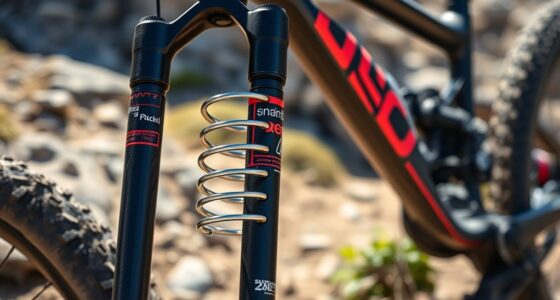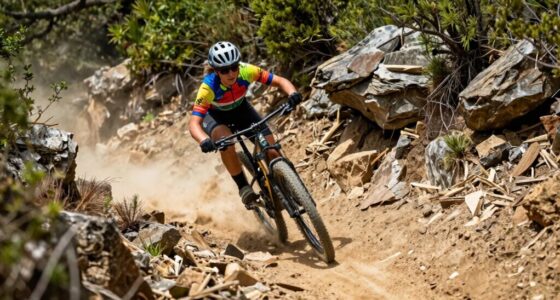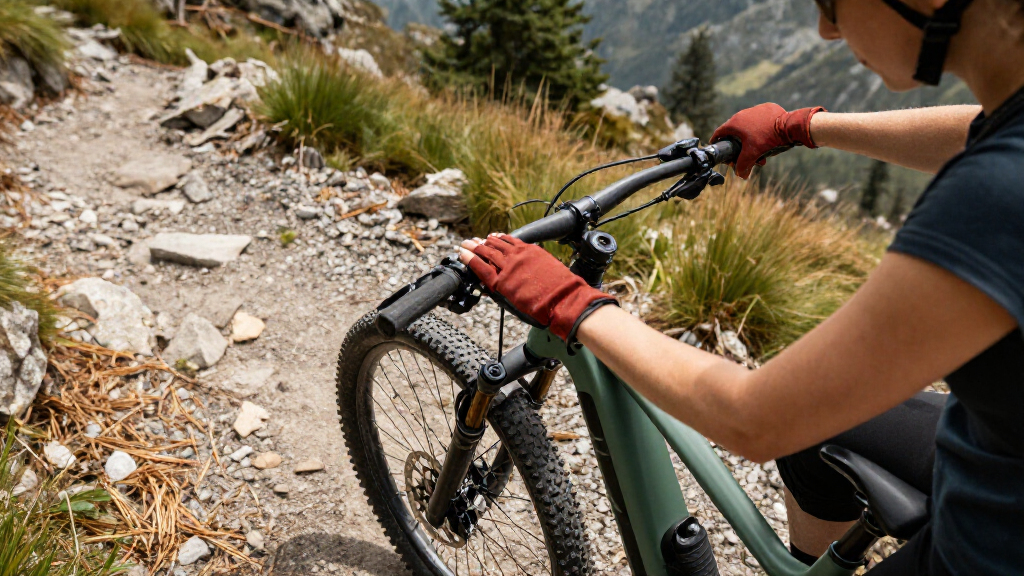
When comparing electric mountain bikes, the central choice is often a hardtail versus a full-suspension model. Both use a motor to assist pedaling, but their rear ends behave differently: a hardtail has no rear suspension, while a full-suspension bike uses a rear shock to absorb impacts. That difference affects price, comfort, handling, maintenance, and which trails feel manageable.

Get sports gear delivered free with Prime
- Fast, free delivery on millions of items
- Prime Video, Amazon Music and more included
- Member-only deals all year

Funhang Electric Bike for Adults, 1000W Peak Ebike
- ✔ Motor: 500W rated, 1000W peak
- ✔ Battery: 48V, 374.4Wh, removable and lockable
- ✔ Stated range: 25–30 miles electric; 40–50 miles pedal assist

TST Electric Bike for Adults, 48V 15/25 Ah Battery
- ✔ Motor: 750W rated; peak output listed as 1500W in description
- ✔ Battery: 48V, 15Ah or 25Ah removable
- ✔ Stated range: Up to 60 miles PAS with 15Ah; up to 100 miles advertised with 25Ah

Tronbiye Electric Bike 26-inch 1500W Peak Motor
- ✔ Motor: 1500W peak; 95Nm torque stated
- ✔ Battery: 15Ah stated; energy field lists 36Wh
- ✔ Stated range: Up to 80 miles pedal assist, claim requires clarification
A hardtail is the stronger fit for smoother paths, moderate trails, and riders who want a capable e-MTB without paying for suspension they may rarely use. Full suspension makes more sense for rocky descents, repeated rough impacts, and riders who prioritize traction and comfort. For most riders who regularly tackle demanding singletrack, the added cost can pay off; for casual trail use, a hardtail is often the better value.
At a Glance
| Criteria | Hardtail electric mountain bike | Full-suspension electric mountain bike | Winner |
|---|---|---|---|
| Purchase cost | Usually lower; fewer suspension components | Usually higher due to the rear shock and frame design | A |
| Rough-trail comfort | More impact reaches the rider through the rear wheel | Rear suspension softens repeated impacts | B |
| Control and traction | Adequate on moderate terrain, but the rear wheel can skip over bumps | Better rear-wheel contact on rough, technical trails | B |
| Climbing efficiency | Firm rear end can feel efficient on smoother climbs | Can bob under power, though setup and suspension design matter | A |
| Maintenance | Generally simpler, with fewer suspension parts to service | More components and suspension service to maintain | A |
| Best terrain | Gravel, forest roads, and moderate trails | Rocky, root-filled, steep, and technical trails | Depends |
Funhang Electric Bike for Adults, 1000W Peak Ebike
The Funhang EB-M1 earns the top spot because its specifications make the clearest case for a versatile ride. Its 26-inch wheels, front shock absorber, seven-speed drivetrain, and 48V removable battery give it a familiar format for riders splitting time between neighborhood routes and moderate unpaved paths. The listed 500W motor with 1000W peak output is less imposing than the Tronbiye’s 1500W peak claim, but that does not automatically make the Tronbiye a better mountain-bike choice: motor output alone says little about trail handling or how the bike sustains power.Battery information is relatively specific. Funhang lists 374.4Wh and estimates 25–30 miles in full-electric mode or 40–50 miles with pedal assist, while acknowledging that conditions and rider weight affect range. The removable, lockable battery can simplify indoor charging. Fenders and an electric horn also make this more practical for mixed commuting than the TST fat-tire model, which emphasizes broad tires and dual suspension. Five assist modes, including a booster mode for walking the bike, add useful flexibility.There are limits to the trail credentials. The suspension is front-only, and the description does not provide suspension travel, tire width, geometry, or a detailed brake specification beyond dual disc brakes. Riders tackling rough or technical descents may want more evidence and more capable components before committing. Still, for a buyer who wants one bike for moderate paths, gravelly routes, and daily trips, the Funhang offers the best-supported balance in this group.
Pros:
- Removable, lockable 48V battery with stated 374.4Wh capacity
- Front suspension, 26-inch wheels, and seven-speed gearing suit mixed surfaces
- Fenders, lights, horn, and five riding modes support everyday versatility
- UL 2849 certification is stated for the complete bike
Cons:
- Front suspension only, with no listed travel or trail geometry
- Claimed 40–50-mile pedal-assist range varies with conditions
- 500W rated output is lower than the TST and Tronbiye peak figures
Best for: Riders seeking a versatile 26-inch e-bike for commuting, recreational paths, and moderate unpaved trails, especially if a removable battery and practical accessories matter.
Not ideal for: Riders who regularly take on technical mountain trails, need rear suspension, or want independently verified range and detailed component specifications.
Bottom line: We recommend the Funhang as the most balanced option here for mixed riding, provided your trails are moderate rather than technical.
“We recommend the Funhang as the most balanced option here for mixed riding, provided your trails are moderate rather than technical.”
TST Electric Bike for Adults, 48V 15/25 Ah Battery
For riders who put traction and cushioning ahead of a conventional 26-inch feel, the TST is the distinctive option in this lineup. Its 20-by-4-inch tires are substantially wider than the Funhang’s listed wheel format, and the TST adds front and rear suspension. That combination is intended to smooth bumps and provide a broad contact patch on surfaces such as sand or rough paths. It may feel more reassuring over uneven ground, though wide tires and a 66-pound listed weight can make the bike less nimble and harder to carry than the lighter-feeling format buyers may expect from a traditional trail bike.The TST lists a 750W rated motor and 1500W peak output, plus a 48V removable battery in 15Ah or 25Ah configurations. The description gives up to 60 miles in pedal-assist mode for the 15Ah battery and advertises a 100-mile range for the larger version, so buyers should confirm which configuration is actually being considered. It also estimates up to 40 miles in throttle mode. Those figures are not directly comparable with the Funhang’s estimates because the battery sizes and riding conditions differ.Seven speeds, an LCD, and three working modes cover the basics, while the stated 450-pound maximum load exceeds the figures listed for the other two models. On the other hand, the supplied brake details are inconsistent: the description says mechanical disc brakes, while the specification field says linear pull. We would resolve that before purchase and inspect and adjust the brakes before riding, as the manufacturer advises. Compared with the Funhang, the TST favors comfort and surface grip over everyday practicality; compared with the Tronbiye, its battery options are more clearly described.
Pros:
- 20-by-4-inch tires and dual suspension target comfort on rough or loose surfaces
- Removable 48V battery offered in 15Ah and 25Ah configurations
- Manufacturer gives separate range estimates for throttle and pedal assist
- Stated 450-pound maximum load is the highest in this comparison
Cons:
- At 66 pounds, it may be difficult to lift, carry, or maneuver in tight spaces
- Brake type is inconsistent between the product description and spec field
- Confirm battery configuration because the stated range varies substantially
Best for: Riders who prioritize wide tires, dual suspension, and a high stated load limit for recreational riding over sand, bumpy paths, or mixed terrain.
Not ideal for: Riders who need a light bike to carry or store, prefer a conventional 26-inch wheel format, or require unambiguous brake specifications.
Bottom line: Choose the TST if wide tires and dual suspension matter most, after confirming the battery configuration and brake details.
“Choose the TST if wide tires and dual suspension matter most, after confirming the battery configuration and brake details.”
Tronbiye Electric Bike 26-inch 1500W Peak Motor
The Tronbiye DM200 is the power-forward pick on paper. Its listing claims a 1500W peak motor, 95Nm of torque, and speeds up to 20 mph, paired with 26-inch wheels and seven gears. For riders comparing headline motor figures, that peak output exceeds the Funhang’s 1000W claim and matches the TST’s listed peak figure. But peak wattage does not tell us how the bike behaves on a climb, and the Tronbiye listing leaves an important question about its battery unresolved.The product page describes a 15Ah battery and up to 80 miles with pedal assist, yet the specifications list lithium battery energy as just 36 watt-hours. That does not reconcile with the stated battery capacity, so we would not use the 80-mile claim to plan a ride until the seller clarifies the actual battery specification. The TST’s range varies by its clearly named battery configuration, and the Funhang gives a specific 374.4Wh figure; those details make both easier to assess.The Tronbiye has some practical strengths: an adjustable seat, front suspension, an app for ride data and settings, and a stated 330-pound load limit. Its listing also says it passed SGS ANSI/CAN/UL 2849 safety certification. However, its description calls the suspension front-only while a spec field says dual suspension, another mismatch buyers should clarify. At roughly 55 pounds, it is lighter than the TST but still substantial to carry. We place it third because the attractive power claim is offset by these specification inconsistencies, not because peak output has no value.
Pros:
- Stated 1500W peak motor and 95Nm torque
- 26-inch wheels, seven-speed drivetrain, and adjustable seat
- App controls and ride data are listed
- SGS ANSI/CAN/UL 2849 certification is stated
Cons:
- Battery energy listing of 36Wh conflicts with the stated 15Ah battery and 80-mile range
- Suspension is described as front-only in one place and dual in another
- No detailed suspension travel, tire width, or trail geometry is provided
Best for: Buyers drawn to a 26-inch format and a high stated peak motor output who are willing to verify battery capacity and suspension details before relying on the listing.
Not ideal for: Riders who need dependable range planning, clear suspension specifications, or a bike with thoroughly documented trail components.
Bottom line: The Tronbiye is worth considering for its stated peak output, but we would verify its battery and suspension specifications before choosing it over the clearer Funhang or TST.
“The Tronbiye is worth considering for its stated peak output, but we would verify its battery and suspension specifications before choosing it over the clearer Funhang or TST.”
As an Amazon Associate we earn from qualifying purchases.
Key Differences
The clearest difference is how each bike handles impacts at the rear wheel. A hardtail keeps the frame simpler and the purchase price lower, but rough ground can feel harsher and may unsettle the rear tire. Full suspension adds comfort and helps the rear tire stay in contact with uneven ground. On a technical descent, that can mean more control and less fatigue; on a smooth path, the advantage may be hard to justify.
Motor assistance does not erase the suspension tradeoff. Both types can help riders climb, but full-suspension bikes tend to cost more and require care for the shock and linkage. A hardtail is usually the sensible choice when terrain is moderate and budget matters. A full-suspension bike earns its premium when rough trails are a regular part of the ride, because its comfort and traction advantages matter most there.
Detailed Comparison
Purchase cost (Hardtail electric mountain bike wins — major)
Winner: A, with a major gap for budget-focused buyers. Hardtails generally cost less because their frames lack a rear suspension system. That can leave more of the budget for a suitable motor, battery, brakes, or tires. Full-suspension e-MTBs add a rear shock and more complex frame design, so the premium is most worthwhile when the rider will use the extra suspension on challenging terrain.
Rough-trail comfort (Full-suspension electric mountain bike wins — major)
Winner: B, with a major gap on rough ground. Rear suspension absorbs impacts that a hardtail passes more directly to the rider. On long stretches of roots and rocks, this can reduce fatigue and make the ride feel more composed. The difference is minor on smooth paths, where rear suspension has fewer impacts to manage.
Control and traction (Full-suspension electric mountain bike wins — moderate)
Winner: B, with a moderate to major gap as trails get rougher. A rear wheel that follows uneven ground can maintain better contact, which helps with grip and control on technical descents. A hardtail remains predictable on moderate trails, but its rear wheel may bounce over larger obstacles. Riders who often descend steep or rocky routes are more likely to feel the difference.
Climbing efficiency (minor difference)
Winner: A on smoother climbs; the gap is minor and depends on setup. A hardtail’s firm rear end can feel direct when pedaling on smooth climbs. Full suspension may move under pedaling, though suspension design and setup affect how much. On rough climbs, the full-suspension bike’s traction can help the rear wheel stay planted, so the hardtail does not win every ascent.
Maintenance (Hardtail electric mountain bike wins — moderate)
Winner: A, with a moderate gap. A hardtail has fewer suspension parts to inspect and service. Full-suspension models add a rear shock and frame pivots that need maintenance, which brings additional work and potential service costs. Both bikes still need routine attention to brakes, tires, drivetrain, battery, and motor components.
Terrain fit (major difference)
Winner: Depends; the difference is major when the trails are specialized. A hardtail suits gravel, forest roads, and moderate trails where low cost and straightforward handling matter. Full suspension is the better match for frequent rocky descents, roots, and technical singletrack. If a rider splits time between both, the deciding question is how much of the regular riding is genuinely rough.
Hardtail electric mountain bike: Pros and Cons
Pros:
- Usually costs less than a comparable full-suspension e-MTB
- Simpler rear end with fewer suspension parts to service
- Firm feel can suit smooth climbs and moderate trails
Cons:
- Less comfortable over repeated rear-wheel impacts
- Can lose traction or feel unsettled on rough descents
- Less suited to riders who regularly tackle technical terrain
Full-suspension electric mountain bike: Pros and Cons
Pros:
- More comfortable over rocky and root-filled trails
- Improved rear-wheel contact can support control and traction
- Better suited to repeated rough descents and technical routes
Cons:
- Higher purchase cost
- Rear shock and linkage add maintenance needs
- Suspension can move while pedaling, depending on design and setup
Who Should Choose What
Choose Hardtail electric mountain bike if:
- You mostly ride gravel, forest roads, or moderate trails.
- You want to keep the purchase cost down and value simpler suspension upkeep.
- You prefer a firm, direct feel on smoother routes.
Choose Full-suspension electric mountain bike if:
- You regularly ride rocky, root-filled, steep, or technical singletrack.
- Comfort and control on descents matter more to you than the lower purchase price.
- You expect to benefit often from rear suspension rather than using it only on occasional rough sections.
Skip both if: Your rides are almost entirely paved roads or casual paths; a standard electric hybrid or city bike may better fit that use.
Value for Money
A hardtail is usually the better value when riding stays on moderate terrain: it costs less, has fewer suspension components, and still offers motor assistance for climbs. Paying more for full suspension makes sense for riders who regularly face rough trails, where added comfort and rear-wheel traction can improve control and reduce fatigue. If those conditions are occasional, the premium may deliver limited benefit. Compare complete bikes at the same price carefully, since motor, battery, brakes, and component quality also affect value.
Final Verdict
Choose a hardtail electric mountain bike for moderate trails, smoother climbs, and a tighter budget. It is the better value for riders who do not need rear suspension on most outings. Choose a full-suspension e-MTB if technical, rocky trails are a regular part of your riding; the extra comfort and control justify the higher cost for that use. The deciding factor is how often your rear wheel meets rough terrain: buy full suspension for frequent rough riding, and save the money with a hardtail if your routes are mostly smooth or moderate.
Frequently Asked Questions
Is a full-suspension electric mountain bike worth the extra cost?
It is worth paying more if you regularly ride rough, technical trails and will benefit from the added comfort and rear-wheel traction. For moderate trails and smoother routes, a hardtail is usually better value.
Can a hardtail electric mountain bike handle rocky trails?
It can handle some rocky sections, but the rear wheel and rider feel more of the impacts. Frequent rough descents are more comfortable and controlled on a full-suspension model.
Which type is better for climbing?
A hardtail can feel more direct on smooth climbs. On rough climbs, full suspension may keep the rear wheel in better contact with the ground. Motor power, tires, suspension setup, and trail conditions all affect the result.
Does a full-suspension e-MTB need more maintenance?
Yes. Its rear shock and suspension pivots add parts that need inspection and service. Both types still need routine care for the motor, battery, brakes, tires, and drivetrain.