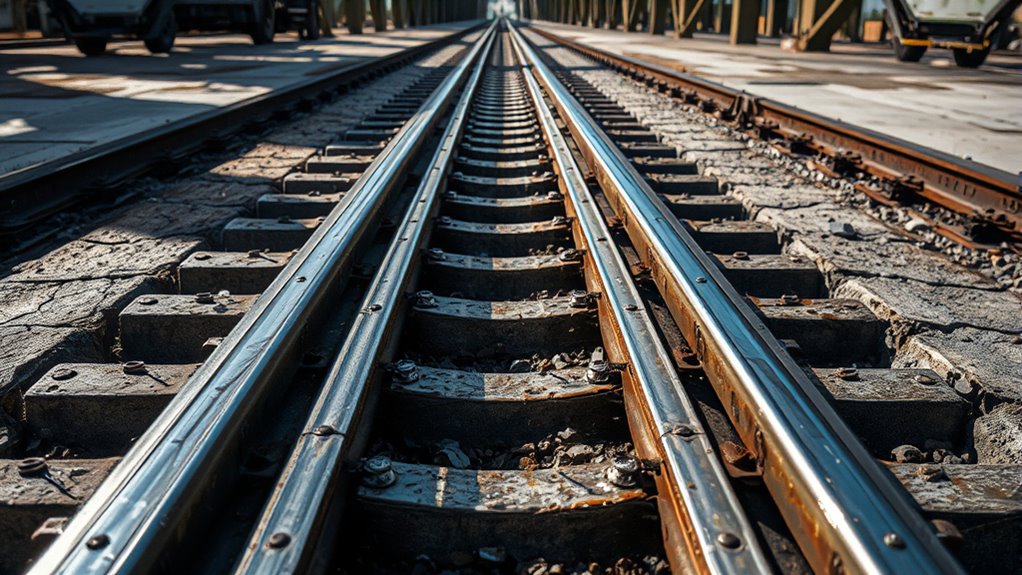

To safely navigate tracks, grates, and hazards, stay alert and actively look for warning signs, signals, and obstructions. Watch for open grates, uneven surfaces, and debris that can cause slips or falls. Respect crossing signals and barriers, never ignore flashing lights or lowered gates. Keep your distance from rails and only cross at designated areas. Continuously monitor your environment and be prepared to respond quickly. Keep these principles in mind, and you’ll find it easier to move safely through complex environments.

Get sports gear delivered free — and shop member deals
- Fast, free delivery on millions of items
- Access to Prime Big Deal Days deals on October 6–7
- Prime Video, Amazon Music and more included
Key Takeaways
- Always identify and assess hazards like open grates, uneven surfaces, or debris before crossing or walking near tracks.
- Observe warning signals, barriers, and lights at crossings; never ignore or bypass safety devices.
- Stay alert and avoid distractions such as phones or headphones when near tracks or hazardous areas.
- Cross only at designated crossings or safe paths, maintaining a safe distance from rails and potential hazards.
- Continuously monitor your environment for unseen dangers like slick surfaces or sudden train movements.
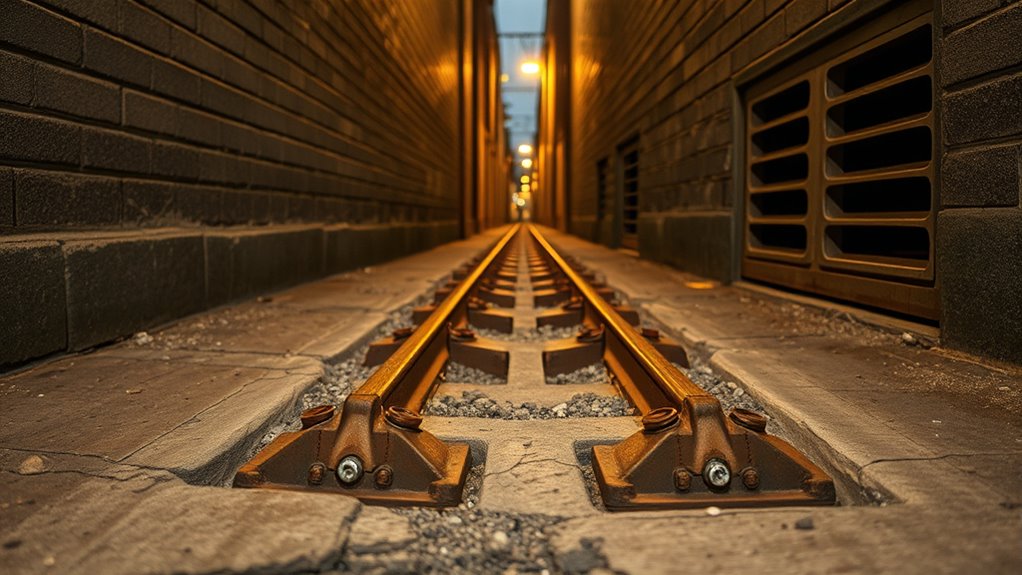
Have you ever wondered how to stay safe when facing unexpected obstacles? Moving through areas with tracks, grates, and other potential hazards requires constant awareness and quick thinking. Rail safety is vital because trains move fast, and their tracks can be deceptively dangerous. Your first priority should be hazard identification—spotting risks before they become accidents. When you approach a railway track, look carefully for warning signs, signals, and any visible obstructions. Keep an eye out for open grates, uneven surfaces, or debris that could cause you to trip or slip. Recognizing hazards early gives you the opportunity to plan your next move safely, whether that’s waiting for a train to pass or choosing an alternative route.
Understanding how to identify hazards isn’t just about spotting visible dangers; it’s also about reading the environment. Rail safety involves respecting the signals and barriers that protect crossings. Never ignore warning lights or lowered gates—they’re there to prevent accidents. When you see flashing lights or hear a warning horn, stop and wait until it’s safe to proceed. Sometimes, hazards aren’t immediately obvious, like loose gravel or slick surfaces caused by rain or spilled substances. You need to approach each area with caution and assume that unseen dangers could be lurking. Additionally, familiarizing yourself with the different types of hazards, such as hazard identification, can help you respond more effectively in critical moments.
Always respect signals and barriers; unseen hazards like spills or loose gravel can be dangerous.
Proper hazard identification also means paying attention to your surroundings continuously. If you’re walking near tracks, avoid distractions like your phone or headphones. Stay alert for any movement or noise that signals an approaching train. Remember, trains are quieter than you might expect and can appear suddenly, especially around curves or in areas with poor visibility. Staying vigilant helps you make quick, safe decisions and minimizes the risk of accidents.
In addition to personal awareness, understanding the importance of rail safety extends to respecting the environment around tracks. Keep a safe distance from the rails and never attempt to cross at unauthorized spots. Grates and uneven surfaces can be tricky—they often look harmless but can be dangerous if you step on them without caution. Walking along designated crossings or paths ensures you’re in a safe zone and reduces the chances of slipping or falling.
Ultimately, the key to moving through hazards successfully is proactive hazard identification combined with a thorough understanding of rail safety principles. It’s about being alert, respecting signals, and recognizing risks before they escalate. When you stay vigilant and cautious, you protect not just yourself but also others around you. By consistently practicing these safety measures, you can move through complex environments confidently and avoid unnecessary accidents.
railroad crossing warning lights and signals
As an affiliate, we earn on qualifying purchases.
As an affiliate, we earn on qualifying purchases.
Frequently Asked Questions
How Can I Identify Hidden Track Hazards in Unfamiliar Areas?
You can identify hidden track hazards in unfamiliar areas by performing a thorough visual inspection and paying attention to environmental cues. Look for unusual surface textures, irregular patterns, or changes in material that might indicate a grate or track. Listen for sounds of moving trains or machinery. Also, observe signage or markers that warn of hazards. Staying alert and cautious helps you spot potential dangers before they become a problem.
Are There Specific Safety Gear Recommendations for Navigating Grates?
Moving through grates is like walking a tightrope—you need the right gear. Wear protective footwear with sturdy soles to prevent slips and protect your feet. Consider visibility accessories like reflective vests or clip-on lights to stay seen in low-light conditions. These items help you move safely across grates, reducing the risk of accidents. Always stay alert and choose gear that offers both comfort and safety for better navigation.
What Are the Legal Considerations When Avoiding or Repairing Hazards?
When avoiding or repairing hazards, you need to consider legal compliance and liability waivers. You should ensure your safety measures meet local regulations to avoid legal issues. Always obtain liability waivers from anyone involved in repairs or hazard navigation to limit your liability. Document safety procedures and repairs carefully, demonstrating your commitment to legal standards. Staying informed about relevant laws helps you avoid penalties and protect yourself legally.
How Often Should Infrastructure Be Inspected for Potential Track or Grate Issues?
You should inspect infrastructure regularly, ideally following your established inspection schedules and maintenance protocols. Conduct visual inspections at least monthly, and perform more thorough checks quarterly or after severe weather events. Stay vigilant for signs of wear, corrosion, or damage that could compromise safety. Regular inspections help identify issues early, allowing you to address hazards promptly and guarantee safe navigation for all users.
Can Technology Assist in Real-Time Hazard Detection During Navigation?
Technology acts as your vigilant guardian, weaving sensor integration and predictive analytics into your navigation. It detects hazards in real time, like a watchful eye scanning an ever-changing landscape. These tools alert you to potential dangers before they become imminent threats, enabling swift action. With this digital shield, you navigate with confidence, turning uncertain terrain into a well-illuminated path where hazards are anticipated and avoided seamlessly.
Conclusion
As you move forward, remember the tracks beneath your feet and the grates that whisper dangers. Stay alert, eyes scanning the path ahead like a keen traveler spotting landmarks. Every shadow and rustle could hide a hazard, but with steady focus, you’ll navigate through the maze of obstacles. Trust your instincts, keep your footing sure, and let your awareness be the guiding light that keeps you safe amid the busy, unpredictable terrain.
NFL season / tailgating Picks
team gear
As an affiliate, we earn on qualifying purchases.