To avoid airline damage, make sure you disassemble your bike properly, removing loose parts and securing everything with padding and straps. Avoid rushing the process, which can lead to insufficient protection, and never rely on loose padding or poorly secured components. Choose a durable case that fits your bike snugly, and double-check airline policies to stay compliant. Keep your bike well-documented and follow these packing tips closely to guarantee safe travel and minimize costly repairs down the line.
Key Takeaways
- Failing to disassemble and securely pack all loose parts increases the risk of damage from impacts.
- Insufficient padding or improper securing allows internal shifting, causing scratches or bent components.
- Using an ill-fitting or weak case reduces impact absorption and protection during airline handling.
- Not protecting handlebars and fragile areas leads to bending, scratches, or costly repairs.
- Rushing packing without checking all securement and case specifications can result in preventable damage.
Why Proper Packing Protects Your Bike During Airline Travel
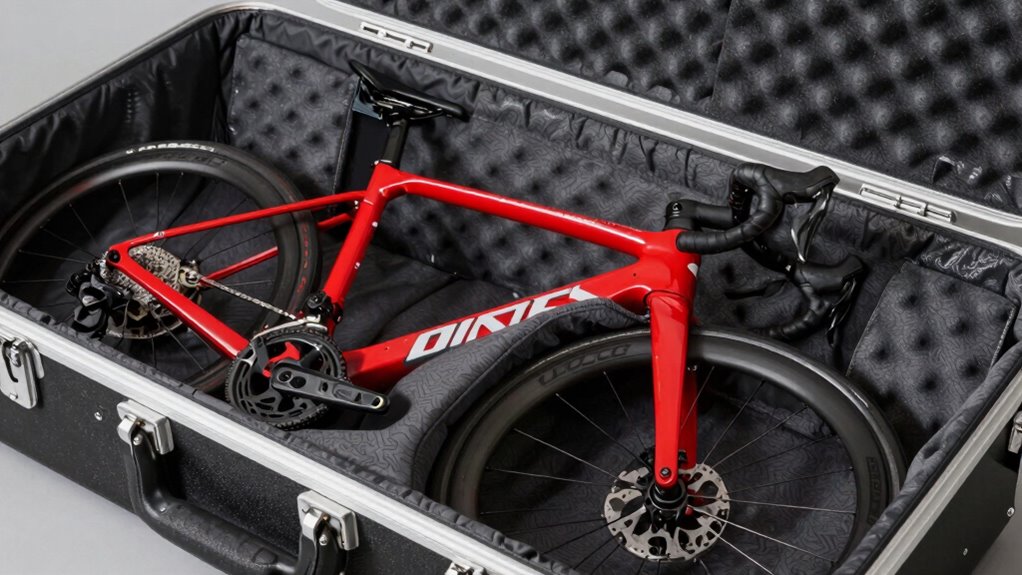
Proper packing is essential because airline travel can expose your bike to rough handling, sudden impacts, and other hazards. Well-packed bikes are less likely to suffer damage during transit, saving you costly repairs and frustration. Before packing, perform bike maintenance by tightening bolts, checking for loose parts, and securing moving components. This preventative maintenance minimizes the risk of breakage. Additionally, consider travel insurance to cover potential damage or loss, giving you peace of mind during your trip. Using a sturdy bike travel case ensures your bike remains protected from external forces and mishandling. Incorporating shock absorption features in your case further reduces the risk of damage during rough handling. Proper packing, combined with regular bike maintenance and appropriate insurance, helps safeguard your investment and guarantees a smoother travel experience. Ensuring your case has proper padding and secure straps is also crucial to prevent shifting during transit. It’s also beneficial to choose a case with durable construction to withstand the rigors of airline handling. Don’t overlook these essentials to keep your bike in top condition through airline journeys.
Common Packing Mistakes That Can Damage Your Bike in Transit

Many packing mistakes can lead to bike damage during transit. For example, using improper padding or not securing the bike correctly can cause dents or frame damage. Additionally, neglecting to protect the handlebars or position the bike properly increases the risk of costly repairs. Ensuring your bike is properly supported and protected can prevent damage, much like choosing reliable backup power ensures safety during outages. Sizing and load‑planning tools can help you determine the best way to pack your bike securely. Properly disassembling parts and understanding weight distribution are crucial steps to avoid packing errors that may compromise the bike’s integrity. Being aware of Free Floating concepts in packing can help prevent unintended shifts that cause damage, which emphasizes the importance of dynamic support in transit packing strategies. Incorporating proper packing techniques can further safeguard your bike from common transit hazards.
Improper Padding Techniques
If you fail to use adequate padding when packing your bike, you risk exposing it to unnecessary impacts and scratches during transit. Proper padding around your bike frame helps absorb shocks and prevents damage from rough handling. Make certain the frame is snugly protected with foam or bubble wrap, avoiding loose areas that can shift. Handlebar protection is essential; use padding or a handlebar cover to prevent the handlebars from bending or scratching the frame and other parts. Avoid leaving gaps without padding, as this can lead to direct contact with the case or other objects. Focus on securing all vulnerable areas to minimize movement. Using the right padding techniques keeps your bike safe from the jolts and knocks it might encounter during airline handling. Incorporating Effective padding is a key element in preventing damage and ensuring your bike arrives home in perfect condition. Understanding your bike travel case can help you select the most suitable padding methods for your specific setup. Additionally, employing proper packing techniques ensures that your bike is protected from rough handling and other transit hazards.
Incorrect Bike Positioning
Incorrect bike positioning inside your case is a common mistake that can cause significant damage during transit. If the bike frame isn’t secured properly, it can shift and get bent or cracked under pressure. Make sure the frame is centered and stable, avoiding any contact with the case walls. Improper handlebar positioning, such as leaving the handlebars turned sharply or not securing them, can lead to bending or breaking. Always align the handlebars parallel to the frame or fold them securely, ensuring they stay in place throughout transport. Failing to position the bike correctly increases the risk of internal movement, which can cause scratches, dents, or structural damage. Taking the time to properly secure all components is essential for safe, damage-free travel. Using appropriate padding and protective materials can further prevent damage during handling. Ensuring the case is correctly packed can help maintain the integrity of your bike, reducing the likelihood of costly repairs. Additionally, consulting specific bike travel case guidelines can help you avoid common pitfalls and protect your investment.
Neglecting Handlebar Protection
Neglecting to protect your handlebars during packing can lead to costly damage. Without proper handlebar protection, the handlebars may shift or become bent inside the case, especially if case padding isn’t sufficient. Use adequate case padding around your handlebars to prevent movement and absorb shocks during transit. Secure the handlebars with straps or foam inserts to keep them stable. Failing to do so increases the risk of scratches, dents, or bent components, which can be expensive to repair. Remember, a well-padded and secure handlebar area minimizes the chances of damage caused by sudden impacts or rough handling. Ensuring proper bike case padding and secure fastening are essential to safeguarding your bike during travel. Additionally, consider the impact absorption qualities of your padding to better protect delicate components. Proper handlebar protection is a simple step that can save you from costly repairs and ensure your bike arrives in perfect condition.
How to Choose the Best Size and Type of Bike Travel Case

Choosing the right size and type of bike travel case depends on your specific needs and how you’ll use it. Consider bike case durability to guarantee it withstands rough handling and protects your bike during transit. A sturdy, well-built case minimizes damage risks and lasts through multiple trips. Travel case ergonomics is also essential; look for features like comfortable handles, balanced weight distribution, and easy maneuverability. The best size fits your bike without excess space, reducing movement inside that could cause damage. If you have a compact bike, a smaller, lightweight case may suffice, while larger bikes require more robust options. Matching the case type—hard shell or soft-sided—to your travel style ensures maximum protection and convenience. Always prioritize durability and ergonomics to keep your bike safe and travel stress-free. Additionally, selecting an appropriate case that aligns with your transportation method can further prevent damage during transit. Being aware of damage prevention techniques can help you choose a case that offers optimal protection for your specific travel scenarios. Properly packing your bike and securing all components can also significantly reduce the risk of damage during transit.
How to Disassemble and Prepare Your Bike for Packing

Before packing your bike into a travel case, you’ll need to disassemble it to prevent damage and make transportation easier. Start by removing the wheels and applying tire deflation techniques to reduce tire pressure, preventing burst or damage during transit. Next, carefully detach the pedals and handlebar, and consider partially disassembling the bike frame assembly if necessary. Protect the frame by wrapping it with foam or padding to minimize scratches. Guarantee all loose parts are stored securely to avoid shifting inside the case. Double-check that the bike is fully disassembled according to your case’s specifications. Proper bike disassembly techniques ensure your bike remains safe during transit and simplifies reassembly upon arrival, reducing the risk of airline damage. Additionally, tool storage solutions can help organize and secure all components effectively for travel. Using secure packing methods can further prevent movement and potential damage during handling.
Padding and Securing Your Bike Inside the Case
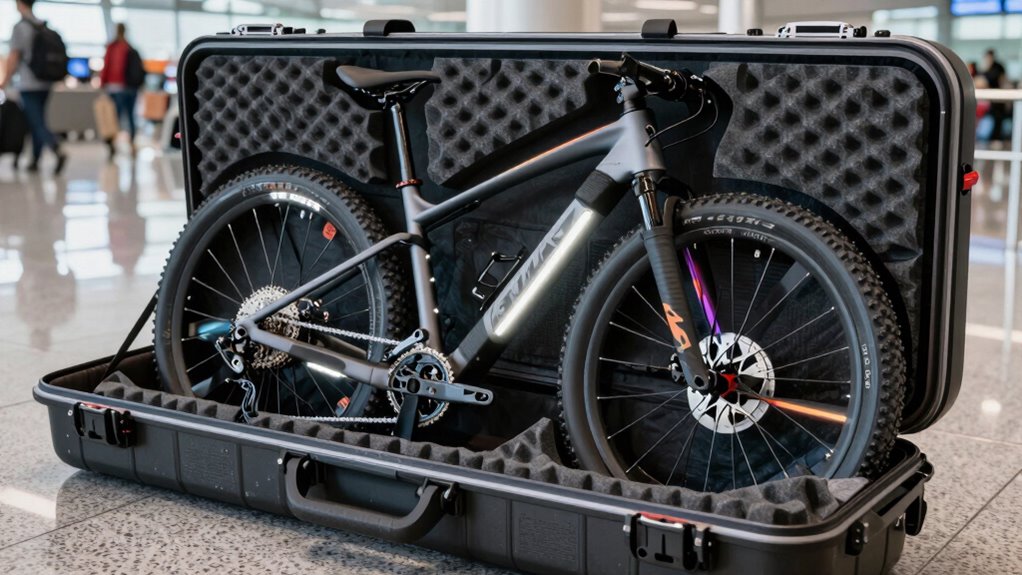
To keep your bike safe during transport, you’ll want to secure the frame with proper padding. Using bubble wrap effectively can prevent scratches and impact damage. Make sure every part is snugly protected before closing the case.
Secure Frame With Padding
Securing your bike’s frame with padding is essential to prevent damage during transit. Proper frame protection guarantees the frame doesn’t shift or come into contact with other parts of the case, which could cause dents or cracks. Use high-quality padding materials like foam, bike-specific sleeves, or custom-cut foam inserts to cushion the frame firmly. Wrap the frame thoroughly, covering all vulnerable areas, especially around joints and delicate tubing. Tighten straps or tie-downs around the padding to keep the frame stable inside the case. Avoid loose padding that can shift during transport. By securing the frame with adequate padding, you minimize the risk of costly damage, ensuring your bike arrives in perfect condition and reducing the likelihood of airline damage caused by inadequate protection.
Use Bubble Wrap Effectively
Using bubble wrap effectively enhances the protection you provide inside your bike case. Proper bubble wrap techniques create effective cushioning that absorbs shocks and prevents damage during transit. Wrap each bike component, like the frame, wheels, and handlebars, separately, ensuring no part touches the case directly. Use layers of bubble wrap for added protection, especially around fragile areas. Secure the wrapped parts with tape to prevent shifting. Here’s a simple guide:
| Area | Bubble Wrap Technique |
|---|---|
| Frame | Wrap thoroughly, covering all angles |
| Wheels | Pad tires and rims individually |
| Handlebar/Seat | Cushion tightly, immobilize |
This careful padding reduces movement, minimizing impact from rough handling. Effective cushioning is key to avoiding airline damage.
Packing Mistakes to Avoid When Shipping Your Bike
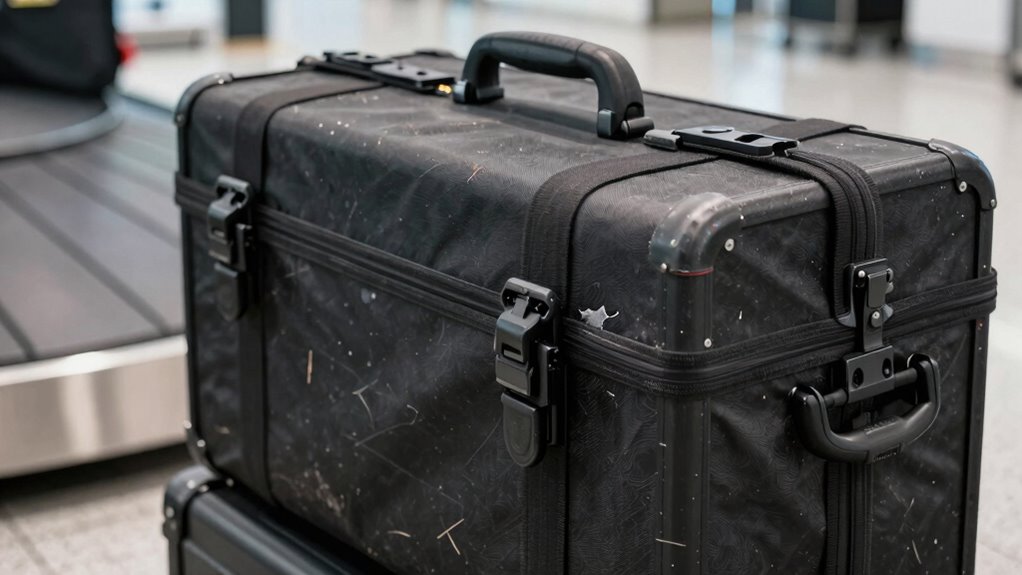
Shipping your bike without proper preparation can lead to costly damage or delays. Before packing, ensure your bike is well-maintained—tighten bolts, check for loose parts, and lubricate the chain. This reduces the risk of damage during transit. Additionally, consider investing in travel insurance that covers damages or loss, giving you peace of mind. Avoid rushing the packing process by not disassembling essential parts or skipping padding, which can cause scratches or bent components. Never forget to remove or secure accessories like water bottles, pumps, or GPS units that could become projectiles or get lost. Properly preparing your bike minimizes airline mishandling. Taking these simple steps not only protects your investment but also streamlines your travel experience, avoiding unnecessary repairs or expenses.
Label and Document Your Bike to Prevent Mishandling
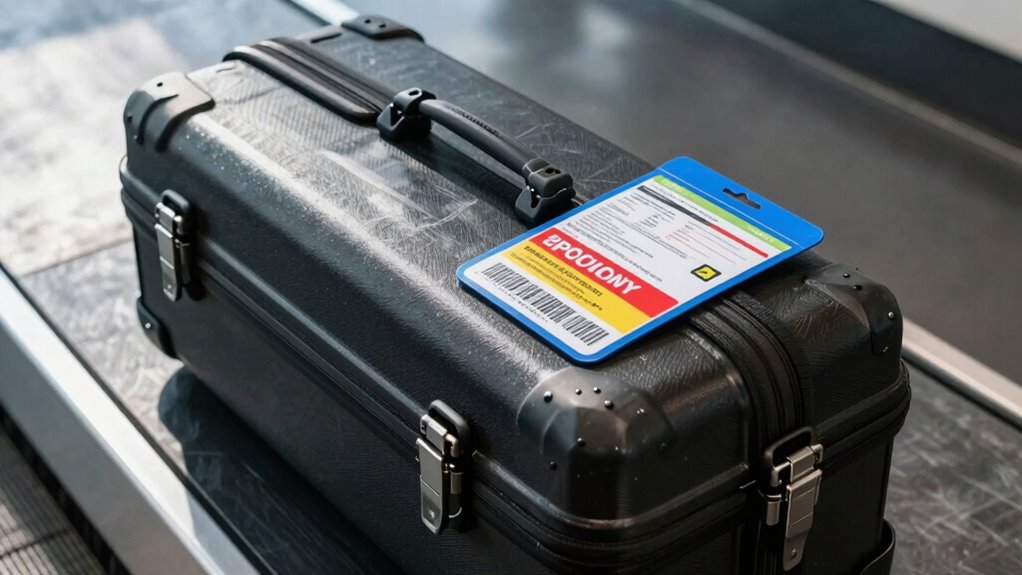
Properly labeling and documenting your bike before shipping helps guarantee it reaches its destination intact and reduces the chances of mishandling. Use clear, durable labels that include your contact info and destination details. Additionally, documenting your bike’s serial number is essential; it helps prove ownership if issues arise. Labeling bikes ensures handlers recognize the bike’s importance, while serial documentation aids in recovery if lost or damaged. Keep a photo record of your bike and its serial number for reference.
| Labeling Bikes | Documenting Serial | Handling Tips |
|---|---|---|
| Use waterproof labels | Record serial number | Secure all straps |
| Attach labels visibly | Take photos of serial | Use protective padding |
| Include contact info | Keep a copy at home | Avoid tight packing |
| Use bright labels | Note bike model | Mark fragile areas |
| Double-check labels | Store serial info safely | Inform airline of special handling |
Check Airline Policies and Prepare Your Bike for Flight
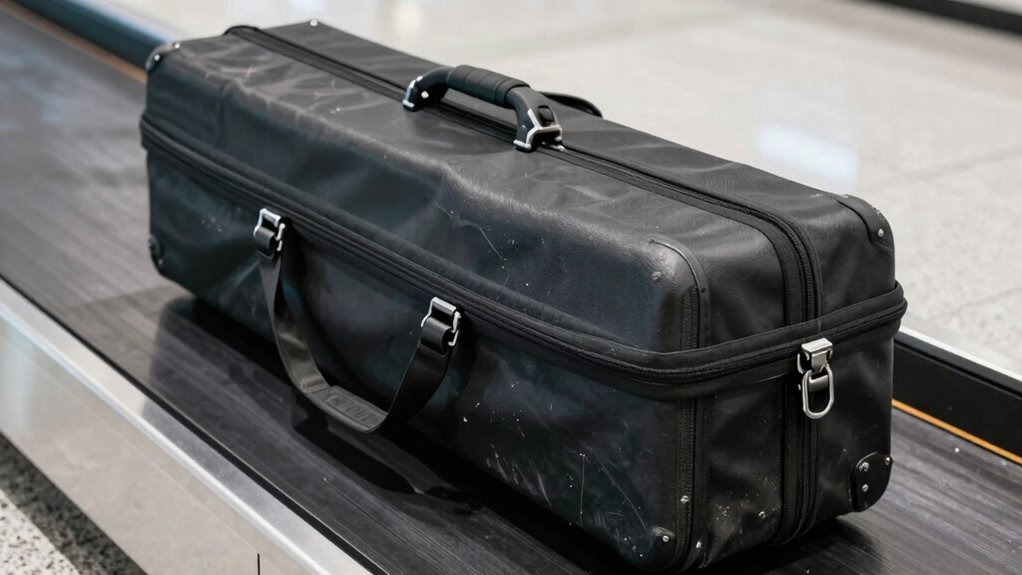
Before packing your bike, it’s essential to review your airline’s policies on sports and special baggage. Different airlines have varying restrictions on bike case durability requirements, size, weight, and fees. Knowing these policies helps you choose the right bike case that meets their standards, reducing the risk of damage or extra charges. Carefully measure your bike and case to ensure they comply with airline baggage policies, and confirm if there are any special packing instructions. Some airlines require additional documentation or specific labeling, so prepare those in advance. Being familiar with these rules allows you to pack confidently, avoiding surprises at check-in. Proper preparation guarantees your bike travels safely and arrives in the same condition you packed it in.
Final Checklist to Ensure Your Bike Is Ready for Safe Travel
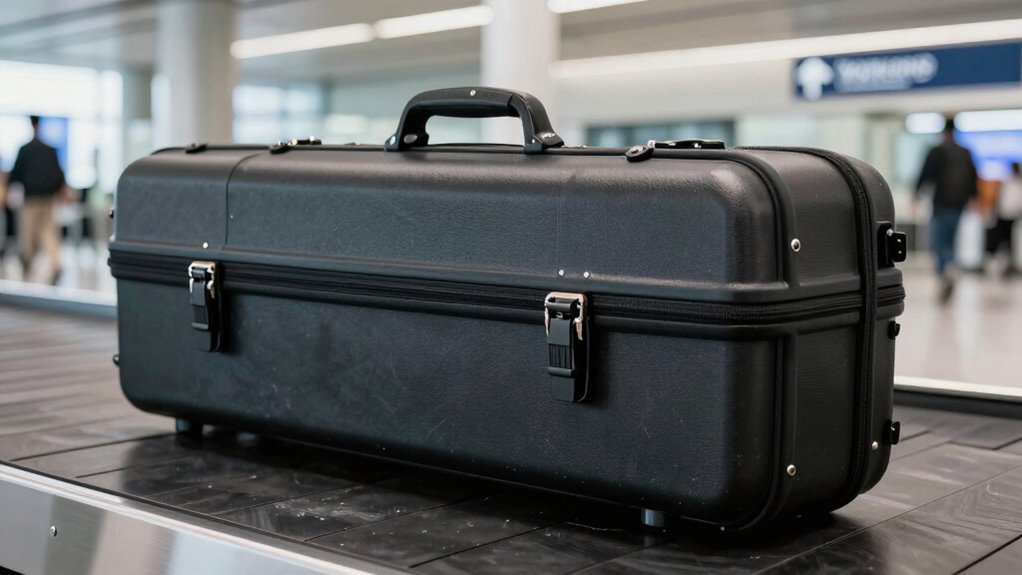
Ensuring your bike is fully prepared for travel requires a thorough final checklist to catch any overlooked details. First, double-check that all bike accessories, like lights, bottles, and tools, are securely packed or removed if prohibited. Confirm the bike frame and components are properly protected with padding or foam to prevent damage. Verify your travel insurance covers bike transport and potential damages. Inspect the bike for loose parts or leaks, and tighten bolts if needed. Make sure your bike is clean and dry to avoid messes or corrosion. Don’t forget to include any essential spare parts or repair kits. Finally, review airline policies one more time to ensure compliance. A careful final check minimizes the risk of damage and keeps your bike safe during transit.
Frequently Asked Questions
How Can I Track My Bike During Transit?
You can track your bike during transit by installing a bike GPS or a small tracking device inside your bike case. These devices use GPS or Bluetooth technology to give real-time location updates, so you always know where your bike is. Make sure to choose a lightweight, durable tracking device compatible with your bike and check that it has a reliable battery life. This way, you stay informed and can quickly locate your bike if needed.
What Insurance Options Are Available for Damaged Bikes?
Imagine your bike taking a beating during transit—don’t let that happen. You can get bike insurance that offers damage coverage, giving you peace of mind. Many options are available, from specialized bike insurance to adding coverage through your travel or homeowner’s policy. Be sure to read the fine print, so you’re fully protected if your bike sustains damage, ensuring you’re covered no matter what the journey throws at you.
Are There Specific Restrictions for International Bike Shipping?
Yes, there are specific restrictions for international bike shipping. You need to comply with customs regulations of both countries, which may limit certain bike types or require special declarations. Make sure you have all shipping documentation, like customs forms and proof of ownership, prepared and accurate. Failing to follow these rules can cause delays or damage to your bike, so double-check requirements before shipping your bike internationally.
How Long in Advance Should I Pack My Bike for Travel?
Oh, surely you want to arrive with your bike in one piece, right? You should pack your bike at least a day or two in advance, giving you time to review your packing checklist and guarantee your case’s durability. Rushing last minute invites disaster—think loose parts or crushed frames. Early packing means you can double-check everything, avoiding those embarrassing airline damage claims and ensuring your precious ride stays pristine.
What Are the Costs Associated With Different Bike Travel Cases?
You’ll find that hard-sided cases generally cost more, often ranging from $300 to over $1,000, due to their material durability and better protection. Soft-sided cases are usually cheaper, around $150 to $500, but may offer less impact resistance. When comparing costs, consider durability and how well the material withstands airline handling. Investing in a durable case might save you money on repairs or replacements later.
Conclusion
Think of your bike as a delicate sculpture—carefully packed, it can withstand the roughest journeys. By avoiding common mistakes and following proper packing steps, you’re crafting a fortress of protection around your ride. When you take the time to prepare and document, you’re not just shipping a bike; you’re sending a treasured masterpiece on a safe voyage. Trust your preparation to steer your bike smoothly through the chaos of travel.