
When choosing between a cargo box and a hitch carrier, consider more than just space. A cargo box adds height, which can affect stability, handling, and fuel efficiency, especially if overloaded. A hitch carrier offers better weight distribution and stability but may impact visibility and maneuverability. Your choice depends on your vehicle’s handling, safety needs, and driving environment. For a deeper understanding of these factors, keep exploring how each option influences your overall experience.
Prime for Young Adults — start your free trial
Fast free delivery, streaming and member deals for eligible 18–24 year olds.
As an affiliate, we earn on qualifying purchases.
Key Takeaways
- Consider vehicle handling and stability impacts, as cargo boxes raise the center of gravity more than hitch carriers.
- Evaluate aerodynamics; cargo boxes increase drag and reduce fuel efficiency more than hitch carriers.
- Safety considerations include cargo box overload risks and potential rear visibility issues with hitch carriers.
- Placement affects vehicle dynamics; roof-mounted boxes influence handling during sharp turns, while hitch carriers are more centered.
- Usage priorities, such as maximum storage versus balanced handling, determine the optimal choice beyond just space availability.
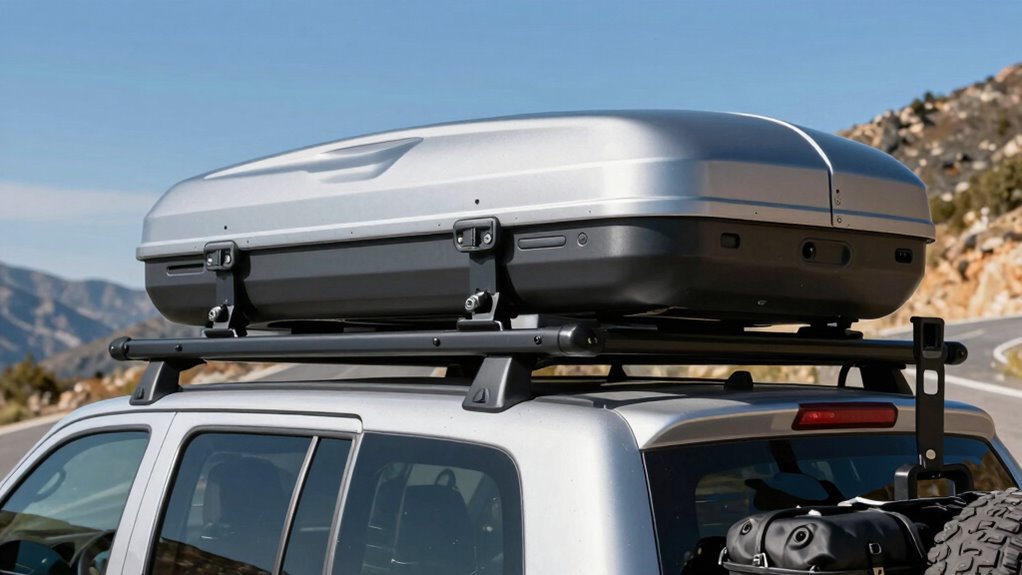
Are you trying to decide between a cargo box and a hitch carrier for your outdoor adventures? Both options can significantly expand your vehicle’s storage capacity, but choosing the right one depends on more than just space. You need to consider how each impacts your vehicle’s weight distribution and aerodynamics considerations, which directly influence safety, fuel efficiency, and overall driving experience.
A cargo box, typically mounted on the roof, offers ample storage without encroaching on your vehicle’s interior space. However, because it’s positioned high above the vehicle, it can affect your vehicle’s center of gravity. This shift in weight distribution may make your vehicle feel less stable, especially during sharp turns or sudden maneuvers. It’s important to evaluate how your vehicle handles with added top weight and whether your roof rack can support the cargo box’s weight. Proper weight distribution is critical to prevent excessive strain on your roof rack and to maintain balance. If you overload, you risk damaging your roof or compromising handling, particularly at highway speeds.
Aerodynamics considerations are just as vital. Cargo boxes tend to create additional drag because they protrude from the roof. This increased aerodynamic resistance can lead to a noticeable drop in fuel efficiency, especially on long trips. The shape and design of the cargo box influence how much air resistance it generates. A streamlined, aerodynamic box reduces drag, but even the best-designed model will still cause some increase in wind resistance. When planning your outdoor adventures, weigh these fuel costs against the convenience of extra storage. Additionally, understanding vehicle aerodynamics can help you make more informed decisions about which storage option best suits your needs. It’s also worth noting that some vehicles are better equipped to handle the added weight and altered aerodynamics, so consulting your vehicle’s specifications can be beneficial.
Hitch carriers, on the other hand, are mounted lower on the rear of your vehicle. They usually provide a more balanced weight distribution because the added weight sits closer to the vehicle’s center. This placement minimizes the impact on handling and stability, making your drive more predictable. However, hitch carriers tend to limit rear visibility and can make parking or reversing more challenging. Also, since they extend backward, they’re more susceptible to impacts from rear traffic or obstacles, which can be a concern in tight spaces. Considering the impact on vehicle handling is crucial when choosing a hitch carrier for your specific driving conditions.
Choosing between a cargo box and hitch carrier ultimately hinges on your specific needs and driving conditions. If you prioritize minimizing aerodynamic drag and maintaining vehicle stability, a hitch carrier might be preferable. Conversely, if maximum storage space without affecting your vehicle’s profile is your priority, a cargo box could be the better fit. Always consider how each option influences weight distribution and aerodynamics to ensure safe, efficient, and comfortable travels.
As an affiliate, we earn on qualifying purchases.
Frequently Asked Questions
How Do Weather Conditions Affect Cargo Box and Hitch Carrier Durability?
Weather conditions critically impact the durability of your cargo box or hitch carrier. Harsh elements like rain, snow, and UV rays can weaken materials over time if they lack proper weatherproof features. Opt for options with high material durability and weatherproof coatings to resist corrosion and damage. Regular maintenance, like cleaning and applying protective treatments, helps guarantee your carrier remains durable despite unpredictable weather, extending its lifespan and protecting your gear.
Can I Install Both a Cargo Box and Hitch Carrier Simultaneously?
Yes, you can install both a cargo box and hitch carrier simultaneously. Just make sure your roof rack has sufficient mounting compatibility and weight capacity to handle both carriers safely. Check your vehicle’s roof load limits and the mounting system specifications. Proper installation is essential to prevent shifting or damage. With the right setup, you’ll maximize storage space without compromising safety or vehicle performance.
Which Option Is More Theft-Resistant for Long Trips?
If you’re concerned about theft prevention on long trips, a cargo box often offers better security features than a hitch carrier. For example, a traveler once reported that locking mechanisms on a high-quality cargo box deterred thieves, while a hitch carrier was easily compromised. Look for models with tamper-proof locks and robust construction to enhance security. These features considerably reduce the risk of theft, giving you peace of mind during extended trips.
Are There Size Restrictions for Attaching to Smaller Vehicles?
Yes, there are size limitations for attaching cargo carriers to smaller vehicles. You need to check your vehicle’s compatibility and weight capacity to guarantee safe installation. Many compact cars or SUVs have specific limits on hitch receiver size and overall cargo weight. Always review your vehicle’s owner manual or consult with the manufacturer to confirm compatibility, avoiding potential damage or safety hazards caused by exceeding size restrictions.
How Does Weight Distribution Impact Vehicle Handling With Each Option?
Imagine your vehicle’s weight balance turning into a wild dance, threatening towing stability. With a cargo box, you distribute weight evenly, maintaining better handling and safer driving. Hitch carriers, if overloaded or unevenly packed, throw off that delicate balance, making your ride feel like a rodeo. Pay attention to weight distribution to guarantee smooth handling and safe towing—because nobody wants their car to turn into a unicycle!
Conclusion
In the battle of cargo box versus hitch carrier, your choice can turn your entire adventure into a logistical nightmare or a seamless voyage through space and time. Think beyond just space—consider durability, security, and how it transforms your vehicle into a beast of burden or a fragile paperweight. Make the wrong call, and you might find yourself stranded in a desert, surrounded by lost luggage and broken dreams. Choose wisely, or prepare for chaos!
NFL season / tailgating Picks
team gear
As an affiliate, we earn on qualifying purchases.