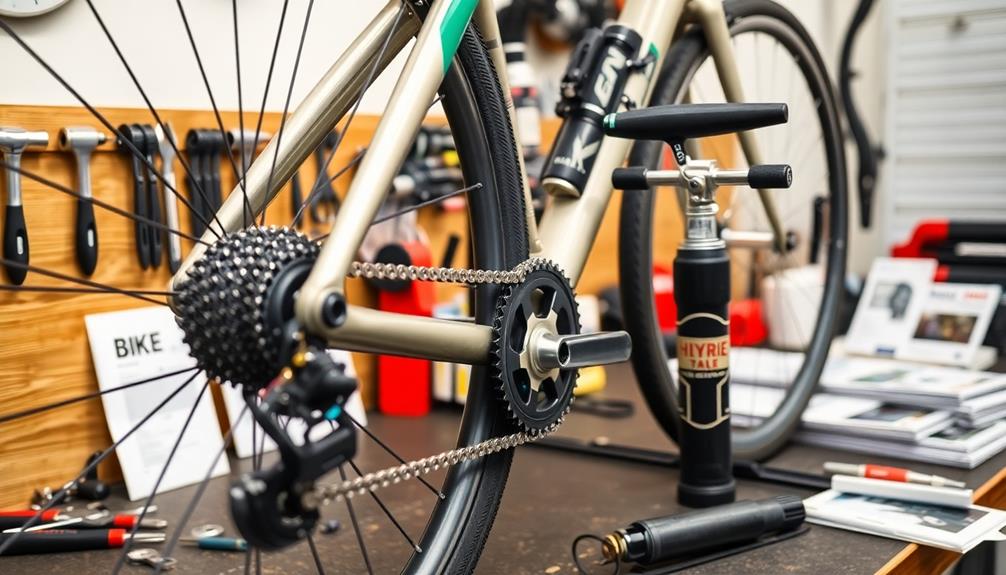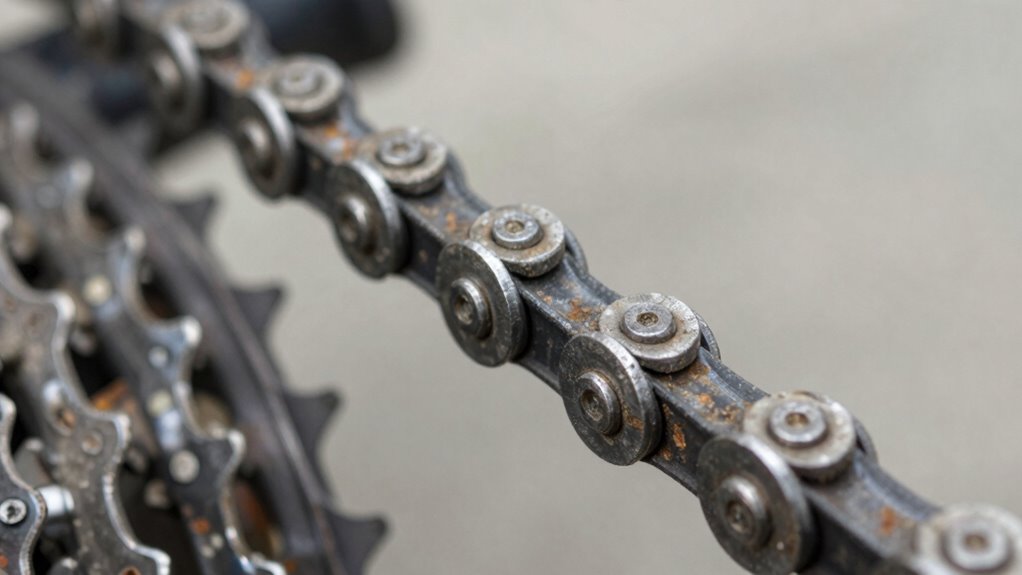

If you notice a rhythmic, metallic clicking noise coming from your chain, it’s a clear sign to check your sprocket alignment and tension first. Misaligned sprockets cause the chain to jump or skip, while improper tension results in slapping or excessive wear. Fixing these issues promptly can prevent further damage and improve performance. If you keep investigating, you’ll discover more tips to keep your chain running smoothly and extend its lifespan.

Get sports gear delivered free with Prime
- Fast, free delivery on millions of items
- Prime Video, Amazon Music and more included
- Member-only deals all year
Key Takeaways
- Listen for rhythmic metallic clicking or clinking sounds indicating potential sprocket misalignment or tension issues.
- Check if the chain is skipping or jumping under load, signaling misalignment or incorrect tension.
- Verify sprocket alignment first, as misaligned sprockets cause uneven tension and noise.
- Ensure the chain tension is neither too loose nor too tight, as improper tension causes noise and damage.
- Observe if noise persists after adjustments, prompting further inspection of sprockets and tension for underlying problems.
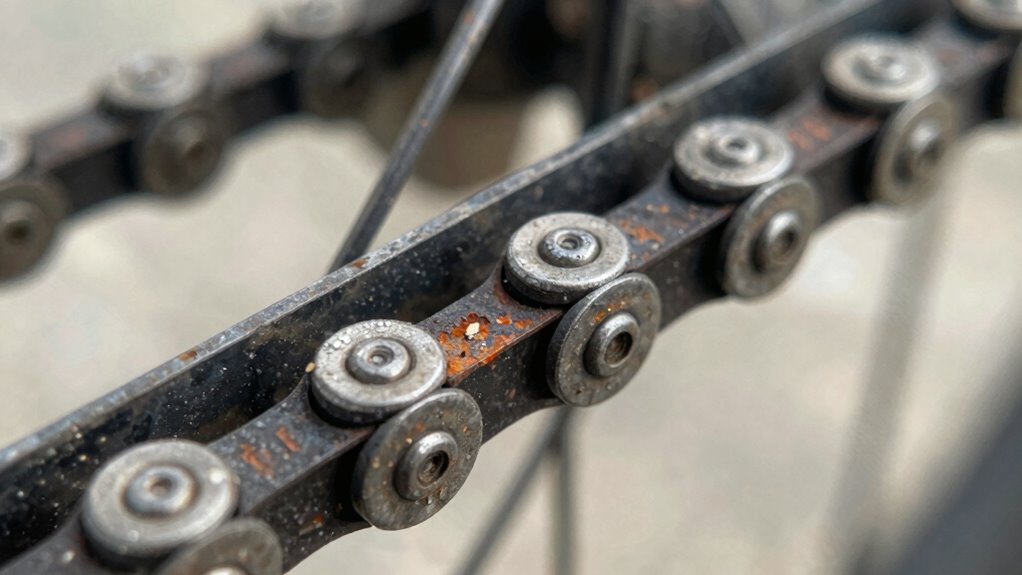
Have you ever noticed a faint, repetitive clinking sound that seems out of place? “The Chain Noise Clue” unravels how a seemingly minor noise can reveal vital evidence in a mystery. When your bike or machinery makes that persistent, rhythmic noise, it’s easy to dismiss it as normal wear or a minor issue. But in reality, that sound often points directly to what needs fixing first. One of the primary causes is often related to sprocket alignment or tension adjustment. Recognizing which is the culprit can save you time and prevent further damage.
A rhythmic chain noise signals sprocket misalignment or tension issues—identify and fix early to prevent costly damage.
If the noise is consistent and sounds like a metallic, clicking rhythm, your first step should be inspecting the sprocket alignment. When the sprockets—either on your bike or machinery—are out of alignment, the chain doesn’t sit properly on the teeth. This misalignment causes uneven tension and increases wear on specific parts. You’ll notice the chain might skip or jump slightly, especially under load. To fix this, you need to check whether the sprockets are aligned correctly with each other and the chain. Proper sprocket alignment ensures the chain runs smoothly and evenly, reducing noise and prolonging the lifespan of your components. Ensuring proper sprocket maintenance can make a significant difference in how your equipment performs.
On the other hand, if the noise persists even with sprockets properly aligned, then tension adjustment is likely the culprit. Chains and belts need correct tension to operate quietly and efficiently. Too loose, and the chain will slap around, creating that repetitive clink. Too tight, and it puts unnecessary strain on the sprockets and bearings. Adjusting tension is straightforward but requires a careful approach. You typically need to loosen the tensioner or locking mechanism, then tighten or loosen it to achieve the recommended slack—usually about the width of a finger or a specific measurement from the manufacturer. When tension is just right, the chain should feel snug but still move freely without excessive slack or tightness. Regular tension adjustment can help prevent noise issues before they develop into more serious problems.
Pay close attention to how the noise changes after each adjustment. If the clinking diminishes or stops entirely, you’ve likely identified the right fix. Regularly checking sprocket alignment and tension adjustment can prevent many issues before they become serious. Remember, a consistent, rhythmic chain noise isn’t just a nuisance; it’s a signal. By listening carefully and investigating these clues, you can determine whether you need to realign sprockets or adjust tension first. Acting promptly on these signs helps keep your equipment running smoothly and extends its life, all while avoiding costly repairs down the line. Proper sprocket maintenance can significantly impact the longevity and performance of your machinery.
As an affiliate, we earn on qualifying purchases.
Frequently Asked Questions
How Often Should I Check My Bike Chain for Noise Issues?
You should check your bike chain for noise issues weekly or after every ride, especially if you ride often or in rough conditions. Regular lubrication maintenance helps prevent excessive wear and tear, reducing noise and extending your chain’s life. Listen for squeaking or grinding sounds, which signal that your chain needs lubrication or adjustment. Addressing these issues early keeps your bike running smoothly and prevents costly repairs down the road.
Can Chain Noise Indicate a Problem With the Derailleur?
Ever wonder if chain noise points to a derailleur problem? It can, especially if your chain tension is off or gear alignment is misaligned. When your derailleur isn’t functioning properly, the chain might rattle or squeak during shifts. By checking and adjusting your derailleur’s tension and ensuring your gears are aligned, you’ll eliminate that annoying noise. Isn’t smooth riding worth a quick tune-up?
What Tools Are Best for Diagnosing Chain Noise Problems?
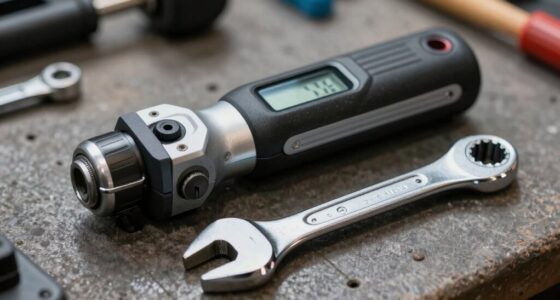
To diagnose chain noise issues, you need a chain checker or caliper to measure wear and guarantee proper chain tension. Use lubrication techniques to smooth out the chain and reduce noise caused by friction. Adjust the chain tension if it’s too loose or tight, as improper tension often causes noise. These tools and techniques help identify whether the noise stems from insufficient lubrication or incorrect tension, guiding effective fixes.
Does Chain Noise Vary With Different Bike Types?
You bet noise varies with different bike types, so noise diagnosis isn’t one-size-fits-all. Mountain bikes, road bikes, and hybrids each have unique chain tensions and components, which influence the sound. When doing bike maintenance, pay attention to how chain noise changes with different bikes—it’s like finding the needle in a haystack. Adjust your diagnosis accordingly, focusing on areas that tend to cause noise in each specific bike type.
How Long Does It Typically Take to Fix Chain Noise Issues?
Fixing chain noise usually takes about 30 minutes to an hour. You start by checking and applying chain lubrication, ensuring it’s properly coated to reduce squeaks. Next, verify gear alignment—misaligned gears cause noise and shifting issues. Adjustments are often simple, but if problems persist, you might need to replace worn components. Regular maintenance like lubrication and alignment can prevent noise and extend your bike’s lifespan.
Conclusion
By paying attention to the chain noise clues, you can quickly identify what’s wrong and prioritize your fixing. Remember, the faintest flicker of fuss often flags the first fault. Stay sharp, stay selective, and swiftly solve the sound to stop the cycle of suffering. Trust the tiny telltale hints to guide your gear’s growth, and you’ll keep your ride running right, riding smoothly, and avoiding unnecessary setbacks. Stay savvy, solve smart, and stay ahead!
Halloween Picks
halloween
As an affiliate, we earn on qualifying purchases.