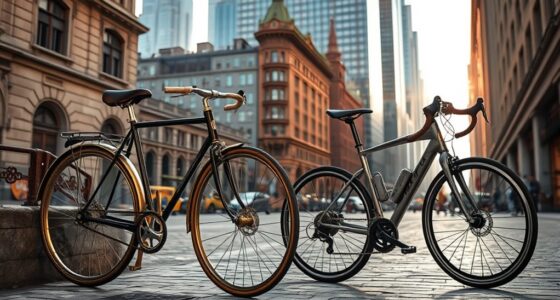
Balancing comfort and efficiency on a bike involves understanding how aerodynamics, biomechanics, and riding position affect your performance and fatigue. Adopting an aggressive posture can save seconds but may cause discomfort, while a relaxed position boosts comfort but increases drag. Proper foot placement and balanced biomechanics improve power transfer and reduce strain. Finding the right setup lets you ride faster and longer without soreness—exploring these factors can help optimize your ride far beyond basic techniques.
Get ready for Prime Big Deal Days — try Prime free
Exclusive member deals on October 6–7, plus fast free delivery. Cancel anytime.
As an affiliate, we earn on qualifying purchases.
Key Takeaways
- Optimal bike setup balances aerodynamic positioning with muscle comfort to prevent fatigue during long rides.
- Proper biomechanics enhance efficiency by maximizing power transfer and reducing energy wastage.
- Aggressive postures improve aerodynamics but may cause discomfort, affecting sustained effort and performance.
- Adjustable components like saddle height and handlebar position help customize comfort without sacrificing efficiency.
- Incorporating biomechanical principles ensures efficient pedaling mechanics while maintaining rider comfort.
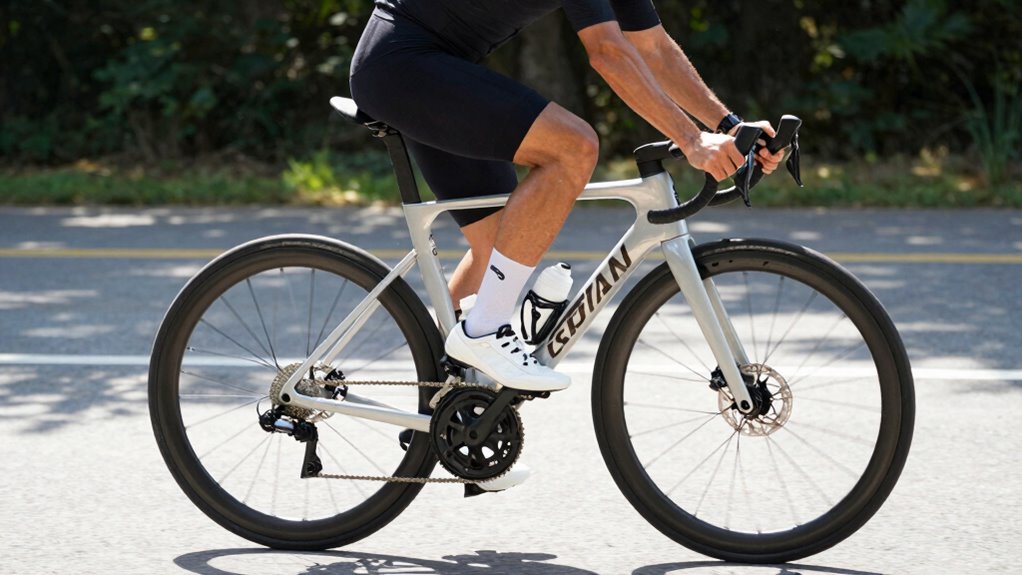
When you choose a bike setup, understanding the science behind comfort versus efficiency can help you make better decisions. One of the key factors influencing your ride is aerodynamic drag. This force opposes your forward motion and increases with speed, making it a critical consideration for competitive cyclists and long-distance riders alike. To reduce aerodynamic drag, you might lower your riding position, tuck in your elbows, or choose a bike with aero bars. These adjustments streamline your body, allowing air to flow more smoothly around you, which minimizes resistance and conserves energy. However, sacrificing comfort for aerodynamic gains can lead to fatigue over time, so it’s vital to find a balance that works for your goals and physical limits. Recognizing how aerodynamic considerations influence your ride can help you make smarter modifications to your setup. Additionally, understanding the principles of drag reduction can guide you in selecting the most effective modifications. Being aware of how aerodynamics impact your effort can also help you fine-tune your riding position for optimal performance. Incorporating biomechanical efficiency into your setup ensures that your body movements are optimized for power transfer and reduced strain, contributing to overall ride quality.
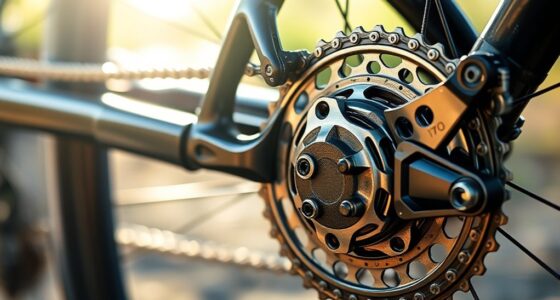
Pedal biomechanics also play a significant role in optimizing your cycling efficiency and comfort. Your pedal stroke involves complex movements of your ankle, knee, and hip joints. When your pedal biomechanics are efficient, you generate more power with less effort and reduce the risk of injury or fatigue. Proper foot positioning, cleat alignment, and pedal stroke technique ensure that energy transfer from your muscles to the drivetrain is maximized. For example, maintaining a smooth, circular pedaling motion prevents wasted effort and promotes muscle balance. If your biomechanics are off, you might experience discomfort or energy leaks during your ride, which hampers your overall efficiency. Adjusting saddle height and position, as well as choosing the right pedal type, can improve biomechanics and make pedaling feel more natural and less tiring.
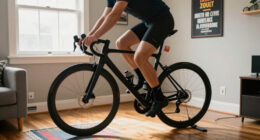
Balancing comfort and efficiency involves understanding how these elements interact. An aggressive aerodynamic posture might save you seconds, but if it causes discomfort after just a few miles, your performance will suffer. Conversely, a more relaxed, comfortable position might feel better but could increase aerodynamic drag, requiring more effort to maintain speed. Consider your riding style, goals, and physical condition when making modifications. Paying attention to pedal biomechanics ensures you’re applying power effectively, while managing aerodynamic drag helps you maintain that power with less resistance. Ultimately, a well-designed setup aligns your body’s mechanics with aerodynamic considerations, enabling you to ride longer, faster, and with less discomfort.
As an affiliate, we earn on qualifying purchases.
Frequently Asked Questions
How Does Rider Weight Affect Comfort and Efficiency?
Your rider weight influences your comfort and efficiency by affecting rider posture and pedal positioning. Heavier riders might experience more pressure on joints and saddle, requiring adjustments for better support. Proper posture ensures even weight distribution, reducing fatigue. Correct pedal positioning helps optimize power transfer and minimizes strain. By tailoring these aspects to your weight, you can improve overall comfort and efficiency, making rides more enjoyable and less tiring.
Can Bike Frame Material Influence Comfort More Than Efficiency?
Yes, your bike frame material can influence comfort more than efficiency. Frames made from materials with greater flexibility, like carbon fiber, absorb road shocks better, making rides smoother. Durable materials like aluminum or steel offer long-lasting performance but may transmit more vibrations, impacting comfort. So, if you prioritize comfort, choose a frame with good flexibility and durability, which can considerably reduce fatigue and enhance your riding experience.
What Role Does Tire Pressure Play in Balancing Comfort and Efficiency?
A stitch in time saves nine—so, adjusting your tire pressure carefully guarantees comfort and efficiency. Proper pressure prevents uneven tire wear and ensures good road grip, which boosts comfort and efficiency simultaneously. Under-pressurized tires absorb shocks better, increasing comfort, but reduce efficiency and grip. Over-inflated tires improve efficiency and reduce rolling resistance, but may compromise comfort and increase tire wear. Find the sweet spot for your riding style and terrain.
How Do Different Riding Terrains Impact Comfort Versus Efficiency?
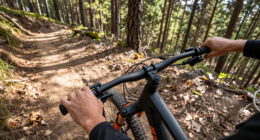
When mountain biking, uneven terrains and rough surfaces make comfort more important, so you might lower tire pressure to absorb shocks, sacrificing some efficiency. In contrast, during road cycling on smooth pavement, maintaining higher tire pressure boosts efficiency, helping you ride faster with less rolling resistance. Your choice depends on whether you’re prioritizing comfort on rugged trails or efficiency on paved roads, adjusting your bike setup accordingly.
Are There Specific Bike Accessories That Enhance Comfort Without Sacrificing Efficiency?
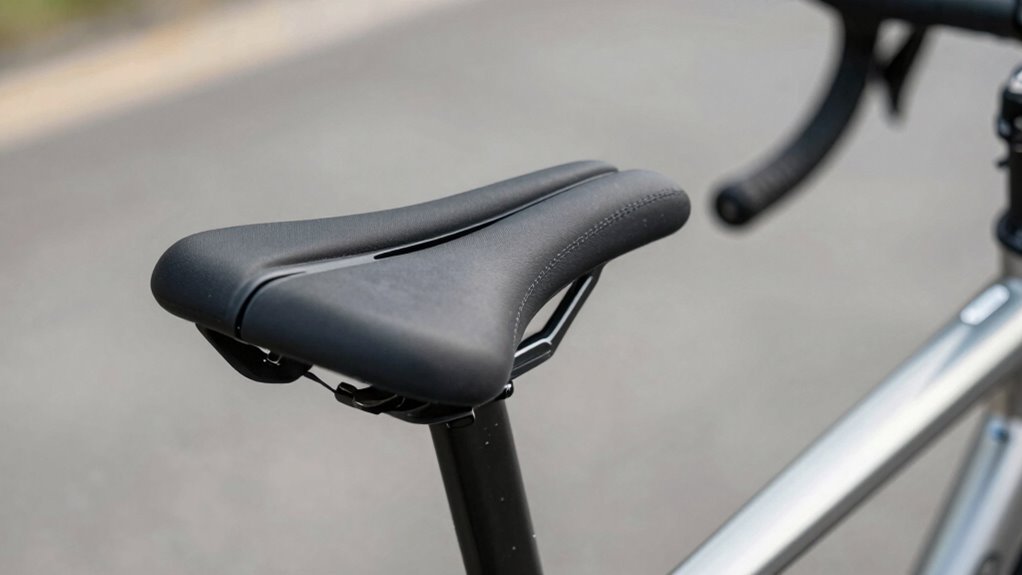
Yes, you can boost comfort without losing efficiency by choosing ergonomic grips and padded saddles. Ergonomic grips reduce hand fatigue and improve control, making longer rides more comfortable. Padded saddles offer extra cushioning that prevents soreness while maintaining pedaling efficiency. Investing in these accessories helps you stay comfortable and focused, allowing you to ride longer and more effectively without sacrificing performance.
Conclusion
Balancing comfort and efficiency on your bike is like tuning a finely crafted instrument—you must find the sweet spot where each note harmonizes perfectly. When you prioritize comfort, your ride becomes a gentle breeze carrying you forward, but sacrificing a bit of speed. Conversely, chasing efficiency can feel like igniting a rocket—fast and powerful, yet less forgiving. Ultimately, your journey depends on crafting a symphony that resonates with your riding style, blending ease and speed into a seamless melody.
Fall Picks
fall essentials
As an affiliate, we earn on qualifying purchases.