
TL;DR
Compact indoor cycling trainers include stands that hold your own bicycle and small exercise bikes built as complete units. Compare how each works, check the equipment’s in-use and storage dimensions, confirm bike or rider fit, and choose resistance and app features that match your goals. Compact does not always mean portable, silent, or compatible.
A trainer can fold neatly beside a closet and still leave your handlebars inches from the wall. That small mismatch can turn a promising winter workout into a daily furniture shuffle.

Get sports gear delivered free with Prime
- Fast, free delivery on millions of items
- Prime Video, Amazon Music and more included
- Member-only deals all year
Compact indoor cycling equipment comes in two main forms: a stand that holds your regular bike and a small, complete exercise bike. This guide explains what they are, how the main types compare, and which measurements and features to check before you buy.
You’ll also get a practical way to think about noise, connectivity, and cost. The goal is simple: find a setup you can store, fit, and actually use for the rides you have in mind.
Choose between a stand for your own bike and a complete compact exercise bike based on fit, setup, and who will use it.
Measure the trainer in use and in storage, including room for handlebars and getting on and off.
Check wheel, axle, cassette, and drivetrain compatibility before buying a bike trainer.
Treat noise, smart connectivity, and power accuracy as separate questions; verify each for the model and app you want.
Match resistance and training features to your routine, and build exercise gradually with coaching when you are new or returning from injury.
Know which kind of compact trainer fits your routine
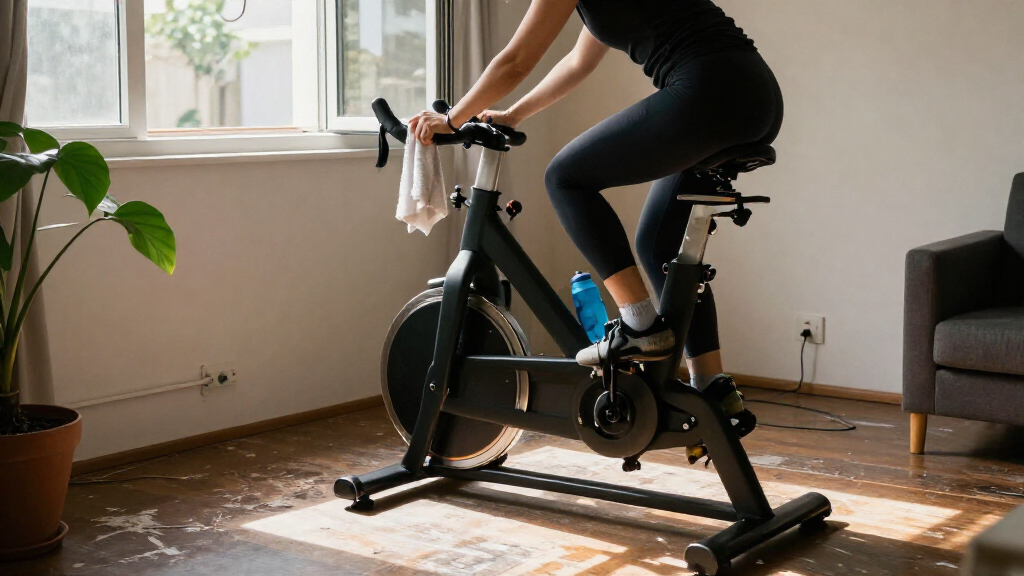
Compact indoor cycling trainers are either stands that hold your existing bicycle or small standalone exercise bikes built for indoor use. A bike trainer lets you pedal your own bike in place; a compact exercise bike combines the frame, saddle, pedals, and resistance system in one unit. That distinction shapes setup, storage, fit, and who can use the equipment.
With a bike trainer, your familiar handlebars and saddle come along for the ride. You may already know that your road bike fits well, but you need to check how its wheel and axle attach to the trainer. A compact exercise bike can be easier to share: your partner can adjust the saddle and start pedaling without removing your rear wheel or changing a cassette.
Think about a rainy Tuesday when you have twenty minutes before dinner. If your bike already sits in a hallway and the trainer takes a minute to attach, that may suit you. If putting a bike on a stand feels like a chore, a standalone bike that stays ready could make short sessions more likely.
The phrase “pedal indoors using” a compact setup can describe either option, but the riding experience differs. Your own bike usually feels more like your outdoor position, while an exercise bike’s adjustment range and resistance depend on its design. Read the intended use and fit details before assuming the two are interchangeable.
For a first-time rider, simplicity often matters more than advanced features. A beginner who wants gentle, regular sessions may prefer easy mounting and clear controls, while a cyclist following structured workouts may value measurable power and app control. If you are new to training or returning after injury, ask a qualified coach or health professional for suitable guidance; increase training gradually rather than jumping into hard intervals.
Products Worth Considering

Coleman SaluSpa Sicily Inflatable Hot Tub, 5–7 Person

Bowflex SelectTech 840 Adjustable Kettlebell

Coleman RoadTrip 285 Portable Propane Grill, 3 Burners, Red
As an affiliate, we earn on qualifying purchases.
Compare the four main types before you choose
Wheel-on trainers, direct-drive trainers, rollers, and compact exercise bikes suit different riders and rooms. Wheel-on models press a roller against your rear tire; direct-drive units replace the rear wheel and connect to the bike’s drivetrain. Rollers let the bicycle move freely on rotating cylinders, while a compact exercise bike is a complete indoor riding station.
| Type | What you gain | What to check |
|---|---|---|
| Wheel-on | Simple setup and often easier storage | Tire wear, noise, roller tension, and fit |
| Direct-drive | Often quieter operation and stable power readings | Cost, cassette or freehub fit, and bike axle compatibility |
| Rollers | Balance practice and a freely moving bike | Space, confidence, and practice for a new rider |
| Compact exercise bike | A ready-to-use unit that can suit shared households | Rider fit, adjustment range, resistance, and storage size |
These are broad tendencies, not guarantees: individual models differ. Imagine two people training in an upstairs apartment. The rider who wants to keep using a road bike may prefer a direct-drive trainer, while a household that takes quick turns may find a standalone bike easier to share.
Rollers reward a smooth, steady pedal stroke, but balancing can feel awkward at first. A beginner can start beside a wall or under coaching, then build confidence in short sessions. If handling balance feels uncomfortable, a stationary stand is a more supported place to begin.
For some riders, a wheel-on unit is a practical fit because it takes less setup and can cost less. A rider doing frequent app-guided intervals may appreciate a compatible smart direct-drive trainer instead. Pick based on how you will ride each week, not just the equipment’s most impressive feature.
Measure your room for riding, not just storage
A compact trainer fits your space only when it leaves enough room for the equipment and for you to ride safely. Check both its working dimensions and folded dimensions, then add the bicycle, rider, handlebar movement, and access for mounting and dismounting. A small storage measurement alone cannot show whether you can use it comfortably.
Try the layout before buying: use painter’s tape to mark the trainer’s footprint on the floor, then mark where the front wheel and handlebars will reach. Sit on the bike and turn the bars as you normally would. For example, a spare room might fit the folded trainer beside a wardrobe, but riding there could put the left handlebar against a desk.
Also consider what happens after a sweaty ride. You may need room to step off, wipe the frame, move a floor mat, and reach a power outlet if your smart trainer needs mains power. A carrying handle or transport wheels can help, but compact does not mean portable: a small unit can still be heavy or awkward on stairs.
If you plan to store equipment under a bed or in a closet, measure the actual opening and clearance, including protruding legs or knobs. Folding hinges can add height, and a trainer may need to cool or dry before you put it away. A quick test with a cardboard outline or tape can catch these surprises before a box arrives.
Shared spaces call for a setup routine as much as a storage plan. One household might keep a mat and trainer in a corner, then roll the bike away after each ride. If your routine requires moving furniture, clearing a path, and hunting for adapters every time, the setup may be less convenient than its footprint suggests.
Check fit, compatibility, and noise before you buy
Bike trainers do not fit every bicycle automatically, and “smart” does not guarantee accurate power measurement. Confirm wheel size, axle type, cassette or freehub needs, drivetrain compatibility, and the manufacturer’s rider-weight limit. For a standalone bike, compare its saddle and handlebar adjustment range with the riders who plan to use it.
Take your rear axle details and drivetrain speeds to the product compatibility chart before ordering. A bike with a thru-axle may need a specific adapter; a direct-drive trainer may require a cassette or freehub body that matches your gears. If you ride an e-bike or use an unusual drivetrain, ask the manufacturer whether that exact setup is supported.
Sound comes from more than the trainer. Tire type, tire pressure, roller tension, drivetrain condition, cadence, and floor vibration all play a part. A wheel-on trainer in a bedroom may buzz against a hard floor, while a direct-drive setup may reduce tire noise but still produce chain and fan sounds. A mat can help limit vibration, but it cannot make a cycling setup silent.
Power and app details deserve their own checks. Look for the manufacturer’s stated power accuracy and whether the unit needs calibration or a spindown procedure. Bluetooth or ANT+ support alone does not tell you whether the trainer can control resistance in your preferred app; confirm the specific device, app, and control modes work together.
Before buying, write down your bike’s wheel and axle information, cassette requirements, the apps you intend to use, and the trainer’s working dimensions. Then compare those facts against the manual or compatibility page. Five minutes with the spec sheet can spare you an expensive return and a half-built trainer in the hallway.
Choose smart features that support the rides you want
Smart trainers connect to compatible apps or bike computers and can adjust resistance automatically during supported workouts or virtual rides. Basic trainers provide resistance without that connected control, while some models offer measured power or app links without automatic changes. Buy the feature that helps you ride consistently, not the one with the longest specification list.
Picture a short weekday workout: your app calls for an easy warm-up, then several harder efforts. On a compatible smart trainer, the resistance can change with the workout; on a basic trainer, you may adjust it by hand or shift gears. The automatic option can make the session feel smoother, but it still depends on device compatibility and a correctly set up bike.
Connectivity and measurement are different jobs. A trainer can pair with an app and still have power readings that vary from those of another device. Check the stated accuracy, calibration requirements, and whether the app can use the trainer for the function you want. A connection icon is not a measurement guarantee.
Budget matters because an expensive trainer cannot supply a training plan or make you ride. A simple unit can serve someone who wants steady pedaling while watching a show; a structured-training rider may value automatic resistance, app support, and repeatable power data. If you are new to exercise, start with manageable sessions and ask a coach for help building load progressively, especially before attempting hard intervals.
Before paying for an app bundle, check its subscription terms and what remains available if you stop subscribing. Also check power requirements: some smart features may need mains power even if basic resistance works unplugged. Those details matter when you set up in a garage, travel, or need to move equipment between rooms.
Use this five-step checklist to make a confident choice
A good compact trainer choice starts with your routine and room, then narrows by bike fit, noise, and features. Follow these five steps before ordering: they help turn a broad product search into a short list you can verify against real specifications. A rider in a small apartment, for instance, might rule out a noisy tire setup before comparing apps.
- Name your goal. Decide whether you want casual indoor pedaling, structured workouts, balance practice, or a setup several people can share.
- Measure the space. Record the riding footprint and the folded storage dimensions, plus clearance around the bike and a path to get on and off.
- Confirm fit. Match your wheel, axle, cassette or freehub, and drivetrain to a bike trainer; for an exercise bike, check adjustment ranges for each rider.
- Set your noise and tech needs. Consider floor vibration, neighbors, app compatibility, power supply, resistance control, and the stated power accuracy.
- Compare the full cost. Include any adapter, cassette, mat, dedicated tire, app subscription, or maintenance item required by the setup.
Suppose you own a road bike, have a small office, and want occasional app workouts. Tape out the room, verify your axle and cassette, and check whether a compatible smart trainer supports the app’s resistance control. If you mostly want an easy spin and several family members will use it, compare the exercise bike’s fit range and resistance before paying for cycling-specific features.
Keep the checklist beside the product page, and confirm each claim in the manual or manufacturer’s support material. Details vary by model, and product names or prices change over time. A short written list makes it easier to compare two plausible options without letting a flashy feature distract you from the basics.
Frequently Asked Questions
What is the difference between a bike trainer and a compact exercise bike?
A bike trainer holds your regular bicycle in place so you can ride its familiar frame and position indoors. A compact exercise bike is a complete standalone unit, which can make it easier for several household members to share.
Will my bicycle fit a compact trainer?
Check the trainer’s compatibility information against your bike’s wheel size, axle type, cassette or freehub, and drivetrain. Some bikes need a specific adapter, so confirm the exact setup with the manufacturer before ordering.
Is a direct-drive trainer quieter than a wheel-on trainer?
Direct-drive trainers are often quieter because they remove tire-on-roller contact, but the whole setup still makes sound from the drivetrain, fan, and floor vibration. Tire type, maintenance, cadence, and flooring also affect noise.
Do I need a smart trainer to ride indoors?
No. A basic trainer can provide resistance for indoor riding, while a smart trainer can connect to compatible apps and may adjust resistance automatically. Choose smart features if they support workouts you will use, and check app compatibility and power requirements first.
How much space does a compact indoor trainer need?
It needs its working footprint plus clearance for your bicycle, handlebars, and safe mounting and dismounting. Measure both the riding layout and the folded storage size; the folded dimensions alone do not show whether the setup will fit in use.
Are compact indoor cycling trainers suitable for beginners?
They can suit beginners, especially when the setup feels stable and is easy to use. Start with manageable sessions and increase training gradually; if you are returning from injury or unsure how to train, seek guidance from a qualified professional.
Conclusion
Start with the ride you want to do and the room where you will do it. Then measure the working space, verify fit, and pay for only the resistance and connectivity features that support that routine.
The best compact setup is the one you can reach, set up, and ride regularly. A few careful checks now can turn a folded frame in the corner into a familiar, ready-to-go place to pedal.