Crash detection helmets use embedded sensors like accelerometers and gyroscopes to quickly identify impacts from different angles. Advanced algorithms analyze impact data to confirm crashes accurately, while filters help reduce false alarms caused by normal movements or sensor misplacement. Proper calibration and fit are key to reliability. If you want to understand how these helmets work and why false alarms happen, keep exploring these important details.
Key Takeaways
- Crash detection helmets use sensors like accelerometers and gyroscopes to identify impact patterns indicating a crash.
- False alarms can occur from normal riding movements, helmet fit issues, or sensor misplacement.
- Proper calibration, strategic sensor placement, and regular maintenance improve detection accuracy.
- Advanced algorithms analyze impact data to distinguish real crashes from false triggers.
- User training and adherence to manufacturer guidelines help minimize false alarms and ensure reliable safety features.

FARO Smart Bike Helmet with MIPS & LED Lights | Urban Commuter Helmet with Turn Signals, Brake Light & Crash Detection | Waterproof Adult Cycling Helmet
MIPS Protection with Automatic Crash Detection: Equipped with the MIPS Safety System to help reduce rotational forces during...
As an affiliate, we earn on qualifying purchases.
How Do Crash Detection Helmets Detect and Confirm a Crash?
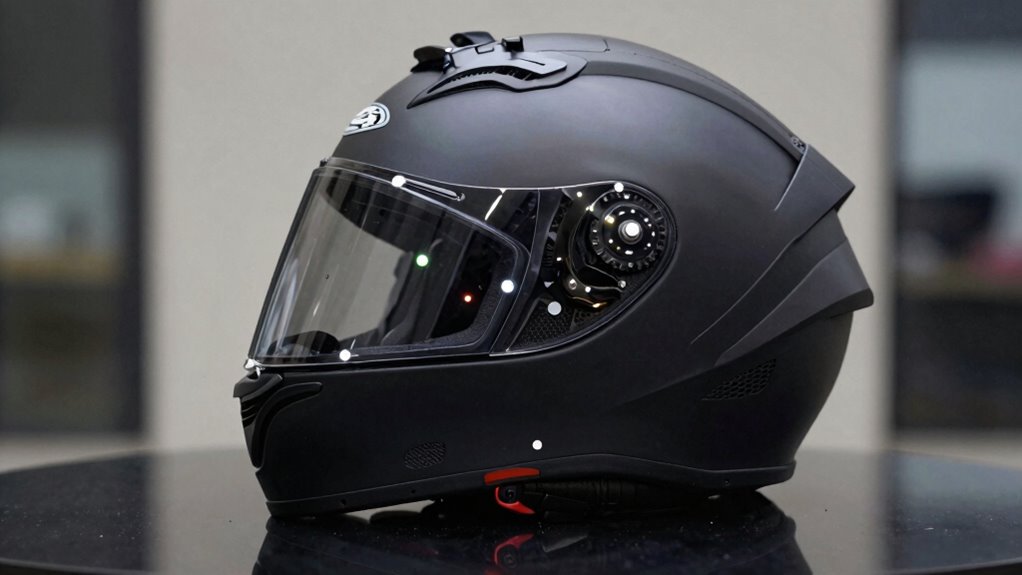
Crash detection helmets use embedded sensors and advanced algorithms to identify when a crash occurs. Proper sensor placement is essential; sensors are strategically positioned around the helmet to detect sudden impacts and abrupt movements from different angles. When a collision happens, these sensors transmit data to the helmet’s internal system, which analyzes the signals for signs of a crash. The user interface then plays an important role, providing clear alerts or prompts if a crash is detected, ensuring you’re aware of the situation. The system’s design focuses on accuracy and quick confirmation, filtering out false alarms. This seamless integration of sensor placement and user interface guarantees that the helmet responds promptly, helping to activate emergency protocols when necessary. Additionally, sensor calibration ensures consistent detection performance over time, just as connected equipment in a smart home gym maintains optimal operation through regular updates. Regular calibration and updates are crucial for maintaining detection accuracy and reducing false alarms in crash detection systems, which relies on precise sensor performance to differentiate between real crashes and benign impacts. Incorporating advanced algorithms further enhances the system’s ability to distinguish genuine emergencies from benign events, reducing false alarms and increasing reliability.

UNIT 1 Aura Smart E-Bike Helmet with MIPS Safety - NTA-8776 Certified for 28mph - Integrated 500 Lumen LED Lights, Crash Detection, Turn Signals and Automatic Brake Light - Blackbird, Medium
Built for Real-World E-Bike Speeds (NTA-8776 + MIPS: Certified to the NTA-8776 standard for e-bike riding up to...
As an affiliate, we earn on qualifying purchases.
What Technology Makes Crash Detection Accurate and Fast?
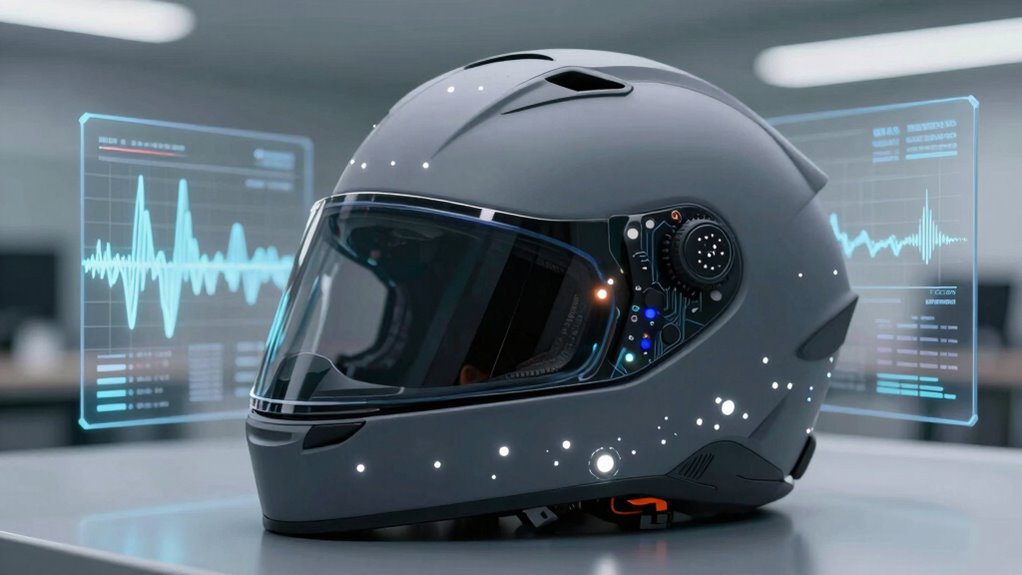
Advanced accelerometers and gyroscopes form the core of crash detection technology, enabling rapid and precise identification of impacts. Sensor integration combines data from these devices, providing an all-encompassing picture of sudden movements and forces. This integration allows your helmet to quickly distinguish between normal riding motions and actual crashes. To improve accuracy and speed, machine learning algorithms analyze sensor data in real-time, learning from numerous impact patterns. These algorithms can detect subtle differences that might indicate a crash, reducing false alarms. Additionally, impact signature analysis helps in minimizing false positives and enhances user confidence in the system. Moreover, sensor calibration ensures consistent performance across different riding conditions, further improving detection reliability. Continuous system updates refine the helmet’s ability to interpret impact data, keeping pace with evolving riding scenarios. Implementing real-time data processing also plays a crucial role in ensuring prompt and accurate crash detection.
FARO Smart Bike Helmet with MIPS & LED Lights | Urban Commuter Helmet with Turn Signals, Brake Light & Crash Detection | Waterproof Adult Cycling Helmet
MIPS Protection with Automatic Crash Detection: Equipped with the MIPS Safety System to help reduce rotational forces during...
As an affiliate, we earn on qualifying purchases.
Why Do Crash Detection Helmets Sometimes Raise False Alarms?

Despite their sophisticated technology, crash detection helmets can sometimes raise false alarms, often because normal riding movements mimic impact patterns. If your helmet fit isn’t snug, sensors may shift or pick up false signals during quick turns or intense vibrations. Poor sensor placement can also lead to inaccuracies, as sensors might register normal bumps or jolts as crashes. Additionally, excessive helmet movement or loose fit causes the sensors to interpret minor motions as impacts. These false alarms happen when the helmet’s sensors mistake everyday riding motions for collisions, especially if the helmet isn’t fitted properly or sensors aren’t positioned ideally. Proper sensor calibration can further help in distinguishing actual impacts from normal riding vibrations. Sensor positioning plays a crucial role in minimizing false triggers by ensuring impacts are accurately detected. Moreover, sensor calibration is essential for fine-tuning the helmet’s response to normal vibrations versus genuine impacts, reducing the likelihood of false alarms. Ensuring correct helmet fit helps prevent sensor shifts and false triggers during rides.

LIVALL RS1 Smart Bluetooth Ski Helmet with Built in Speakers & Microphone, Patented Fall Detection & SOS Alert, Adjustable Venting and Goggles Compatible, Snow Sport Helmets for Men Women Adults
SAFE & LIGHTWEIGHT COMFORT: Experience safety without compromise with the LIVALL Bluetooth ski helmet, designed for a comfortable...
As an affiliate, we earn on qualifying purchases.
How Can Manufacturers Make Crash Detection More Reliable?

Manufacturers can enhance the reliability of crash detection helmets by refining sensor technology and placement. Proper sensor calibration guarantees that the helmet accurately detects impacts without false alarms. Regular calibration adjustments account for different riding styles and environments, improving accuracy. Additionally, strategic sensor placement minimizes interference and enhances detection precision. Providing thorough user training is also vital; users should understand how sensors work and how to maintain the helmet properly. Clear instructions on calibration procedures and troubleshooting can reduce user errors that cause false alarms. Incorporating sensor calibration techniques can further improve system responsiveness and adaptability. Utilizing environmental sensors to account for varied riding conditions can also help reduce false positives. Combining advanced sensor calibration with effective user training creates a more dependable system, reducing false positives and ensuring crash detection is both reliable and trustworthy when it matters most. Implementing quality control measures during manufacturing can also help ensure consistent sensor performance across helmets. Additionally, ongoing performance testing can identify potential issues before helmets reach consumers, further improving overall reliability.
Tips for Using Crash Detection Helmets Safely and Effectively
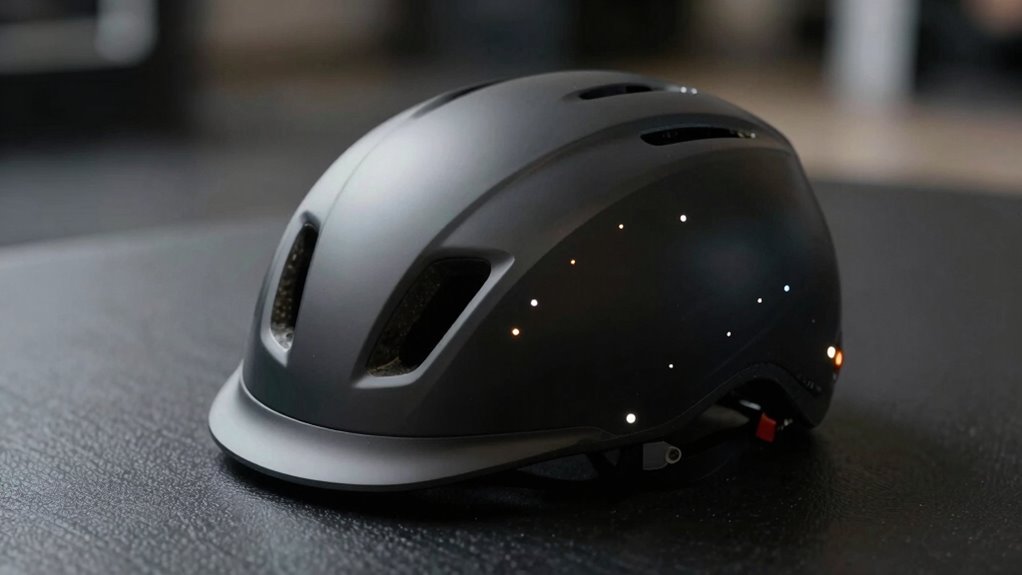
To guarantee your crash detection helmet works effectively, always follow the manufacturer’s instructions for proper use and maintenance. Regular helmet maintenance, such as checking straps, sensors, and batteries, ensures peak performance and safety. Additionally, investing in rider training helps you understand how the helmet’s features work and how to respond appropriately during a fall or alert. Proper helmet maintenance reduces false alarms and enhances reliability, while training boosts your confidence in using the technology correctly. Avoid neglecting these steps, as improper use or neglect can compromise safety and cause unnecessary alarms. Proper helmet maintenance also includes inspecting the helmet for signs of damage or wear that could impair its functionality. By staying vigilant with maintenance and improving your riding skills, you maximize the helmet’s benefits and ensure it functions effectively when you need it most. Preventing false alarms is essential for maintaining trust in the helmet’s safety features. Incorporating regular system checks can further help identify potential issues before they lead to false alarms, especially since understanding the sensor technology enhances the overall system reliability. Regularly reviewing system calibration procedures can also improve detection accuracy and minimize false positives.
Frequently Asked Questions
What Are the Main Limitations of Current Crash Detection Helmet Technology?
You should know that current crash detection helmet technology faces limitations like sensor calibration issues, which can cause inaccurate readings. These helmets often suffer from false positives, alerting you unnecessarily during minor impacts or sudden movements. This can be frustrating and reduce trust in the system. Improving sensor calibration and refining detection algorithms are essential to minimize false positives and enhance overall reliability and safety.
How Do Weather Conditions Impact the Sensors in Crash Detection Helmets?
Weather conditions can considerably impact your crash detection helmet’s sensors by causing weather interference. Rain, snow, or fog may reduce sensor sensitivity, making it harder to accurately detect impacts or falls. Wet or extreme weather can lead to false alarms or missed alerts, so it’s important to be aware that your helmet’s performance might fluctuate in bad weather. Always consider weather conditions when relying on crash detection features.
Can Crash Detection Helmets Distinguish Between Different Types of Impacts?
Crash detection helmets use impact differentiation and sensor accuracy to identify different types of impacts. You’ll find that advanced sensors analyze force, direction, and duration to distinguish between minor bumps and serious crashes. These helmets continuously monitor data, ensuring they respond appropriately to true emergencies. Improved impact differentiation and sensor accuracy help reduce false alarms, giving you confidence that the helmet will alert emergency services only when needed.
What Is the Expected Lifespan of Sensors Inside Crash Detection Helmets?
The sensors inside crash detection helmets typically last between 3 to 5 years, depending on sensor durability and usage frequency. Battery longevity also plays a role, often requiring replacement or recharge every 6 to 12 months. To guarantee safety, you should regularly check the sensors and battery health, and follow manufacturer guidelines for maintenance. Proper care extends the lifespan, keeping your helmet’s crash detection reliable.
Are There Privacy Concerns Related to Data Collected by Crash Detection Helmets?
You might worry about privacy risks when using crash detection helmets, and you’re right to be cautious. Personal data like location, movement patterns, and accident details are collected, raising concerns about how securely this info is stored and who has access. While these helmets aim to protect you, they can inadvertently expose sensitive data. Stay vigilant, ask questions, and make sure companies prioritize your privacy to avoid potential risks.
Conclusion
In the race to keep you safe, crash detection helmets are like having a personal superhero on your head—detecting falls faster than lightning and saving lives in the blink of an eye. But beware of false alarms—they can be as annoying as a mosquito in your ear. Stay informed, trust your gear, and remember, with ongoing tech improvements, these helmets are about to become your ultimate, foolproof safety sidekick—saving you from accidents you never saw coming!