Riding with air quality in mind helps protect your respiratory health and guarantees a better experience on the road. Check air quality alerts through weather apps or indices, and avoid riding on high pollution days. Choose routes with greenery or open spaces, and consider wearing masks or using air filters if needed. Proper bike maintenance and pollution-conscious habits can make a difference. Stay informed about how pollution affects you—and discover simple ways to ride safer and healthier.
Key Takeaways
- Check air quality indices regularly through weather apps before planning outdoor rides.
- Postpone or shift rides indoors during high pollution days to protect respiratory health.
- Choose routes with greenery or open spaces to improve air circulation and reduce pollution exposure.
- Wear masks or use indoor air purifiers on days with poor air quality for added respiratory protection.
- Support community pollution reduction efforts to improve overall air quality for safer riding conditions.

Riding your bike or motorcycle can be a great way to stay active and reduce your carbon footprint, but poor air quality can impact your health and riding experience. When pollution levels rise, the air you breathe becomes laden with harmful particles and gases, making every ride riskier for your respiratory health. To truly enjoy your time on the road while protecting yourself, it’s important to be mindful of air quality conditions and how they relate to pollution reduction efforts. Cleaner air benefits everyone, and by choosing when and where to ride, you support a healthier environment and better respiratory health for yourself.
Air pollution doesn’t just affect the environment—it directly impacts your lungs and overall well-being. When inhaling polluted air, tiny particles can penetrate deep into your respiratory system, causing inflammation, aggravating asthma, and increasing the risk of respiratory infections. Over time, exposure to high pollution levels can contribute to chronic issues like bronchitis or reduced lung function. Being aware of air quality alerts—available through weather apps or local air quality indices—helps you decide if it’s safe to ride. During periods of high pollution, postponing your ride or opting for indoor training can safeguard your lungs from unnecessary exposure.
Polluted air harms your lungs; check air quality alerts and consider indoor rides during high pollution days.
Incorporating pollution reduction strategies into your riding routine isn’t just about personal health—it also supports broader efforts to improve air quality. Avoiding congested areas, especially during peak traffic hours, reduces your exposure to vehicle emissions and helps diminish overall pollution. Opting for routes with more greenery or open spaces allows better air circulation and cleaner air to breathe. Additionally, maintaining your motorcycle or bike properly reduces emissions; a well-tuned engine emits fewer pollutants, contributing to pollution reduction and a healthier environment for everyone. When you make conscious choices about when and where to ride, you’re actively participating in efforts to improve air quality on a community level.
Your respiratory health benefits most when you’re vigilant about air quality. Wearing a mask during high pollution days or using an air purifier indoors can safeguard your lungs. Hydration also plays a role in maintaining respiratory function, especially if you’re riding in dusty or polluted conditions. Remember, your lungs are your primary interface with the environment; protecting them means paying attention to air quality indices and adjusting your riding habits accordingly. Being proactive about pollution reduction not only protects your health but also helps lower emissions overall. By doing so, you not only preserve your health but also contribute to pollution reduction initiatives that aim to clear the air for everyone. Riding with air quality in mind ensures you enjoy your adventure without compromising your respiratory health or the environment’s well-being.

Schwinn Sporterra RX Gravel Bike, 700c Mens and Womens Bike, 14-Speed Drop Bar Gravel Bicycle, Mechanical Disc Brakes, Rigid Fork, Aerodynamic Riding Position, Quick Release Seat Post, Adult Bicycle
GRAVEL BICYCLE: Enjoy next level riding with the Sporterra RX by Schwinn. With 700c wheels, this mens and...
As an affiliate, we earn on qualifying purchases.
Frequently Asked Questions
How Can I Measure My Local Air Quality Before Riding?
To measure your local air quality before riding, you should check air quality sensors or pollution tracking apps on your phone. These tools provide real-time data about pollution levels, allowing you to decide if it’s safe to ride. You can also visit government or environmental websites for detailed air quality reports. Using these resources helps you avoid areas with high pollution, protecting your health during your ride.
Are There Specific Times of Day With Better Air Quality for Riding?
You’ll find that air quality tends to be better early in the morning and late in the evening, thanks to daily fluctuations influenced by temperature and traffic patterns. During these times, air quality patterns usually show lower pollution levels, making it safer and more enjoyable to ride. Avoid midday hours when sunlight and heat often cause pollution to spike, leading to poorer air quality and potential health risks.
What Gear Helps Reduce Inhalation of Pollutants While Riding?
Imagine this: you’re a modern-day knight battling pollution! To reduce inhalation of pollutants while riding, wear a protective mask designed for pollution, like an N95 or a respirator. You can also carry portable air purifiers that attach to your gear or backpack, filtering out harmful particles. These tools help you breathe easier and stay healthier, especially during high pollution times or in smog-heavy areas.
How Does Air Quality Impact Long-Term Health for Cyclists?
Poor air quality can markedly impact your long-term health as a cyclist by increasing pollution exposure, which may lead to respiratory health issues over time. Consistent inhalation of pollutants can cause inflammation, reduce lung function, and elevate the risk of chronic respiratory conditions. To protect yourself, avoid riding during high pollution days, wear masks, and choose routes with cleaner air, ensuring your cycling habits promote better respiratory health in the long run.
Can Certain Bike Routes Minimize Exposure to Polluted Air?
Yes, you can minimize exposure to polluted air by choosing bike routes that urban planning has designed to avoid pollution hotspots. Look for paths away from busy roads, industrial areas, and traffic congestion areas. Many cities improve cycling infrastructure by creating green corridors or bike lanes situated in lower pollution zones. Planning your route with these considerations helps you breathe cleaner air and protect your long-term health while cycling.
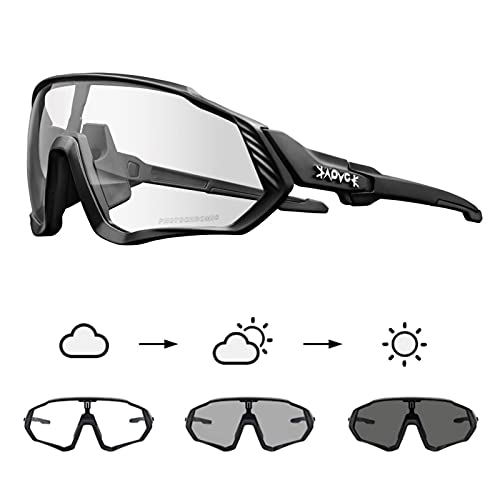
KAPVOE Photochromic Cycling Glasses Men Women Mountain Bike Sunglasses Clear MTB Bicycle Riding - K9408
【Photochromic Glasses】 Lenses will change from clear to dark gray in response to the intensity of the ultraviolet,...
As an affiliate, we earn on qualifying purchases.
Conclusion
By choosing to ride with air quality in mind, you become a beacon of change amid the haze. Every mindful decision clears the path not just for yourself, but for future generations. Remember, your actions ripple outward like a stone cast into still water—small yet powerful. So, embrace eco-friendly rides and breathe easier, knowing you’re part of a collective effort to improve the air we share. After all, the air we give is the air we take.
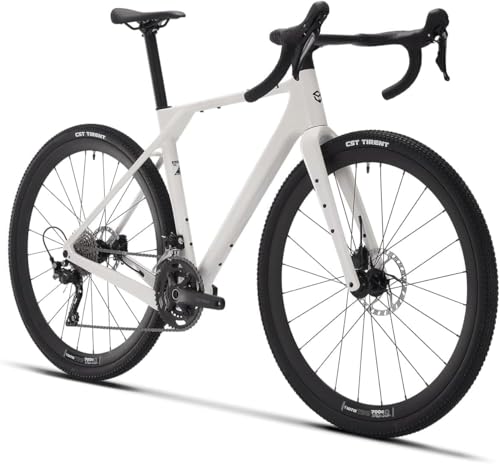
SAVADECK T800 Carbon Gravel Bike, with Shimano GRX610 12-Speed, Hydraulic Disc Brakes, 700x40c Tires for Road & Off-Road Adventure, Men's/Women's Bicycle(Elegant White, 51cm)
【With SHIMANO GRX Drivetrain Setup】Equipped with SHIMANO GRX610 shifters and RX822 rear derailleur, matched with a 12-speed M6100...
As an affiliate, we earn on qualifying purchases.

PZT Upgraded Bike Tent with Rain Cover, Portable Outdoor Storage Shed for 2 Bikes, 210D Oxford Fabric PU4000 Waterproof, Bike Shed/Bike Cover for Motorcycles, Garden Tools, Lawn Mower
Innovative Upgrade: A rain cover is added on the top of this bike tent/bike shed to enhance wind...
As an affiliate, we earn on qualifying purchases.