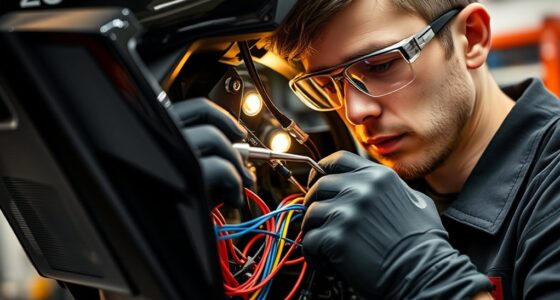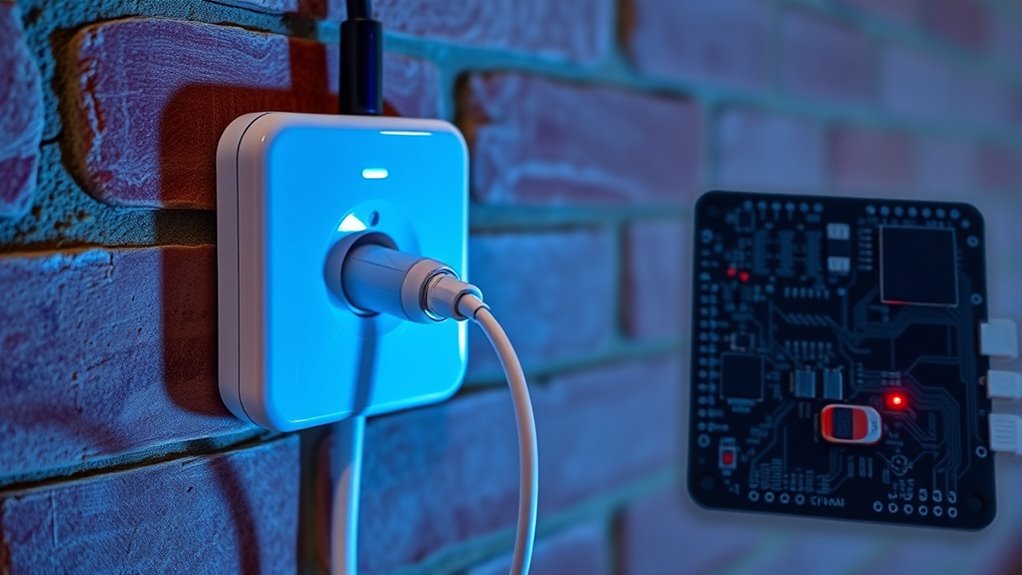

To guarantee safe and efficient home EV charging, it’s crucial to have dedicated circuits installed by a qualified electrician. Using proper wiring, circuit breakers, and safety features like GFCIs protects your home from electrical faults, overheating, and fires. Avoid overloading outlets or attempting DIY setups, as they can be hazardous. Professional installation and adherence to local codes help you set up a reliable system, and there’s more to learn about optimizing your charging safety and performance.

Get sports gear delivered free with Prime
- Fast, free delivery on millions of items
- Prime Video, Amazon Music and more included
- Member-only deals all year
Key Takeaways
- Use dedicated circuits with appropriate amperage to support EV charger power requirements.
- Hire a licensed electrician to ensure wiring meets safety standards and local electrical codes.
- Install GFCI outlets or breakers to prevent electrical shocks and reduce fire risks.
- Regularly inspect and maintain wiring and connections for corrosion, wear, or damage.
- Avoid DIY electrical work; professional installation ensures safety, compliance, and reliable operation.
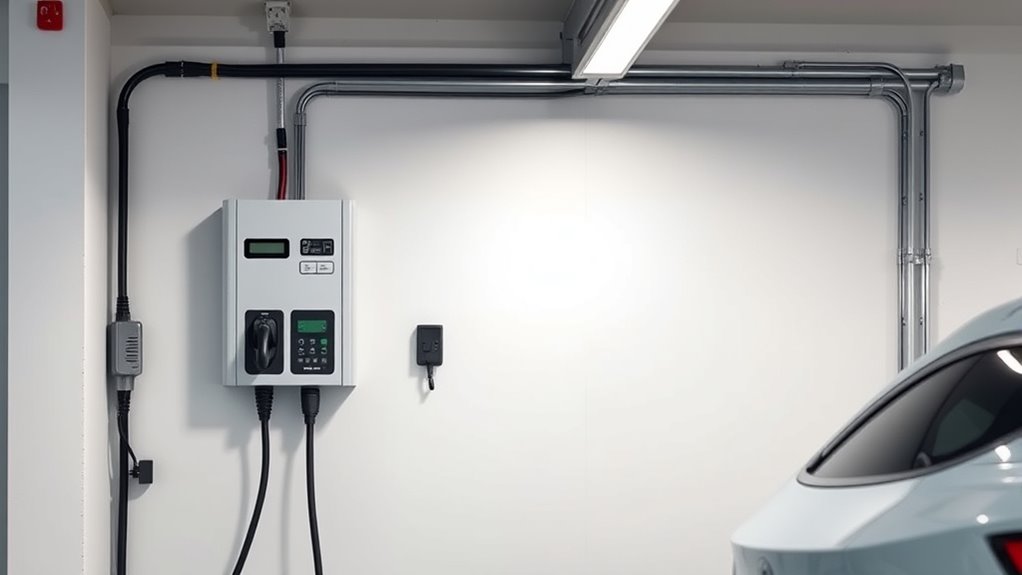
Charging your electric vehicle at home offers a convenient and cost-effective way to keep your car ready for daily use. It’s no longer necessary to visit public charging stations or plan your day around charging stops. Instead, you can simply plug in your EV overnight and wake up with a full battery. To make this process safe and efficient, understanding the significance of proper circuits and wiring safety is essential. When setting up your home charging station, you need to consider the electrical infrastructure and ensure your wiring can handle the load. Many standard household outlets aren’t designed for the high current draw of EV charging, so investing in a dedicated charging station or a properly installed circuit is wise. This not only speeds up charging times but also reduces the risk of electrical issues.
You should always prioritize wiring safety when installing or upgrading your home’s electrical system for EV charging. Faulty or inadequate wiring can lead to overheating, electrical fires, or damage to your vehicle’s charging system. It’s recommended to hire a licensed electrician who understands EV charging requirements. They’ll evaluate your current wiring and determine if it needs reinforcement or a dedicated circuit. A dedicated circuit ensures that the EV charger has sufficient power without overloading your home’s main electrical panel. This setup minimizes the risk of tripped breakers and electrical hazards, providing peace of mind while charging.
When contemplating EV charging stations, look for those that come with built-in safety features like ground-fault circuit interrupters (GFCIs), which cut off power if a fault is detected. These safety mechanisms are vital for preventing electrical shocks and potential fires. Proper wiring safety also involves ensuring all connections are secure and insulated, preventing accidental contact or short circuits. Additionally, your electrician should verify that your wiring complies with local electrical codes and standards, which are designed to protect you and your property. Recognizing the importance of proper electrical infrastructure can significantly impact your charging experience and safety.
While installing your home EV charging system, don’t forget about ventilation and moisture control. Proper installation can prevent corrosion and electrical faults caused by moisture or dust. Regular inspections and maintenance of the wiring and connections further enhance safety. Remember, cutting corners or attempting DIY electrical work without proper knowledge can jeopardize your safety and the longevity of your charging station. By investing in professional installation and adhering to wiring safety protocols, you’ll enjoy reliable, safe, and efficient home charging for years to come.
dedicated EV charging circuit breaker
As an affiliate, we earn on qualifying purchases.
As an affiliate, we earn on qualifying purchases.
Frequently Asked Questions
What Are the Costs Associated With Installing a Home Charging Circuit?
The cost to install a home charging circuit varies based on wiring requirements and your home’s electrical setup. Typically, you should budget around $500 to $2,500 for professional installation, including labor and materials. A detailed cost estimation considers the circuit breaker upgrade, wiring length, and any needed permits. To get an accurate estimate, consult a licensed electrician, who can assess your wiring requirements and provide a tailored quote.
How Often Should I Inspect My Home Charging System for Safety?
You should inspect your home charging system at least once a year for safety. Regular safety checkups help identify potential issues like loose connections, damaged cords, or signs of overheating. If you notice any problems, such as sparks or unusual smells, perform inspections more frequently and contact a professional. Consistent inspections guarantee your charging setup remains safe, reliable, and in good working order, preventing potential hazards.
Can Existing Home Electrical Circuits Handle EV Charging Loads?
Think your home’s wiring is ready for EV charging? Think again! Most existing circuits lack the EV circuit capacity needed for high-powered charging. Before plugging in your new EV, you’ll likely need wiring upgrades to handle the load safely. Ignoring this could cause tripped breakers or worse. Always get a professional assessment to guarantee your circuits can handle the demand, because safety shouldn’t be an afterthought.
Are There Specific Safety Certifications for Home EV Charging Equipment?
Yes, your home EV charging equipment should have UL certification to meet safety standards. UL certification guarantees the charger complies with strict safety protocols, preventing electrical hazards. Always check for UL markings or other recognized safety certifications before installing or using a charger. This way, you protect yourself and your home from potential risks, ensuring safe and reliable charging every time.
What Steps Should I Take in a Power Outage or Electrical Fault?
In a pinch, think of yourself as a modern-day hero—your first move is to stop charging immediately. Follow emergency procedures by unplugging the charger if safe, and avoid touching any faulty equipment. Use fault detection features on your charger or circuit breaker, and if you’re unsure, contact a qualified electrician. Always prioritize safety, and don’t hesitate to call emergency services if needed.
Conclusion
By ensuring your home charging circuits are properly installed and maintained, you keep your electric vehicle safe and efficient. Did you know that over 80% of EV owners charge their cars at home? This highlights how essential a secure, dedicated circuit is for everyday convenience and safety. Stay proactive with regular inspections, and you’ll enjoy worry-free charging. Proper setup not only protects your investment but also keeps your household safe, making home charging a seamless part of your routine.
NFL season / tailgating Picks
team gear
As an affiliate, we earn on qualifying purchases.