Electronic shifting feels like a luxury because it provides smooth, accurate gear changes when conditions are ideal. However, under load—like climbing steep hills or hauling weight—issues can arise. Factors such as dirt, moisture, battery level, or miscalibration can cause sluggish responses or mis-shifts. These limitations reveal the system’s dependency on proper maintenance and environment. If you want to discover how to keep your system performing at its best even under stress, there’s more to explore.
Key Takeaways
- Load increases mechanical tension, causing misalignment and sluggish shifts despite a high-end system.
- Battery performance fluctuations under load can reduce shift responsiveness and system precision.
- Dirt, grime, and moisture buildup interfere with sensors, leading to delays during demanding climbs.
- External factors like environmental conditions diminish the system’s luxury feel when stressed.
- Regular maintenance and proper calibration are essential to maintain seamless shifting under heavy load.
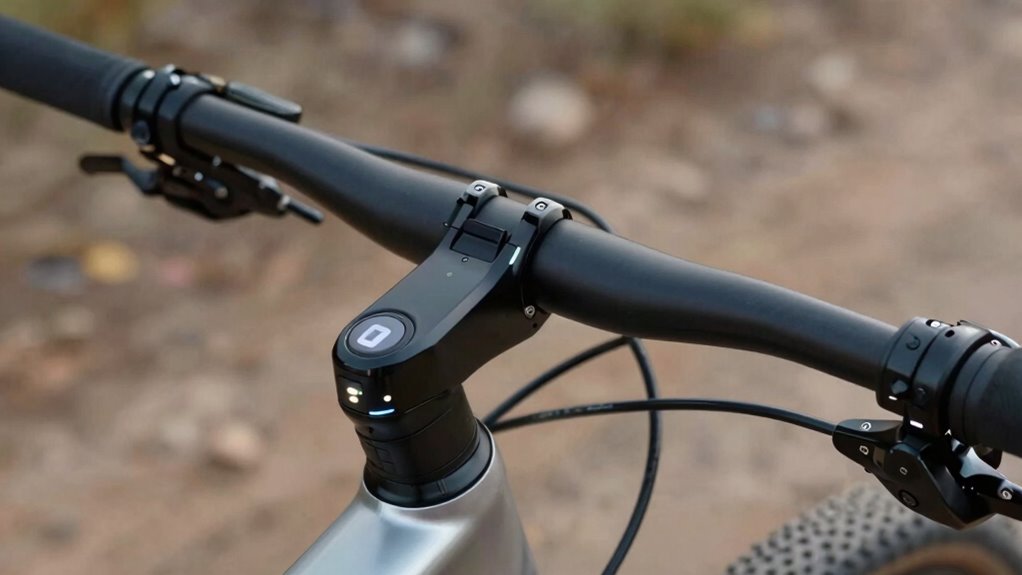
When you’re riding under heavy load, you might notice that your electronic shifting system doesn’t feel as smooth or responsive as it does during lighter pedaling. This isn’t just in your head—there are real reasons behind this change in feel. Under load, your bike’s gear calibration can be thrown off, making shifts feel sluggish or inconsistent. When you’re pushing hard, the mechanical tension in the drivetrain increases, and if your system isn’t perfectly calibrated, the derailleur may struggle to find the right gear quickly. Ensuring proper gear calibration is vital to maintaining seamless shifting, especially when the bike is under stress. If your system is slightly out of alignment, it can lead to mis-shifts or delayed responses, which become more noticeable when you’re climbing or hauling a heavy load. Additionally, fluctuations in battery performance can impact the responsiveness of your electronic shifting system, especially under demanding conditions. Regularly checking your battery level and ensuring it’s fully charged before rides with heavy loads can help mitigate this issue. Some systems also have battery management features that warn you when power is low, so keeping an eye on these indicators is essential for consistent performance. Battery health is another crucial factor, as degraded batteries may not deliver consistent power, affecting shift responsiveness during tough rides. Additionally, the overall performance of your electronic shifting system depends on consistent maintenance. Dirt, grime, or moisture can interfere with the sensors and connections, affecting how well the system responds under load. Even minor dirt buildup can cause delays or miscommunications between the shifter and derailleur. Proper bike maintenance is equally important for preventing issues and ensuring your system performs optimally. In essence, what makes electronic shifting feel like a luxury is its precision and ease—until load and battery issues interfere. To keep that feeling, you need to stay on top of gear calibration, monitor your battery performance, and maintain your bike properly. When these elements are in harmony, your system will respond swiftly and smoothly, regardless of how hard you’re pushing. But neglect them, and even the most advanced setup can feel sluggish, reminding you that electronic shifting still has its limits under tough conditions.
electronic bike shifting maintenance kit
As an affiliate, we earn on qualifying purchases.
As an affiliate, we earn on qualifying purchases.
Frequently Asked Questions
How Does Electronic Shifting Compare to Mechanical in Durability?
Electronic shifting generally offers comparable durability to mechanical systems, especially with quality gear integration. However, it relies on batteries, so you need to take into account battery lifespan—constant use can drain batteries faster, requiring replacements or recharges. Mechanical systems are often more resilient in harsh conditions, but electronic shifting‘s precision and fewer moving parts can reduce wear over time. Ultimately, your riding style and terrain influence durability differences.
Can Electronic Shifting Be Repaired Easily in the Field?
Electronic shifting can be repaired in the field, but it depends on the issue. You might need to replace the battery if it’s dead or has reduced life, which is straightforward. Firmware updates can often fix minor glitches, but more complex problems may require professional service. Overall, with some basic tools and knowledge, you can handle simple repairs, but more serious issues might still need expert attention.
What Maintenance Is Required for Electronic Shifting Systems?
You need to keep an eye on your electronic shifting system’s battery life and software updates. Regularly charge the battery and replace it when it weakens, or your shifting performance might suffer unexpectedly. Don’t forget to install software updates promptly—they often fix bugs and improve functionality. Neglect these essentials, and the luxury of smooth, reliable shifting could suddenly turn into a frustrating experience when you least expect it.
Are Electronic Shifters Compatible With All Bike Types?
Electronic shifters aren’t compatible with all bike types, mainly due to bike frame compatibility and battery life considerations. You need to check whether your bike’s frame can accommodate electronic components, especially for integrated systems. Also, consider how long the battery lasts during rides; some models require regular charging, which could be inconvenient for longer or frequent rides. Always verify compatibility before upgrading to electronic shifting.
How Does Weather Affect Electronic Shifting Performance?
Weather impact can influence electronic shifting performance, especially in rain or extreme cold. Moisture may cause sensors or connectors to malfunction, leading to inconsistent gear changes. Cold temperatures can slow down electronics or drain batteries faster, affecting performance consistency. To maintain peak function, keep components dry and protected from harsh weather. Regularly check and update firmware, and consider weatherproofing measures to guarantee reliable shifting regardless of conditions.
Conclusion
Once you experience electronic shifting under load, you realize it’s like slipping into a well-tailored suit—smooth and effortless. It’s a subtle luxury that often goes unnoticed until you push your limits. When the ride gets tough, this system quietly steps up, making every shift feel like a gentle whisper rather than a jarring command. Embrace it, and you’ll find that what once seemed a fancy perk now feels like an essential part of your ride’s quiet elegance.