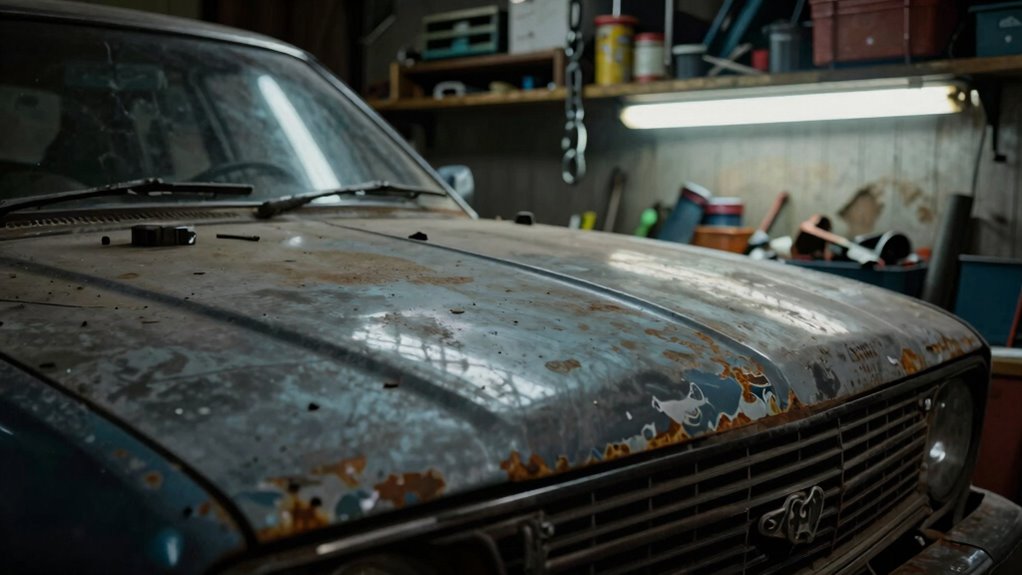

To gather more useful details than a wide shot, position your garage camera slightly downward and focus on key entry points like the garage door and side entrances. This angle captures faces, license plates, and objects clearly, reducing blind spots. Proper lighting combined with strategic placement makes details pop and improves identification. By choosing angles that emphasize important areas and lighting up shadows, you can maximize surveillance effectiveness — and you’ll find out how to perfect this setup if you keep exploring.

Get sports gear delivered free with Prime
- Fast, free delivery on millions of items
- Prime Video, Amazon Music and more included
- Member-only deals all year
Key Takeaways
- Use a slightly downward angle focused on entry points to capture faces and license plates clearly.
- Position cameras closer to objects of interest rather than high or wide mounts.
- Optimize angles to cover areas like garage doors and side entrances for detailed views.
- Combine strategic lighting with camera placement to reduce shadows and enhance detail.
- Focus on angles that follow movement flow to reveal more context than a broad, wide shot.
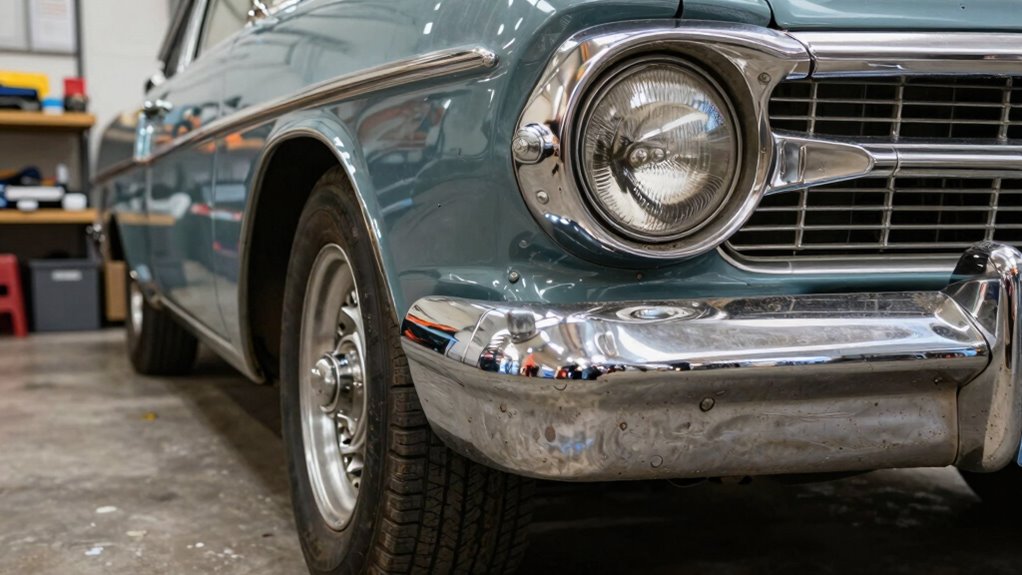
When it comes to security footage, the angle of your garage camera can make all the difference in what you see—and what you miss. Choosing the right position isn’t just about capturing the broadest view; it’s about optimizing what details are visible and making certain no essential moments are overlooked. Camera positioning plays a key role here. Instead of mounting your camera high and wide, consider angling it slightly downward, focusing on key entry points like the garage door or side entrances. This placement allows you to see faces, license plates, and objects clearly, rather than just a vague silhouette or shadow. A well-placed camera captures more meaningful footage and reduces blind spots, giving you a clearer picture of what’s happening. Additionally, understanding the importance of camera angles can help you better tailor your setup for maximum visibility. Lighting techniques are equally important in making your camera effective. Garage environments often have uneven lighting—bright spots near the door and shadows in corners—making it hard for standard cameras to deliver sharp images. To combat this, you should consider adding supplemental lighting, such as motion-activated LED lights, which activate when movement is detected. Proper lighting ensures that the camera captures clear, detailed footage, especially during nighttime or low-light conditions. When choosing your camera angle, aim it in a way that benefits from this lighting—pointing toward areas illuminated by your lights rather than into dark corners. This way, you maximize the effectiveness of your lighting setup and make certain your footage stays useful regardless of the time of day. Understanding lighting techniques and how they interact with camera placement can significantly enhance your surveillance setup. The combination of strategic camera positioning and effective lighting techniques transforms your garage camera from a basic surveillance tool into a reliable security asset. Instead of just capturing a wide, unfocused shot, you focus on angles that highlight important details—like faces, vehicle plates, or suspicious activity. Think about the flow of movement in your garage and position your camera where it can catch those moments most clearly. Use lighting to fill in shadows and prevent dark spots that could obscure important details. Proper camera placement and lighting enhance the overall visibility and effectiveness of your security system. When you do this, your footage becomes more than just a blurry outline; it turns into actionable evidence. Ultimately, the goal is to create a setup that’s both precise and practical. Proper camera positioning combined with thoughtful lighting ensures you see more than what’s in a wide shot. It gives you clear, detailed footage that can help you identify people, vehicles, or objects with confidence. Take the time to plan your angles carefully, using lighting techniques to enhance visibility. With a well-thought-out approach, your garage camera will become a powerful tool in safeguarding your property.
garage security camera with downward angle
As an affiliate, we earn on qualifying purchases.
As an affiliate, we earn on qualifying purchases.
Frequently Asked Questions
How Does the Garage Camera Angle Influence Viewer Perception?
The garage camera angle influences your perception by offering a unique camera perspective that heightens viewer engagement. It immerses you into the scene, making you feel closer to the characters or action. This perspective often emphasizes details and emotions that a wide shot might overlook, guiding your focus and shaping your understanding of the story. Ultimately, it creates a more intimate and compelling viewing experience.
What Equipment Is Best for Capturing Garage Camera Angles?
You should choose a camera with excellent stabilization to keep footage smooth amid tight garage spaces. Opt for a wide-angle lens, like a 24mm or 16mm, to capture the depth and detail from that unique angle. Use a tripod or gimbal to prevent shaky shots, ensuring your camera stays steady as you explore the scene. This combination helps you highlight the garage’s atmosphere and secrets with clarity and impact.
Can Garage Camera Angles Be Used Effectively in All Genres?
Garage camera angles can be highly effective across genres, especially when you focus on comedic timing or emotional resonance. By creatively framing scenes, you draw viewers into the story, emphasizing key moments or reactions. Whether in comedy or drama, these angles help shape mood and tone, making scenes more engaging. So, with thoughtful use, garage angles can enhance virtually any genre, adding depth and nuance to your storytelling.
How Do Lighting Conditions Affect Garage Camera Shots?
Lighting conditions greatly influence garage camera shots. You should pay attention to natural illumination, which can enhance realism or mood, and shadow play, adding depth or mystery. When natural light is dim, use shadows creatively to emphasize certain elements or create intrigue. Bright, even lighting reveals details, while low light with strategic shadows can evoke tension or secrecy, making your shot more compelling and visually dynamic.
Are There Common Mistakes to Avoid With Garage Camera Angles?
To avoid common mistakes with garage camera angles, make certain your camera isn’t too high or low, which can hinder vehicle tracking and compromise garage security. Avoid placing the camera where glare or shadows obscure important details. Ensure the angle provides a clear view of entry points and key areas. Properly positioning your camera helps monitor activity effectively, deters theft, and ensures reliable footage for vehicle tracking and overall garage security.
Conclusion
So, next time you’re setting up your camera, remember—sometimes the narrow view holds the widest truths. Like a whisper in a crowded room, a focused angle reveals secrets a wide shot might hide. It’s not just about capturing space; it’s about capturing meaning. Don’t overlook the power of perspective; it’s the lens through which your story truly unfolds. Embrace the angle that whispers more, and watch your footage come alive with unseen depths.
NFL season / tailgating Picks
team gear
As an affiliate, we earn on qualifying purchases.