
Gravel bikes blur the line between adventure and training because they’re designed to handle diverse terrains, pushing you into challenging conditions while building skills and endurance. They’re versatile enough for off-road exploration and serious workouts, encouraging you to grow as a rider in unpredictable environments. Regular maintenance and handling skills improve safety and confidence, making your rides both adventurous and effective for fitness. Stick around to discover how this versatility can elevate every aspect of your cycling journey.

Get sports gear delivered free — and shop member deals
- Fast, free delivery on millions of items
- Access to Prime Big Deal Days deals on October 6–7
- Prime Video, Amazon Music and more included
Key Takeaways
- Gravel bikes are versatile, suitable for both rugged adventure terrains and structured training rides.
- Their design promotes skill development and endurance, blending exploration with athletic growth.
- Regular maintenance and handling on diverse surfaces improve technical riding abilities.
- They enhance safety awareness through exposure to unpredictable hazards and terrain adaptability.
- Gravel riding encourages mental resilience and confidence, benefiting both adventure and performance.
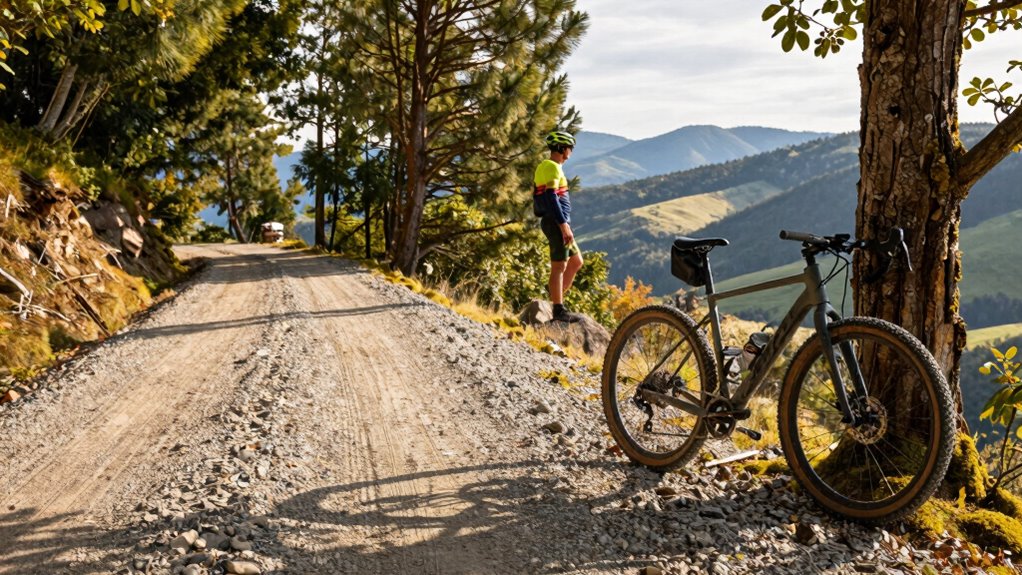
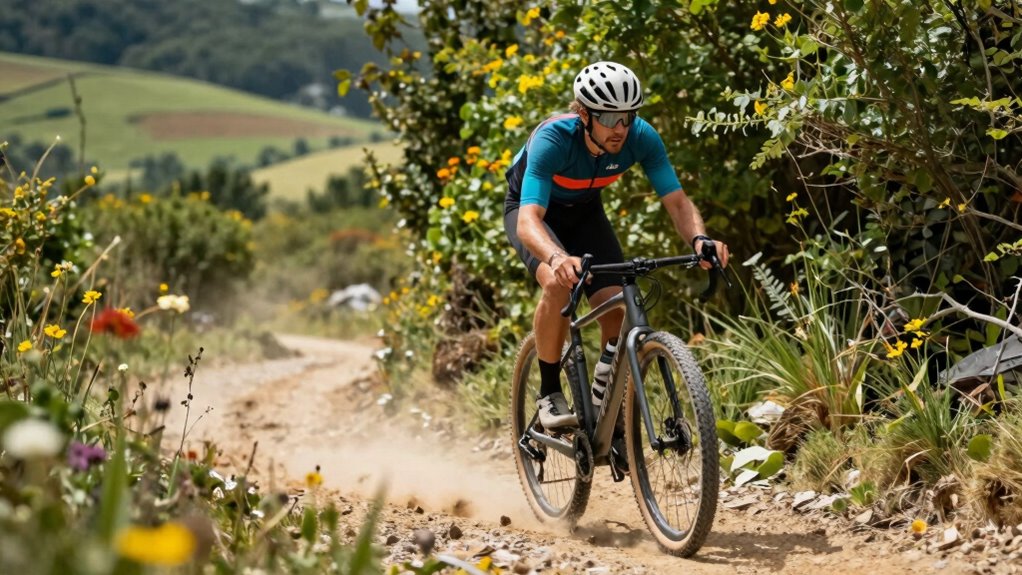
Are gravel bikes just for adventure, or do they also serve as effective training tools? The answer lies in how adaptable these bikes are. Designed to handle a variety of terrains, gravel bikes blend the thrill of off-road exploration with the demands of serious training. When you ride a gravel bike, you’re not restricted to smooth pavement; instead, you can challenge yourself with rugged trails, loose gravel, and uneven surfaces. This diversity makes them ideal for building strength, endurance, and technical skills that transfer well to road cycling. But with this versatility comes the need for diligent bike maintenance. Gravel routes often involve dirt, mud, and debris that can quickly wear down components or cause mechanical issues. Regular cleaning, checking tire pressure, and inspecting the drivetrain are vital to keep your bike in top condition. Proper bike maintenance not only guarantees your safety but also enhances performance, whether you’re training for a race or exploring new routes. bike maintenance is especially crucial because gravel riding exposes your bike to more abrasive elements and harsher conditions. Additionally, the variety of terrains encountered during gravel riding can improve your overall bike handling skills, making you a more versatile rider.
Road safety is another key aspect to bear in mind when using gravel bikes for training. Riding on unpaved roads and trails introduces unpredictable hazards—loose stones, potholes, or sudden changes in terrain—that demand increased focus and skill. This heightened awareness makes gravel riding an excellent way to sharpen your overall riding ability, which translates directly to improved safety on your regular road rides. However, it’s essential to equip your bike with the right tires and verify your braking system is responsive. Good brakes and appropriate tires help you navigate tricky sections safely and prevent accidents. Also, wearing a helmet and high-visibility gear keeps you protected and visible to other road users. Since gravel riding often involves mixed surfaces, you’ll develop better control and confidence, especially in adverse weather conditions or challenging terrain. Additionally, understanding terrain adaptability can help you make smarter decisions during your rides and avoid unnecessary risks.
Using a gravel bike for training doesn’t mean you’re neglecting the fundamentals of road safety or bike maintenance. Instead, it enhances your riding skills, builds resilience, and broadens your experience. The unpredictable nature of gravel routes pushes you to adapt quickly, sharpening your technical skills and mental toughness. Meanwhile, staying attentive to bike maintenance keeps your equipment reliable and safe during each ride. In the end, gravel bikes serve as powerful tools that blur the line between adventure and training, offering an all-encompassing way to improve your cycling while exploring new landscapes. Whether you’re chasing personal bests or discovering remote trails, a gravel bike can be your best companion in both pursuit of adventure and athletic growth.
As an affiliate, we earn on qualifying purchases.
Frequently Asked Questions
Can Gravel Bikes Handle Road Racing Events Effectively?
Yes, gravel bikes can handle road racing events effectively. When comparing them to traditional road bikes, they often have similar lightweight frames and efficient gears, making them suitable for racing. Their racing gear suitability depends on your setup—adding thinner tires and higher-pressure inflation boosts speed and agility. While they may not match specialized race bikes in aerodynamics, gravel bikes offer versatility, allowing you to switch from adventure riding to competitive racing with ease.
What Maintenance Differences Exist Between Gravel Bikes and Road Bikes?
You’ll find that gravel bikes require slightly different maintenance than road bikes. For example, you’ll want to check tire pressure more frequently since gravel tires often need lower pressures for grip, but they can vary more with terrain. Also, chain lubrication is essential because dirt and debris are more common on gravel rides, so you should clean and lubricate your chain regularly to prevent wear and guarantee smooth shifting.
Are Gravel Bikes Suitable for Long-Distance Endurance Rides?
Yes, gravel bikes are suitable for long-distance endurance rides because they offer excellent road comfort and tire versatility. You’ll appreciate their relaxed geometry, which reduces fatigue over long miles, and the ability to switch between wide, rugged tires and slimmer options for varied terrain. This adaptability makes them perfect for extended adventures, whether on paved roads or rougher trails, ensuring a smooth, comfortable ride throughout your journey.
How Do Gravel Bikes Perform on Steep Mountain Trails?
Think of your gravel bike as a mountain goat, agile and resilient. On steep mountain trails, it handles rugged terrain with impressive trail performance, thanks to wide tires and sturdy frame design. While not a full-on mountain bike, it offers stability and control on technical ascents and descents. Your gravel bike’s versatility shines, making challenging mountain terrain manageable and enjoyable, balancing adventure with reliable performance.
What Are the Best Accessories for Converting a Gravel Bike?
To convert your gravel bike, focus on tire accessories like tubeless sealant and puncture-resistant tires to handle diverse terrains. Add storage solutions like handlebar bags or frame packs for gear. These upgrades improve versatility for both adventure rides and training sessions. By customizing with the right tire accessories and storage options, you can seamlessly switch between exploring rugged trails and hitting your training targets without hassle.
Conclusion
As you settle into your gravel ride, you realize it’s more than just adventure or training—it’s a journey that blurs both lines. With each rugged trail and smooth pavement, the bike beckons you to push further, to discover what’s beyond the horizon. Will this ride be about conquering miles or seeking new horizons? One thing’s certain: as the trail unfurls ahead, you’re about to find out where the gravel truly takes you.
NFL season / tailgating Picks
team gear
As an affiliate, we earn on qualifying purchases.