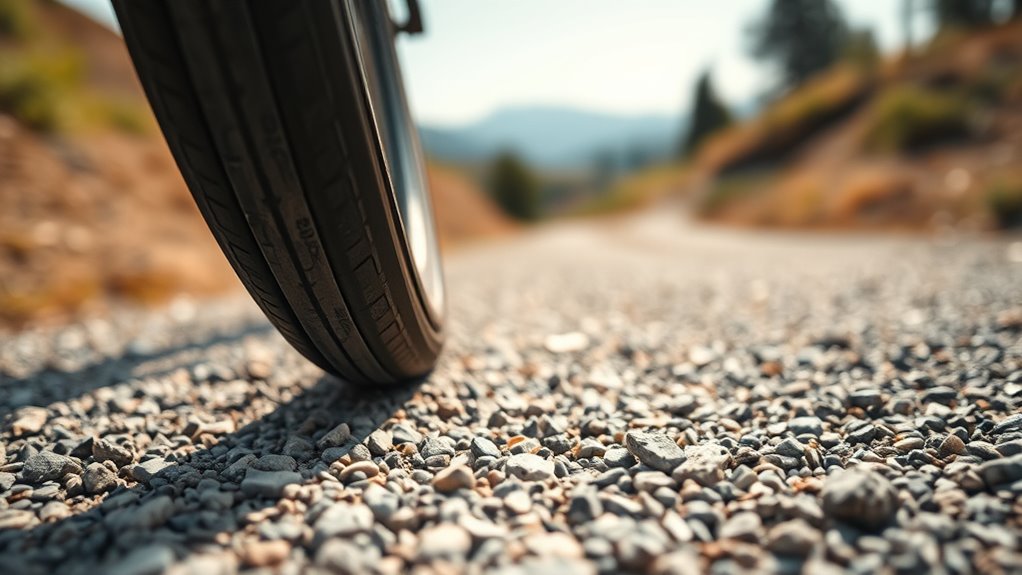

To optimize your gravel tire pressure, consider your terrain, tire width, rider weight, and riding style. Typically, aim for 35 to 45 psi, lowering pressure for loose or uneven surfaces to boost grip and comfort. Wider tires usually let you run lower pressures, while narrower ones need higher pressures to prevent flats. Adjusting your pressure based on conditions helps you stay safe and perform well. Keep exploring; you’ll find even more tips to fine-tune your ride.
Key Takeaways
- Adjust tire pressure based on terrain, rider weight, and tire width within the typical 35-45 psi range for optimal grip and comfort.
- Lower pressures improve traction on loose or uneven surfaces but risk pinch flats if too low.
- Wider rims and tires support lower pressures, enhancing ride quality and shock absorption.
- On smooth, packed surfaces, higher pressures reduce rolling resistance and improve efficiency.
- Regularly monitor and tailor tire pressure to balance safety, flat prevention, and performance.

Ever wonder how to optimize your gravel riding experience? One of the most effective ways is by dialing in the right tire pressure. It might seem simple, but small adjustments can make a huge difference in comfort, traction, and efficiency. When considering tire pressure tips, remember that your gravel bike setup plays a vital role. The ideal pressure isn’t a one-size-fits-all number; it depends on your weight, the terrain, and your riding style.
Start by understanding that lower tire pressures generally provide better grip and comfort, especially on loose or uneven surfaces. However, going too low can risk pinch flats or rim damage, so you need a balanced approach. For gravel riding, many cyclists find that a range between 35 to 45 psi works well, but this can vary based on your bike setup. If your gravel bike has wider tires, you might drop the pressure slightly lower, as the increased volume allows for better shock absorption without sacrificing stability. Conversely, narrower tires might require a bit more air to prevent pinch flats, especially on harder packed surfaces.
Your gravel bike setup also influences how you should approach tire pressure. Factors like tire width, rim width, and even the rider’s weight are critical. Wider rims and tires tend to support lower pressures comfortably, since they distribute your weight more evenly and reduce the risk of pinch flats. Conversely, if your bike setup leans toward a narrower profile, you’ll want to maintain slightly higher pressures to keep the tire’s shape and avoid pinch flats. Also, consider your riding conditions: if you’re tackling sharp gravel or technical descents, slightly reducing your pressure can improve traction and control. On smoother, packed surfaces, increasing pressure can reduce rolling resistance and make pedaling more efficient.

Schwinn Sporterra RX Gravel Bike, 700c Mens and Womens Bike, 14-Speed Drop Bar Gravel Bicycle, Mechanical Disc Brakes, Rigid Fork, Aerodynamic Riding Position, Quick Release Seat Post, Adult Bicycle
GRAVEL BICYCLE: Enjoy next level riding with the Sporterra RX by Schwinn. With 700c wheels, this mens and...
As an affiliate, we earn on qualifying purchases.
Frequently Asked Questions
How Often Should I Check My Gravel Tire Pressure During Rides?
You should check your gravel tire pressure at least once every 30 minutes during rides. Keep an eye on tire wear and pressure fluctuations, which can affect your ride quality and safety. Regular checks help you maintain ideal pressure, prevent flats, and improve traction. If you notice significant pressure drops quickly, it’s a sign to inspect for leaks or damage. Staying attentive ensures a smoother, safer gravel adventure.
Can I Use Mountain Bike Tires for Gravel Riding?
You can use mountain bike tires for gravel riding, but make certain they’re compatible with your bike’s wheel size and clearances. Mountain bike compatibility often means wider tires, which can handle rougher terrain better. Remember to do a tire pressure conversion to find the ideal pressure—mountain bike tires typically require lower pressure for better traction on gravel. Adjust your pressure accordingly to balance comfort, grip, and puncture resistance during your ride.
What’s the Best Way to Adjust Pressure for Different Terrains?
To adjust pressure for different terrains, you should start by lowering your tire pressure for rough, loose, or technical sections to improve grip and comfort, while increasing it on smooth surfaces for efficiency. Keep an eye on tire wear and monitor for pressure loss, which can signal the need for adjustments. Regularly check your pressures and adapt as terrain changes, ensuring ideal performance and reducing the risk of flats.
How Does Tire Width Affect Optimal Pressure?
Tire width considerably impacts your ideal pressure because wider tires require lower pressure for better grip and comfort, while narrower tires need higher pressure for efficiency. The wider the tire, the more it absorbs shocks and reduces pinch flats, so you should customize your pressure accordingly. Always adjust your tire pressure based on the terrain and your riding style, ensuring the tire width’s impact is considered for a smoother, safer ride.
Are There Specific Tools Recommended for Accurate Pressure Measurement?
You should use a reliable digital pressure gauge for accurate readings, especially since some pumps may not be compatible with certain gauges. This small tool can make a big difference in your ride quality. Be cautious—some digital gauges offer features that can trick you, so choose one designed for bike tires. With the right gauge, you’ll confidently dial in the perfect pressure, revealing smoother, safer gravel adventures.
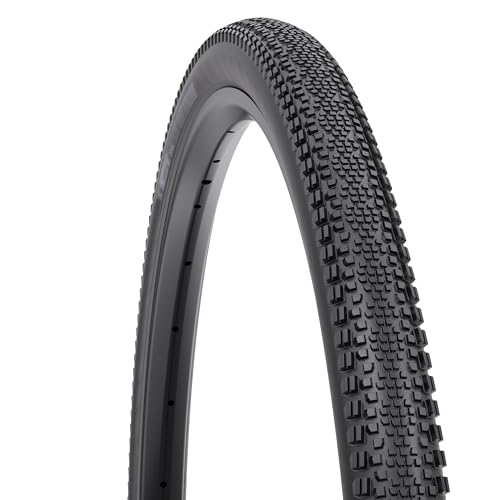
WTB Riddler Gravel Bike Tire (700 x 37) Tubeless Folding - Light & Fast Rolling - Bikepacking (Black)
SUBSTANTIAL CORNERING KNOBS meet a low-profile center tread, making the Riddler an excellent choice for gravel grinding or...
As an affiliate, we earn on qualifying purchases.
Conclusion
Think of your gravel bike tires as the heartbeat of your ride—finding the right pressure keeps everything flowing smoothly. When you adjust your psi, you’re tuning the rhythm, balancing grip and comfort like a steady drumbeat guiding you forward. Trust your instincts, listen to the road, and let your tires symbolize your journey’s harmony. With the right pressure, every ride becomes a dance—fluid, confident, and full of adventure.
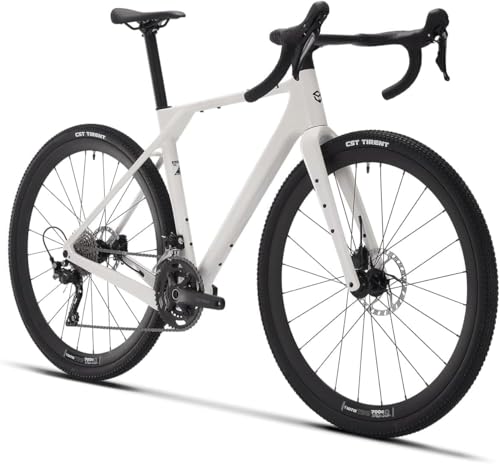
SAVADECK T800 Carbon Gravel Bike, with Shimano GRX610 12-Speed, Hydraulic Disc Brakes, 700x40c Tires for Road & Off-Road Adventure, Men's/Women's Bicycle(Elegant White, 51cm)
【With SHIMANO GRX Drivetrain Setup】Equipped with SHIMANO GRX610 shifters and RX822 rear derailleur, matched with a 12-speed M6100...
As an affiliate, we earn on qualifying purchases.

WTB Vulpine Gravel Bike Tire (700 x 36) Tubeless Folding - Light & Fast Rolling for Races (Iconic Tan Sidewall)
EFFICIENT RACE-FOCUSED DESIGN: The WTB Vulpine tubeless bike tire features tightly spaced center knobs that form a nearly...
As an affiliate, we earn on qualifying purchases.