
The gravel tire width debate is ongoing because you need to balance speed, traction, and comfort based on your terrain and bike. Narrow tires roll faster on smooth gravel but can sacrifice grip and shock absorption on rough surfaces. Wider tires provide better control but may be heavier and less aerodynamic. Your choice depends on your riding style, bike compatibility, and conditions. If you keep exploring, you’ll discover how to find the best setup for your rides.

Get sports gear delivered free with Prime
- Fast, free delivery on millions of items
- Prime Video, Amazon Music and more included
- Member-only deals all year
Key Takeaways
- The debate centers on balancing speed, comfort, and control across diverse terrains with different tire widths.
- Wider tires improve traction and shock absorption but may reduce speed and aerodynamic efficiency.
- Frame and fork clearance limit the maximum tire width a bike can accommodate, influencing rider choices.
- Terrain type (smooth vs. rough) significantly affects optimal tire width and pressure for performance.
- Personal preferences and ongoing experimentation keep the tire width debate alive among gravel riders.
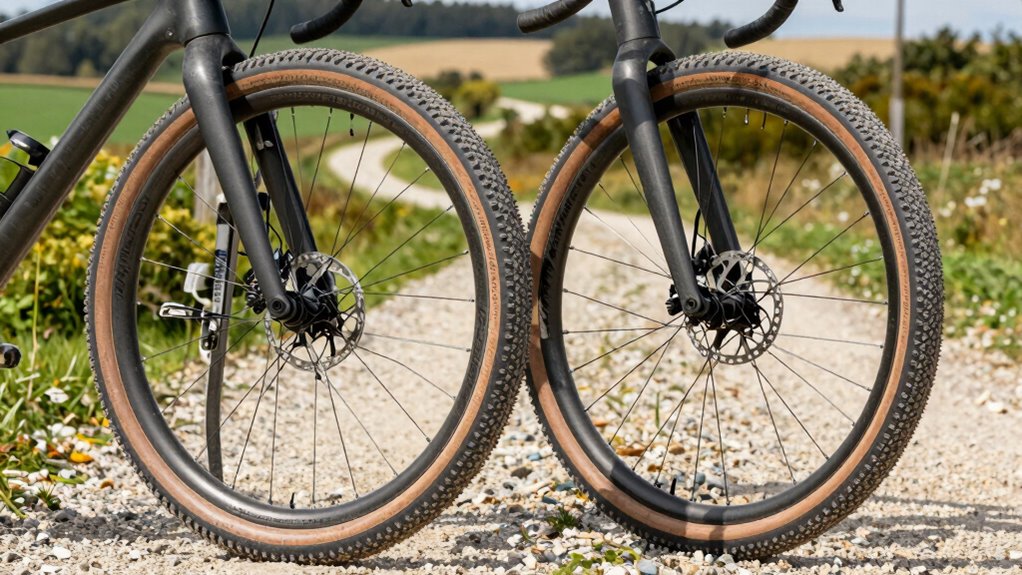
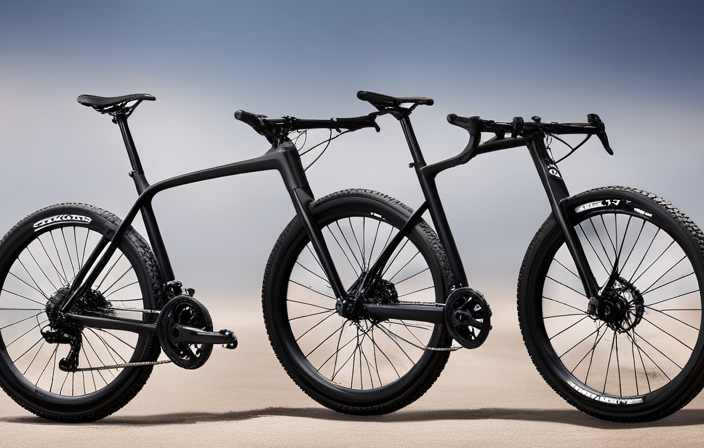
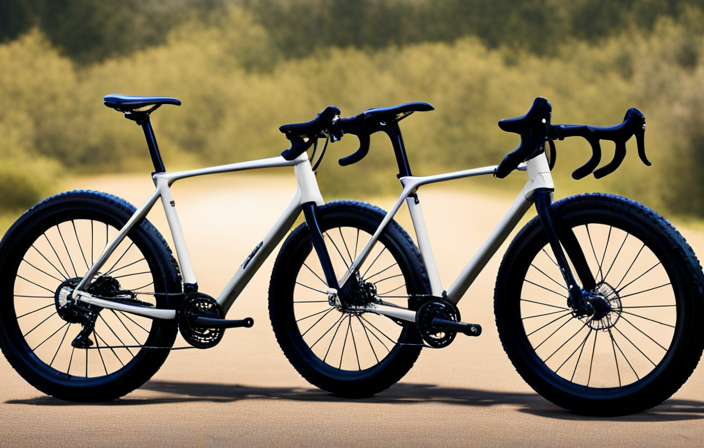
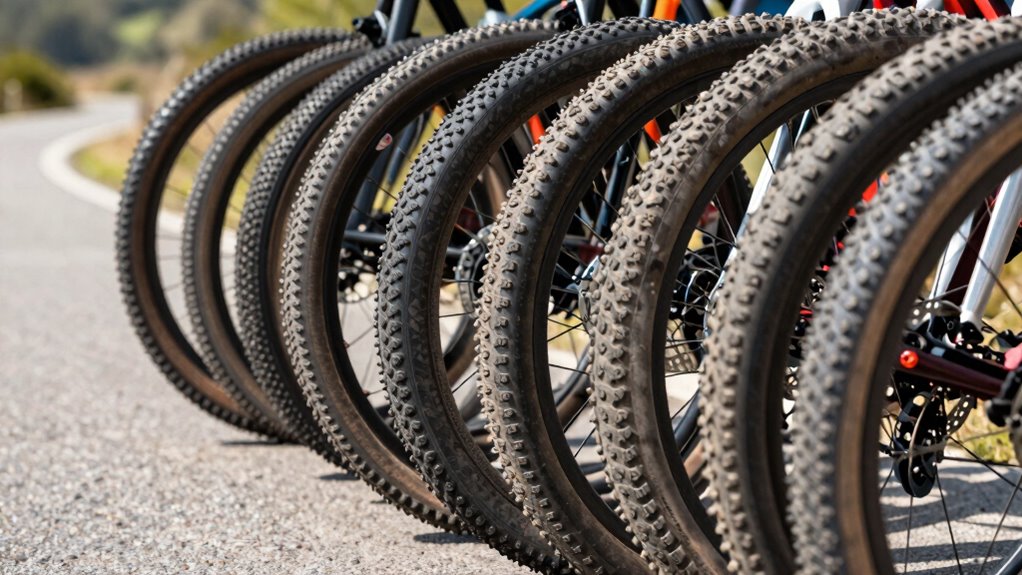
The debate over gravel tire width has become a hot topic among cyclists seeking the perfect balance between speed, comfort, and traction. You’ll find that choosing the right width isn’t just about personal preference; it’s about understanding how tire pressure and gravel bike compatibility come into play. Narrower tires tend to roll faster on smooth surfaces, but they often sacrifice comfort and grip on rougher terrain. On the other hand, wider tires provide better traction and cushioning, but they can be heavier and less aerodynamic. Your goal is to find that sweet spot where your bike handles well across various surfaces without sacrificing efficiency. Additionally, understanding gravel tire width can help you make more informed decisions tailored to your riding needs. Tire pressure is an essential factor in this equation. With narrower tires, you generally need to run higher pressures to prevent pinch flats and maintain speed. This often results in a harsher ride, especially on uneven gravel, where a softer tire pressure can absorb shocks and improve traction. Wider tires, however, thrive at lower pressures, giving you more grip and a smoother ride over loose or uneven terrain. The challenge is that not all gravel bikes are compatible with wider tires. Some frames and forks have limited clearance, making it essential to check your gravel bike’s compatibility before opting for larger widths. If your bike can accommodate wider tires, you gain versatility, but if it’s limited, you might need to settle for narrower options that still perform well on your preferred routes.
Furthermore, tire pressure plays a crucial role in optimizing your ride, especially when considering different tire widths and terrain types. Balancing gravel tire width with gravel bike compatibility involves considering your typical riding conditions. If you mostly ride on smooth, packed gravel, narrower tires with higher pressure might serve you well. But if your rides include loose, rocky, or technical terrain, wider tires with lower pressure will give you more confidence and control. Many riders experiment with different widths to see what feels best for their riding style, but understanding how tire pressure influences performance helps refine those choices. The right combination allows you to maximize speed without sacrificing comfort or traction.
Ultimately, the debate persists because no one-size-fits-all answer exists. Your ideal gravel tire width depends on your bike’s compatibility, your riding style, and the terrain you prefer. By paying attention to tire pressure and how it interacts with tire width, you can optimize your setup for better performance and enjoyment on every ride. The ongoing discussion highlights just how personal cycling choices are—what works for one rider might not suit another, and that’s part of what makes gravel riding so engaging.
As an affiliate, we earn on qualifying purchases.
Frequently Asked Questions
How Do Gravel Tire Widths Affect Cycling Speed?
Choosing wider gravel tires can slow you down due to increased rolling resistance, especially if tire pressure isn’t optimized. Narrower tires typically offer lower rolling resistance, helping you maintain higher speeds on smooth surfaces. However, wider tires provide better grip and comfort on rough terrain, which can improve overall efficiency. Adjust your tire pressure based on tire width and terrain for the best balance between speed and control.
Are Wider Tires More Prone to Punctures?
Wider tires aren’t necessarily more prone to punctures; in fact, they often offer better tire durability and puncture resistance. While the increased surface area might seem like a vulnerability, the thicker rubber and lower pressure help absorb impacts and resist sharp objects. So, instead of worrying about punctures, focus on choosing tires with quality puncture-resistant layers, which can make wider options just as durable, if not more so.
What’s the Best Tire Width for Mixed Terrain?
For mixed terrain, a tire width around 40-45mm strikes a good balance. You get enough volume to handle rough mountain biking sections, providing comfort and grip, while staying narrow enough for efficient road cycling. This versatile width helps you adapt seamlessly between paved and unpaved surfaces. Whether you’re tackling gravel, dirt, or pavement, a 40-45mm tire offers the control and speed you need across varied terrains.
How Does Rim Width Influence Tire Performance?
Rim width considerably impacts your tire performance, especially on mixed terrains. A wider rim increases tire volume, improving stability and grip, while narrower rims can cause the tire to pinch or bead seat improperly. About 70% of riders find that wider rims enhance tubeless compatibility and make rim tape selection easier, reducing the chance of leaks. You’ll enjoy better traction and fewer flats when choosing the right rim width for your tires.
Can Changing Tire Width Improve Overall Comfort?
Yes, changing tire width can improve your overall comfort by providing better shock absorption and a smoother ride. Wider tires often enhance tire durability because they distribute impact forces more evenly, reducing the risk of flats. Just verify your rim compatibility before switching to a wider tire, as improper fit can compromise performance and safety. Adjusting tire width to suit your riding style can make your gravel adventures much more enjoyable.
Conclusion
Ultimately, the debate over gravel tire widths isn’t about finding a perfect answer, but understanding your riding style and terrain. Think of Lisa, who switched from narrow to wider tires for her muddy, rocky rides. She found better traction and comfort, proving that sometimes, adapting your gear makes all the difference. So, choose what suits your adventures best—sometimes, the right tire width can transform your ride and boost your confidence on any trail.
NFL season / tailgating Picks
team gear
As an affiliate, we earn on qualifying purchases.