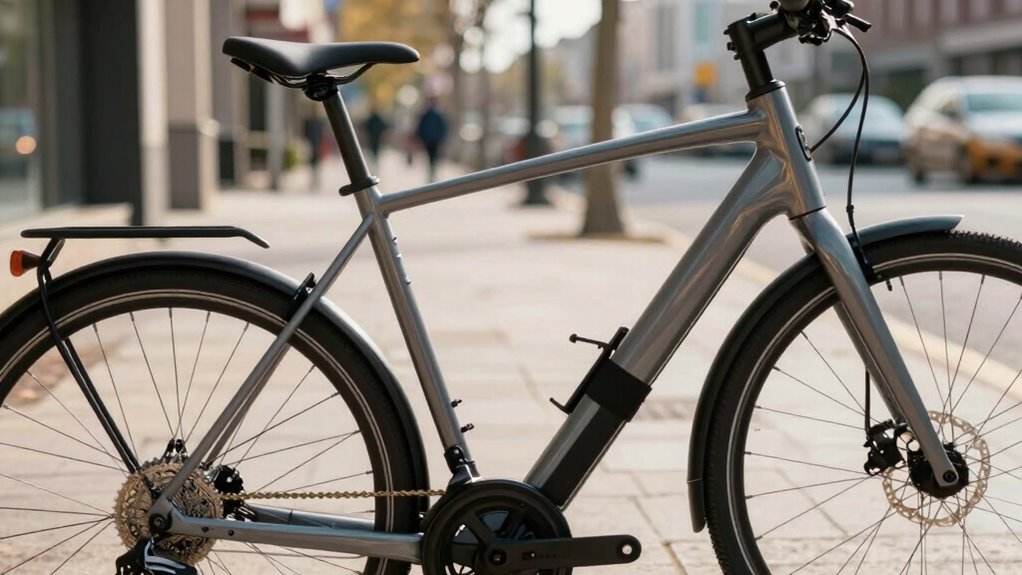
As a new e-bike owner, you might not notice how the extra weight from the battery and motor affects your ride at first. Over time, you’ll realize it’s harder to handle, climb hills, or maneuver in tight spots. The added weight makes pedaling more strenuous and can cause fatigue even in simple tasks like lifting or transporting your bike. If you keep going, you’ll discover how weight distribution impacts your riding comfort and performance.
Key Takeaways
- The additional weight from larger batteries and motors becomes more noticeable during prolonged rides or when lifting the bike.
- Handling and maneuverability decline over time as the bike’s weight affects agility and cornering.
- Riders may experience increased fatigue when carrying or transporting the heavier bike components.
- Uneven weight distribution can lead to stability issues, especially in tight turns or on hilly terrain.
- Cumulative weight impacts overall riding comfort, making longer rides more physically demanding.

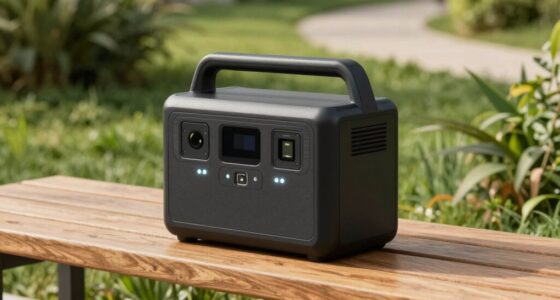
Battery capacity is a significant contributor to the e-bike’s weight. Larger batteries store more energy, extending your ride, but they also add considerable weight. You might not notice this initially because manufacturers often prioritize battery size for longer range, but as you become more familiar with your e-bike, the added weight becomes apparent, especially when climbing hills or accelerating. The extra mass can make pedaling feel more strenuous, decrease maneuverability, and reduce your overall riding agility. Battery weight distribution can also influence how balanced the bike feels during rides.
Larger batteries add weight, impacting maneuverability and making pedaling more strenuous over time.
Motor power also plays a *key* role. Higher wattage motors deliver more torque, making acceleration smoother and hill-climbing easier. But, these powerful motors tend to be larger and heavier. When you choose an e-bike with a high-performance motor, you might initially enjoy the boost, but over time, the weight becomes more noticeable—particularly if you’re used to lighter bikes or if you frequently lift or carry your e-bike. The increased weight from a powerful motor can cause fatigue in your arms and shoulders, especially when lifting the bike onto racks or stairs. Additionally, overall weight distribution can influence how manageable the bike feels, helping to offset some of the effects of added weight.
Understanding component weight is crucial because it can impact your overall riding experience and the bike’s handling characteristics over time.
e-bike weight distribution accessories
As an affiliate, we earn on qualifying purchases.
As an affiliate, we earn on qualifying purchases.
Frequently Asked Questions
How Does the Extra Weight Affect Battery Life?
The extra weight on your e-bike can reduce battery life by increasing strain, leading to faster battery degradation over time. You’ll notice shorter cycling performance because the motor works harder to move the additional weight, which drains the battery more quickly. To maximize your battery’s lifespan, keep the weight manageable, avoid excessive loads, and maintain regular charging habits. This helps guarantee longer-lasting battery performance and better overall cycling experience.
Are There Specific Models More Prone to Weight Issues?
Some models, especially those with larger batteries or built for heavy-duty use, tend to be more prone to weight issues. Think of these bikes as carrying a backpack stuffed with bricks—your battery efficiency and rider comfort take a hit. If you’re concerned about weight, look for models designed with lightweight frames and optimized battery placement. Choosing wisely helps maintain smooth rides and prolongs battery life.
Can Weight Issues Impact E-Bike Safety?
Weight issues can definitely impact your e-bike safety, especially if load distribution isn’t balanced. An uneven load can make handling tricky, reducing rider comfort and increasing the risk of accidents. To stay safe, guarantee your load is evenly distributed and secure. Proper load management helps maintain stability, making your ride smoother and safer. Always check your bike’s weight limits and adjust your riding style accordingly.
How Do Manufacturers Address Hidden Weight Problems?
Manufacturers tackle hidden weight problems like skilled chefs balancing ingredients, blending aesthetic design with performance. They conduct meticulous testing and use lightweight materials to keep the e-bike’s bulk in check. By prioritizing both form and function, they protect their brand reputation, ensuring riders enjoy a sleek, reliable ride without unexpected weight surprises. This careful approach keeps the bike’s appearance sharp and the riding experience smooth, fostering trust and loyalty among users.
Does Weight Influence E-Bike Maintenance Costs?
Yes, weight influences e-bike maintenance costs. When your e-bike has poor weight distribution, it puts extra strain on components like the frame and suspension, leading to faster wear and tear. Heavier bikes also demand more from the frame’s durability, which can increase repair or replacement costs over time. Proper weight balance helps reduce stress on parts, ultimately lowering maintenance expenses and extending your e-bike’s lifespan.
e-bike battery weight reduction kit
As an affiliate, we earn on qualifying purchases.
As an affiliate, we earn on qualifying purchases.
Conclusion
As you cruise through your new e-bike adventures, remember that hidden weight is like a silent hitchhiker along your journey. It may not shout loud, but it subtly shifts your ride’s rhythm and balance. Embrace this discovery as part of the riding story, turning a surprise into a skillful dance with your bike. With awareness, you’ll glide smoother, feeling more connected to every pedal stroke, transforming your ride into a symphony of control and confidence.
e-bike handlebar weight counterbalance
As an affiliate, we earn on qualifying purchases.
As an affiliate, we earn on qualifying purchases.
lightweight e-bike battery replacement
As an affiliate, we earn on qualifying purchases.
As an affiliate, we earn on qualifying purchases.