
Hydraulic bleed basics involve removing trapped air from your brake system to maintain proper pressure and reliable stopping power. You’ll need to locate the bleed valves on your calipers or wheel cylinders, connect a transparent tube, and gently open them while someone presses the brake pedal. This process helps release air bubbles that cause spongy pedal feel and reduced braking. Mastering this guarantees your brakes perform safely and effectively—keep going to learn more about this essential maintenance.
Key Takeaways
- Hydraulic bleeding removes trapped air from brake systems to restore effective fluid pressure and prevent a spongy pedal feel.
- Bleed valves, located on calipers or wheel cylinders, are loosened to release air while keeping the fluid reservoir topped up.
- Connecting a clear tube to the bleed valve allows observation of air bubbles; bleeding continues until only fluid flows.
- Properly bled brakes ensure consistent pressure, firm pedal feel, and optimal braking performance.
- Bleeding should be done systematically from the farthest to nearest wheel to effectively remove all air pockets.
Understanding the basics of hydraulic bleeding is essential for maintaining your vehicle’s braking system. When you press the brake pedal, hydraulic fluid transmits force through the brake lines, creating fluid pressure that forces the brake pads against the rotors. Over time, air bubbles can enter the system, reducing braking effectiveness. Hydraulic bleeding is the process of removing these air pockets to restore proper fluid pressure and ensure your brakes work reliably.
Your first step is to identify the bleed valves, which are typically located on the brake calipers or wheel cylinders. These valves allow you to release trapped air from the system without dismantling the entire assembly. Using a wrench, you loosen the bleed valve slightly, but only enough to allow fluid and air to escape. As you do this, it’s vital to keep an eye on the brake fluid reservoir, ensuring it stays topped off. Failing to maintain the fluid level can introduce more air into the system, defeating the purpose of bleeding.
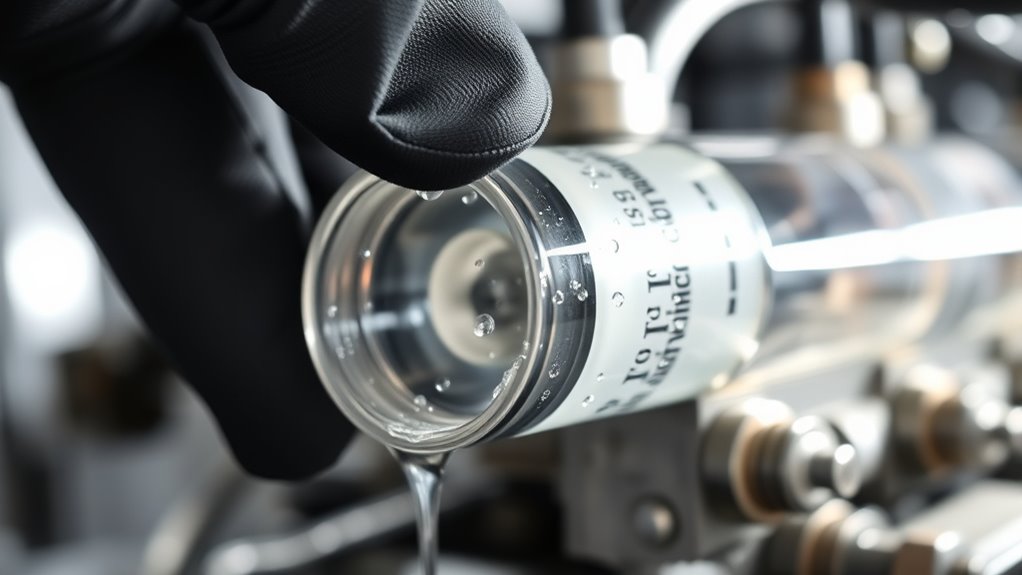
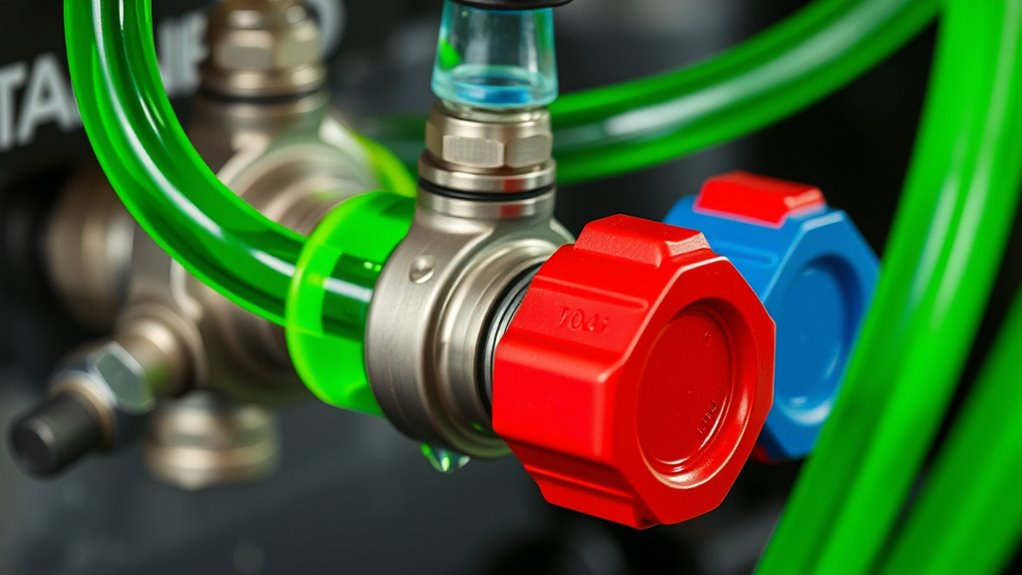
When bleeding, you’ll often use a clear tube connected to the bleed valve, with the other end submerged in a container of brake fluid. This setup lets you see when air bubbles stop escaping and only fluid flows out. As you open the bleed valve, have someone gently press the brake pedal. When they do, fluid under pressure is forced through the system, pushing out any trapped air. When you see a steady flow of fluid without bubbles, you can close the bleed valve and move on to the next wheel.
It’s important to understand that fluid pressure plays a crucial role in this process. Properly bled brakes rely on hydraulic fluid that is free of air, ensuring that when you press the pedal, the pressure transmitted is consistent and effective. If any air remains, it compresses under pressure, leading to a spongy pedal feel and compromised braking performance. Bleeding the system correctly restores the fluid pressure necessary for safe braking.
Additionally, selecting the appropriate lightweight woods for certain components can help reduce the overall weight of your vehicle, improving performance and fuel efficiency. Throughout the process, you need to work systematically, starting with the wheel farthest from the master cylinder and working your way closer. This ensures all air is expelled from every part of the system. Using bleed valves correctly makes this job more manageable, giving you control over the release of air without introducing new bubbles. Once you’ve completed bleeding all the wheels, check the brake pedal for firmness and test your brakes in a safe environment. Properly bleeding the hydraulic system guarantees your brakes respond promptly when you need them, keeping you safe on the road.
brake bleeding kit
As an affiliate, we earn on qualifying purchases.
As an affiliate, we earn on qualifying purchases.
Frequently Asked Questions
Can Hydraulic Bleeding Be Performed Without Special Tools?
Yes, you can perform hydraulic bleeding without special tools. You’ll need to remove some fluid to create space for air purging, which helps eliminate trapped air. Start by opening the bleed valve slowly, then pump the brake or clutch pedal to push fluid and air out. Keep an eye on fluid levels, topping off as needed. This simple method allows you to remove air and restore proper hydraulic system performance effectively.
How Often Should Hydraulic Systems Be Bled?
You should bleed your hydraulic system whenever you notice air trapped, which can cause spongy pedals or poor performance. Regularly check the fluid level and replace the fluid as needed to prevent contamination. Typically, bleeding isn’t required on a set schedule but should be done after fluid replacement or if you experience issues. Doing this maintains peak operation, ensuring no air trapped hampers your hydraulic system’s efficiency.
What Are Signs of Improper Hydraulic Bleeding?
Think of your hydraulic system as a calm lake disturbed by air bubbles. When bleeding’s improper, you’ll notice air bubbles in the fluid or inconsistent operation—like ripples on the water’s surface. Fluid leaks are another sign, indicating pressure loss and system imbalance. These issues show you haven’t fully removed trapped air, risking damage or failure. Address these signs promptly to keep your hydraulic system running smoothly and efficiently.
Is Hydraulic Bleeding Necessary After Every Repair?
You don’t need to hydraulic bleed after every repair, but it’s crucial if you’ve disturbed the hydraulic system. This process helps remove air entrapment that can cause fluid contamination and reduce system efficiency. If you notice spongy brakes, delayed response, or unusual noises, bleeding is necessary to restore proper pressure and performance. Regularly checking for signs of fluid contamination and air entrapment ensures your hydraulic system stays in excellent condition.
Can Hydraulic Bleeding Be Done by a Beginner?
You can definitely give hydraulic bleeding a shot as a beginner, but don’t bite off more than you can chew. It’s a delicate task that requires patience and attention to detail. Follow proper bleeding techniques and focus on hydraulic maintenance steps carefully. Remember, it’s better to take your time than rush and cause more issues. With practice and care, you can master this skill and keep your system running smoothly.
hydraulic brake bleed valve wrench
As an affiliate, we earn on qualifying purchases.
As an affiliate, we earn on qualifying purchases.
Conclusion
Now that you know the basics of hydraulic bleeding, you’re one step closer to mastering your system. But remember, even small mistakes can lead to bigger issues down the line. Will you catch every air bubble and guarantee smooth operation? The next step is yours—pay close attention, stay patient, and trust your skills. The secret to flawless hydraulic performance might just depend on your next move. Are you ready to take it?
brake fluid transfer pump
As an affiliate, we earn on qualifying purchases.
As an affiliate, we earn on qualifying purchases.
brake bleeding hose set
As an affiliate, we earn on qualifying purchases.
As an affiliate, we earn on qualifying purchases.