Many riders mistake indoor training plateaus as a sign you’ve hit your limit or that you’re not improving, but it’s often a normal part of progress. Instead of assuming you’re stuck, consider that you might need to adjust your training intensity, add variability, or incorporate recovery days. By understanding these cues, you can make smarter tweaks to keep improving. Keep exploring to discover how to break through and optimize your training potential.
Key Takeaways
- Riders often mistake stagnation for a lack of effort, ignoring the need for training variation or proper recovery.
- Many believe longer, harder rides are the only way to progress, overlooking the importance of intensity and training zones.
- Plateaus are frequently seen as failure rather than opportunities to reassess and adjust training strategies.
- Ignoring body signals like fatigue or boredom can lead to overtraining and prolonged stagnation.
- Focusing solely on volume without structured variation or rest hampers adaptation and causes stalls.
Have you ever hit a frustrating wall during your indoor training routine? It’s a common experience among cyclists striving to improve, but often, the issue isn’t what you think it is. Many riders misread the indoor training plateau, attributing their stagnation to a lack of effort or natural limits. In reality, it’s often a sign that your training isn’t properly balanced or that your expectations need adjusting. When it comes to cycling endurance, consistency is essential, but so is the way you manage your training intensity. If you push too hard all the time or stick to the same routine, your progress can stall. Conversely, if your intensity is too low, you won’t stimulate the necessary adaptations for improvement. The key lies in understanding how to vary your training to challenge your body without overtraining.
A common mistake is to think that simply riding longer or harder will lead to gains. While increasing volume and intensity are important, doing so without proper structure can lead to burnout or plateaus. You might be stuck at a certain wattage or heart rate zone because you’re not challenging your system in the right way. Cycling endurance isn’t just about riding for hours; it’s about how you incorporate different training zones, intervals, and recovery periods. When you find yourself hitting a plateau, it’s tempting to assume you need to train harder. But often, the solution is smarter training: adjusting your training intensity to include targeted intervals that push your limits temporarily, then allow for recovery. This approach helps your body adapt more efficiently.
Many riders also misread their bodies’ signals, thinking that fatigue or boredom means they need to ride longer or more frequently. In reality, these symptoms can point to a need for better variation, rest, or a different focus within your training plan. If your cycling endurance isn’t improving despite consistent effort, it’s worth re-evaluating your training structure. Are you incorporating enough high-intensity intervals? Are you giving yourself enough recovery time? Sometimes, the plateau stems from stagnation in your training stimulus rather than a lack of effort. Proper training stimulus combined with adequate recovery can make all the difference in breaking through these barriers. Recognizing the importance of training variability can help prevent stagnation and promote continued progress. Additionally, understanding how to effectively incorporate training zones can optimize your overall performance gains.
Fatigue and boredom often signal the need for variation, rest, or a new focus in your training plan.
Ultimately, understanding that a plateau isn’t a sign of failure is essential. It’s an opportunity to reassess, refine your approach, and focus on smarter training methods. Recognize that cycling endurance is built through a mix of proper training stimulus, recovery, and variation. When you start viewing your plateau as a chance to adapt and grow, you’ll find your indoor training becomes more effective and rewarding. It’s also helpful to remember that consistent training effort over time is what truly leads to improvement, even when progress seems slow.

GEOID CC600 Color Screen Bike/Cycling Computer Wireless – Route Navigation with Reroute Planing, WiFi & Bluetooth, Fast 5s GPS Positioning, Free Indoor Training
Fresh Screen Design: Enjoy a fresh cycling experience with the CC600’s 2.4” colorful screen, durable Asahi glass, and…
As an affiliate, we earn on qualifying purchases.
As an affiliate, we earn on qualifying purchases.
Frequently Asked Questions
How Long Does an Indoor Training Plateau Typically Last?
An indoor training plateau usually lasts between a few weeks to a couple of months. You can break through it by maintaining consistent training and adding workout variation. If you stick to a structured plan and tweak your routines regularly, you’ll push past the stagnation. Remember, patience is key—your progress depends on your dedication and willingness to adapt your training to keep challenging your body.
Can Diet Affect Indoor Training Plateaus?
Absolutely, your diet can make or break your indoor training progress! Nutrition strategies and hydration optimization are like secret weapons against plateaus. Poor fueling or dehydration can feel like hitting a wall that never moves, while proper nutrition fuels your muscles and keeps energy levels sky-high. Keep carbs balanced, stay hydrated, and listen to your body—these simple tweaks could shatter your plateau and skyrocket your performance!
Are There Specific Signs Indicating a Plateau Is Imminent?
You might notice signs of an imminent plateau when your training motivation dips and your progress stalls despite consistent effort. If your workouts lack variability, your body adapts quickly, making improvements harder to achieve. Pay attention to these signs, and consider introducing new exercises or increasing intensity to keep your motivation high and your body guessing, which helps prevent or break through training plateaus.
How Do I Differentiate Between a Plateau and Fatigue?
You can differentiate between a plateau and fatigue by observing your training variability and mental resilience. If your performance stalls despite consistent effort and you maintain motivation, you’re likely hitting a plateau. However, if you feel physically drained, lose enthusiasm, and notice declining energy, it’s probably fatigue. Recognize that a plateau tests your mental resilience, whereas fatigue signals the need for rest. Adjust your training accordingly to break through or recover.
What Supplements Can Help Break an Indoor Training Plateau?
Ironically, supplements are often the last resort, yet they can help you break an indoor training plateau. Focus on proper nutrition timing and hydration strategies—protein, carbs, electrolytes—to fuel recovery and boost performance. Creatine or beta-alanine might support endurance, while caffeine provides a quick edge. Remember, supplements won’t replace consistent training, but used wisely, they can enhance your efforts and push past that stubborn stagnation.

Magene P715 S Power Meter Pedals – ±1% Precision, 120h Battery Life, Seamless Bike Compatibility, ANT+ & Bluetooth for Cycling
±1% Consistent Power Accuracy, Record Your Every Effort Precisely
As an affiliate, we earn on qualifying purchases.
As an affiliate, we earn on qualifying purchases.
Conclusion
Don’t let the indoor training plateau be a sneaky snare waiting to trip you up. Think of it as a mountain peak shrouded in fog—hard to see, but climbable with the right tools and mindset. Push through the haze, tweak your approach, and embrace the challenge as a steep trail leading to new heights. Remember, every pedal stroke is a step closer to breaking through and shining brighter on your cycling journey.
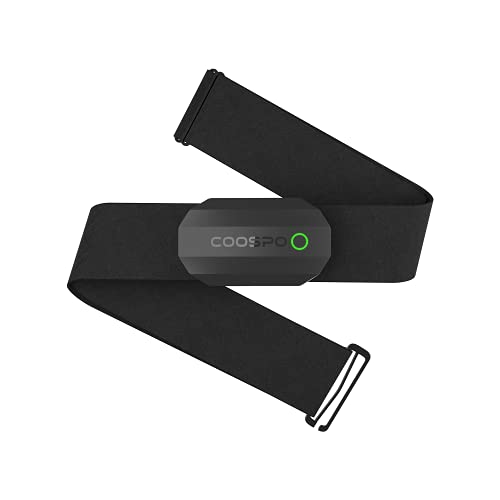
COOSPO Bluetooth Heart Rate Monitor Chest Strap H808S, ANT+ BLE HR Monitor Chest, HRM IP67 Waterproof, Use for Running Cycling Gym and Other Sports
±1BPM Accurate Heart Rate Monitor – The CooSpo HR sensor H808S can monitor high-performance real-time heart rate data…
As an affiliate, we earn on qualifying purchases.
As an affiliate, we earn on qualifying purchases.
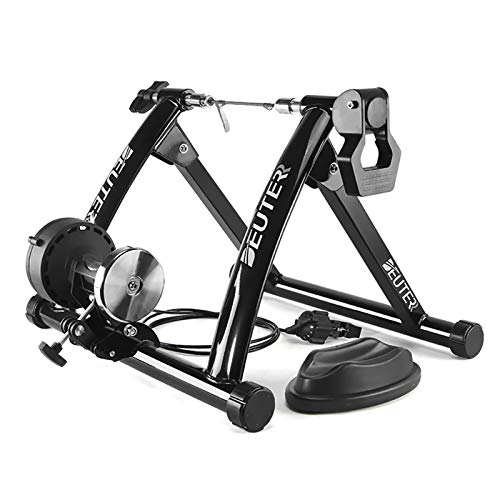
Bike Trainer, Magnetic Bicycle Stationary Stand for Indoor Exercise Riding, 26-29" & 700C Wheels, Quick Release Skewer & Front Wheel Riser Block Included
【Indoor Bike Trainers】: One of the problems with cycling, though, is that when the weather gets bad, conditions…
As an affiliate, we earn on qualifying purchases.
As an affiliate, we earn on qualifying purchases.