
To inspect a used bike frame for hidden trouble, carefully examine welds, joints, and tubing for cracks, dents, or bends. Use your fingers to feel for roughness or corrosion, especially around the head tube, seat tube, and bottom bracket. Shine a flashlight into tight spaces and look for paint cracks or bubbling, which can hide damage. Tap along the frame gently to listen for dull or hollow sounds indicating internal issues. Keep these tips in mind to uncover more.

Get sports gear delivered free — and shop member deals
- Fast, free delivery on millions of items
- Access to Prime Big Deal Days deals on October 6–7
- Prime Video, Amazon Music and more included
Key Takeaways
- Examine welds, joints, and tubing intersections for cracks, dents, or bends indicating stress or damage.
- Use a flashlight and magnifying glass to inspect for tiny cracks, corrosion, or paint bubbling in tight areas.
- Conduct a tap test along the frame; listen for dull, hollow, or inconsistent sounds suggesting internal issues.
- Check for rust, especially on steel frames, and look for paint cracks or flaking as signs of underlying problems.
- Identify the frame material (aluminum, steel, carbon fiber, titanium) to understand common vulnerabilities and lifespan.
Have you ever wondered how to determine if a used bike frame is worth buying? When you’re inspecting a used bike, one of the most important steps is evaluating the frame for any hidden trouble. The first thing you want to do is examine the bike frame materials, as different materials—like aluminum, steel, carbon fiber, or titanium—each have their own vulnerabilities. For example, steel frames are durable but prone to rust if not properly maintained, while aluminum frames can develop fatigue cracks over time. Carbon fiber frames are lightweight but may crack or splinter if mishandled or subjected to sharp impacts. Knowing the specific properties of the bike’s materials helps you understand what to look for during your inspection.
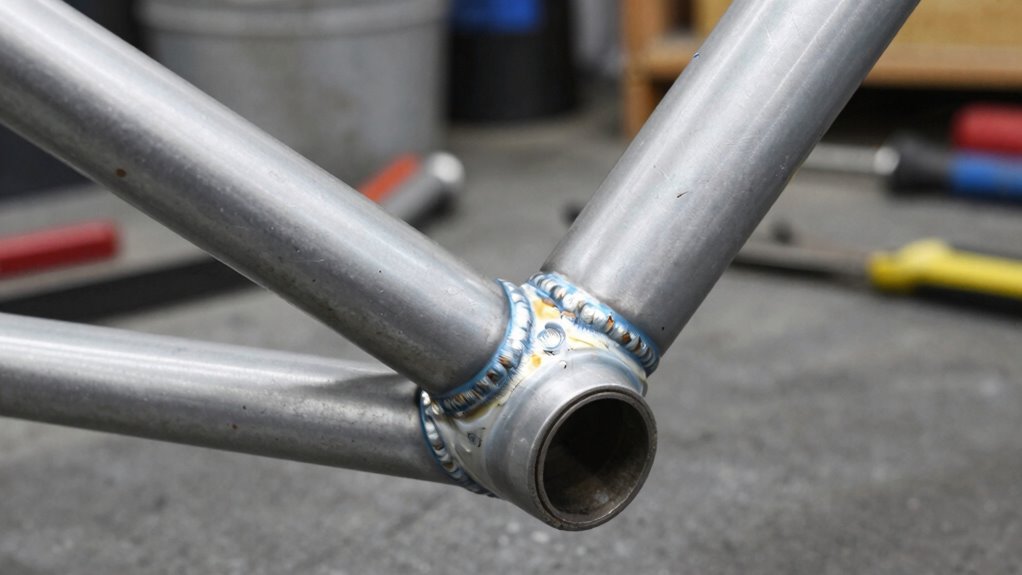
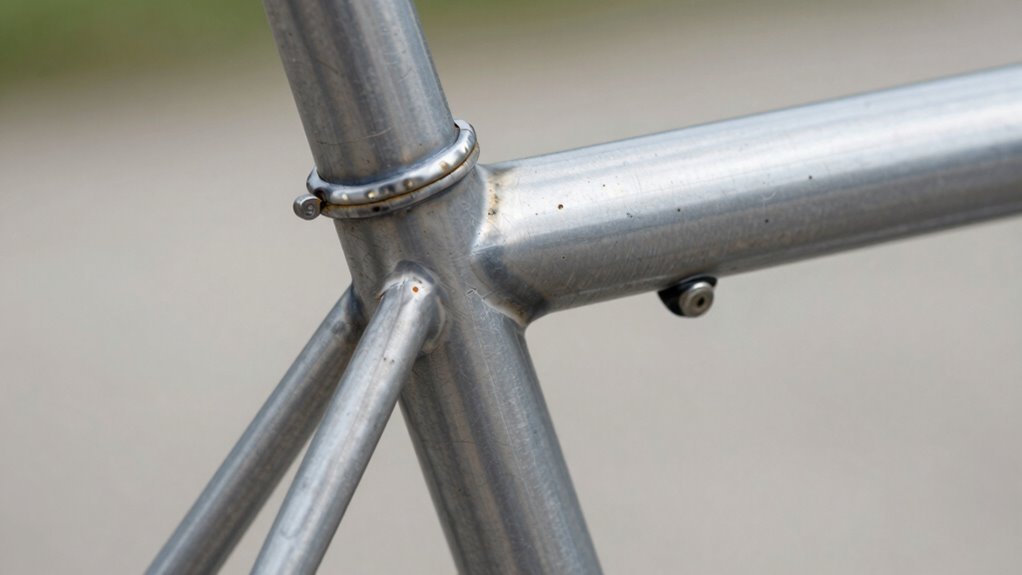
Next, focus on identifying common structural issues that can compromise the frame’s integrity. Carefully inspect all areas, especially around welds, joints, and tubing intersections. Look for any signs of cracks, dents, or bends—these are red flags that the frame has been compromised. Pay particular attention to the head tube, seat tube, and bottom bracket area, as these spots often bear the most stress during riding. You should also run your fingers along the tubing to feel for any unusual roughness, which could indicate internal damage or corrosion. If you notice any rust, especially on steel frames, it’s a sign that the frame has been exposed to moisture and may be structurally weakened. Additionally, corrosion can sometimes appear as bubbling or flaking paint, so a careful visual check is essential. Conducting a thorough inspection can also help you identify potential issues before they become costly repairs. Being aware of material properties can also help you better assess the overall condition and longevity of the frame.
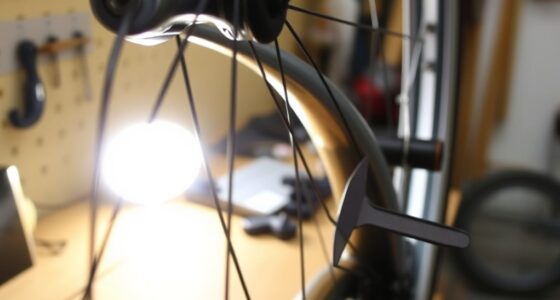
Another key step is to visually check for paint or coating cracks, which can be signs of underlying structural issues. Sometimes, a crack in the paintwork is just superficial, but if you spot cracks that extend into the metal or material underneath, that’s a cause for concern. Use a flashlight to get a better view into tight spaces and around welds, ensuring there are no hidden fractures. If you have a magnifying glass, it can help you spot tiny cracks or corrosion that might be invisible to the naked eye. Additionally, understanding the materials used in the frame can help you better assess its overall condition and longevity. It’s also helpful to research the typical lifespan and common issues associated with specific frame materials to inform your evaluation.
Finally, if you’re unsure about the condition of the frame after your visual inspection, consider conducting a tap test—gently tapping along the frame with a small metal object. A dull or hollow sound can indicate internal damage or corrosion, while a solid, consistent tone suggests the frame is sound. Remember, being familiar with the properties of different materials can guide you in interpreting these sounds correctly. When it comes down to it, knowing the bike’s materials and spotting common structural issues is essential for avoiding a purchase that might lead to costly repairs or, worse, unsafe riding conditions.
Frequently Asked Questions
How Can I Tell if a Frame Has Been Previously Repaired?
You can tell if a frame has been previously repaired by closely examining the frame paint for uneven areas, overspray, or mismatched colors, which may indicate touch-ups. Check the frame serial for inconsistencies or missing numbers that could suggest tampering. Also, look for weld marks or cracks around joints. These signs help you identify potential repairs, ensuring you’re aware of any hidden issues before buying a used bike frame.
What Are the Signs of Frame Corrosion or Rust?
You might worry that rust isn’t always visible, but look closely at the paint. Signs of corrosion include paint damage or inconsistencies like bubbling, chipping, or flaking, which often reveal rust underneath. Check joints and welds for discoloration or rough spots. Rust tends to appear as reddish-brown patches, especially where paint is damaged. Addressing these signs early prevents further deterioration and costly repairs later.
How Do I Identify Cracks in Hidden Weld Areas?
To spot cracks in hidden weld areas, closely examine the paint finish along the seat tube and other joints, looking for small, irregular splits or flaking. Use a magnifying glass if needed, and gently press around welds to feel for any unusual flex or roughness. Tap lightly with a plastic hammer to detect subtle changes in sound, which can indicate cracks or weak spots in the welds.
Can a Bent Frame Be Safely Repaired or Should It Be Replaced?
Think of a bent frame like a cracked mirror—sometimes repairable, sometimes not. If the bend affects the material composition or creates stress points under the paint, it’s safer to substitute it. Frame paint can hide underlying damage, so carefully examine for cracks or deformation. While some steel or aluminum frames can be professionally straightened, if the structural integrity is compromised, replacing the frame ensures your safety and ride quality.
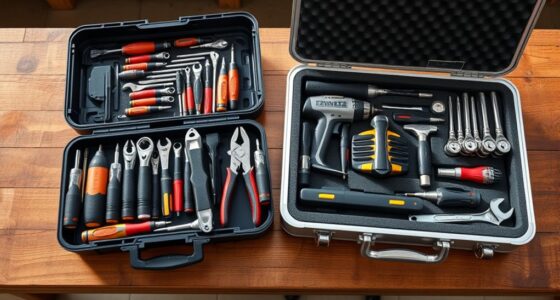
What Tools Are Best for Inspecting a Bike Frame Thoroughly?
You should use a flashlight and a magnifying glass to thoroughly inspect the frame’s paint finish for cracks or chips, which can hide issues. A rubber mallet helps check for hidden dents by gently tapping the frame. For metal frames, a magnet can reveal if the material is steel. Always examine the frame material closely, as different materials like aluminum or carbon fiber require specific inspection methods to spot hidden trouble effectively.
Conclusion
Inspecting a used bike frame thoroughly can save you from costly repairs down the road. Remember to check for cracks, rust, and alignment issues, and don’t forget to test the welds. Did you know that nearly 60% of bike repairs are due to unseen frame damage? Being diligent now means you’ll enjoy a safe, smooth ride for miles to come. Happy cycling!
NFL season / tailgating Picks
team gear
As an affiliate, we earn on qualifying purchases.