
To keep your MTB in top shape through the seasons, you should regularly check and adjust tire pressure based on weather and terrain, inspect brake and drivetrain components for wear or debris, and guarantee suspension systems respond properly. Cold months may require softer tires and more frequent brake checks, while warmer seasons need careful lubricant application. Staying on top of these seasonal changes helps you ride safely and smoothly year-round—keep going to discover the detailed steps you can take.
Key Takeaways
- Adjust tire pressure based on seasonal temperature changes and trail conditions for optimal performance.
- Inspect tires for cuts, embedded debris, and tread wear, replacing if necessary.
- Check and maintain brake system components, including pads and rotors, for safety and efficiency.
- Lubricate the drivetrain and inspect for wear or rust to ensure smooth shifting and prolong component life.
- Tighten all bolts and quick links, and inspect suspension components for leaks or damage before seasonal riding.
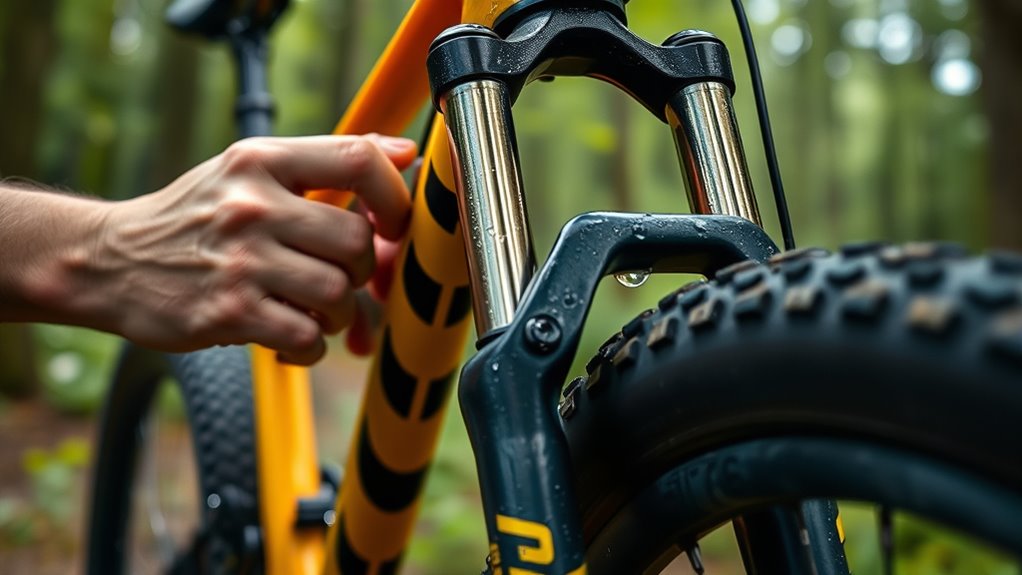
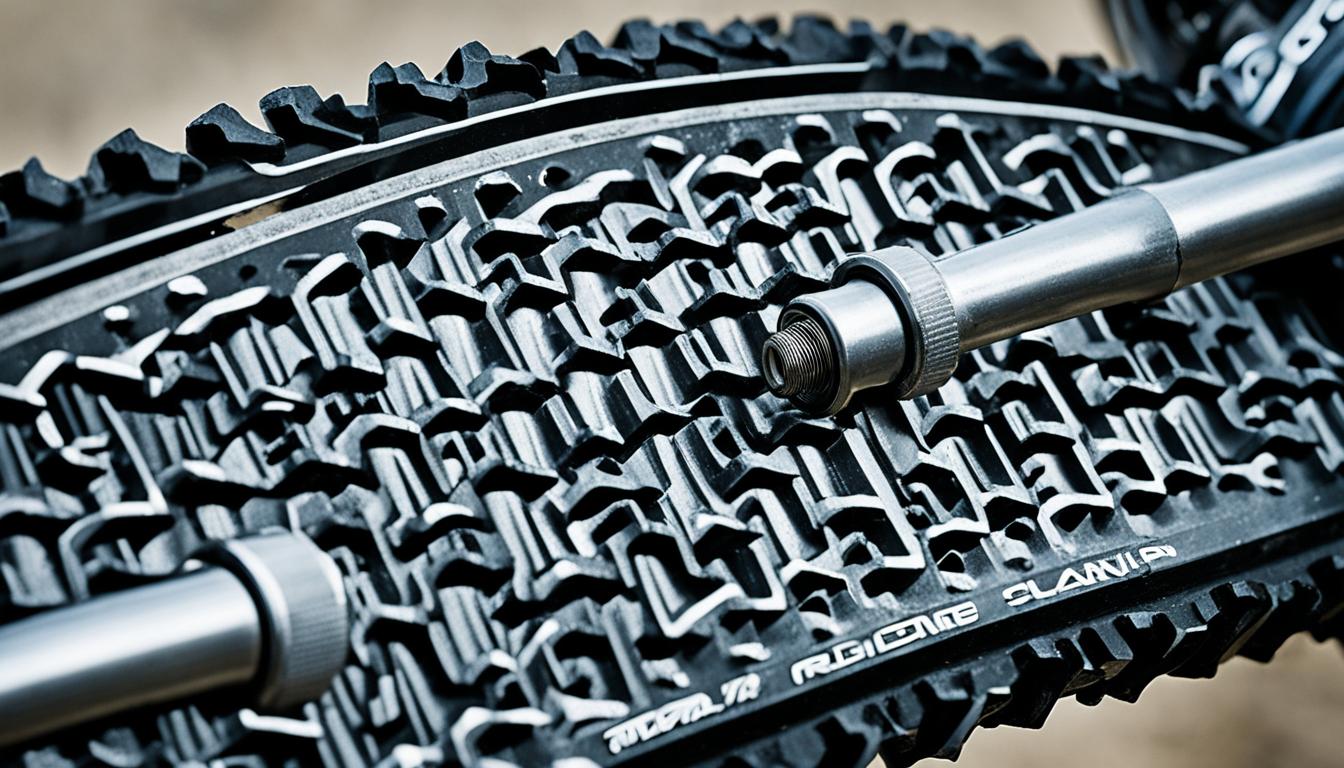
Are you ready to hit the trails? Before you do, it’s essential to perform some seasonal checks on your mountain bike to ensure it’s in top shape. One of the first things to inspect is your tire pressure. Proper tire pressure isn’t just about avoiding flats; it directly impacts your ride quality and safety. During colder months, air contracts, so you might find your tires are underinflated without realizing it. Conversely, in warmer seasons, air expands, possibly causing overinflation. Check your tire pressure regularly, aiming for the recommended PSI listed on the sidewall of your tires. Adjusting your pressure for different trail conditions — softer for rough terrain, firmer for smoother paths — can make a significant difference in handling and comfort. Don’t forget to examine your tires for any cuts, embedded debris, or worn-out treads, as these can compromise grip and puncture resistance.
Next, turn your attention to brake performance. Well-maintained brakes are crucial for safety and control, especially if you ride technical or downhill sections. Over time, brake pads wear down, reducing stopping power. During your seasonal check, inspect the pads for thickness; if they’re approaching the wear limit, replace them. Also, examine your brake rotors for warping, cracks, or excessive dirt buildup. Clean the rotors with isopropyl alcohol to remove grime that can cause squeaking or reduce braking efficiency. Test your brake levers; they should feel firm and responsive without excessive travel. If they feel spongy or soft, it’s time to bleed the brake system and replace the brake fluid. Adjust the brake calipers to ensure they’re centered over the rotors, providing even pressure when you squeeze the levers. Proper brake adjustment not only improves performance but also helps extend the lifespan of your components.
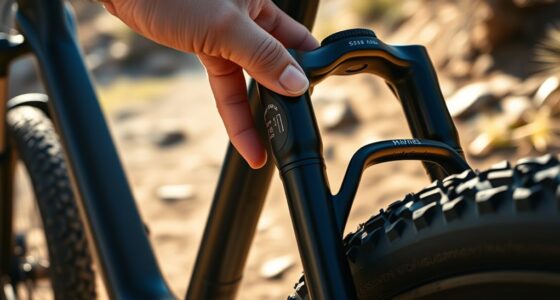
Other seasonal checks include lubricating your chain and drivetrain, inspecting suspension components, and tightening bolts and quick links. A clean, well-lubricated chain reduces friction, enhances shifting, and prolongs drivetrain life. Check your suspension for leaks and proper function, especially if you ride on rough terrain regularly. Tighten any loose bolts or screws to prevent parts from rattling loose or failing during a ride. These routine maintenance steps may seem small, but they’re vital for a safe, enjoyable riding experience year-round.

Happy Travel Bike Storage Shed Tent,Outdoor Portable Bicycle Storage Sheds with 210D Oxford Fabric PU4000 Waterproof for 2/3/4/6/8 Bikes,Bike Covers Shelter for Motorcycle,Garden Tools,Toys,Lawn Mower
【Spacious Vertical Storage Sheds】:We have adopted a new vertical design, which gives the bicycle storage shed 30% more...
As an affiliate, we earn on qualifying purchases.
Frequently Asked Questions
How Often Should I Perform Seasonal Checks on My MTB?
You should perform seasonal checks on your MTB at least twice a year, ideally before storing it for the season and before riding again. Check your bike storage area to verify it’s dry and protected. Prioritize tire pressure, making sure it’s at the recommended level for peak performance. Also, inspect brakes, gears, and lubrication. Regular seasonal checks keep your bike safe, efficient, and ready for your next adventure.
What Specific Tools Are Needed for Seasonal Maintenance?
Think of your bike as a loyal steed needing care. To perform seasonal maintenance, you’ll need basic tools like a bike stand, tire levers, a chain checker, and a cleaning brush. Start with a thorough bike cleaning, then inspect your tires for wear or embedded debris. A set ofAllen wrenches, a pump, and a chain tool will help you tighten bolts, check pressure, and replace worn parts, keeping your MTB ready for adventure.
Can I Do Seasonal Checks Myself or Should I Hire a Professional?
You can definitely do DIY maintenance for seasonal checks if you’re comfortable with basic bike repairs and have the right tools. However, for more complex tasks like brake adjustments or drivetrain tuning, it’s best to hire a professional servicing expert. This ensures your MTB gets a thorough inspection and maximum performance. Balancing DIY efforts with professional help keeps your bike safe and running smoothly throughout the season.
What Are the Signs My MTB Needs Immediate Attention Outside Seasonal Checks?
Think of your MTB as a trusted steed; if its tires show excessive wear or you notice decreased brake responsiveness, it’s like a warning bell ringing. These signs mean your bike needs quick attention to prevent accidents. Don’t ignore uneven tire wear or sluggish brakes, as they indicate underlying issues that could worsen. Address these problems promptly to keep your ride safe and smooth, rather than risking a breakdown mid-adventure.
How Do Weather Conditions Affect My Mtb’s Seasonal Maintenance Needs?
Weather impact plays a big role in your MTB’s seasonal maintenance needs. Heavy rain, snow, and mud can accelerate seasonal wear by causing rust, corrosion, and component degradation. Extreme temperatures can also affect lubricants and rubber parts, making them brittle or sticky. To keep your bike in top shape, regularly inspect and clean it after harsh weather, and perform targeted maintenance to address weather-related wear.

PZT Upgraded Bike Tent with Rain Cover, Portable Outdoor Storage Shed for 2 Bikes, 210D Oxford Fabric PU4000 Waterproof, Bike Shed/Bike Cover for Motorcycles, Garden Tools, Lawn Mower
Innovative Upgrade: A rain cover is added on the top of this bike tent/bike shed to enhance wind...
As an affiliate, we earn on qualifying purchases.
Conclusion
Think twice before skipping your seasonal MTB checks—they could save you from unexpected breakdowns. Some say only major issues matter, but minor problems often hide in plain sight, waiting to cause big trouble. Regular inspections might seem tedious, but they keep you safe and riding smoothly. So, is it really just a routine, or could neglecting these checks lead to costly repairs? Stay vigilant, and your bike will thank you for it.
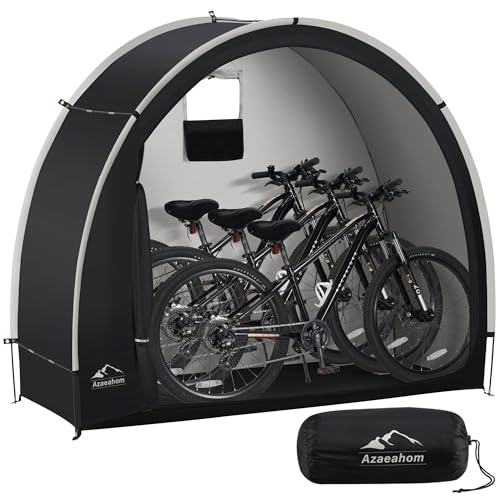
Bike Storage Shed Tent, Waterproof Outdoor Storage Shed for Bicycle, Easy Setup, Portable Storage Tent for Motorcycle,Garden Tools,Lawn Mower
【High Quality Bike Storage Tent】This versatile storage tent protects your bicycles and outdoor gear from the elements. Made...
As an affiliate, we earn on qualifying purchases.

Happy Travel Bike Storage Shed Tent, Waterproof Portable Bicycle Cover with 30% More Top Storage Space for 2/3/4/5 Bikes,Clips Easy Setup Outdoor Sheds Shelter for Motorcycle, Garden Tools, Lawn Mower
【Large Capacity Bike Shed】:The outdoor bike storage tent size has been increased to 86.5in×31.5in×73in, and we have adopted...
As an affiliate, we earn on qualifying purchases.