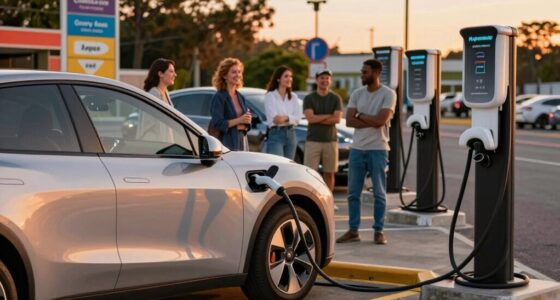
Second-life batteries at home let you store excess solar energy, boost your energy independence, and cut down on energy bills. By repurposing used EV batteries, you help reduce waste and support recycling efforts, making your home more sustainable. These batteries can seamlessly integrate with your renewable systems and stabilize your energy use. If you want to discover how second‑life batteries can transform your energy setup, keep exploring the benefits.
Key Takeaways
- Second-life batteries repurposed from EVs or industrial sources can store excess solar energy for home use.
- They enhance energy independence by reducing reliance on grid power and lowering electricity bills.
- Using refurbished batteries supports recycling efforts, extending resource lifespan and reducing environmental impact.
- Integration with smart controllers optimizes energy management and stabilizes local energy loads.
- Second-life batteries promote sustainability, reduce emissions, and contribute to a circular economy for renewable resources.
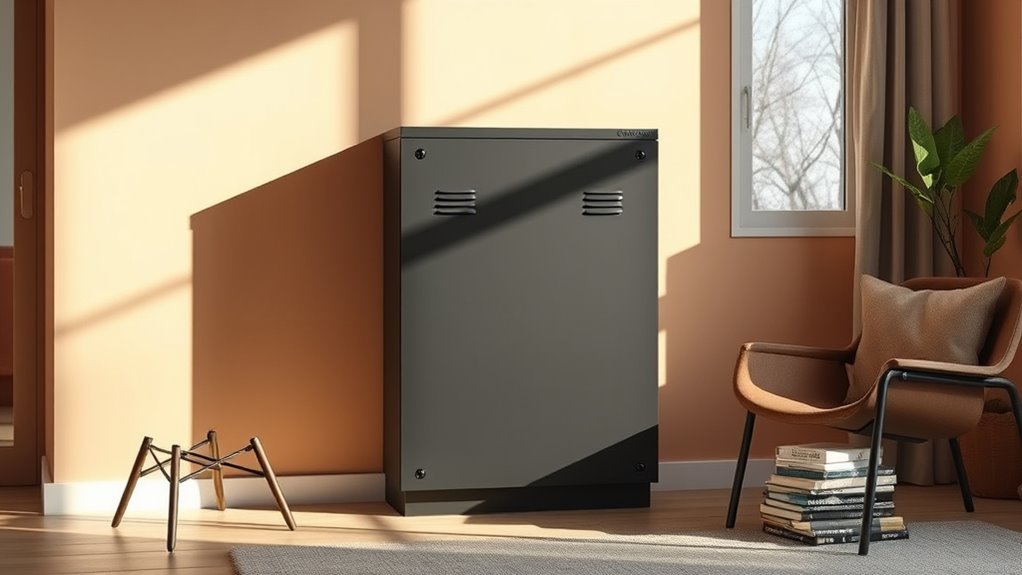
Have you considered how second-life batteries can transform your home energy setup? These batteries, repurposed from electric vehicles or industrial applications, offer a sustainable way to enhance your energy independence. By integrating second-life batteries into your home, you can store excess solar power, reduce reliance on the grid, and save money on electricity bills. Their capacity to work seamlessly with your existing renewable energy system makes them an attractive option for eco-conscious homeowners. Plus, using second-life batteries supports battery recycling efforts, extending the lifespan of valuable resources and reducing waste.
When you incorporate second-life batteries into your home, grid integration becomes a key benefit. Instead of simply drawing power from the grid, you can store surplus energy generated during the day and use it during peak hours or at night. This not only stabilizes your energy supply but also helps balance the overall load on the local grid, contributing to a more resilient and efficient energy system. By managing your energy flow intelligently, you decrease your dependence on grid electricity, which often relies on fossil fuels, therefore lowering your carbon footprint. The process of grid integration with second-life batteries is straightforward, with smart controllers and inverter systems that optimize energy storage and dispatch, ensuring you get the most out of your renewable resources.
Battery recycling plays a crucial role in making second-life batteries a truly sustainable choice. Instead of discarding used EV batteries, manufacturers refurbish and test them for continued use in stationary applications like home energy storage. This recycling process reduces the demand for new battery manufacturing, which is energy-intensive and environmentally impactful. When you choose second-life batteries, you’re participating in a circular economy that maximizes the utility of existing resources and minimizes waste. It also helps address the growing concern over battery disposal, as recycling initiatives ensure that hazardous materials are managed responsibly.
Incorporating these batteries into your home isn’t just about saving money; it’s about making a conscious choice to support sustainable practices. As battery recycling becomes more widespread, the availability of second-life batteries will increase, making them more affordable and accessible for homeowners like you. With advances in technology, the integration process becomes simpler, and the benefits—such as grid stability, reduced emissions, and resource conservation—become even more compelling. By embracing second-life batteries, you’re not only improving your energy resilience but also contributing to a cleaner, more sustainable future for everyone. Spiritual energy can influence how we approach sustainable choices, connecting our inner values with external actions.
Frequently Asked Questions
How Long Do Second-Life Batteries Typically Last at Home?
You can expect second-life batteries at home to last around 5 to 10 years. Their lifespan depends on battery degradation over time and how well you maintain them. Regular monitoring and proper usage can extend their lifespan, but eventually, degradation reduces their capacity. Lifespan estimation varies based on factors like usage patterns and environmental conditions. Keep an eye on performance to maximize their longevity and get the most out of your investment.
Are Second-Life Batteries Safe for Residential Use?
Like a trusted partner, second-life batteries are generally safe for your home if installed properly. They might experience some battery degradation over time, but with proper installation safety measures, risks are minimized. Always guarantee a professional handles the setup, checking for proper insulation and secure connections. Regular maintenance also helps keep these batteries safe, reliable, and efficient for your energy needs.
What Is the Cost Comparison Between New and Second-Life Batteries?
You’ll find that second-life batteries generally cost less than new ones, making them an attractive option. A thorough cost analysis shows they typically save you 30-50% based on market pricing. While new batteries offer the latest technology, second-life options provide significant savings without sacrificing performance for home energy storage. Your choice depends on your budget and priorities, but second-life batteries usually deliver better value for money.
How Do Second-Life Batteries Impact Home Energy Savings?
Using second-life batteries helps you save on energy costs by boosting renewable integration and enhancing grid stability. They store excess solar power during the day, so you can use it when rates are higher or during outages. This not only reduces your reliance on the grid but also lowers your electricity bills. Plus, you’re contributing to a more sustainable energy system, making your home more energy-efficient and eco-friendly.
Can Second-Life Batteries Be Recycled After Their Lifespan?
Yes, second-life batteries can be recycled after their lifespan, but it’s not always straightforward. You might wonder, will these batteries end up in landfills or get a second chance? Battery recycling plays a essential role in reducing environmental impact, ensuring valuable materials are recovered and reused. By properly recycling, you help prevent harmful waste, conserving resources, and supporting a sustainable future. Don’t wait—recycling is indispensable for our planet’s health.
Conclusion
Embracing second-life batteries at home gently ushers in a quieter, more sustainable way to power your life. By giving these batteries a second chance, you’re subtly easing the strain on our planet’s resources, all while enjoying reliable energy. It’s a small step that can make a meaningful difference, quietly supporting a greener future. So, consider this gentle shift—it’s a wise choice that benefits both your home and the world around you.