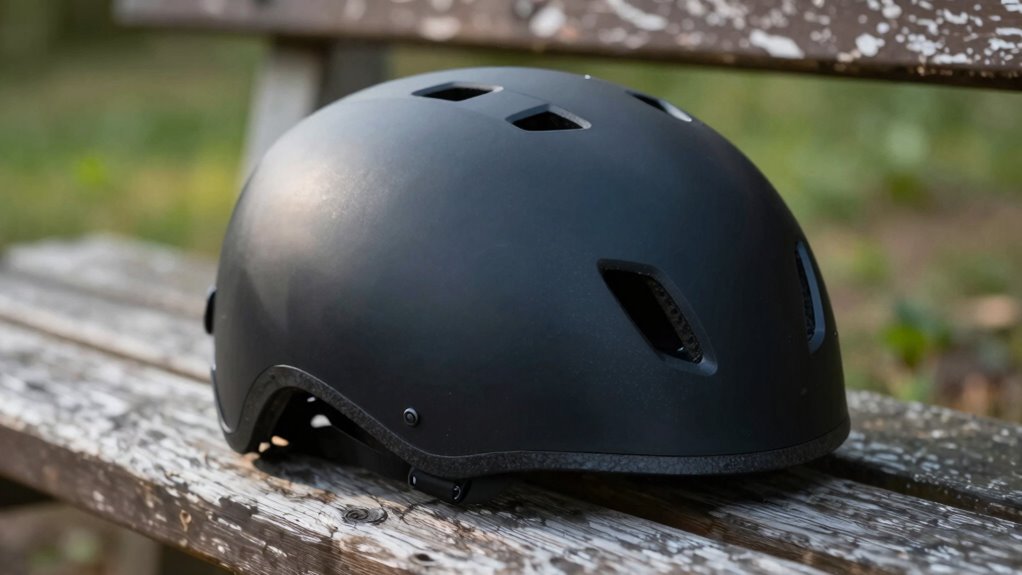

When considering smart helmets, the real question isn’t just about their tech features, but whether they actually meet safety standards and protect your privacy. You should ask if these helmets are thoroughly tested and if they exceed safety regulations. It’s also essential to understand how your data is collected and used. Trust in these devices depends on transparent regulations and responsible manufacturers. Keep going to discover the key issues behind the smart helmet debate.

Get sports gear delivered free with Prime
- Fast, free delivery on millions of items
- Prime Video, Amazon Music and more included
- Member-only deals all year
Key Takeaways
- The core concern is whether smart helmets genuinely improve safety or create a false sense of security.
- Trust hinges on proper regulation, thorough testing, and clear standards beyond just technological features.
- Privacy and data security are critical, questioning if user rights are protected when collecting sensitive information.
- Adoption depends on accountability of manufacturers to meet safety standards and transparent data practices.
- Ultimately, the debate centers on safety, trust, and ethics rather than just the technological capabilities.
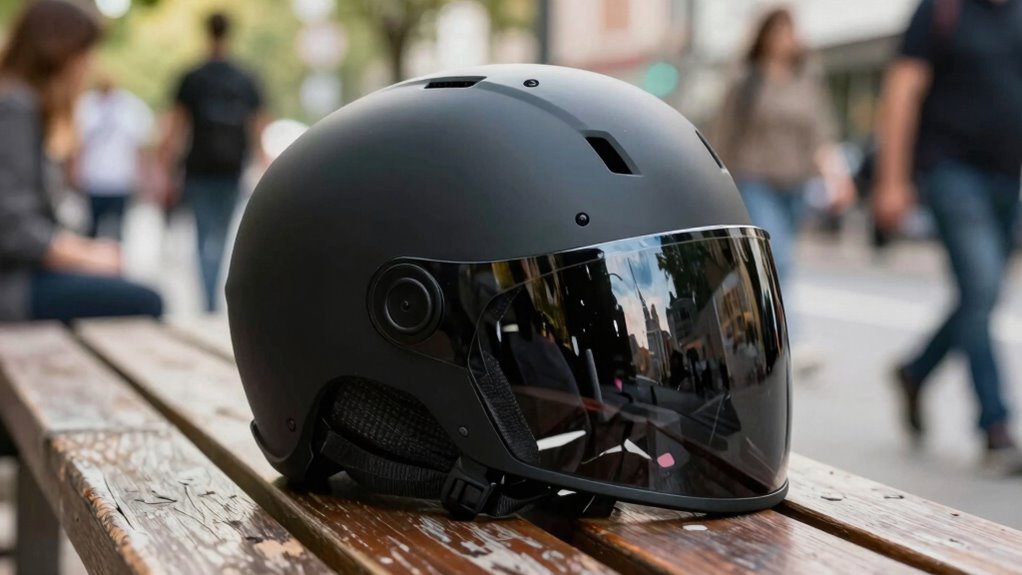
As smart helmets become more common on roads and construction sites, a key question arises: do they truly enhance safety or just add unnecessary complexity? You might find yourself intrigued by the promise of advanced features like real-time alerts, GPS tracking, and communication systems. But beyond the technology, the real debate centers on whether these helmets genuinely protect you or if they introduce new risks and concerns. Safety regulations play a vital role here. They set the standards for what a helmet must provide to be considered effective, typically focusing on impact resistance and durability. When smart helmets enter the picture, questions arise about whether these devices meet or exceed existing safety standards. If they do, they could offer an extra layer of protection—alerts about approaching vehicles, fatigue monitoring, or accident detection. But if they don’t, you risk relying on features that might not be tested or validated to the same degree as traditional helmets, which could undermine safety rather than enhance it. Additionally, the integration of technology into safety gear prompts ongoing discussions about safety standards compliance and whether manufacturers are held accountable for meeting rigorous safety benchmarks. Ensuring that these devices are thoroughly safety tested is crucial to prevent false security and potential hazards. Moreover, the rapid development of smart helmet technology underscores the importance of establishing consistent regulatory frameworks to keep pace with innovation and safeguard users. User privacy is another essential issue that often gets overlooked. As you wear a smart helmet, data about your location, movements, and even health metrics might be collected and transmitted. While this data can improve safety and emergency response, it also raises concerns about who has access to it and how it’s used. Are your movements being tracked without your explicit consent? Could this sensitive information fall into the wrong hands? Privacy policies vary widely, and without strict regulations, you might be unknowingly exposing yourself to risks beyond physical injury. Manufacturers and authorities must establish clear guidelines to protect user privacy, ensuring that data is stored securely and used ethically. Otherwise, you might find yourself sacrificing personal privacy for a perceived safety benefit that’s not guaranteed.
The underlying issue isn’t just about the technology itself but about the broader context—how safety regulations adapt to new devices and how user privacy is safeguarded in a rapidly evolving landscape. You need to ask whether smart helmets are merely a marketing gimmick or if they genuinely serve your best interests. Are they tested thoroughly? Do they comply with existing safety standards? And are your personal data rights protected? These questions matter because, ultimately, safety isn’t just about high-tech features; it’s about trust, regulation, and ensuring that innovation doesn’t come at the expense of your well-being or privacy. As you consider adopting a smart helmet, keep these issues in mind—because safety is about more than just the hardware on your head.
smart helmet with safety standards
As an affiliate, we earn on qualifying purchases.
As an affiliate, we earn on qualifying purchases.
Frequently Asked Questions
How Do Smart Helmets Impact Cyclist Privacy?
Smart helmets impact your privacy mainly through data collection and user tracking. As you wear these helmets, they gather information like your location, speed, and riding habits, which could be shared or misused if not properly protected. You might not always be aware of how much data is being collected or who has access to it. To protect your privacy, look for helmets with clear data policies and opt for secure data handling options.
Are Smart Helmets Affordable for Everyday Riders?
Smart helmets are becoming more affordable for everyday riders, but they still come with a higher price tag compared to traditional helmets. When you do a cost comparison, you’ll notice that user accessibility varies depending on features you want. While some models are budget-friendly, others target high-end markets. It’s a case of “you get what you pay for,” so weigh your needs and budget carefully before making a purchase.
What Are the Safety Standards for Smart Helmets?
You should know that safety standards for smart helmets focus on design innovation and battery life. Manufacturers must meet strict regulations like impact resistance and electrical safety, guaranteeing the helmet provides protection during accidents. The design innovation incorporates features like reinforced shells and secure wiring, while battery life guarantees continuous functionality without sudden power loss. Always check that your smart helmet complies with industry standards before riding for maximum safety.
Can Smart Helmets Replace Traditional Helmets?
You might think smart helmets will fully replace traditional ones, but they’re more about enhancing safety and style rather than replacing classic protective gear. While fashion trends push for sleek, high-tech designs, the environmental impact of manufacturing smarter helmets is a concern. Smart helmets offer added features, but for now, they complement, rather than replace, traditional helmets, giving you options to stay safe and trendy without sacrificing sustainability.
How Durable Are Smart Helmets in Rough Conditions?
Smart helmets are quite durable in rough conditions, thanks to their high-quality materials designed for impact resistance. You’ll find that their material durability withstands shocks, vibrations, and harsh weather, making them suitable for demanding environments. However, always check the specific product’s ratings and manufacturer’s recommendations. Proper maintenance and avoiding extreme conditions can prolong the lifespan, ensuring your smart helmet remains protective and reliable during tough situations.
Conclusion
Imagine riding through a busy city, your helmet quietly alerting you to unseen dangers. It’s tempting to see smart helmets as just gadgets, but they’re really about safety—your life’s most valuable gear. Like a trusted friend who warns you of trouble, these helmets remind us that technology’s true purpose is to protect what matters most. So, when you gear up, remember: it’s not just about tech, it’s about staying safe in the unpredictable ride ahead.
NFL season / tailgating Picks
team gear
As an affiliate, we earn on qualifying purchases.