
When you start cycling, you’ll discover that riding isn’t just about covering miles but also about forming unexpected social bonds. Group rides bring a sense of belonging, encourage support, and make challenging routes more enjoyable. You’ll find opportunities to connect with cyclists of all skill levels, share tips, and build friendships. The camaraderie and shared goals turn cycling into a community experience. Keep exploring, and you’ll uncover even more surprising ways riding can enrich your social life.

Get sports gear delivered free with Prime
- Fast, free delivery on millions of items
- Prime Video, Amazon Music and more included
- Member-only deals all year
Key Takeaways
- New cyclists often find unexpected camaraderie and friendship forming through shared rides and post-ride social activities.
- Group rides foster inclusivity, encouraging questions and support regardless of experience level.
- Riding with others boosts motivation and accountability, helping beginners stay committed and push their limits.
- The social environment enhances enjoyment, making cycling feel less like exercise and more like community bonding.
- Unexpected emotional support from fellow riders can build confidence and resilience, enriching the cycling experience.
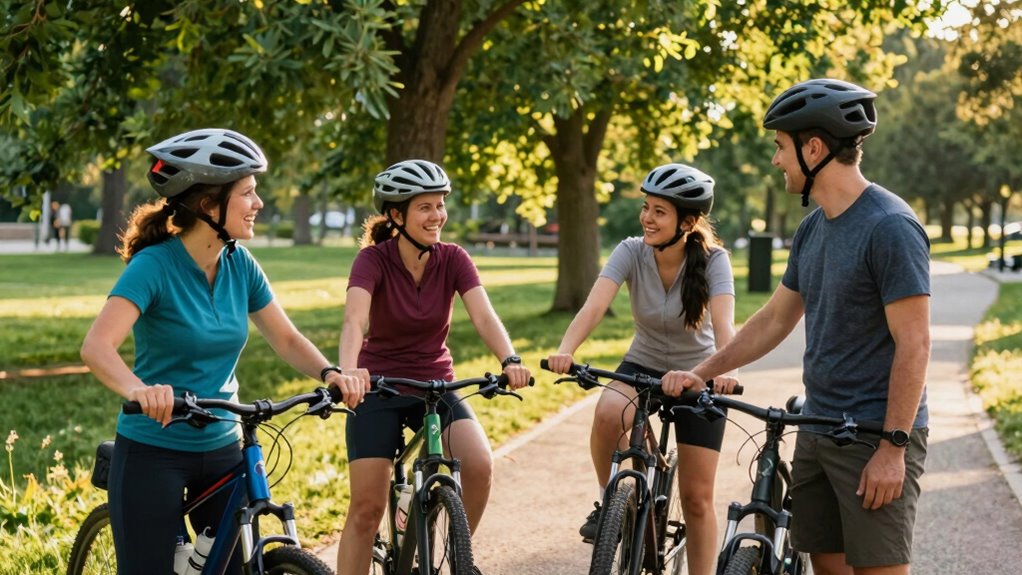
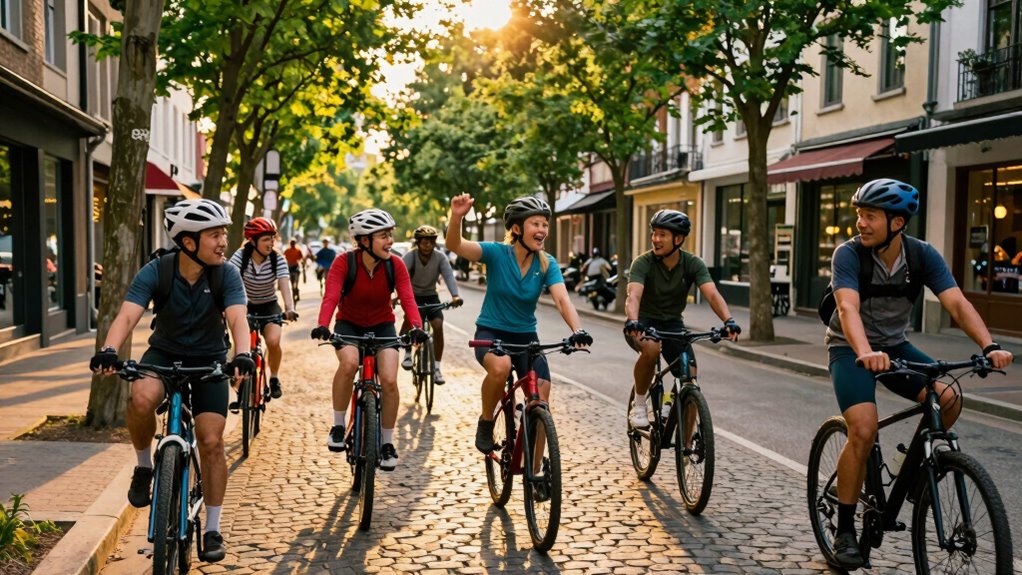
When you first start cycling, you might focus on mastering the pedals and conquering hills, but what often surprises new riders is how social the sport truly is. One of the biggest surprises is how quickly you become part of a community through group rides. Instead of riding solo all the time, you find yourself joining others who share your passion. These group rides aren’t just about covering distance—they’re about connection. As you pedal alongside others, you quickly notice how camaraderie develops. Conversations flow naturally, whether it’s about bike gear, favorite routes, or weekend plans. The shared experience of tackling challenges and celebrating milestones creates bonds that extend beyond the saddle.
Group rides introduce you to a diverse mix of cyclists. Some are beginners, others are seasoned racers, but everyone’s there for the love of riding. You don’t need to be the fastest or most experienced to join in. The inclusive atmosphere means you can ask questions, learn tips, and get encouragement from fellow riders. Over time, these interactions foster a sense of belonging. You start to look forward to rides not just for the exercise, but for social connection. It’s common to find friendships forming over coffee afterward or exchanging advice on bike maintenance. These moments build a sense of cycling camaraderie that’s hard to replicate on your own. Additionally, the social aspect of riding can lead to participation in local cycling events and clubs, further expanding your network of fellow enthusiasts. Getting involved in these groups can also help you develop psychological resilience, as the support from the community encourages perseverance through challenges. Recognizing the importance of biodiversity and sustainable practices can also be a shared goal within cycling communities, fostering a deeper connection to the environment. The social side of riding also means you’re motivated to push yourself further. When others are counting on you to stay in pace, you’re less likely to skip a ride or slack off. The shared goals—finishing a route, climbing a tough hill, or just keeping the group together—give you a sense of purpose. You’ll find that riding with others makes the miles fly by faster and the effort feel lighter. Plus, the encouragement from your riding companions boosts your confidence. This camaraderie turns cycling from a solitary workout into a team activity, where everyone’s support helps push individual limits.
In the end, what you didn’t expect is how quickly cycling becomes more than just exercise. It’s about the community you join, the friendships you build, and the camaraderie that keeps you coming back. Whether it’s a leisurely weekend ride or a challenging charity event, the social side of cycling enriches the experience. You realize that the sport isn’t just about speed or distance—it’s about the shared joy of riding together. That’s the part new cyclists often miss until they get out there and experience it firsthand.
As an affiliate, we earn on qualifying purchases.
Frequently Asked Questions
How Do I Join Local Cycling Groups or Clubs?
To join local cycling groups or clubs, start by searching online for nearby options or visiting community centers. Attend cycling events or group rides, which are great for meeting members. When planning rides, consider your bike maintenance tips to guarantee safety. Engage with club organizers or members on social media, and don’t hesitate to ask questions. Participating actively helps you build connections and enjoy the social side of cycling.
What Are Common Cycling Etiquette Rules?
You should learn and follow common cycling etiquette rules, like using cycling hand signals to communicate your intentions and respecting trail etiquette to guarantee safety and harmony. Always signal when turning or stopping, and give way to pedestrians and faster riders. Keep to the right, stay predictable, and avoid sudden movements. These practices help everyone enjoy riding together smoothly and safely, making your experience more enjoyable and respectful for all.
How Can I Find Beginner-Friendly Cycling Routes?
Imagine finding a quiet park trail where the sun filters through trees, perfect for beginner cyclists. To discover such routes, check local cycling clubs, community boards, or apps like Strava for beginner-friendly paths. Remember, good cycling nutrition keeps you energized, and regular bike maintenance guarantees smooth rides. These simple steps help you enjoy safe, scenic rides while building confidence on your cycling journey.
What Safety Gear Should I Always Carry?
You should always carry essential safety gear like a helmet, reflective clothing, and lights. Wear proper cycling apparel for comfort and visibility. It’s also vital to carry basic bike maintenance tools such as a pump, spare tube, and multi-tool to handle minor repairs on the go. Staying prepared with this gear helps you stay safe, confident, and ready for any situation during your ride.
How Do I Handle Conflicts With Other Cyclists?
When conflicts with other cyclists arise, stay calm and prioritize safety. Use proper cycling etiquette, like signaling your intentions and maintaining a steady line, to prevent misunderstandings. If a disagreement occurs, politely communicate your concerns or slow down to create space. Remember, conflict resolution is about respectful interaction—sometimes, a simple apology or a friendly gesture can smooth things over and keep everyone safe and enjoying the ride.
Conclusion
As you pedal into the world of cycling, you’ll find it’s like weaving a vibrant tapestry of friendships and shared adventures. The social side of riding isn’t just an afterthought—it’s the heart that beats beneath every turn of the crank. Embrace these connections, and you’ll discover that cycling isn’t just about the journey, but about the people you meet along the way. Together, you’ll find a community that turns every ride into a memorable chapter.
Halloween Picks
halloween
As an affiliate, we earn on qualifying purchases.