Sports and recreation can mean many things, but cycling offers a particularly flexible way to move, explore, train, and travel. A bicycle can replace short car journeys, add structure to a fitness routine, open access to gravel roads, or simply make an ordinary weekend more interesting. Running complements it with a simple, accessible form of weight-bearing exercise. Together, these activities can support everything from practical transportation to ambitious endurance goals.

Get sports gear delivered free with Prime
- Fast, free delivery on millions of items
- Prime Video, Amazon Music and more included
- Member-only deals all year
This hub is an orientation point for riders and runners who want to make informed decisions without losing sight of what matters most: comfort, consistency, safety, and enjoyment. It explains the major equipment categories, shows how different choices fit different needs, and connects you with focused guides when you are ready to compare specific options.
Start With the Way You Actually Want to Ride
The most useful equipment is equipment suited to your real routine. Before comparing materials, motors, drivetrains, or wearable technology, identify the riding you expect to do most often. A commuter negotiating traffic and carrying work essentials has different priorities from a gravel rider spending hours on rough roads. A recreational cyclist may value an upright position and straightforward maintenance, while a performance-focused rider may accept more complexity in pursuit of lower weight or greater efficiency.
Urban commuting
For city travel, reliability and convenience usually matter more than outright speed. Consider the distance of your regular journeys, local terrain, available bike lanes, storage at both ends, and whether you need to carry a laptop, groceries, or a change of clothes. Fenders, lights, racks, and secure locking arrangements can be just as important as the bicycle itself.
Electric assistance can make longer commutes, hills, and frequent starts feel more manageable. It can also help riders arrive with less fatigue. The right configuration still depends on practical details such as fit, carrying capacity, local regulations, charging access, and storage. The guide to the best e-bikes for urban commuters provides a focused starting point for comparing city-oriented choices.
Recreational and fitness riding
If your main goal is exercise or leisure, choose a bike that encourages you to ride regularly. Comfort, predictable handling, suitable gearing, and an appropriate riding position are often more valuable than features designed for competition. Think about the roads and paths available near you, the length of a typical outing, and whether you expect to ride alone or with a group.
Gravel and mixed-surface adventures
Gravel riding sits between road cycling and off-road exploration. Routes may include pavement, hard-packed dirt, loose gravel, and uneven tracks in the same outing. Tire clearance, stable handling, useful gearing, and contact-point comfort all matter. Because gravel rides can involve prolonged pedaling over irregular surfaces, footwear and bike fit deserve particular attention.
urban commuter bike with fenders and lights
As an affiliate, we earn on qualifying purchases.
As an affiliate, we earn on qualifying purchases.
Choosing an E-Bike Around Your Priorities
E-bikes are not a single category. They include practical commuters, cargo-capable machines, folding designs, sporty models, and premium bikes where finish and component integration receive extra attention. Rather than starting with appearance or motor specifications alone, consider the complete ownership experience.
- Define the journeys the bike must handle, including distance, elevation, road surface, and expected cargo.
- Check whether the frame style and available sizes suit your mobility and riding position.
- Consider the total weight if you must lift the bike onto stairs, racks, or public transportation.
- Plan where you will store, lock, and charge it.
- Review applicable local rules concerning assistance, speed, and where the bike may be ridden.
- Look into service access for the electrical system and ordinary bicycle components.
Some riders want an e-bike that feels refined as well as functional. Premium frames, integrated components, distinctive styling, and sophisticated controls can be appealing, but they should still be assessed against fit, serviceability, and intended use. Explore the guide to luxury e-bikes that combine style and power if high-end design is part of your decision.
Belt drive or conventional chain?
A conventional chain is familiar, widely supported, and compatible with many drivetrain arrangements. A belt drive offers a different ownership experience and is often considered by riders seeking a clean, relatively low-maintenance system. Belt-equipped bicycles require compatible frames and typically use internal gearing or another suitable transmission, so the choice affects more than one component.
Neither system is automatically right for every rider. Think about local repair support, gear range, riding conditions, initial complexity, and how much routine drivetrain care you are willing to perform. For models built around this approach, see the overview of e-bikes with belt drive.
Comfort Begins With Fit and Contact Points
Many discomfort problems blamed on the bicycle begin with fit, rapid increases in riding time, or poorly matched contact points. The saddle, seatpost, handlebar, grips or tape, pedals, and shoes connect the rider to the machine. Small changes in these areas can have a noticeable effect, but adjustments should be considered as a system.
Saddle height, reach, handlebar position, and cleat placement influence how load is distributed. Changing one element may alter another. Persistent pain, numbness, or joint discomfort should not be treated as a normal part of cycling. A qualified bike fitter or appropriate health professional can help when basic adjustments do not resolve a problem.
Seatpost compliance
A seatpost can influence how vibrations and impacts reach a seated rider, especially on rough pavement and gravel. Carbon models are often considered by cyclists interested in balancing weight, ride feel, and compliance. Results depend on the post’s design, exposed length, rider setup, frame, tires, and surface conditions; material alone does not determine comfort.
Compatibility is essential. Diameter, minimum insertion, setback, saddle-rail support, and specified torque all require attention. Anyone investigating this upgrade can use the guide to carbon seatposts for comfort and compliance to understand the available category more clearly.
Footwear for wide feet
Cycling shoes should hold the foot securely without crushing the forefoot or creating pressure points. Riders with wide feet often need more than simply choosing a larger size, because extra length does not guarantee the right shape. Toe-box volume, overall last shape, closure placement, arch support, and heel retention all influence fit.
Gravel footwear must also accommodate moments off the bike. Traction, walkability, cleat compatibility, ventilation, and protection may matter alongside pedaling support. The comparison of gravel shoes for wide feet is a useful next step for riders seeking an appropriate combination of comfort and performance.
Build a Maintenance Routine You Can Sustain
Maintenance does not need to be intimidating. A short, repeatable routine prevents many avoidable problems and helps you notice changes before they interrupt a ride. Before heading out, check tire condition and pressure, confirm that both wheels are secure, test the brakes, and make sure the drivetrain operates normally. Inspect lights and charge electronic equipment when relevant.
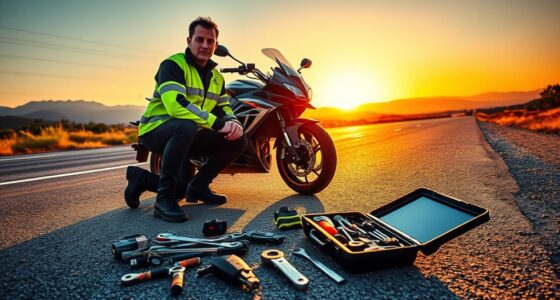
After wet or dirty rides, remove grit before it works deeper into moving parts. Follow manufacturer guidance for cleaning products, lubricants, torque settings, battery care, and service intervals. If you are uncertain about brakes, steering, structural damage, or an electrical fault, professional inspection is the sensible choice.
Understanding chain waxing
Chain waxing is an alternative to applying conventional liquid lubricant. It appeals to riders who want a structured drivetrain-care process and are willing to prepare chains and reapply wax as needed. The method requires attention to cleanliness, compatible products, safe handling, and an ongoing schedule. It may feel excessive for someone who wants the quickest possible routine, but worthwhile for a rider who enjoys methodical maintenance.
Before adopting the process, understand the preparation involved and decide whether it fits your riding frequency and conditions. The guide to chain waxing systems for bicycles introduces equipment designed to make that workflow more organized.
Use Cycling Technology With a Clear Purpose
Technology can support navigation, communication, training, and situational awareness, but every additional screen or alert competes for attention. A useful device should solve a real problem without making riding more distracting or complicated.
Start with essentials: dependable lights, a charged phone or navigation device when needed, and a way to call for help. More advanced wearables can then be evaluated according to display clarity, control method, compatibility, battery needs, comfort, weather resistance, and how information is presented while moving.
Heads-up-display eyewear aims to place selected information within the rider’s field of view. That concept may suit riders who want access to directions or ride data without repeatedly looking down, but safe use depends on thoughtful setup and restrained notifications. Review the guide to smart glasses with a HUD for cycling for a closer look at this specialized category.
Combine Cycling and Running Thoughtfully
Cycling and running can complement each other, but their physical demands are not identical. Cycling provides seated, repetitive movement with relatively low impact, while running introduces weight-bearing impact and different loading patterns. A cyclist beginning to run should increase volume gradually even if cardiovascular fitness is already strong. The heart and lungs may be ready before muscles, tendons, and joints have adapted.
Use easy sessions to establish consistency, leave room for recovery, and avoid turning every workout into a test. Shoes should match the runner’s feet, movement, terrain, and intended training rather than status alone. Premium construction may be appealing, but fit and suitability remain central. Runners exploring the upper end of the market can consult the guide to high-end running shoes combining luxury and performance.
Prepare for Safer, More Enjoyable Outings
Good preparation is less about carrying everything and more about anticipating likely problems. Match your plan to the route, conditions, distance, and availability of support.
- Choose clothing suitable for the forecast and expected temperature changes.
- Carry water and appropriate food for the duration and intensity of the outing.
- Bring basic repair items you know how to use, such as inflation equipment and a solution for common punctures.
- Use lights and visible positioning when conditions require them.
- Tell someone your route when traveling in remote areas.
- Keep identification and an emergency contact accessible.
- Adjust speed to visibility, surface conditions, traffic, and other trail users.
Skills matter as much as equipment. Practice controlled braking, looking behind without swerving, signaling, cornering, and dealing with basic mechanical issues in a calm environment. On shared routes, ride predictably and communicate early. On unfamiliar gravel, allow extra stopping distance and avoid assuming that every visible line offers firm traction.
Create a Setup That Evolves With You
You do not need to build a perfect setup at once. Begin with a suitable bicycle or pair of running shoes, establish a consistent routine, and let real experience reveal the next priority. Perhaps commuting shows that you need better cargo capacity. Longer gravel rides may expose footwear pressure or a harsh contact point. More frequent training may make drivetrain care or navigation technology worth revisiting.
Upgrade in response to a specific need, not simply because a component is newer or more expensive. The strongest sports and recreation setup is coherent: it fits your body, supports your routes, can be maintained locally, and makes it easier to head outside again. Use the linked guides for deeper comparisons, but keep your own terrain, habits, and comfort at the center of every decision.
Halloween Picks
halloween
As an affiliate, we earn on qualifying purchases.