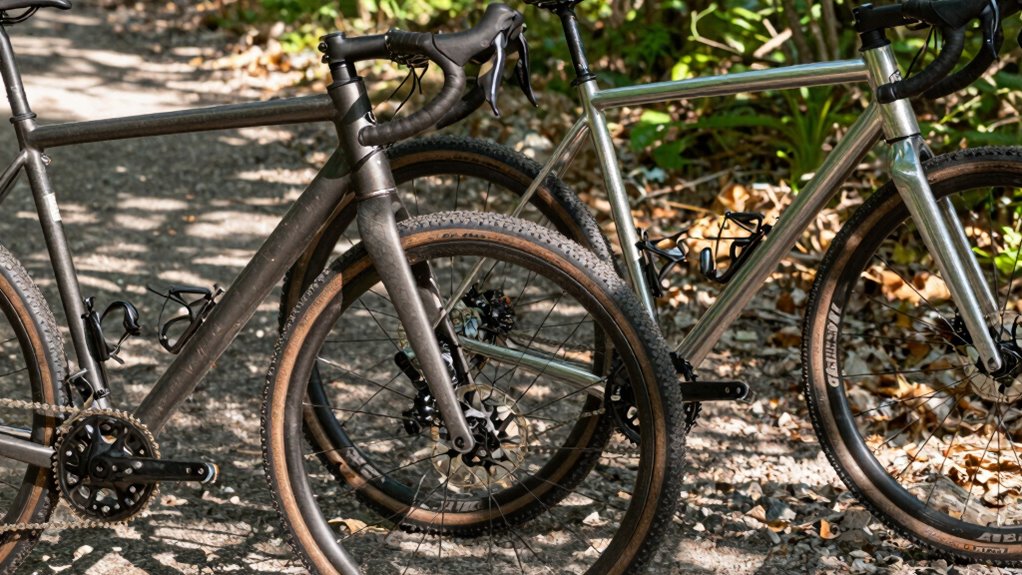

When choosing between steel and aluminum for your gravel bike, focus on what’s truly important: your riding style, terrain, and durability needs. Steel offers better shock absorption and long-term resilience, making it great for rough terrains and comfort over long distances. Aluminum is lighter and more responsive, ideal for speed and smoother surfaces. Don’t get sidetracked by popularity or weight alone—understanding these core differences will help you pick the best frame for you. Keep going to discover more insights.
Key Takeaways
- The debate often overlooks rider preferences for comfort and terrain, which are more critical than material alone.
- Durability and repairability in real-world conditions are often underestimated in favor of weight and stiffness.
- Long-term performance depends on maintenance and riding style, not just initial material choice.
- The importance of matching material to terrain and riding goals is frequently ignored.
- Market availability and budget often influence choices more than technical material differences.
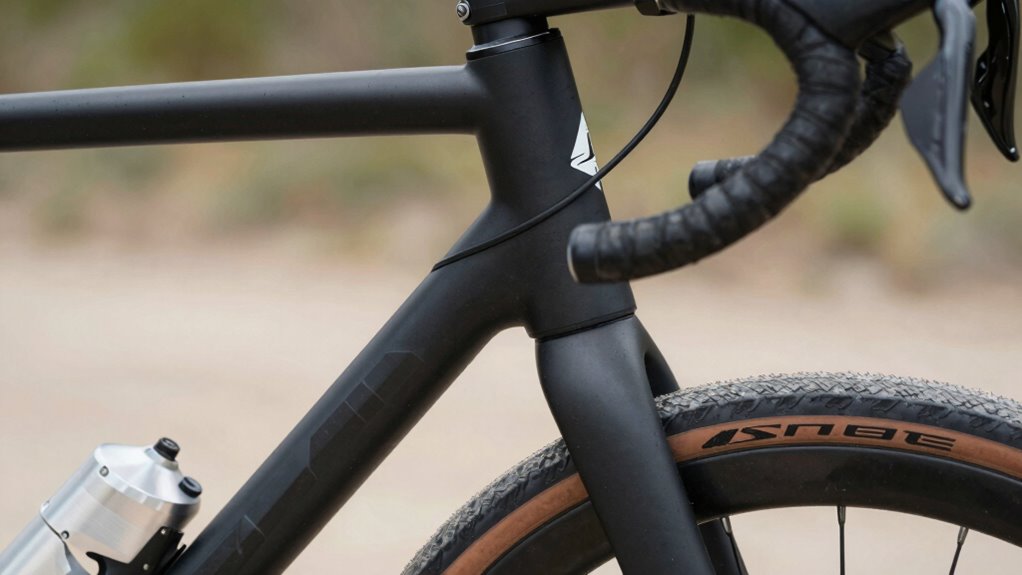
When choosing a gravel bike, the debate between steel and aluminum frames often comes down to personal preferences and riding needs. You might hear that steel offers a smoother ride or that aluminum keeps the bike lightweight, but these distinctions only scratch the surface. It’s essential to understand how bike weight and frame durability influence your riding experience, rather than getting caught up in generalizations.
Steel frames are generally heavier than aluminum, which can seem like a downside if you’re aiming for a lightweight setup. However, the extra weight often translates into increased durability and a more resilient frame that can withstand rougher terrain and minor impacts without cracking. If your rides involve long distances over varied surfaces or you tend to carry gear, steel’s robustness becomes a significant advantage. It’s known for its ability to absorb vibrations, making your ride feel smoother even on less-than-perfect trails. This durability also means your frame is likely to last longer, resisting fatigue and corrosion over time, especially if properly maintained. Additionally, steel frames tend to be easier to repair, which can be beneficial if you frequently ride in remote areas. Choosing a durable material like steel can also contribute to a more sustainable and cost-effective cycling experience over the long term.
Steel frames offer durability and vibration absorption, making rides smoother and longer-lasting on rough terrains.
On the other hand, aluminum frames are prized for their lighter weight, which can make climbing hills or accelerating much easier. If you prioritize speed and agility, aluminum’s reduced weight helps you feel more responsive and less fatigued over extended rides. Yet, it’s worth noting that aluminum, while stiff and light, isn’t as forgiving as steel when it comes to absorbing shocks. That stiffness can sometimes translate into a harsher ride, especially on uneven terrain. While aluminum frames are durable in their own right, they tend to be more susceptible to fatigue over time, and minor impacts might cause microfractures that compromise long-term integrity if not inspected regularly. Additionally, the material properties of steel and aluminum significantly influence how they respond to impacts and fatigue, impacting their long-term performance.
Ultimately, the decision hinges on your riding style and terrain. If you value a resilient, long-lasting frame and don’t mind a bit of extra weight, steel is a solid choice. If you’re after a lightweight bike that enhances speed and agility—especially on smoother surfaces—aluminum might suit you better. But don’t forget, these differences are just one part of the story. A well-built steel or aluminum frame can both perform admirably, and your choice should reflect your priorities in terms of durability, weight, and how you plan to ride. The real point is understanding what matters most for your specific adventures, rather than getting lost in the debate over materials. Choosing the right material can also depend on market availability and your budget, which are important factors to consider in your overall decision.
As an affiliate, we earn on qualifying purchases.
Frequently Asked Questions
How Do Steel and Aluminum Compare in Long-Term Durability?
You’ll find steel generally more durable long-term, especially if you prioritize strength and impact resistance, but it’s less corrosion-resistant and can rust without proper maintenance. Aluminum, on the other hand, offers better corrosion resistance and maintains its aesthetic appeal over time, though it’s softer and may dent more easily. If you want longevity with low maintenance, aluminum’s a solid choice, but steel’s toughness can outperform it in rough conditions.
What Are the Environmental Impacts of Manufacturing Steel Versus Aluminum Bikes?
You might be surprised to learn that producing aluminum bikes consumes about four times more energy than steel bikes, considerably impacting the environment. While aluminum is highly recyclable, recycling challenges can limit its benefits, and energy-intensive manufacturing adds to its environmental footprint. Steel, on the other hand, requires less energy to produce and is easier to recycle, making it a greener choice overall.
How Does Frame Weight Affect Overall Cycling Performance?
A lighter frame boosts your cycling performance by reducing overall weight, making climbs easier and acceleration quicker. However, frame weight also influences frame stiffness and ride comfort. A heavier frame often offers more stiffness, enhancing power transfer and efficiency, but can reduce ride comfort on rough terrain. Conversely, a lighter frame may be less stiff, possibly feeling less responsive but providing a smoother ride. Balance these factors based on your riding style.
Are There Significant Cost Differences Over a Bike’s Lifespan?
Think of your bike like a long-term investment; aluminum bikes usually cost less upfront, but steel frames can save you money over time. Aluminum often has lower maintenance costs initially, but steel’s durability might mean fewer repairs down the road, impacting the financial implications. So, while aluminum saves you money at first, steel could be more economical in the long run, depending on how you ride and maintain it.
Which Material Offers Better Resale Value for Gravel Bikes?
You’ll find steel gravel bikes often retain better resale value because of their vintage appeal and classic aesthetic preferences. Buyers appreciate the durability, timeless look, and craftsmanship associated with steel frames, making them more desirable on the secondary market. Aluminum bikes, while lighter and often more affordable initially, tend to have lower resale value, especially among collectors or enthusiasts who seek that nostalgic, high-quality feel.
Conclusion
So, as you ponder steel or aluminum, remember the tale of the tortoise and the hare. It’s not just about speed or strength, but about choosing what suits your journey. Neither metal is the clear champion—each has its own rhythm, its own story. In the end, it’s your ride, your race. Embrace the choice, find your groove, and let your gravel adventure unfold—steadily, confidently, like the steady beat of a familiar drum.