Torque sensors feel different from cadence sensors because they measure the actual force you apply to the pedals, giving you an immediate and intuitive sense of effort. In contrast, cadence sensors only track how fast you’re spinning your pedals, without indicating how hard you’re working. This difference means torque sensors connect you more directly to your effort, creating a more natural riding experience. To find out more about what influences how these sensors feel, keep exploring.
Key Takeaways
- Torque sensors measure the actual force applied, providing a direct and intuitive sense of effort, unlike cadence sensors that measure pedal speed.
- Proper calibration of torque sensors is crucial for accurate and responsive feedback, affecting how natural the effort feels.
- Placement of torque sensors (crank arms, pedals, bottom brackets) ensures precise force detection, enhancing the perceived connection to effort.
- Torque sensors offer real-time, force-based feedback, making the effort feel more immediate and authentic compared to cadence sensors.
- Cadence sensors simply track spinning speed, lacking direct effort measurement, resulting in a less intuitive perception of exertion.
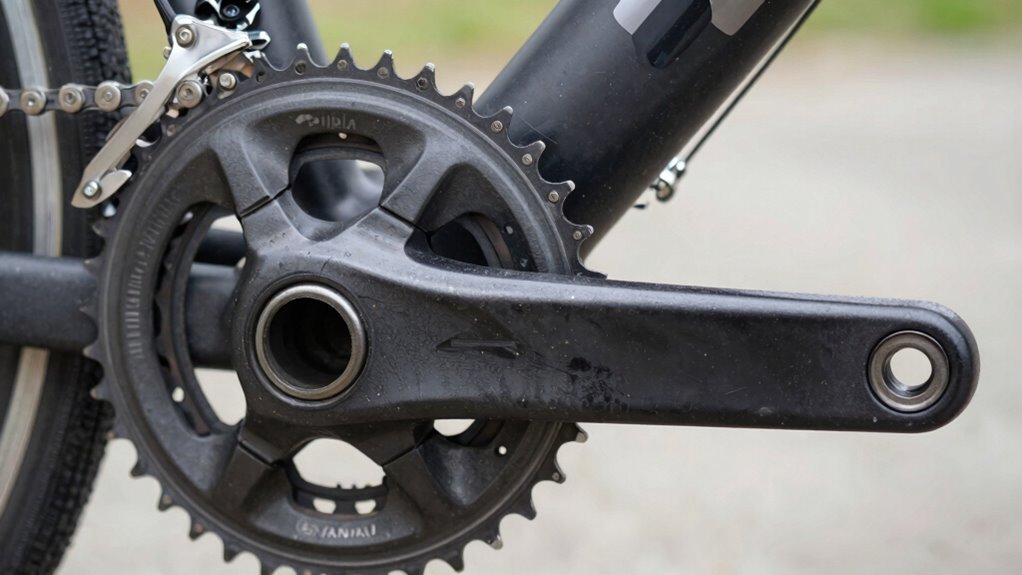
Have you ever wondered why torque sensors feel different from cadence sensors when you’re cycling? It all comes down to how each sensor interacts with your pedaling and how they measure your performance. Torque sensors directly assess the force you apply to the pedals, translating that into data about your power output. Because of this, they tend to feel more immediate and intuitive, giving you a real sense of how hard you’re pushing. Cadence sensors, on the other hand, measure how fast you’re spinning the pedals, which doesn’t always translate into a direct sense of effort. This fundamental difference in what they detect influences how each sensor feels during your ride.
Torque sensors feel more immediate because they measure your actual pedaling effort directly.
One of the key factors that affect how torque sensors feel is calibration precision. Torque sensors need to be precisely calibrated to accurately measure the force you exert. If calibration is off, the sensor might underestimate or overestimate your power, leading to inconsistent or unnatural feedback. When calibration is spot-on, you get a smooth, responsive feeling because the sensor accurately reflects your pedaling effort. Poor calibration, however, can make the sensor seem sluggish or overly sensitive, disrupting your natural rhythm and making the experience feel less reliable. This accuracy is essential if you want to trust your data and get a true sense of your effort. Additionally, sensor calibration is crucial for ensuring the sensor’s measurements remain consistent over time. Proper calibration not only improves accuracy but also enhances the user experience by making the sensor’s feedback feel more natural and dependable. Consistent calibration helps maintain the sensor performance over long periods, which is vital for accurate training metrics.
Sensor placement also plays a significant role in how torque sensors feel. These sensors are typically integrated into the crank arms, pedals, or bottom bracket, and their position determines how well they can detect force. Proper sensor placement ensures that the force you apply is captured accurately and consistently. If the sensor isn’t correctly positioned—say, if it’s slightly misaligned or loose—you might notice a lag or inconsistency in the feedback. This can make the torque feel less direct or smooth, affecting your confidence in the data. Conversely, well-placed sensors give you a more natural sensation because they accurately capture the force in real-time, making your effort feel more connected to what’s recorded.
In contrast, cadence sensors are usually simpler in their placement, often attached to the wheel or crank arm without needing precise calibration for force measurement. They focus solely on how fast you’re spinning, so their placement mainly affects detection reliability rather than the sensation of effort. That’s why they tend to feel less integrated with your actual effort and more like an external metric. Unlike torque sensors, cadence sensors don’t measure force, so their feel is less affected by calibration or placement precision. The simplicity of their design often makes them more foolproof but less responsive to the nuances of your pedaling effort.
Ultimately, the feeling difference between torque and cadence sensors comes down to how each measures and reflects your pedaling. Calibration accuracy and sensor placement are essential for torque sensors to deliver a natural, responsive experience. When these factors are optimized, torque sensors seamlessly translate your effort into data, making them feel more intuitive and authentic compared to cadence sensors.

Replacement E-Bike Axle Metal SR PA231.32.ST.C Steel Torque CenterAxle Sensor About 350g/set Electric Bicycles, for Bafang Electric Bicycle Torque Sensor, 6PIN Cable, 73mm Bottom
【High-quality Materials】This torque center axle sensor is made of reliable steel and metal, ensuring long-lasting performance.
As an affiliate, we earn on qualifying purchases.
As an affiliate, we earn on qualifying purchases.
Frequently Asked Questions
How Do Torque Sensors Affect Overall Cycling Performance?
Torque sensors directly influence your cycling performance by providing real-time data on your power output, allowing you to optimize your effort. When you focus on pedal efficiency, these sensors help you apply consistent force, improving stamina and speed. As a result, you become more aware of your pedaling techniques, leading to better energy transfer and overall performance. Torque sensors make your training more precise and effective.
Are Torque Sensors More Accurate Than Cadence Sensors?
You might think torque sensors are more accurate than cadence sensors, but don’t celebrate just yet. While torque sensors require meticulous calibration and seamless data synchronization, they can deliver more precise power measurements. Cadence sensors, on the other hand, are simpler and often less finicky. So, if you’re after true accuracy, torque sensors can be better—if you’re willing to invest the effort in maintaining their calibration and syncing their data.
Can Torque Sensors Be Used for Indoor Cycling?
Yes, you can use torque sensors for indoor cycling. They measure resistance and calculate your power output accurately, giving you real-time feedback on your effort. This helps you maintain consistent training intensity and track progress effectively. Torque sensors are ideal for indoor bikes or smart trainers, allowing you to optimize your workout by providing precise data on how much force you’re applying during each pedal stroke.
What Maintenance Is Required for Torque Sensors?
You need to regularly calibrate your torque sensors to guarantee accurate readings, especially after long rides or sensor impacts. Check the calibration settings and follow the manufacturer’s instructions for proper sensor calibration. Additionally, monitor the battery lifespan, replacing the batteries when they start to weaken to maintain sensor performance. Proper maintenance keeps your torque sensors functioning smoothly and ensures precise data collection during your indoor cycling sessions.
Do Torque Sensors Work Well With All Bike Types?
They say ‘the right tool for the right job,’ and torque sensors work well on most bike types, but you need to take into account your bike frame and sensor placement. Mountain bikes, road bikes, or e-bikes all vary, so proper sensor placement is key to accuracy. While torque sensors are versatile, compatibility depends on your bike’s design; check if the sensor fits your frame and intended use for ideal performance.
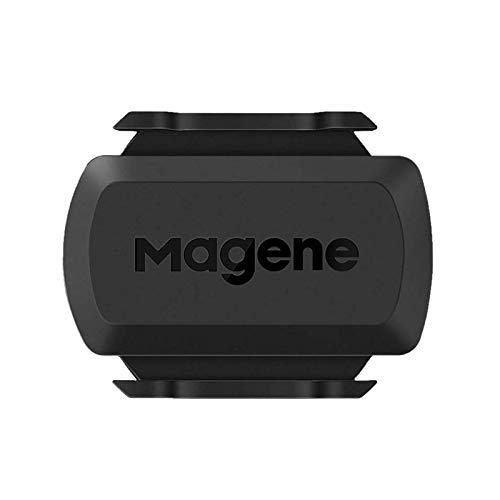
Magene Outdoor/Indoor Speed/Cadence Sensor for Cycling, Wireless Bluetooth/Ant+ Bike Computer RPM Sensor for Road Bike or Spinning Bike and Trainers Compatible with Onelap, Wahoo Fitness, Zwift
[Battery] Remove the insulating sheet of the pre-installed battery before usage; re-install the battery to switch between the…
As an affiliate, we earn on qualifying purchases.
As an affiliate, we earn on qualifying purchases.
Conclusion
Understanding the difference between torque and cadence sensors is like realizing the unique flavor each instrument adds to a symphony. Torque sensors give you that raw, powerful push, while cadence sensors offer a steady rhythm. By feeling the distinct sensations, you can better tune your ride to your style. Embrace these differences as the spice of your cycling experience, making every pedal stroke a new note in your personal performance melody.

Magene P715 S Power Meter Pedals – ±1% Precision, 120h Battery Life, Seamless Bike Compatibility, ANT+ & Bluetooth for Cycling
±1% Consistent Power Accuracy, Record Your Every Effort Precisely
As an affiliate, we earn on qualifying purchases.
As an affiliate, we earn on qualifying purchases.

Chazcool Electric Bikes Sensor, Electric Bicycle Assistant Pedal Sensor, Gear Sensor for Electric Bike
HIGH QUALITY MATERIALS: The electric bicycle sensor is made of high-quality PC plastic material, which is sturdy, stable,…
As an affiliate, we earn on qualifying purchases.
As an affiliate, we earn on qualifying purchases.