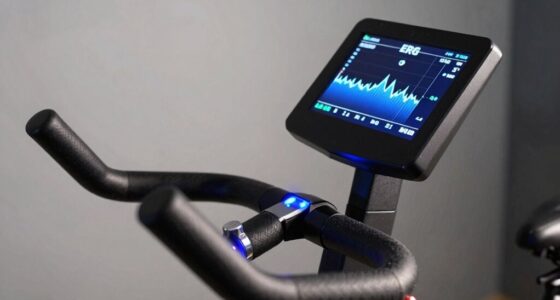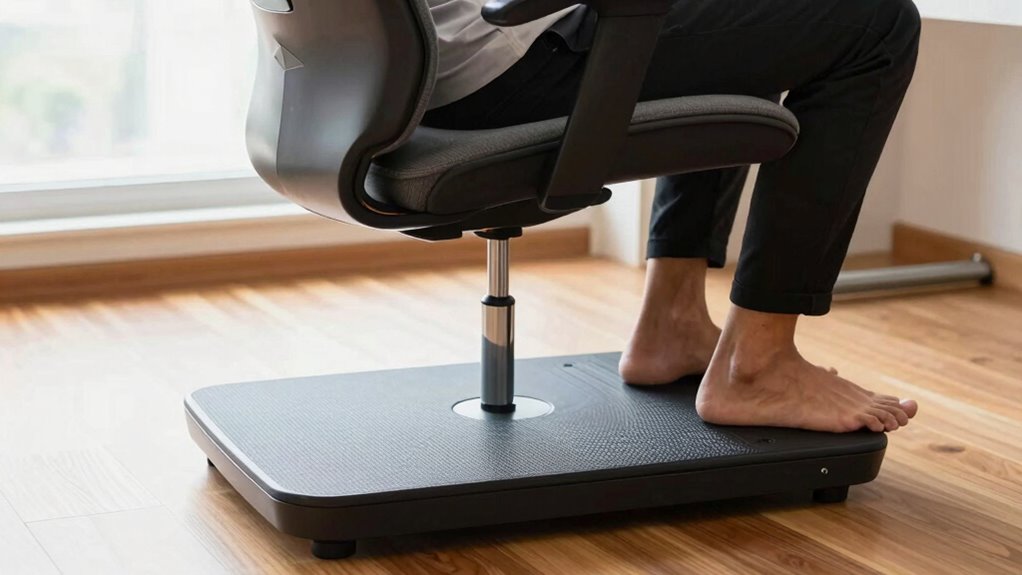

Motion plates help protect your back by encouraging natural movement, improving posture, and strengthening core muscles. They create gentle, controlled motions that mimic natural activities, reducing strain and preventing stiffness. While some evidence suggests they can boost muscle activation and support spinal stability, research is limited and results vary. To really see their benefits, proper use and safety are key. Keep exploring to understand how these tools can fit into your back health routine.
Key Takeaways
- Motion plates promote natural movement and core engagement, which support spinal alignment and reduce back strain.
- They mimic gentle, controlled motions that enhance stability and improve muscle activation in back and core muscles.
- Regular use can improve flexibility, posture, and resilience, counteracting negative effects of prolonged sitting.
- Scientific evidence suggests they may aid in injury prevention, but more research is needed to confirm long-term back health benefits.
- Proper use, gradual progression, and safety practices are essential to maximize benefits and prevent potential strain or injury.
How Do Motion Plates Help Prevent Back Pain?
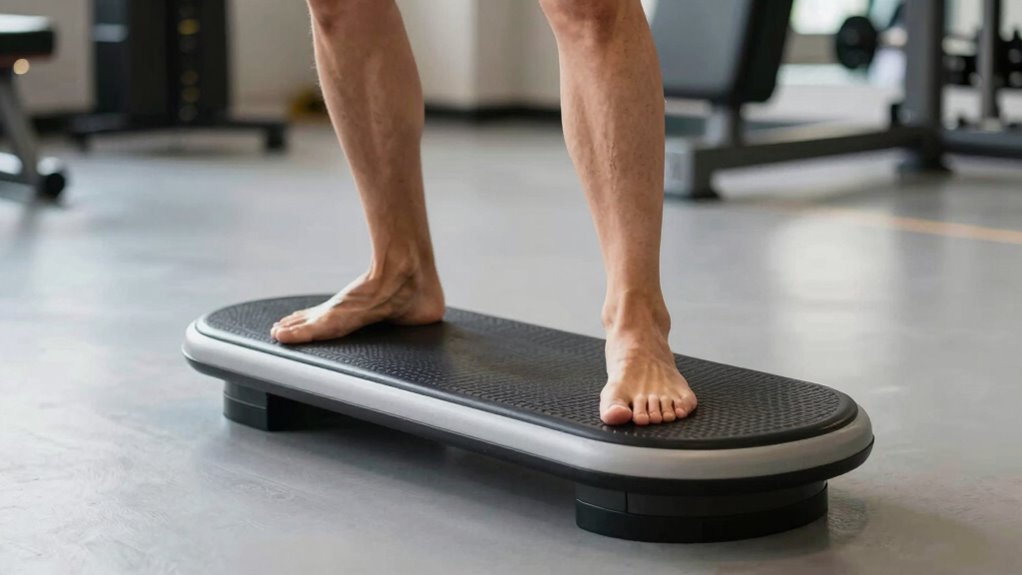
Motion plates help prevent back pain by encouraging natural movement and proper spinal alignment during exercise or daily activities. They promote core stability, which is essential for supporting your back and reducing strain. When you use motion plates, you engage your core muscles more effectively, helping to stabilize your spine and improve posture correction. This improved stability minimizes uneven pressure on your back, decreasing the risk of pain and injury. By fostering controlled, balanced movement, motion plates help you maintain proper posture throughout your activities. Consistently using them trains your body to adopt healthier movement patterns, preventing poor posture habits that often lead to back problems. Additionally, enhanced proprioception helps you become more aware of your body positioning, further supporting safe movement. Incorporating natural movement principles from free floating techniques can further optimize your back health. Recognizing the importance of core engagement ensures that you maximize the benefits of using motion plates for back protection. Moreover, training with motion plates encourages functional movement patterns, which are vital for everyday activities and injury prevention. Developing a mindful movement approach can also contribute to better posture and reduced back strain. Ultimately, motion plates serve as a crucial tool to protect your back by enhancing core strength and promoting correct posture.
What Are Motion Plates and How Do They Work?

Motion plates are specialized platforms that create gentle, controlled movements to engage your muscles and improve stability. They work by simulating natural motions, helping to correct imbalances and reduce strain. Incorporating dynamic movement into your routine can further amplify these benefits, making motion plates a valuable addition to your fitness arsenal. Using motion plates regularly can also promote better posture awareness, which is essential for long-term spinal health. Additionally, integrating these plates with modern fitness techniques can maximize their effectiveness and prevent potential injuries. The use of home gym equipment like motion plates can also make regular exercise more accessible and enjoyable. Engaging with correct exercise form ensures you gain the maximum benefits while minimizing injury risk.
How Motion Plates Work
Since they are designed to mimic natural movement, motion plates use specialized mechanical components to create smooth, continuous motion. This movement is driven by motors and flexible joints that respond to your body’s shifts, guaranteeing a seamless experience. The plates are crafted with ergonomic design principles, supporting your posture and reducing strain. As you stand or move on them, the motion stimulates muscle activation, encouraging your muscles to engage naturally. This dynamic activity helps break up static postures and promotes circulation. The combination of precise mechanical components and ergonomic considerations ensures the motion plates deliver an effective, low-impact workout while supporting your back. They work by gently encouraging your muscles to activate, making movement feel more natural and less stressful on your spine. Additionally, the use of energy-efficient technology aligns with sustainable practices in modern ergonomic solutions.
Benefits of Motion Plates
Motion plates offer a range of benefits by promoting natural movement during exercises or standing periods. Their ergonomic design encourages subtle shifts and dynamic positioning, which help activate muscles that might stay dormant on flat surfaces. This increased muscle activation reduces strain on your back and joints, leading to better posture and comfort. Using a motion plate can also enhance balance and stability, making your workouts more effective. Here’s a quick comparison:
| Benefit | How It Helps |
|---|---|
| Ergonomic Design | Supports natural alignment |
| Muscle Activation | Engages stabilizers and core |
| Improved Balance | Boosts stability during tasks |
| Reduced Strain | Lessens back and joint stress |
Incorporating motion plates into your routine can boost overall comfort and functionality by aligning with your body’s natural movement patterns. Additionally, understanding micro-mobility solutions can further optimize your active lifestyle, especially in the context of architectural solutions that promote ergonomic health and user well-being. Exploring ergonomic design principles can also help in selecting the most suitable equipment for your needs. Recognizing how ergonomic design influences product development can lead to more effective health and fitness tools. Emphasizing ergonomic features in exercise equipment is essential for long-term health benefits.
The Benefits of Using Motion Plates for Your Back
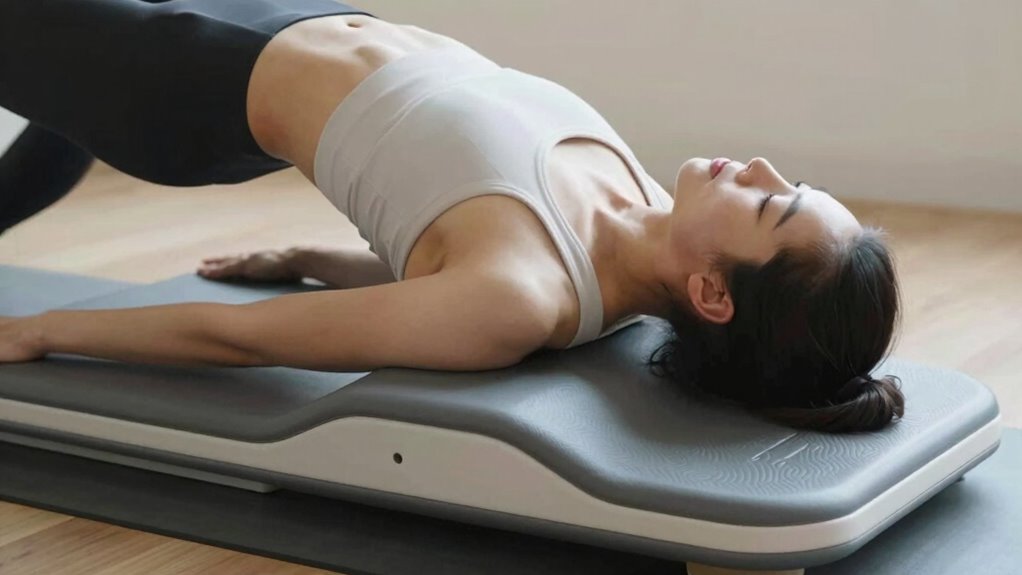
Using motion plates can substantially improve your back health by encouraging dynamic movement and reducing stiffness. Their ergonomic design promotes natural, fluid motions that help maintain flexibility and prevent muscle tightness. This constant, gentle engagement of muscles supports better posture and alignment, which can lessen the risk of chronic pain caused by prolonged static positions. Motion plates also stimulate muscle engagement in ways traditional chairs can’t, helping to strengthen core and back muscles over time. As you move, you activate stabilizing muscles that often weaken with sedentary habits. This active engagement not only alleviates discomfort but also promotes circulation and recovery. Incorporating active movement and dynamic exercises into your routine with motion plates can help counteract the negative effects of prolonged sitting, making everyday activities more comfortable and reducing long-term strain. Additionally, their ability to promote muscle activation can lead to improved overall back strength and resilience, especially when combined with targeted strengthening exercises. Regular use can also enhance posture awareness, helping you adopt healthier sitting and standing habits throughout the day.
What Are the Risks and Limitations of Motion Plates?
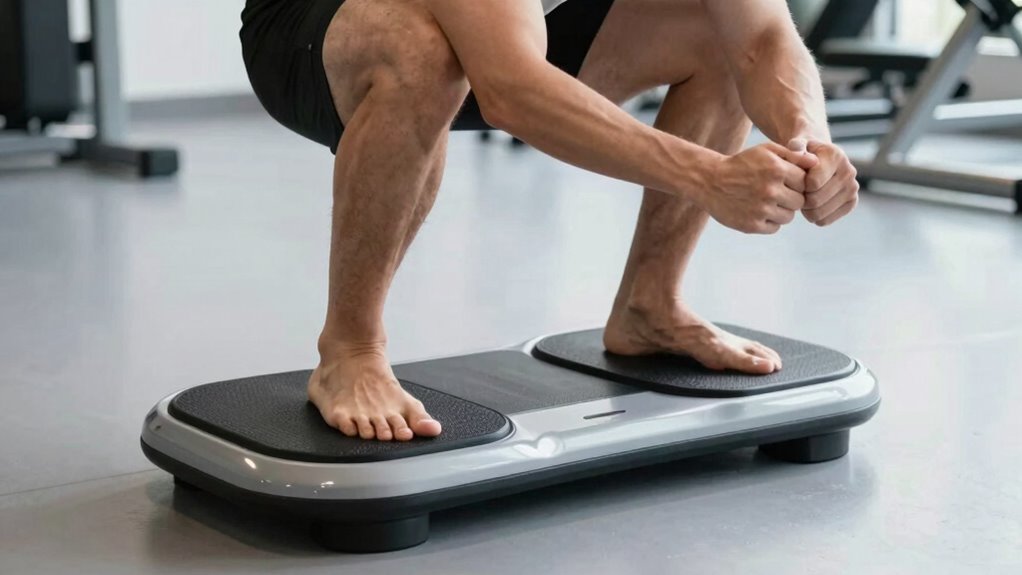
While motion plates offer many benefits, they also come with potential risks and limitations you should consider. One key risk factor is improper use, which can lead to strain or injury if you don’t follow guidelines carefully. Some users may experience discomfort or soreness, especially if they have pre-existing back conditions. Device limitations also exist; motion plates are not a cure-all and may not provide significant relief for everyone. They can be less effective if used incorrectly or as a sole solution. Additionally, overreliance on these devices might cause you to neglect other essential therapies or exercises. Recognizing the importance of proper device use and following instructions can help prevent injury and maximize benefits. It’s also essential to consider smart home integration that can support safe and effective device operation. Being aware of **Device limitations** and potential risks can help you make informed decisions and avoid setbacks. Proper understanding of user training can enhance safety and effectiveness when using motion plates. Recognizing these risk factors and limitations to avoid potential setbacks and to use motion plates as part of a balanced approach to back health. Incorporating home safety practices and proper usage guidance can help maximize benefits while minimizing potential harms.
Does Science Back Up the Use of Motion Plates?
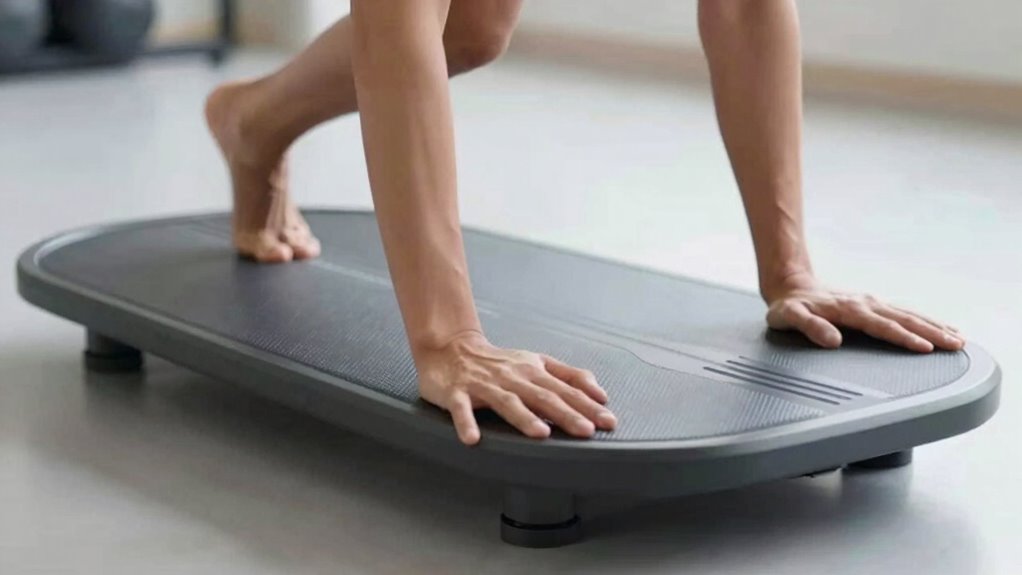
You might wonder if scientific studies support using motion plates, so it’s important to look at the existing evidence. While some research shows physiological benefits, there are notable gaps and limitations in the data. Understanding these factors helps you decide if motion plates are a scientifically backed option for your needs.
Scientific Evidence Overview
Does scientific research support the effectiveness of motion plates? While studies are still emerging, some evidence suggests that their ergonomic design can promote better movement patterns and reduce strain during activity. These devices aim to encourage natural motion, which may help in injury prevention by strengthening stabilizing muscles. Research indicates that engaging these muscles improves posture and reduces the risk of back pain over time. However, most current studies are limited in scope and often involve small sample sizes. Overall, the scientific community recognizes the potential benefits of motion plates, but more rigorous research is needed to confirm their long-term effectiveness. For now, they seem to complement existing ergonomic practices rather than replace traditional injury prevention methods.
Research Limitations and Gaps
Although some studies suggest that motion plates can promote better movement and reduce strain, the scientific evidence remains limited. Many existing research efforts face sample bias, often involving small or unrepresentative groups, which makes it hard to generalize results. Additionally, conflicting studies create uncertainty about their true effectiveness, with some showing benefits while others find minimal or no improvements. These inconsistencies highlight gaps in understanding how motion plates perform across diverse populations and real-world situations. Without larger, more rigorous trials, it’s difficult to draw definitive conclusions. As a result, the current body of evidence doesn’t fully support widespread adoption, leaving you uncertain whether motion plates are a reliable solution for back health or just a passing trend.
Physiological Effects Studied
Research into the physiological effects of motion plates presents a mixed picture, with some studies indicating potential benefits while others find little to no impact. You might wonder if these devices truly enhance your ergonomic design or activate muscles effectively. Scientific research suggests that motion plates can increase muscle activation in core and back muscles by encouraging subtle movements during sitting. This dynamic engagement may help reduce static load and improve posture. However, results vary depending on study design and user adherence. While some experiments show positive effects on spinal stability and muscle recruitment, others report minimal or no significant changes. Overall, scientific evidence indicates that motion plates could offer physiological benefits, but more rigorous, standardized research is needed to confirm their effectiveness in promoting back health.
How to Safely Incorporate Motion Plates Into Your Workout

To safely incorporate motion plates into your workout, start gradually and pay attention to your body’s signals. Begin with low-intensity exercises to get used to the unstable surface, ensuring your movements follow proper training protocols. Prioritize exercises that feature an ergonomic design, which supports your body’s natural alignment and reduces strain. As you become more comfortable, slowly increase intensity and duration, always listening for signs of fatigue or discomfort. Avoid rushing into complex routines until your core and stabilizer muscles are adequately engaged. Consistently follow established training protocols to prevent injury. Remember, progress should be gradual, and maintaining proper form is key. With patience and attentiveness, motion plates can be a safe addition to your workout, enhancing stability and reducing back strain over time.
Frequently Asked Questions
Can Motion Plates Replace Traditional Back Exercises Effectively?
Motion plates can’t fully replace traditional back exercises, but they do complement them well. They encourage core engagement and improve balance training, which are essential for back health. Using motion plates regularly helps activate stabilizer muscles, reducing injury risk. However, for all-encompassing back strength, it’s best to combine motion plate workouts with traditional exercises like planks and deadlifts. Together, they provide a balanced approach to back care.
Are Motion Plates Suitable for All Age Groups and Fitness Levels?
You might think motion plates suit everyone, but age considerations and fitness adaptability matter. They’re generally safe for most adults, yet older adults or those with specific health issues should consult a professional first. Younger users or fitness beginners can benefit from gentle use, but intense routines aren’t recommended. Always assess your personal health, start slow, and adapt the exercises to your fitness level to guarantee safety and effectiveness.
How Long Should I Use a Motion Plate per Session?
You should use a motion plate for about 10 to 15 minutes per session, focusing on proper stretch duration to avoid strain. Start with shorter sessions and gradually increase as your balance and comfort improve. Aim for 3 to 4 sessions weekly, ensuring you give your muscles time to recover. Listening to your body is key—stop if you experience pain and consult a professional if needed.
What Specific Back Issues Can Motion Plates Help Alleviate?
You might find motion plates helpful for issues like poor posture correction and spinal instability. They can strengthen core muscles and promote proper alignment, reducing discomfort from chronic back pain or muscle imbalances. While they aren’t a cure-all, regular use can improve your back’s overall stability and support, making daily movements easier and less painful. Just make certain you follow proper techniques and consult a professional if your issues are severe.
Are There Any Contraindications for Using Motion Plates?
Yes, there are contraindications for using motion plates. If you have severe spinal misalignment or significant injuries, using them might worsen your condition. People with certain neurological issues or chronic pain should consult a healthcare professional before starting. Motion plates can aid in spinal alignment and posture correction, but only if used appropriately. Always get personalized advice to guarantee safe use and avoid potential risks.
Conclusion
Ultimately, understanding if motion plates truly bolster your back’s health is essential. By balancing benefits with boundaries, you can make mindful moves that minimize mishaps. Remember, moderation and proper technique matter most. While motion plates may seem simple, their support can markedly strengthen your spine and stretch your stamina. So, stay safe, stay steady, and step confidently into your workout routine—because with the right approach, motion plates can be a meaningful, manageable part of your muscular journey.