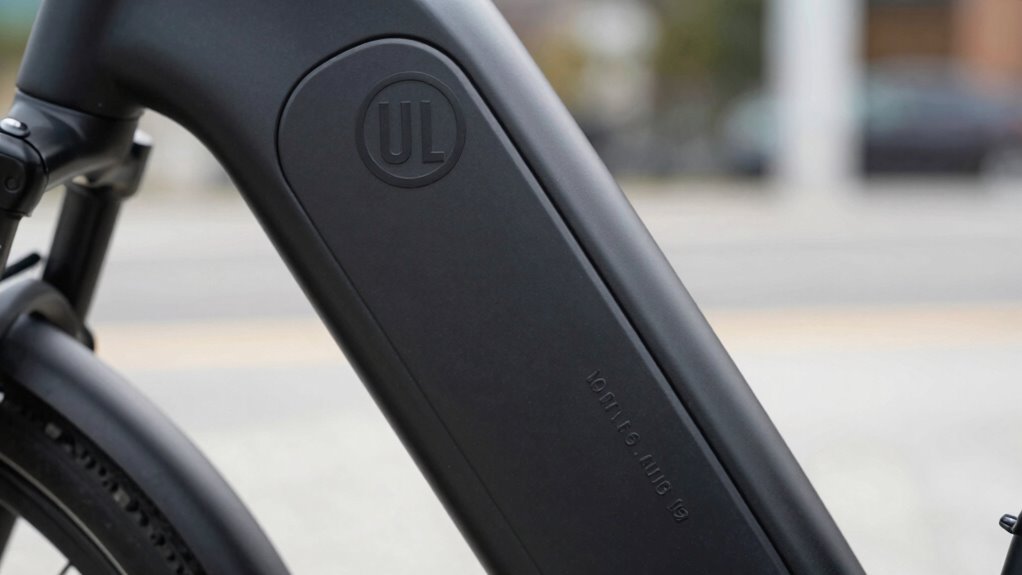

UL certification for e-bike batteries shows they’ve passed specific safety tests, including resistance to fire, electrical safety, and impact. It reassures you that the battery meets safety standards but doesn’t guarantee long-term durability, performance, or eco-friendliness. Certification confirms safety but not environmental practices or lifespan. If you want to understand what UL certification covers—and what it doesn’t—surely you’ll find this explanation useful as you make an informed choice.
Key Takeaways
- UL certification confirms a battery meets specific safety standards but doesn’t guarantee overall performance or long-term durability.
- It primarily tests fire resistance, electrical safety, and impact resistance, not environmental friendliness or recyclability.
- Different UL standards (e.g., UL 2271, UL 1642) apply depending on the battery type, and certification scope varies accordingly.
- Certification does not prevent manufacturing flaws or misuse from causing safety issues; proper handling remains essential.
- Always verify genuine UL marks, manufacturer credentials, and consider additional factors like warranty, reviews, and eco-friendly practices.
What Is UL Certification and Why Is It Important for E-Bike Batteries?
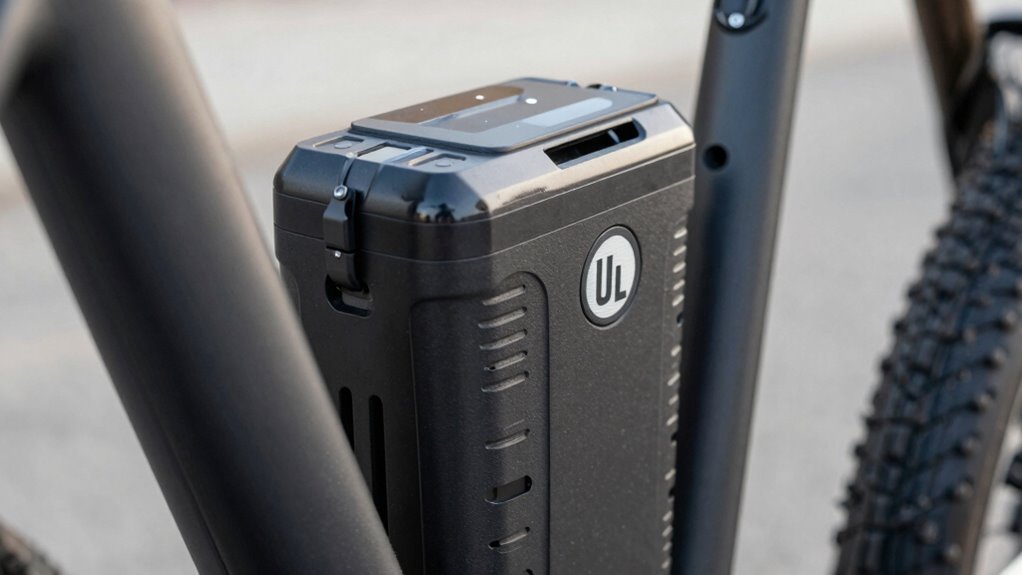
Have you ever wondered what UL certification really means for e-bike batteries? It’s more than just a stamp of approval; it signifies that the battery meets strict manufacturing standards designed to guarantee safety and reliability. One key aspect is that UL-certified batteries are tested for safe disposal and recycling, supporting environmentally responsible battery recycling practices. This certification confirms the manufacturer adheres to rigorous quality controls, reducing risks like overheating, fires, or malfunctions. By choosing UL-certified batteries, you’re investing in products that have undergone thorough evaluation, giving you peace of mind. It also encourages manufacturers to maintain high standards, promoting safer, more sustainable e-bike batteries in the market. Ultimately, UL certification safeguards both consumers and the environment, making it an essential mark of trust. Safety standards play a crucial role in ensuring batteries are manufactured with consistent quality and care. Additionally, manufacturing compliance is monitored to ensure ongoing adherence to these high standards, further enhancing product safety. Regular quality control processes help sustain these safety and environmental commitments over time. Moreover, certification processes promote transparency and accountability within the industry, fostering consumer confidence. Ensuring proper recycling practices aligns with environmental safety goals and helps mitigate ecological impact.
What Safety Tests Are Included in UL Certification for Batteries?
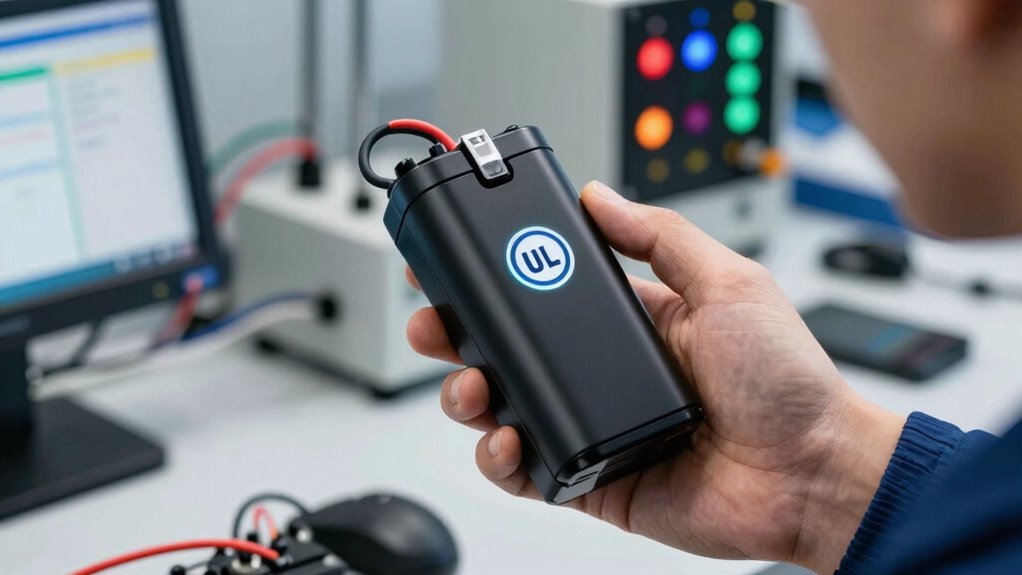
UL certification for batteries includes a thorough suite of safety tests designed to identify potential hazards and guarantee reliable performance. These tests evaluate factors like overcharge, short circuit, mechanical impact, and thermal stability to prevent fires or explosions. You’ll also see checks related to battery recycling, ensuring materials can be safely reclaimed, and manufacturing standards, which verify consistent quality control. This comprehensive testing process helps ensure batteries can handle various real-world conditions without failure. This exhaustive testing confirms the battery’s ability to withstand real-world conditions while adhering to industry safety protocols. Additionally, UL certification assesses manufacturing standards to ensure consistent quality control across production batches. Implementing rigorous quality management systems helps manufacturers maintain safety and performance consistency. The testing procedures also include assessments of thermal runaway resistance, which is critical for preventing battery fires. By passing these tests, manufacturers demonstrate their commitment to safety and quality, giving you confidence in your e-bike’s power source. Remember, these tests focus on safety and performance, not necessarily on the battery’s lifespan or longevity.
What UL Certification Does and Doesn’t Guarantee About Battery Safety
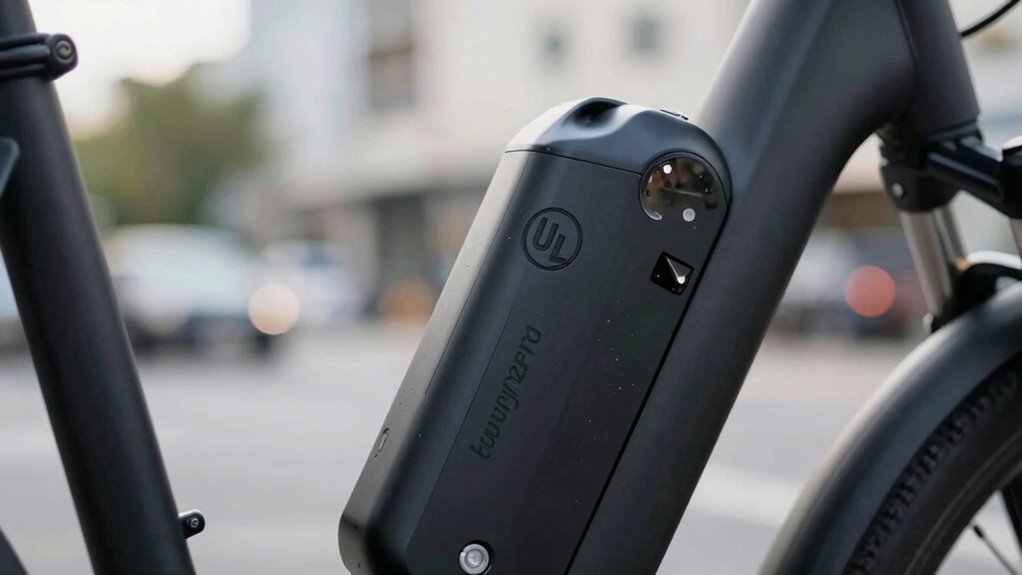
UL certification shows that your battery has passed specific safety tests, but it doesn’t cover every possible risk or failure mode. You still need to stay vigilant and follow proper usage and maintenance practices. Remember, certification isn’t a guarantee of absolute safety—it’s just one part of responsible battery management. Additionally, understanding battery safety standards can help you make informed decisions about e-bike use. Being aware of proper charging practices can further reduce potential safety hazards and prolong your battery’s lifespan. Proper maintenance, including regular filter cleaning, also contributes to overall safety and device longevity. Always stay updated on regulatory guidelines to ensure ongoing safety compliance.
Certification Limits Scope
While receiving UL certification indicates that a battery has met specific safety standards, it doesn’t guarantee complete safety or prevent all potential issues. It is important to recognize that the scope limitations of UL certification mean it covers particular tests and conditions but doesn’t address every possible risk. Certification boundaries focus on safety aspects like fire resistance or electrical integrity under certain scenarios but don’t extend to long-term durability or real‑world usage. For example, a battery may pass lab tests but still face issues from everyday wear, damage, or manufacturing defects outside the scope of UL’s evaluation. Additionally, some hazards related to smart IoT technologies like app security vulnerabilities or connectivity issues are not covered by UL standards. Moreover, device integration can introduce risks that are beyond UL’s testing scope, such as compatibility or user error. The certification process often emphasizes specific safety tests, which may overlook other environmental or operational factors that could impact performance. It is also vital to consider that testing conditions may not fully replicate real-world environments, which can influence a battery’s safety and performance. Furthermore, long-term performance can vary significantly depending on usage and maintenance practices, which are outside UL’s standard testing parameters. Understanding these limits helps you recognize that UL certification is a valuable safety indicator but isn’t a comprehensive guarantee. Always combine certification insights with proper handling, maintenance, and awareness of potential risks.
Does Not Cover All Risks
Have you ever wondered if a certified battery is completely safe? Certification, like UL, indicates the product meets specific safety standards, but it doesn’t guarantee immunity from risks. Even certified batteries can experience manufacturing defects or flaws that weren’t detected during testing. These defects can lead to issues like overheating or fires, sometimes resulting in product recalls. Keep in mind that UL certification doesn’t cover every possible hazard or misuse, so it’s essential to stay vigilant. Proper handling, regular inspections, and awareness of potential problems remain your best defenses against battery safety issues. Remember, certification is a helpful indicator of safety, but it’s not an absolute safeguard against all risks associated with e-bike batteries. Additionally, ongoing quality control measures are crucial to ensure safety beyond initial certification. Being aware of regulatory standards can help consumers understand the scope and limitations of certifications like UL. It’s also important to stay informed about emerging safety concerns that may not yet be covered by existing certifications.
Ongoing Safety Responsibilities
Certification indicates that a battery meets specific safety standards at the time of testing, but it doesn’t mean you can ignore ongoing safety practices. You’re responsible for proper battery recycling to prevent environmental harm and potential hazards. Regularly inspect your e-bike batteries for damage, corrosion, or swelling, and follow manufacturer guidelines for maintenance. Keep in mind that manufacturing standards can change, so staying informed about updates guarantees your battery remains safe over time. Proper storage and charging habits are vital to prevent overheating or fires. Remember, UL certification confirms safety at the point of testing but doesn’t assure perpetual safety. Continual attention to safe handling, recycling, and adhering to evolving manufacturing standards helps protect you and prolongs your battery’s lifespan.
Does UL Certification Cover Battery Performance or Just Safety?

Does UL certification focus solely on safety, or does it also address battery performance? Primarily, UL standards verify safety, but they don’t guarantee performance claims like battery capacity or longevity. Certification ensures the battery won’t pose fire or shock risks, but it doesn’t necessarily mean your battery will meet specific performance or warranty coverage expectations. Additionally, UL certification does not evaluate factors like aesthetic design or user experience aspects of the battery. While UL confirms safety, you’ll need separate testing or manufacturer assurances for performance and warranty details. It’s important to note that UL standards are focused on safety and do not encompass overall product quality or user satisfaction assessments.
Are All UL Certifications the Same? Understanding the Different Standards and Listings
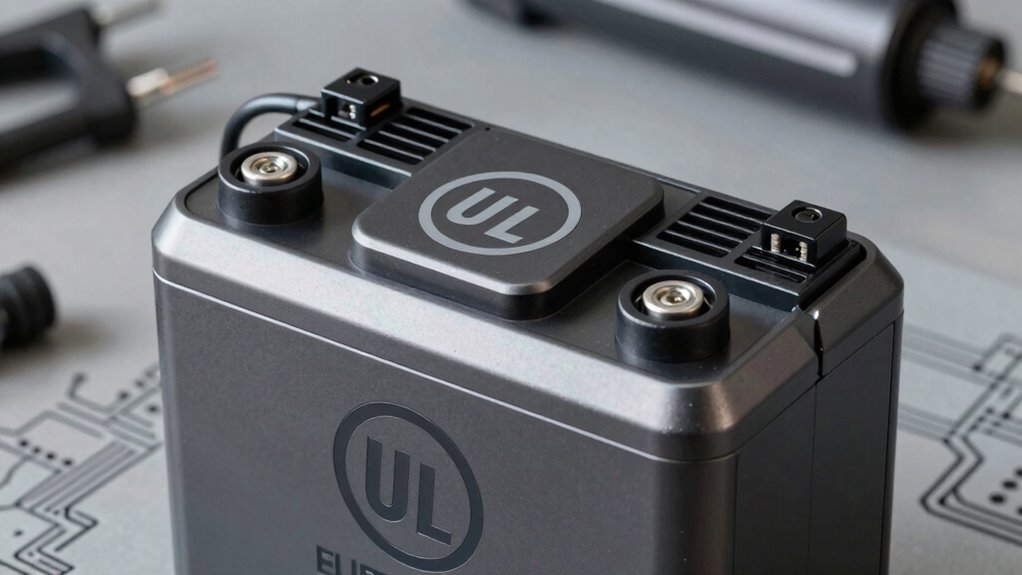
Not all UL certifications are the same; they vary depending on the specific standards and listings applied to a product. Some certifications focus solely on safety, while others include performance or environmental considerations like battery recycling. The certification process differs based on the standard, guaranteeing that each product meets particular criteria. For example, UL 2271 covers lithium-ion batteries used in e-bikes, emphasizing safety and recycling requirements, whereas UL 1642 focuses on the battery cells themselves. Understanding these differences helps you recognize that not all UL marks indicate the same level of testing or compliance. When evaluating an e-bike battery, check which specific UL standard it’s certified under to ensure it aligns with your safety and sustainability expectations. Additionally, waterpark hotel amenities are often tested for safety and quality standards to ensure a fun and secure environment for visitors.
How UL Certification Influences Your Choice of E-Bike Battery

Knowing the specific UL standards a battery meets can considerably impact your decision when choosing an e-bike. UL certification signals that the battery adheres to strict safety and manufacturing standards, reducing risks like overheating or failure. It also indicates the manufacturer’s commitment to responsible practices, including battery recycling initiatives, which minimize environmental impact. When selecting a battery, consider these factors:
UL certification ensures battery safety, reliability, and eco-responsibility for your e-bike choice.
- Guarantees compliance with safety regulations
- Promotes sustainable battery recycling practices
- Reflects adherence to rigorous manufacturing standards
- Enhances overall product reliability
- Offers peace of mind regarding safety and durability
UL-certified batteries are more likely to meet industry benchmarks, helping you make an informed, safe, and eco-conscious choice for your e-bike.
How to Verify If an E-Bike Battery Is UL-Certified
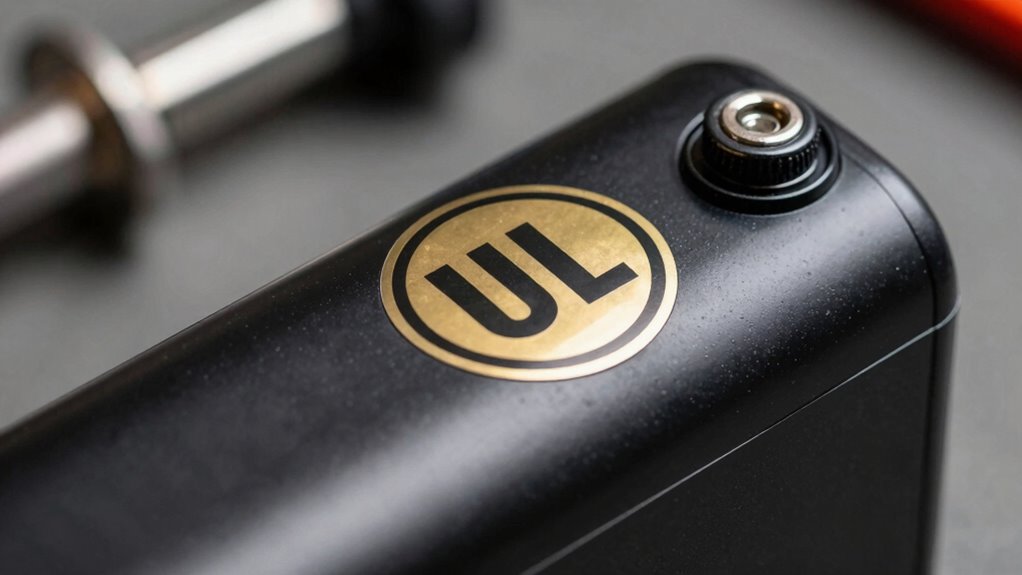
To verify if an e-bike battery is UL-certified, start by checking the certification labels on the product for the UL mark. Next, verify the manufacturer’s claims by consulting official databases or contacting the company directly. Finally, use regulatory resources to confirm the battery’s certification status and guarantee it meets safety standards.
Check Certification Labels
When checking if an e-bike battery is UL-certified, the certification label is your most reliable clue. Look for the UL mark, which is often stamped or printed directly on the battery or its packaging. Confirm the label is genuine, not faded or tampered with. Check the label for details like the file number, which you can verify on the UL database. Be aware that some counterfeit labels mimic genuine ones, so scrutinize the quality and placement. Also, consider the packaging materials—authentic packaging often features eco-friendly options like clear labeling about battery recycling. Proper labels can indicate adherence to safety standards and responsible disposal practices, giving you confidence in the product’s certification status.
Verify Manufacturer Claims
Since manufacturer claims can sometimes be misleading, it’s important to verify their statements about UL certification directly. Check their reputation by researching reviews and industry feedback. Confirm that the battery’s UL certification is genuine by inspecting product documentation and labels. Details like UL file numbers help validate authenticity. Additionally, ask about the testing procedures used; reputable manufacturers follow strict standards that ensure safety and quality. To assist your verification, consider this overview:
| Aspect | What to Check | Why It Matters |
|---|---|---|
| Manufacturer reputation | Industry reviews and history | Indicates trustworthiness |
| Certification label | Proper UL markings and numbers | Confirms authenticity |
| Testing procedures | Compliance with UL standards | Ensures safety and quality |
| Documentation | Official UL certificates | Verifies official approval |
Consult Regulatory Databases
Consulting regulatory databases is an essential step in verifying if an e-bike battery is UL-certified. These databases provide official records of products tested and approved according to safety standards. By searching the UL database, you can confirm whether the battery’s model number matches a certified product. It’s also helpful to check for any recall notices or safety alerts associated with the product. Using regulatory databases guarantees you’re relying on authoritative sources rather than marketing claims. Remember, certification status can change, so verify the latest information. Be aware that some databases also include information about other safety standards, which can help you understand the broader safety compliance of the battery. This step offers transparency and peace of mind before making a purchase.
- Search by product or model number
- Confirm certification dates and validity
- Check for safety recalls or alerts
- Review associated safety standards
- Validate manufacturer credentials
Common Myths About UL Certification Debunked for E-Bike Buyers

Many e-bike buyers mistakenly believe that UL certification guarantees complete safety and quality without further checks. While UL certification ensures certain standards, it doesn’t cover everything. For example, a battery may be UL-certified but still lack eco-friendly materials or proper recycling practices. It’s important to verify additional factors like battery recycling initiatives and sustainable design. The following table breaks down common misconceptions:
| Myth | Reality | Additional Considerations |
|---|---|---|
| UL certification guarantees overall safety | It ensures specific safety tests, not full safety | Check for eco friendly materials |
| All UL-certified batteries are environmentally friendly | Certification doesn’t guarantee eco-friendliness | Look for sustainable manufacturing practices |
| UL certification means long-term durability | It tests safety, not lifespan or durability | Research product reviews and warranties |
| UL-certified batteries are always recyclable | Recycling depends on manufacturer initiatives | Verify battery recycling programs |
What Factors Besides UL Certification Should You Consider When Buying an E-Bike Battery?
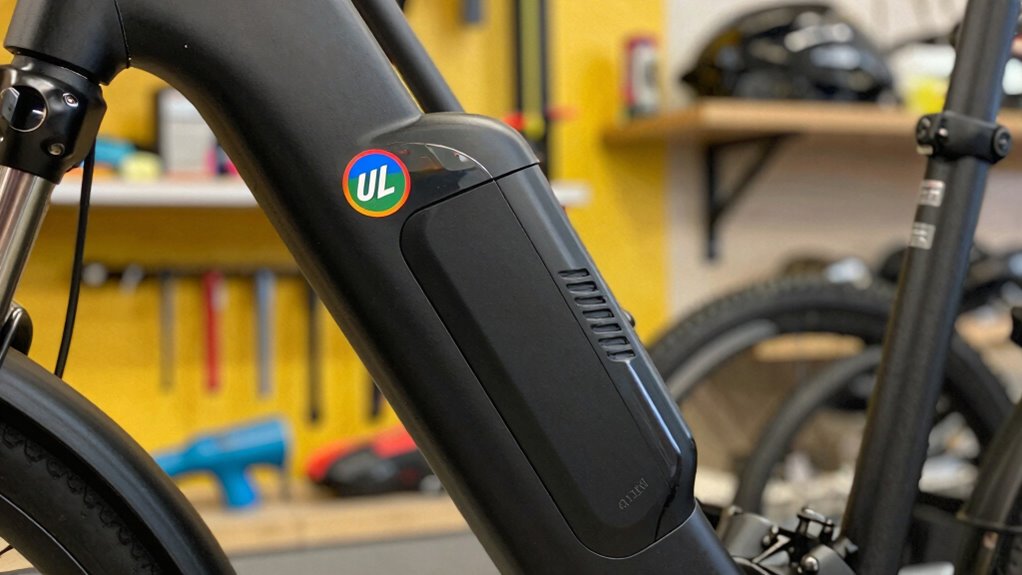
When choosing an e-bike battery, you should consider its capacity and range to guarantee it meets your riding needs. Compatibility with your specific e-bike model is also essential for proper performance and safety. Additionally, check the battery’s life cycle and warranty to gauge its durability and support over time.
Battery Capacity and Range
While UL certification guarantees safety standards are met, it doesn’t tell you how far your e-bike can go on a single charge. To determine your potential range, consider the battery’s capacity ratings and overall battery longevity. A higher capacity usually means a longer ride, but other factors matter too.
Consider these:
- Battery capacity in watt-hours (Wh): Directly impacts range.
- Battery chemistry: Affects capacity ratings and longevity.
- Bike weight and rider load: Heavier loads reduce range.
- Terrain and riding style: Hills and aggressive riding drain more power.
- Charging cycles: More cycles can diminish battery longevity over time.
Compatibility With E-Bike Model
Choosing a compatible battery for your e-bike involves more than just guaranteeing it meets safety standards like UL certification. You need to consider battery compatibility to make sure it fits your specific e-bike model. An ill-fitting battery can lead to poor performance or damage. Check your bike’s specifications to see what type of battery it requires, including voltage, connector type, and mounting style. E bike fit is crucial; a battery that matches your bike’s dimensions and mounting points ensures proper installation and safe operation. Even with UL certification, an incompatible battery can cause issues, so always verify compatibility with your e-bike’s make and model before purchasing. This way, you guarantee optimal performance, safety, and longevity.
Battery Life Cycle and Warranty
Beyond UL certification, evaluating the battery’s lifespan and warranty coverage is vital. Consider how quickly the battery may experience degradation over time, impacting your range and performance. A strong warranty can protect you against premature battery failure and costly replacements. Look for brands that offer extensive warranty coverage, ideally covering at least one to two years and multiple charge cycles. Additionally, check the manufacturer’s reputation for quality and support. Be aware that factors such as usage habits, charging practices, and environmental conditions also influence battery degradation. Understanding these aspects helps you make an informed decision and ensures your investment lasts longer. Prioritize batteries with clear warranty policies and proven durability to maximize your e-bike experience.
Key Takeaways: Making Smarter, Safer Choices for Your E-Bike Battery
Making smarter and safer choices for your e-bike battery starts with understanding the importance of quality and certification. Look for batteries that adhere to strict manufacturing standards and carry recognized safety labels like UL certification. These certifications indicate that the battery has been tested for safety, performance, and durability. Additionally, choosing certified batteries supports responsible practices, including proper battery recycling, which minimizes environmental impact. Avoid cheap, uncertified options that may compromise safety or longevity. Investing in high-quality, certified batteries not only ensures better performance but also reduces risks such as overheating or fires. Remember, making informed choices helps protect you, your bike, and the environment. Prioritize safety, certification, and responsible disposal to enjoy a reliable and eco-friendly e-bike experience.
Frequently Asked Questions
Does UL Certification Affect the Warranty on My E-Bike Battery?
UL certification can impact your e-bike battery’s warranty implications. If your battery isn’t UL certified, manufacturers might restrict or void warranty coverage, citing safety and quality concerns. Conversely, a UL certification demonstrates adherence to safety standards, potentially supporting your warranty claims. While it doesn’t guarantee coverage, certification impact often reassures manufacturers of product safety, giving you better leverage if issues arise. Always check your warranty terms for specific certification requirements.
Can a Non-Ul-Certified Battery Still Be Safe?
Imagine trusting a bridge built on solid steel or one with questionable materials. A non-UL-certified battery can still be safe if it meets rigorous certification standards, but it’s a gamble. Certification standards like UL help guarantee battery safety by testing for potential hazards. Without certification, you risk battery failure or safety issues, so always check if the battery complies with recognized safety standards, regardless of UL status.
How Often Should UL Certifications Be Renewed or Re-Evaluated?
You should check the certification renewal and re-evaluation frequency for your e-bike batteries regularly, typically every one to two years. Manufacturers and UL guidelines recommend re-evaluating certifications periodically to ensure ongoing safety and compliance. Keep in mind that certification renewal depends on changes in manufacturing processes or updates in safety standards. Staying informed about these updates helps you maintain a safe, reliable e-bike battery.
Are There Regional Differences in UL Certification Standards?
Yes, there are regional differences in UL certification standards. You’ll find that regional compliance requirements influence certification variability, meaning what’s accepted in one area may differ elsewhere. When certifying e-bike batteries, you must consider these regional standards to guarantee your products meet local safety regulations. Recognizing these differences helps you navigate certification processes more effectively, avoiding delays and ensuring your batteries are compliant for each target market.
What Are the Costs Associated With Obtaining UL Certification for Batteries?
Imagine a journey where every step is an investment—obtaining UL certification involves careful cost considerations. Certification expenses vary based on battery complexity, testing requirements, and whether you pursue initial or ongoing certification. You can expect fees for testing, documentation, and audits, which might range from a few thousand to tens of thousands of dollars. Planning your budget carefully guarantees you navigate the process smoothly, turning certification costs into a strategic advantage.
Conclusion
Remember, UL certification is a valuable sign of safety, but it’s not the whole story—think of it as a flashlight in the dark rather than a crystal ball. Always verify the certification, understand what it covers, and consider other factors like battery quality and brand reputation. By staying informed and cautious, you’re not just riding an e-bike—you’re steering towards safer, smarter adventures. After all, isn’t your safety worth the extra mile?