Adopting a more upright riding position changes how you experience your bike by making you feel more confident, comfortable, and alert. You’ll notice improved visibility and better control, especially in busy environments, while reducing strain on your neck, shoulders, and wrists. This position also engages your core and opens your chest, making breathing easier. If you want to discover how these adjustments can enhance your ride further, there’s more to learn below.

Get sports gear delivered free with Prime
- Fast, free delivery on millions of items
- Prime Video, Amazon Music and more included
- Member-only deals all year
Key Takeaways
- An upright position increases visibility, making rides feel safer and more alert.
- It enhances comfort by reducing neck and back strain during longer rides.
- Upright posture improves breathing, creating a more relaxed and effortless riding experience.
- It offers better control and quick reaction to obstacles, boosting confidence.
- The position distributes weight naturally, reducing fatigue and promoting a smoother ride.
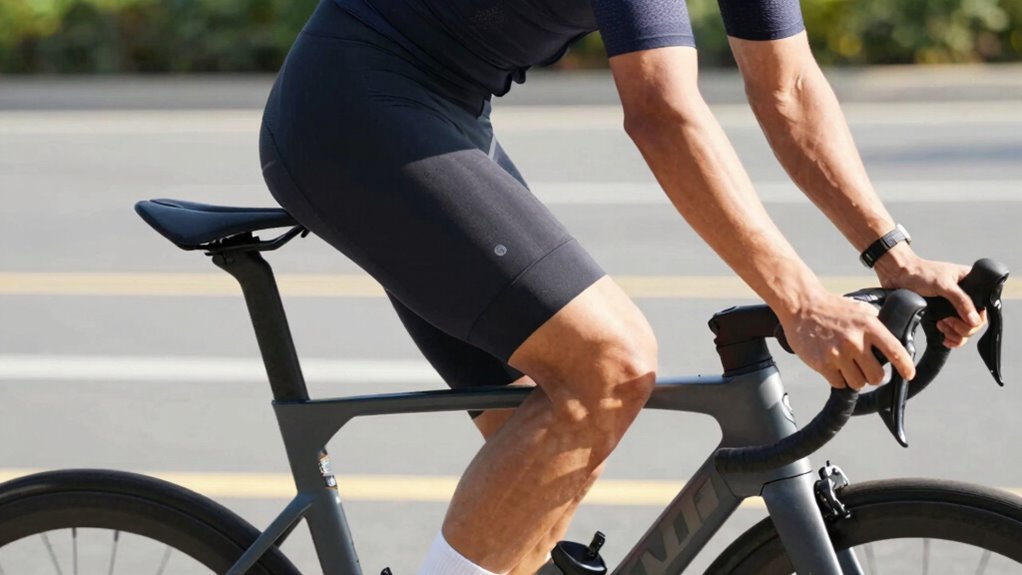
When you sit upright on a ride, the experience shifts noticeably compared to leaning back or slouching. This position directly influences how you perceive speed, control, and overall comfort. One of the key factors affected by your posture is bike ergonomics, which is all about designing a riding position that maximizes efficiency while minimizing fatigue. When you adopt an upright stance, your body aligns differently, often reducing strain on your neck, shoulders, and back. This adjustment makes longer rides more manageable and keeps you more alert, especially on casual or city bikes.
A proper upright position can also encourage better posture awareness, helping prevent discomfort or injury over time. Rider comfort plays a crucial role here. Sitting upright allows your core muscles to stay engaged without overexertion, which can happen when you lean forward into a racing position. This posture also opens up your chest and improves breathing, making it easier to take in oxygen during your ride. As a result, you tend to feel less tired and more focused on enjoying the scenery or navigating urban streets. The difference in comfort isn’t just about avoiding soreness; it also enhances your confidence and control over the bike. When you’re comfortable, you’re more likely to ride with a relaxed grip on the handlebars, which translates into better handling and fewer crashes.
Additionally, the ergonomic design of bikes set up for an upright position can help prevent repetitive strain injuries and improve your overall cycling health. Proper bike adjustments are essential for optimizing these ergonomic benefits and ensuring a comfortable riding experience. Another benefit of an upright position is the increased visibility it offers. You’re sitting higher, so you can scan your surroundings more easily, spot obstacles sooner, and respond more quickly to traffic signals or pedestrians. This heightened awareness boosts rider safety and helps you feel more secure, especially in busy environments. Additionally, bike ergonomics in this posture promote a natural weight distribution, reducing pressure on your wrists and hands. This is particularly advantageous during longer rides, where discomfort in these areas can become a major distraction or source of pain. Proper bike adjustments can help optimize this ergonomic benefit even further. Moreover, maintaining an upright posture can also positively impact your overall cycling experience, making each ride more enjoyable and less strenuous.
ergonomic upright bike handlebars
As an affiliate, we earn on qualifying purchases.
As an affiliate, we earn on qualifying purchases.
Frequently Asked Questions
Does an Upright Position Affect Ride Safety?
Yes, an upright position can affect ride safety. When you sit upright, the seat belt tension might change, potentially reducing its effectiveness if not properly adjusted. Additionally, headrest positioning becomes essential; a correctly aligned headrest can prevent whiplash injuries during sudden stops or collisions. Always guarantee your seat belt fits snugly and your headrest is properly positioned to maximize safety in an upright seating posture.
How Does Posture Influence Ride Comfort?
You’re right on the money—posture greatly influences ride comfort. When you focus on posture ergonomics, you guarantee your body is well-aligned, reducing strain and fatigue. An upright position often improves rider comfort by allowing better weight distribution and less pressure on sensitive areas. This way, you stay relaxed and enjoy the ride more, instead of fighting discomfort. Good posture truly is the key to a smoother and more enjoyable experience.
Can Adjusting Upright Position Reduce Motion Sickness?
Adjusting your upright position can reduce motion sickness by improving seat ergonomics and providing better visual cues. When you sit straighter, your body aligns more comfortably, helping your inner ear and eyes coordinate better. This reduces disorientation and nausea. Focus on maintaining an ergonomic posture and look at stable visual cues around you. These adjustments help your brain process motion more accurately, making the ride feel smoother and less likely to upset your stomach.
Is There a Preferred Upright Angle for Different Ride Types?
Think of the ideal upright angle as a tailor-made suit—perfectly suited to your ride type. For calmer rides, a more relaxed angle enhances seat ergonomics and rider visibility, making you feel at ease. For thrilling coasters, a slightly steeper angle boosts excitement and control. Adjusting your seat to match the ride’s intensity ensures comfort and maximum experience, much like finding the perfect fit for your adventure.
How Quickly Can Riders Adapt to Different Upright Positions?
You can adapt to different upright positions fairly quickly, often within a few rides, thanks to your posture flexibility. Your adjustment time depends on how comfortable you are with changing postures and how often you ride in varied positions. With consistent exposure, your body learns to adjust faster, making shifts smoother and more natural. Keep practicing, and you’ll find it easier to switch upright angles without discomfort.
Conclusion
Switching to an upright position transforms your ride from a roaring rollercoaster into a gentle breeze, making the experience feel more personal and accessible. It’s like turning a wild stallion into a friendly pony—less intimidating, more inviting. Whether you crave adrenaline or just want a smooth sail, adjusting your posture shapes how you connect with the ride. So, next time, try sitting upright—you might just find the thrill feels closer than ever, like an old friend waiting to say hello.
Halloween Picks
halloween
As an affiliate, we earn on qualifying purchases.